Grilled Bone in Chicken Breast

Grill bone-in chicken breast using the two-zone method to ensure the meat stays juicy while the skin becomes crispy. Always use a digital thermometer to confirm the chicken reaches a safe internal temperature of 165°F.
Mastering a perfectly grilled bone-in chicken breast is a rite of passage for any home cook looking to elevate their outdoor cooking game. By keeping the bone intact and the skin on, you create a natural shield that protects the delicate breast meat from the intense heat of the grill, resulting in a juicy, flavorful centerpiece that is far superior to its boneless counterpart.
- Use Bone-in: The bone protects the meat from drying out during the long grilling process.
- Two-Zone Heat: Sear over direct heat, then finish over indirect heat for even cooking.
- Check Temperature: Always verify 165°F (74°C) with a meat thermometer.
- Rest the Meat: Let the chicken rest for 5-10 minutes before serving to lock in juices.
Mastering the Perfect Grilled Bone-in Chicken Breast: The Belizean Way

In Belizean kitchens, we value depth of flavor and the preservation of moisture in our poultry. Grilling bone-in chicken breast requires patience; it is not a “quick sear” cut. Because the bone acts as an insulator, the heat reaches the center of the meat more slowly than a thin fillet, allowing for a more even cook and a succulent texture that remains tender long after it leaves the heat. Whether you are using a classic charcoal setup or a modern gas grill, the goal remains the same: crispy, golden skin paired with perfectly cooked, aromatic meat.
What is Bone-in Chicken Breast and Why Choose It for the Grill?
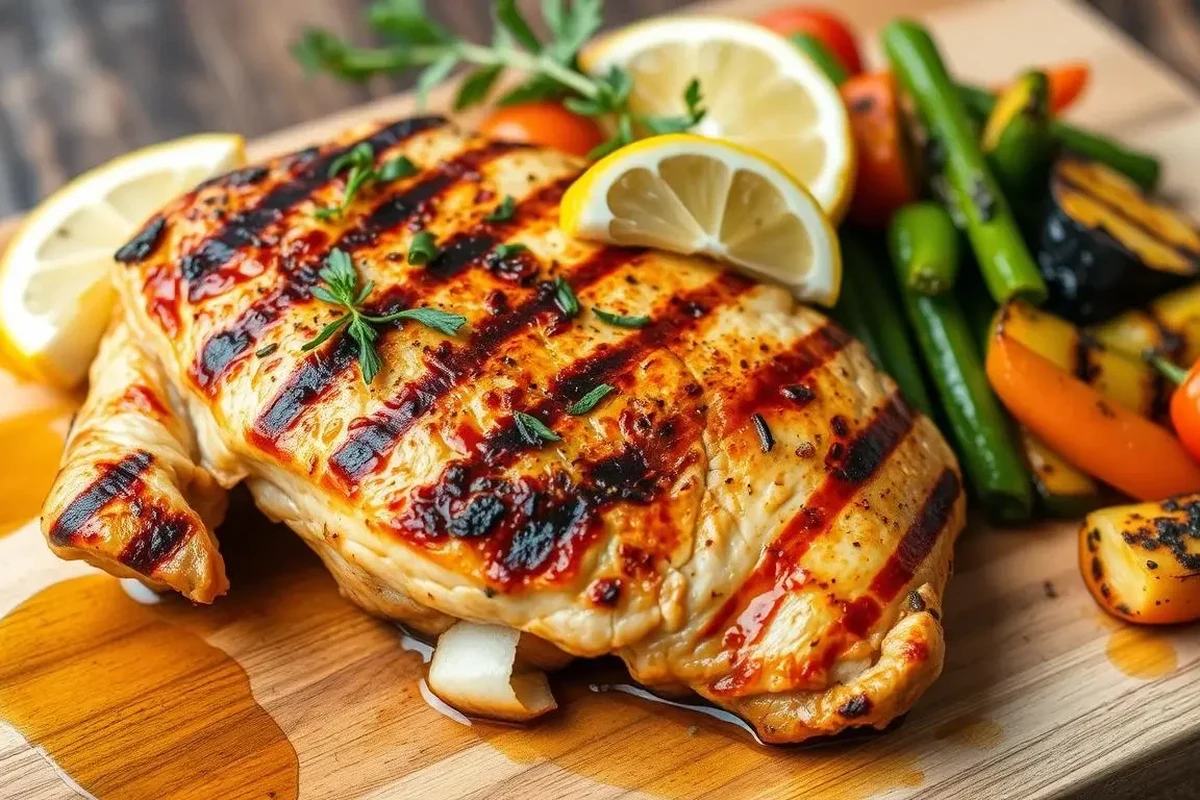
A bone-in chicken breast, often referred to as a “split breast,” includes the rib bone and sometimes a portion of the backbone. Unlike boneless, skinless breasts that can dry out in seconds, the bone-in variety is built for the grill. The bone conducts heat differently, protecting the meat near the center and preventing the rapid moisture loss common with thinner cuts. This makes it an ideal choice for meal prep ideas with chicken breast, as the cooked meat retains its structure and hydration much better when stored for later use.
Selecting the Best Poultry: Buying Guide for Quality and Flavor
Understanding Grade and Freshness
When shopping for chicken in 2026, look for Grade A poultry with firm, plump flesh. Avoid packages with excessive liquid, which can indicate poor handling or inconsistent temperature control. Always check the “sell-by” date and ensure the packaging is airtight.
The Advantage of Skin-On vs. Skinless
Always opt for skin-on breasts for grilling. The skin acts as a self-basting layer, rendering fat into the meat as it cooks, which adds significant flavor and keeps the surface from drying out. If you prefer a leaner meal, you can easily remove the skin after cooking, but keeping it on during the process is essential for the best results.
When selecting your chicken, look for breasts that are roughly the same size to ensure they cook at the same rate on the grill grate.
Essential Ingredients for Belizean-Inspired Grilled Chicken
The Marinade: Balancing Citrus, Herbs, and Spice
The secret to authentic Caribbean-style chicken is the marinade. A blend of fresh lime juice, crushed garlic, chopped cilantro, and a hint of habanero or scotch bonnet pepper provides the perfect acidity to cut through the richness of the meat. Incorporating the best spices for chicken, such as smoked paprika, allspice, and a touch of brown sugar, helps create a beautiful caramelized crust.
Why Bone-in Matters for Moisture Retention
The bone serves as a heat sink. It absorbs energy and releases it slowly into the center of the breast, which helps the meat reach the target internal temperature without the exterior becoming rubbery. This is the primary reason why bone-in cuts are more forgiving for beginners than boneless options.
Step-by-Step Technique: How to Grill Bone-in Chicken Breast Perfectly
Monitoring Doneness: The Critical Role of the Meat Thermometer
Do not rely on time alone. Use a digital meat thermometer to check the thickest part of the breast. According to USDA safety guidelines, chicken must reach an internal temperature of 165°F (74°C) to be safely consumed. Testing at the thickest part, away from the bone, is the most accurate way to ensure safety.
Always avoid cross-contamination. Never use the same platter for raw and cooked chicken, and wash all surfaces that touched the raw poultry with hot, soapy water.
Common Mistakes to Avoid When Grilling Bone-in Poultry
Preventing Flare-ups and Charred Skin
Flare-ups occur when fat drips onto the heat source. By using the two-zone method and keeping the chicken over the indirect side for the majority of the cook, you minimize these flare-ups, which prevents bitter, charred skin.
Avoiding the “Dry Meat” Trap
The most common mistake is cooking at too high a temperature for too long. If you find your chicken is browning too quickly, move it further from the heat source immediately. For those who enjoy grilling chicken breast with charcoal, controlling the airflow is key to maintaining a consistent, moderate heat.
Reheating and Repurposing Leftover Grilled Chicken
Leftovers should be stored in an airtight container in the refrigerator for no more than 3 to 4 days. When reheating, add a small splash of water or broth to the container to create steam, which prevents the meat from drying out. This method keeps the texture nearly as good as it was on the first day.
Final Recommendation: Why Bone-in is the Superior Choice for the Home Cook
Choosing bone-in chicken breast is the ultimate way to guarantee a restaurant-quality result at home. The bone provides a safety net for moisture, the skin provides flavor, and the grilling process is far more forgiving than with boneless alternatives. By following the two-zone grilling method and using a thermometer to verify safety, you can produce a consistent, delicious meal that highlights the best of Belizean-inspired seasoning every time.
Common Questions
The bone acts as a heat buffer, keeping the breast meat moist and tender while the skin crisps up.
Aim for a medium-high heat (around 375°F to 400°F) for the initial sear, then lower the heat for the indirect cooking phase.
While optional, a quick salt-water brine significantly improves moisture retention and seasoning penetration.
A digital meat thermometer inserted into the thickest part of the breast is the only reliable way to check for doneness.
Pat the chicken completely dry with paper towels before seasoning, and ensure the skin-side is placed over direct heat initially.
Frequently Asked Questions
It typically takes 30 to 45 minutes over indirect heat, though this varies based on the size of the chicken and your grill temperature. Always rely on a meat thermometer to reach the safe 165°F internal temperature.
It is best to keep the skin on during the grilling process. It acts as a natural barrier that protects the meat from drying out and adds essential flavor.
The USDA recommends cooking chicken to an internal temperature of 165°F (74°C). Use a digital thermometer in the thickest part of the meat to ensure it is fully cooked.
It is not recommended to grill frozen bone-in chicken directly. You should thaw it completely in the refrigerator to ensure even cooking and food safety.
Use the two-zone grilling method. Sear the skin over direct heat, then move the chicken to the indirect heat zone to finish cooking slowly without burning the exterior.
Cooked chicken should be stored in an airtight container in the refrigerator and consumed within 3 to 4 days. If you need to keep it longer, freeze it immediately after cooling.