Meal Prep Ideas with Chicken Breast

Meal prep chicken breast by cooking in batches using consistent temperatures and proper storage to maintain quality throughout the week. This strategy saves time while ensuring you have healthy, protein-rich options ready for any meal.
Mastering meal prep with chicken breast is the most effective way to ensure you have healthy, protein-packed meals ready throughout your busy week. By focusing on versatile seasoning profiles and proper cooking techniques, you can transform simple poultry into a variety of delicious, ready-to-eat dishes.
- Preparation: Use a meat thermometer to hit 165°F exactly to keep chicken succulent.
- Storage: Store cooked chicken in airtight glass containers for up to 4 days.
- Flavor: Layer seasonings using marinades or dry rubs to avoid bland protein.
- Safety: Never wash raw chicken and always thaw frozen meat in the refrigerator.
The Ultimate Guide to Efficient Meal Prep with Chicken Breast
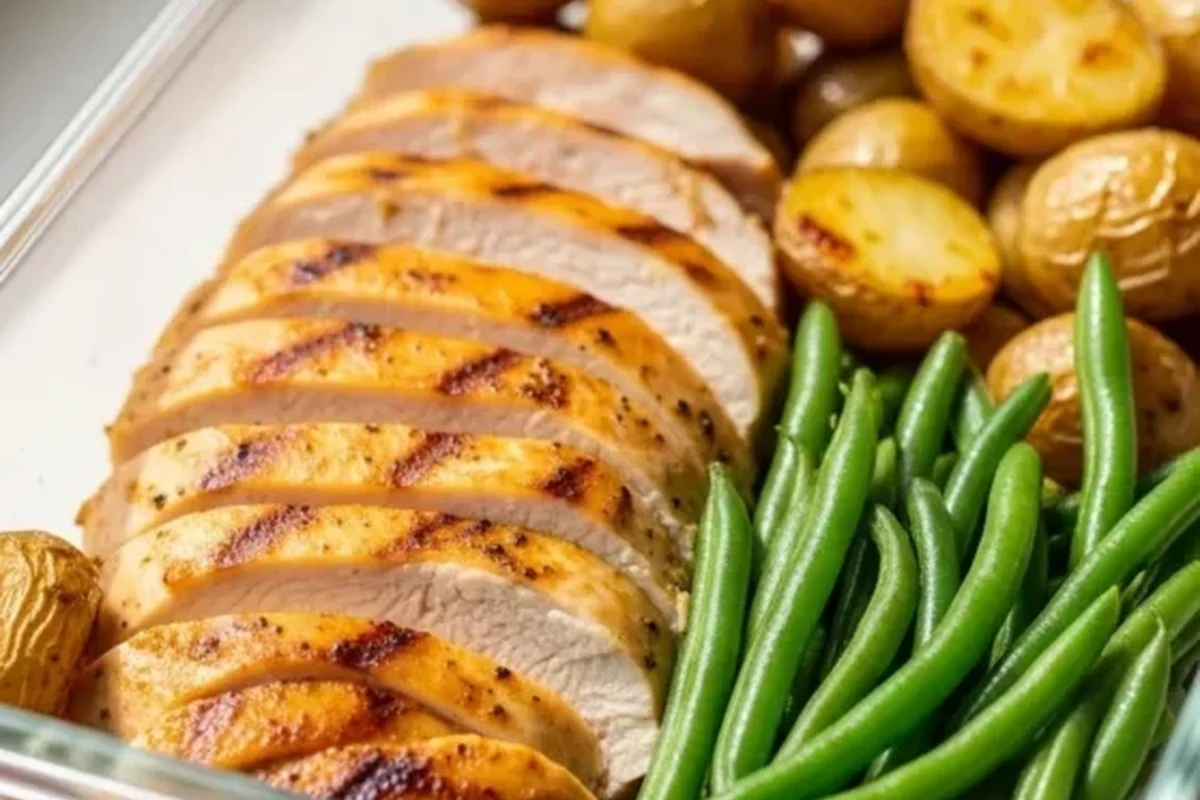
Meal prepping with chicken breast is a cornerstone of organized home cooking. When you dedicate a small window of time to preparing your protein in advance, you eliminate the daily stress of deciding what to cook. Whether you are aiming for quick lunches or wholesome dinners, chicken breast serves as a neutral, high-quality canvas for almost any flavor profile.
Why Chicken Breast is the Gold Standard for Meal Prep
Nutritional Profile and Versatility
Chicken breast is prized for its high protein content and relatively low fat profile, making it a staple for those looking to maintain a balanced diet. Its mild flavor is its greatest strength; it absorbs marinades, spices, and sauces exceptionally well, allowing you to switch from a light citrus profile to a bold, savory Belizean curry chicken recipe with minimal effort.
Who Benefits Most from Chicken Breast Meal Prep?
This approach is ideal for professionals, students, and busy parents who need reliable nutrition on a schedule. By batch-cooking your chicken, you reduce the time spent cleaning up the kitchen daily, as you consolidate your cooking to one or two sessions per week.
Always verify the weight of your chicken breast before cooking to ensure even portions for your meal prep containers.
Essential Ingredients and Flavor Profiles for Belizean-Inspired Prep
Selecting the Right Cuts: Fresh vs. Frozen
Fresh chicken breast is often easier to trim and portion, but frozen options are a budget-friendly convenience. If you use frozen chicken, ensure it is completely thawed in the refrigerator before cooking to maintain the texture and safety of the final dish.
The Must-Have Pantry Staples for Seasoning
To keep your meal prep exciting, stock your pantry with versatile staples like dried oregano, cumin, smoked paprika, garlic powder, and high-quality sea salt. For a true Caribbean touch, keep fresh recado (achiote paste) or scotch bonnet pepper sauces on hand to elevate basic grilled chicken.
Technique Mastery: How to Cook Chicken Breast Without Drying It Out
The Brining Secret for Succulent Results
The most common complaint with chicken breast is dryness. A simple brine—soaking the chicken in a solution of water, salt, and a touch of sugar for 30 minutes—helps the meat retain moisture during the cooking process.
The Pan-Sear and Oven-Finish Method
For a perfect sear, start your chicken in a hot pan to develop a golden crust, then finish it in a preheated oven. If you are using a gas range with griddle, you can sear multiple breasts simultaneously, ensuring consistent heat distribution across the surface.
Slow-Cooker and Pressure-Cooker Techniques
If you prefer tender, shredded chicken, the slow cooker or pressure cooker is your best friend. This method is perfect for preparing base proteins for Belizean chicken tacos or hearty salads, as the chicken stays incredibly moist when cooked in its own juices or a flavorful broth.
- Use a meat thermometer to ensure an internal temperature of 165°F (74°C).
- Allow the chicken to rest for at least 5 minutes before slicing.
- Do not slice cooked chicken immediately, as the juices will escape.
- Avoid overcrowding the pan, which leads to steaming rather than searing.
Three Signature Meal Prep Recipes for Your Weekly Rotation
Citrus-Herb Grilled Chicken Bowls
Marinate your breasts in lime juice, cilantro, and garlic. Grill them until just cooked through and serve over a bed of cilantro-lime rice or quinoa. This meal is bright, refreshing, and holds its flavor well throughout the week.
Coconut-Infused Shredded Chicken for Tacos and Salads
Cook chicken breast with a splash of coconut milk, onions, and allspice. Once cooked, shred the meat. The coconut adds a subtle sweetness and richness that pairs perfectly with fresh pineapple salsa or crisp greens.
Spicy Caribbean-Style Baked Chicken Strips
Toss sliced chicken breast in a blend of jerk seasoning, olive oil, and a hint of brown sugar. Bake at 400°F until caramelized. These strips are excellent for quick wraps or adding protein to a cold pasta salad.
Food Safety, Handling, and Proper Storage Protocols
The Rules of Thawing and Cross-Contamination
Always thaw chicken in the refrigerator, never on the counter. Keep raw chicken separate from other ingredients, and wash all surfaces and utensils that have touched raw meat with hot, soapy water immediately.
Never rinse raw chicken under the tap, as this spreads bacteria to your sink and surrounding countertops.
Optimal Container Selection for Freshness
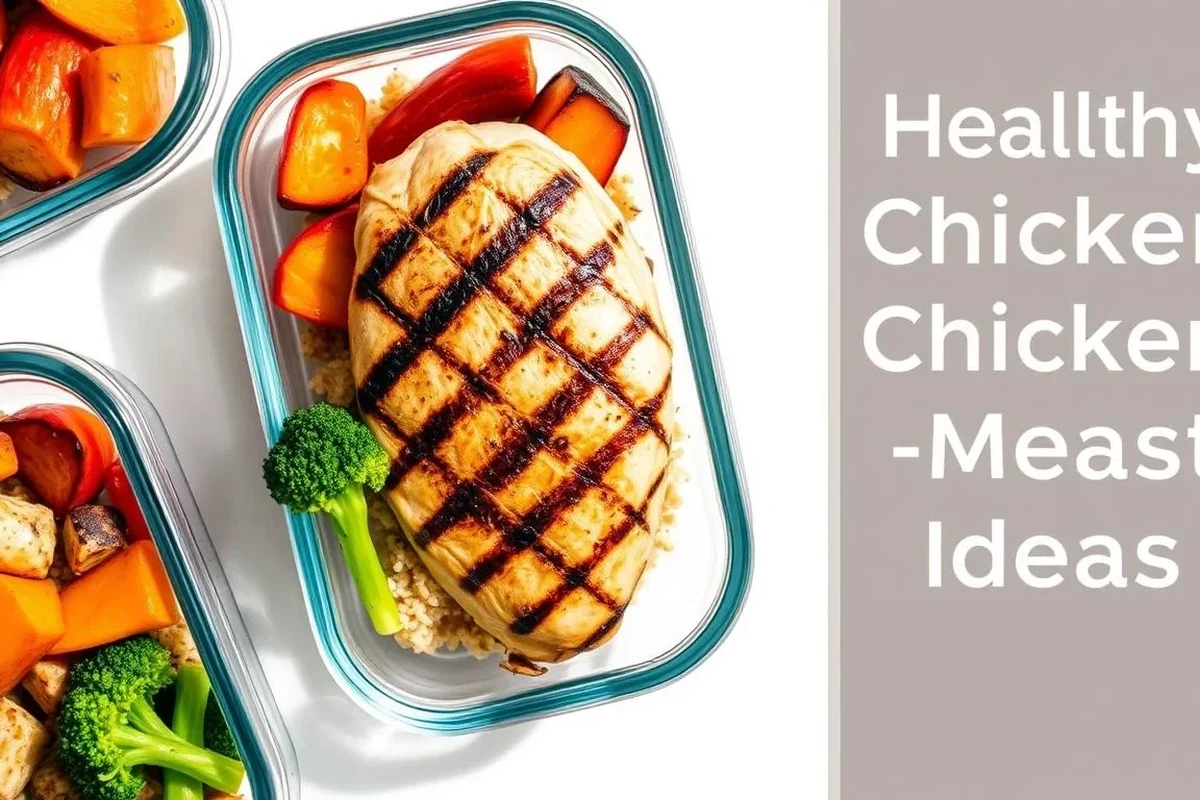
Invest in airtight glass containers. Glass does not absorb odors or stains and is safer for reheating in the microwave or oven compared to some plastics.
The 4-Day Rule: How Long Can You Keep Cooked Chicken?
According to standard food safety guidelines, cooked chicken should be consumed within 3 to 4 days when stored in the refrigerator at 40°F or below. If you prep more than you can eat in four days, freeze the remaining portions immediately.
Common Meal Prep Mistakes and How to Avoid Them
The “Bland Chicken” Trap: Flavor Layering 101
Blandness occurs when seasoning is only applied to the surface. Try using a marinade for at least two hours before cooking, or dry-rub the chicken the night before to allow flavors to penetrate the meat.
Overcooking and Texture Loss
Overcooking is the number one cause of rubbery chicken. Rely on a thermometer rather than visual cues to pull the chicken off the heat the moment it hits 165°F.
Improper Cooling Before Refrigeration
Never place steaming hot containers directly into the fridge. Let your chicken cool for about 20–30 minutes at room temperature before sealing and refrigerating to prevent condensation from forming inside the container, which can make the food soggy.
Troubleshooting: Reheating Tips for Perfect Texture
Stovetop vs. Microwave: Which Method Wins?
The stovetop is superior for reheating, especially if you add a tablespoon of water or broth to the pan. If you must use the microwave, cover the container with a damp paper towel to trap steam and prevent the chicken from drying out.
Adding Moisture Back into Cold Chicken
If your chicken feels dry after being refrigerated, don’t worry. Sauté it briefly with a small amount of butter, olive oil, or a splash of chicken stock. This simple step revives the texture and adds back the moisture lost during storage.
Final Recommendations for Sustainable Meal Prep Success
The key to long-term meal prep success is simplicity. Start by prepping one or two versatile chicken recipes each week rather than trying to cook a complicated feast. By rotating your flavor profiles—from citrus-based to spicy or savory—you will keep your palate engaged and your nutrition on track throughout 2026 and beyond.
Common Questions
The best method is to brine the chicken for 30 minutes before cooking and avoid overcooking by using a meat thermometer.
Yes, but for optimal freshness and safety, limit your prepped chicken to a 4-day window in the refrigerator.
Glass airtight containers are ideal because they do not retain odors and are safer for reheating than many types of plastic.
It is best to only reheat the portion you intend to eat once, rather than heating the entire batch repeatedly, to maintain quality and safety.
It is generally better to store chicken breasts whole and slice them just before serving to help them retain moisture.
Frequently Asked Questions
Cooked chicken breast should be consumed within 3 to 4 days when stored in an airtight container in the refrigerator at or below 40°F.
The best way is to reheat it on the stovetop with a splash of water or broth. If using a microwave, cover it with a damp paper towel to retain moisture.
No, you should never wash raw chicken. Rinsing it under a tap can spread harmful bacteria to your sink and kitchen surfaces.
Try brining your chicken before cooking and use a meat thermometer to ensure you pull it off the heat exactly at 165°F to avoid overcooking.
Yes, you can freeze cooked chicken for up to 3 months. For the best quality, portion it into freezer-safe bags or containers and label them with the date.
Simply reheat it with a small amount of liquid like broth, oil, or butter. This will help restore moisture and improve the texture of the meat.