Greek Sheet Pan Chicken Recipe (One-Pan, 2026)

Greek sheet pan chicken is the ultimate weeknight solution for home cooks seeking a healthy, flavorful meal without the hassle of multiple pots and pans. By combining marinated protein and fresh vegetables on a single tray, you achieve a roasted, caramelized dinner that minimizes cleanup while maximizing Mediterranean-inspired taste.
- Efficiency: One-pan cooking reduces cleanup time and effort.
- Flavor: The classic marinade of olive oil, lemon, and oregano creates deep Mediterranean flavor.
- Food Safety: Always ensure chicken reaches an internal temperature of 165°F (74°C).
- Technique: Avoid overcrowding the pan to ensure vegetables roast rather than steam.
What is Greek Sheet Pan Chicken: A Simple Weeknight Solution
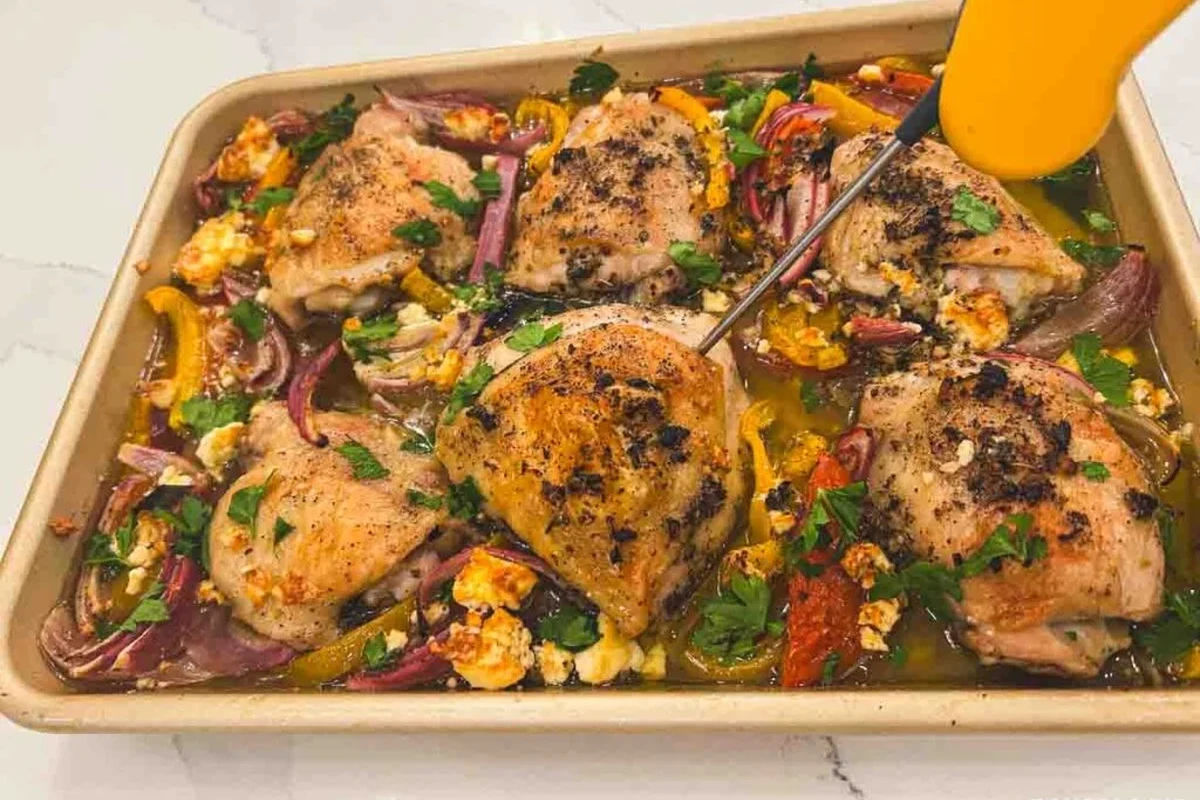
At its core, this dish is a masterclass in efficiency. It relies on a bright, acidic marinade—typically olive oil, lemon juice, garlic, and dried oregano—to tenderize the chicken while infusing it with classic Greek flavors. Everything roasts together in the oven, allowing the juices from the chicken to mingle with the vegetables, creating a natural sauce that requires no extra effort.
Why This Dish Fits Your 2026 Meal Prep Routine
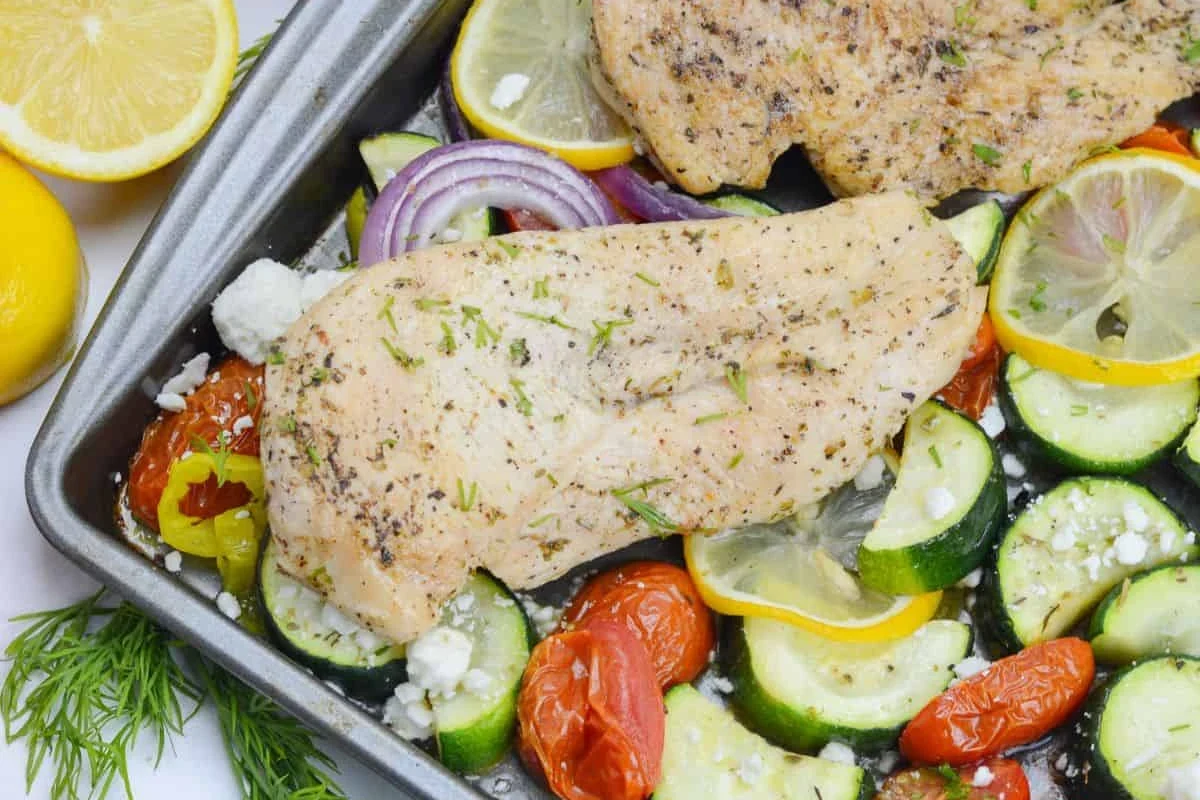
The Real-Kitchen Benefits of One-Pan Cooking
In 2026, time remains our most valuable asset in the kitchen. Sheet pan cooking reduces the active “hands-on” time significantly. Once your ingredients are chopped and tossed in the marinade, the oven does the heavy lifting. This method is far less labor-intensive than pan-searing batches of meat or monitoring a stovetop simmer.
Who Should Make This Recipe?
Essential Ingredients for Authentic Greek Flavor
Selecting the Right Chicken Cuts
Bone-in, skin-on chicken thighs are the gold standard for this dish. They retain moisture throughout the roasting process and provide a rich flavor profile. If you prefer white meat, chicken breasts can work, but they require shorter cooking times to prevent drying out.
The Holy Trinity: Olive Oil, Lemon, and Oregano
The marinade is non-negotiable. Use high-quality extra virgin olive oil to act as the fat carrier for the aromatics. Freshly squeezed lemon juice provides the necessary acidity to balance the richness of the chicken, while dried oregano—often more potent than fresh in roasted applications—anchors the Mediterranean profile.
Vegetable Pairings for Texture and Balance
Classic additions include bell peppers, red onions, cherry tomatoes, and kalamata olives. These vegetables hold up well to high heat. If you enjoy experimenting with different textures, consider adding zucchini or eggplant, though these may need to be cut into larger chunks to avoid turning mushy during the roast.
Mastering the Technique: Step-by-Step Cooking Guide
Achieving the Perfect Roast: Temperature and Timing
Roasting at 400°F (200°C) is generally ideal. It provides enough heat to crisp the chicken skin and caramelize the vegetables without burning the garlic or herbs. If you find the vegetables are finishing faster than the chicken, simply remove them to a bowl and return the chicken to the oven for a few extra minutes.
Doneness and Food Safety Cues
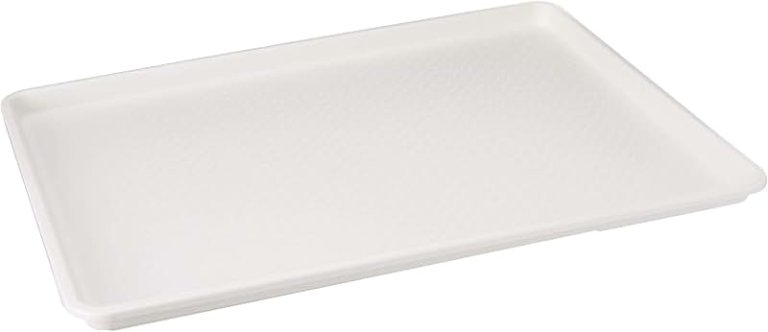
A heavy-duty rimmed sheet pan prevents warping at high heat — see top-rated sheet pans here.
Common Mistakes and How to Avoid Them
- Use a rimmed baking sheet to contain juices.
- Cut vegetables into uniform sizes for even cooking.
- Overcrowding the pan, which leads to soggy, steamed food.
- Adding delicate herbs like parsley or dill before roasting; add them fresh as a garnish instead.
Substitution Guide: Adapting to Your Pantry
If you don’t have chicken thighs, you can use chicken drumsticks or even chunks of pork tenderloin. For vegetables, root vegetables like potatoes or carrots are excellent, but remember that they take longer to cook than peppers or tomatoes. If you are looking for other ways to use your oven efficiently, consider checking out our Zucchini Chicken Parmesan Recipe for another one-pan favorite.
Storage, Reheating, and Food Safety
Proper Handling of Leftovers
Store any leftovers in an airtight container in the refrigerator. They are best consumed within 3 to 4 days. If you’ve prepared a large batch for the week, portioning them out into individual containers immediately after cooking is a great way to maintain food safety.
How to Reheat Without Drying Out the Chicken
To reheat, add a small splash of water or chicken broth to the container. If using a microwave, cover the dish to trap steam. For the best texture, reheat in a 350°F oven until warmed through, which helps crisp the skin back up slightly.
Value and Efficiency: The Verdict on Sheet Pan Meals
Greek sheet pan chicken is a high-value meal that offers significant return on investment regarding flavor and effort. It is far more cost-effective than takeout and provides a healthier profile than most pre-packaged convenience meals. While it requires a bit of prep work, the minimal cleanup makes it a staple for any home cook. If you enjoy this style of cooking, you might also find our guide on Air Fryer Chicken Thighs useful for days when you want an even faster, crunchier alternative.
More roasting ideas: convection oven chicken roast.. . ..
Common Questions
Bone-in, skin-on chicken thighs are recommended because they stay juicy and flavorful during the roasting process.
While 30 minutes adds flavor, you can toss and cook immediately if you are short on time.
Yes, you can prep the ingredients and store them in the marinade in the fridge for up to a few hours before cooking.
A temperature of 400°F (200°C) is ideal for achieving crispy skin and tender vegetables.
Yes, feel free to add seasonal vegetables, but ensure they are cut into similar sizes for even cooking.
Frequently Asked Questions
Yes, but be careful as they cook faster and can dry out. Reduce the cooking time and check the internal temperature frequently.
Soggy vegetables usually happen due to overcrowding the pan. Ensure there is enough space between ingredients so they roast rather than steam.
Chicken must reach an internal temperature of 165°F (74°C) to be considered safe for consumption.
Store leftovers in an airtight container in the refrigerator for up to 3 to 4 days.
Yes, potatoes are a great addition. Cut them into small, uniform cubes so they cook at the same rate as the chicken.
Dried oregano is better for roasting as it holds up to high heat. Save fresh herbs for a garnish after the dish is cooked.