What Is French Onion Soup in French? Authentic Name, Meaning & Recipe Guide

In French, the classic dish known as French onion soup is called soupe à l’oignon. It is a savory, rich broth-based soup featuring deeply caramelized onions and topped with crusty bread and melted cheese.
- Terminology: The dish is called soupe à l’oignon in French.
- Technique: Slow caramelization is essential for developing deep, savory flavor.
- Gratinée: The term gratinée describes the oven-broiled cheese crust topping.
- Ingredients: Use yellow onions, high-quality beef stock, and authentic Gruyère cheese.
What Is French Onion Soup in French? Translating the Culinary Classic
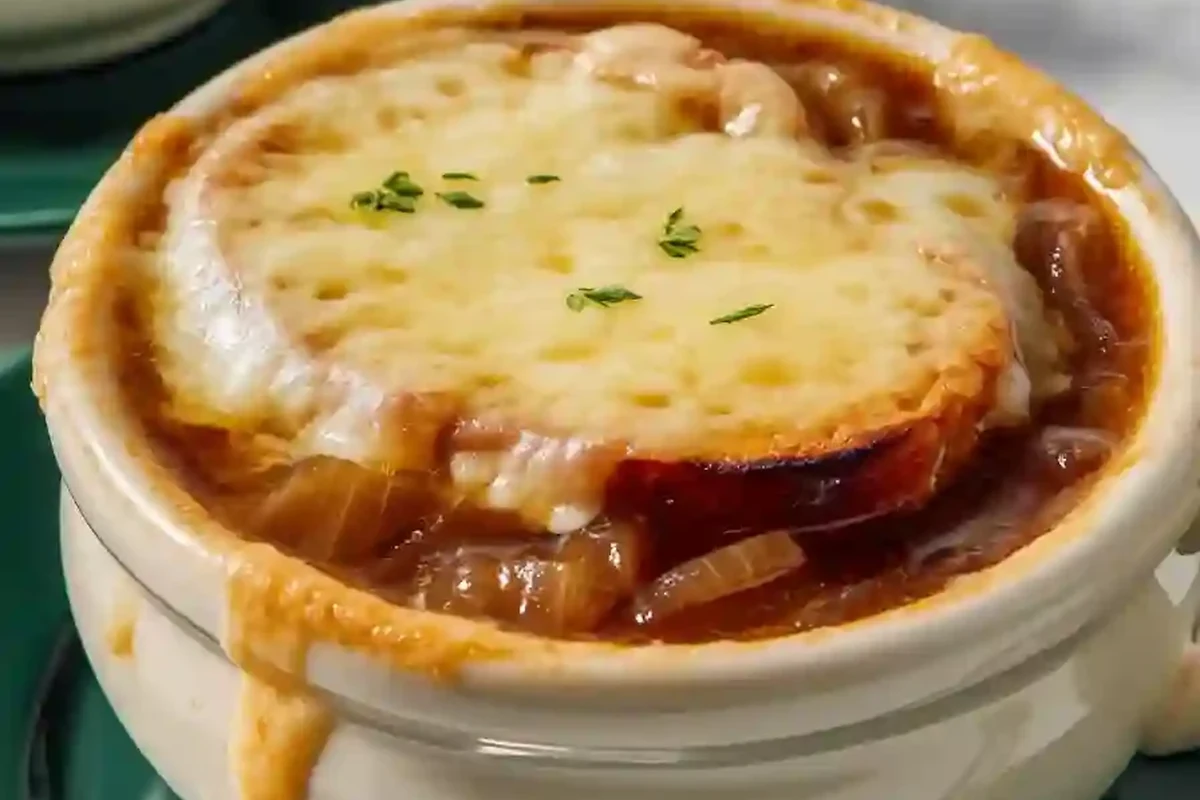
When you see “French onion soup” on a menu in France, it is almost always listed as soupe à l’oignon or, more formally, soupe à l’oignon gratinée. The term gratinée refers to the signature preparation method where the soup is finished under a broiler until the cheese forms a golden, bubbling crust. Understanding this terminology helps any home cook identify the dish’s true roots in French bistro culture.
The Origins and Meaning of Soupe à l’Oignon
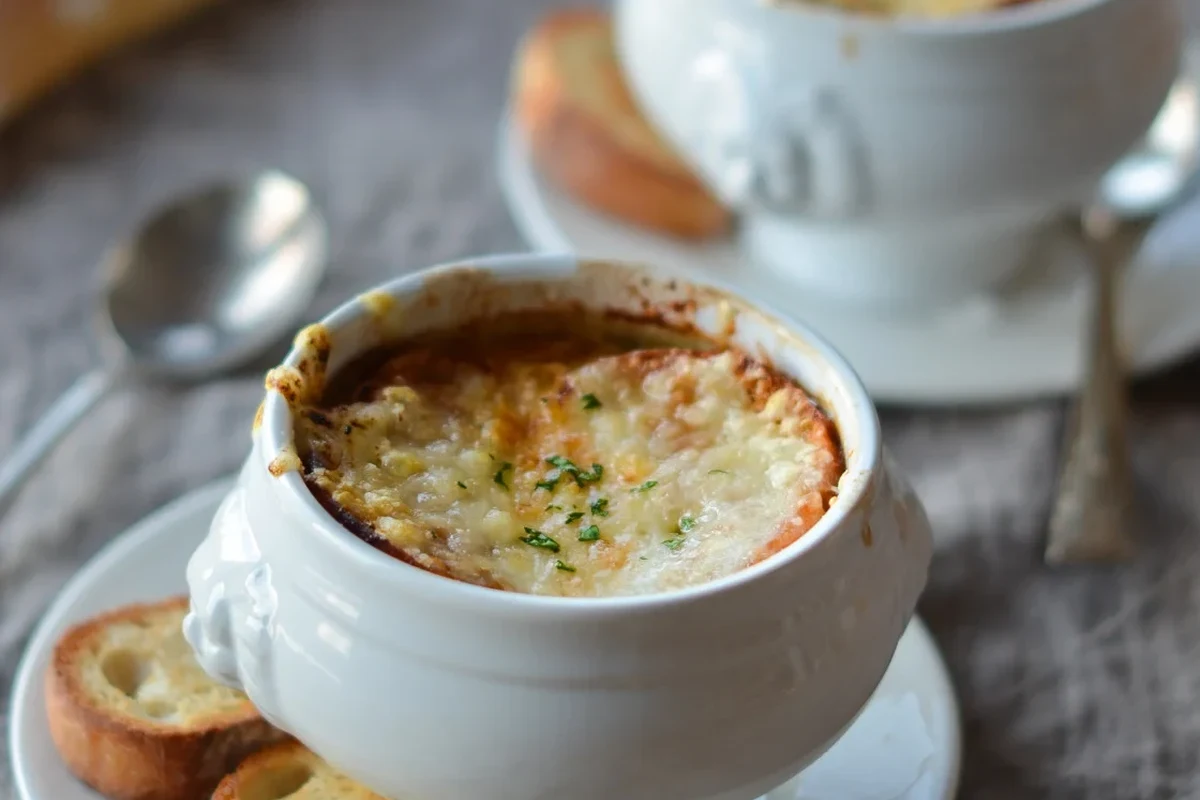
Defining the Dish Through French Gastronomy
At its heart, soupe à l’oignon is a celebration of simplicity. It relies on the transformation of humble, inexpensive ingredients—onions, bread, and broth—into a complex, deeply flavored meal. The French approach to this dish prioritizes patience, particularly during the lengthy caramelization process, which extracts natural sugars from the onions to create a rich, dark base.
Historical Significance: From Peasant Food to Bistro Staple
Historically, onion soups date back to Roman times, but the modern version we recognize today emerged in 18th-century Paris. Once considered “peasant food” due to the accessibility of onions, it eventually migrated to the central markets, or Les Halles, where it became a favorite of market workers and night owls. By the 20th century, it had cemented its status as a quintessential French bistro classic, prized for its warming, restorative properties. what is french onion soup in french
Essential Ingredients for an Authentic French Onion Soup
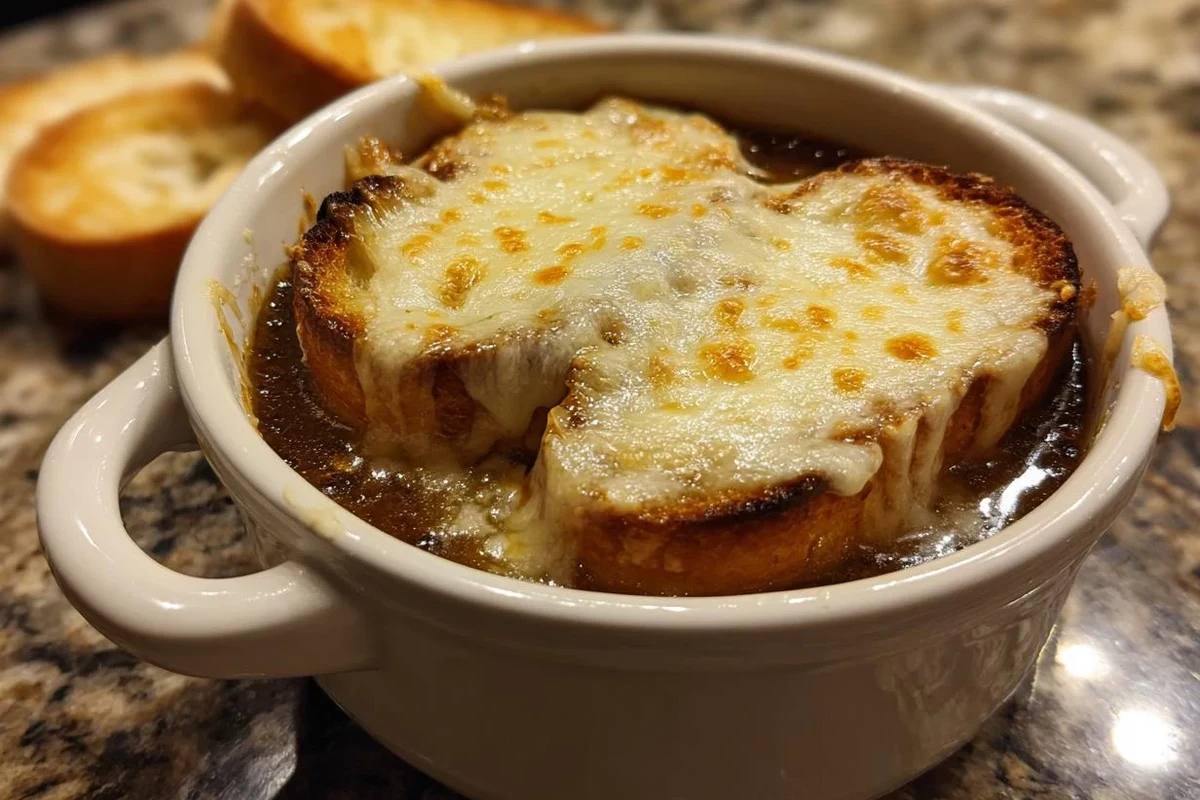
Selecting the Right Onions: The Foundation of Flavor
Yellow onions are the gold standard for soupe à l’oignon because they offer the perfect balance of sweetness and sharp sulfurous depth. While sweet onions like Vidalia can be used, they often lack the punch required to stand up to the beef stock. Always aim for firm, dry onions with papery skins.
The Role of Beef Broth and Deglazing
A high-quality beef stock is non-negotiable for an authentic flavor profile. The depth of the soup comes from “deglazing” the pot after the onions have caramelized. By adding a splash of dry white wine or dry vermouth, you lift the browned bits (fond) from the bottom of the pan, incorporating that intense flavor back into the liquid.
Choosing the Perfect Cheese and Bread for the Gratinée
For the topping, traditionalists rely on Gruyère, a Swiss cheese known for its nutty flavor and excellent melting capabilities. Comté is another superb, authentic choice. The bread should be a sturdy, crusty baguette sliced into thick rounds. Avoid soft, airy breads that will disintegrate too quickly under the weight of the cheese. what is french onion soup in french
Mastering the Technique: The Art of Caramelization
The Science of Maillard Reaction in Onions
Caramelization is not just about browning; it is a chemical process known as the Maillard reaction. As you cook the onions over low heat, the amino acids and reducing sugars interact to create hundreds of different flavor compounds. This is why you cannot rush this stage—if the heat is too high, the sugars will burn, resulting in bitterness rather than the desired savory sweetness.
Cooking How-To: Step-by-Step Preparation
Common Mistakes to Avoid During the Sauté
- Use a heavy-bottomed pot for even heat distribution.
- Stir occasionally to prevent sticking.
- Adding sugar to “speed up” browning; it creates a fake sweetness.
- Crowding the pan, which causes the onions to steam rather than caramelize.
Real-Kitchen Benefits: Why This Soup Is a Home Cooking Essential
French onion soup is an ideal dish for home cooks in 2026 because it is incredibly budget-friendly and relies on pantry staples. It also allows for “batch cooking”—the flavor actually improves after sitting in the refrigerator for a day or two. Just as you might monitor the maintenance on a car to keep it running smoothly, proper attention to your soup base ensures a consistently high-quality result every time you serve it.
Equipment Guide: Pots, Bowls, and Broilers
Choosing the Right Heavy-Bottomed Pot
A Dutch oven or a heavy-gauge stainless steel pot is essential. The thickness of the material prevents hot spots that could burn the onions during the long caramelization process, which can take up to 45 minutes or more.
Why Oven-Safe Crocks Are Necessary for the Final Melt
Since the final step requires a high-heat broiler, you must use oven-safe ceramic crocks or bowls. Never attempt this in standard glass or thin ceramic bowls, as they may shatter under the direct heat of the broiler. Always check your cookware for the manufacturer’s “oven-safe” rating before use. what is french onion soup in french
Safety, Storage, and Reheating Best Practices
Proper Storage: Maximizing Shelf Life and Flavor
Store the soup base without the bread and cheese. In an airtight container, the soup will keep well in the refrigerator for up to four days. Freezing is also an excellent option; the base can be frozen for up to three months without losing significant quality.
Reheating Techniques to Maintain Texture
Reheat the soup base on the stovetop until simmering. Wait to toast your bread and melt the cheese until you are ready to serve. Adding the bread too early will cause it to sog, ruining the texture contrast that makes the dish special.
Ingredient Substitutions and Dietary Adjustments
Vegetarian and Gluten-Free Alternatives
For a vegetarian version, swap the beef stock for a rich, dark vegetable stock or a mushroom-based broth. If you are gluten-free, use high-quality gluten-free baguette slices to maintain that essential crunch.
Ingredient Swaps for When You Lack French Pantry Staples
If you don’t have Gruyère, a mix of Emmental and a little bit of sharp white cheddar can provide a similar flavor profile. If you have no wine for deglazing, a teaspoon of balsamic vinegar added to the broth can mimic the acidity and depth usually provided by the wine.
- Focus on low-and-slow caramelization for the best flavor.
- Always use oven-safe bowls for the broiling step.
- Keep the bread and cheese separate until the final serving moment to ensure texture.
Frequently Asked Questions
The French name for the dish is soupe à l’oignon, or more specifically, soupe à l’oignon gratinée when served with the traditional crusty bread and melted cheese topping.
Yes, the soup base can be made up to four days in advance and kept in the refrigerator. For the best texture, wait to add the bread and cheese until just before you are ready to broil and serve.
Gruyère is the traditional choice because of its nutty flavor and superior melting qualities. Comté or a high-quality Swiss cheese are also excellent alternatives.
Bitterness usually occurs if the onions were cooked over heat that was too high, causing them to burn rather than caramelize. Patience is key; keep the heat low and stir often.
Yes, the soup base freezes very well for up to three months. Simply thaw it in the refrigerator overnight and reheat it on the stovetop before adding fresh bread and cheese.
Ensure the crock is explicitly labeled as oven-safe and broiler-safe. Ceramic or stoneware designed for high heat is ideal for withstanding the intense temperature of a broiler.