Best Soup Cups With Lids (2026): Leakproof & Microwave Safe

Black eyed pea and collard green soup is a soulful, nutrient-dense dish that brings together earthy legumes and tender, leafy greens in a rich, savory broth. This Belizean-inspired staple is a comforting meal perfect for any home cook looking to master a classic, slow-simmered stew that highlights simple, whole-food ingredients.
- Flavor Base: Start with a high-quality sofrito of onions, garlic, and peppers for maximum depth.
- Texture Balance: Add collard greens in the final 30 minutes of cooking to keep them tender.
- Legume Prep: Soaking dry peas overnight ensures a creamy, consistent texture in your finished soup.
- Safety First: Store leftovers in the refrigerator within two hours of cooking and consume within four.
What is Belizean-Style Black Eyed Pea and Collard Green Soup?
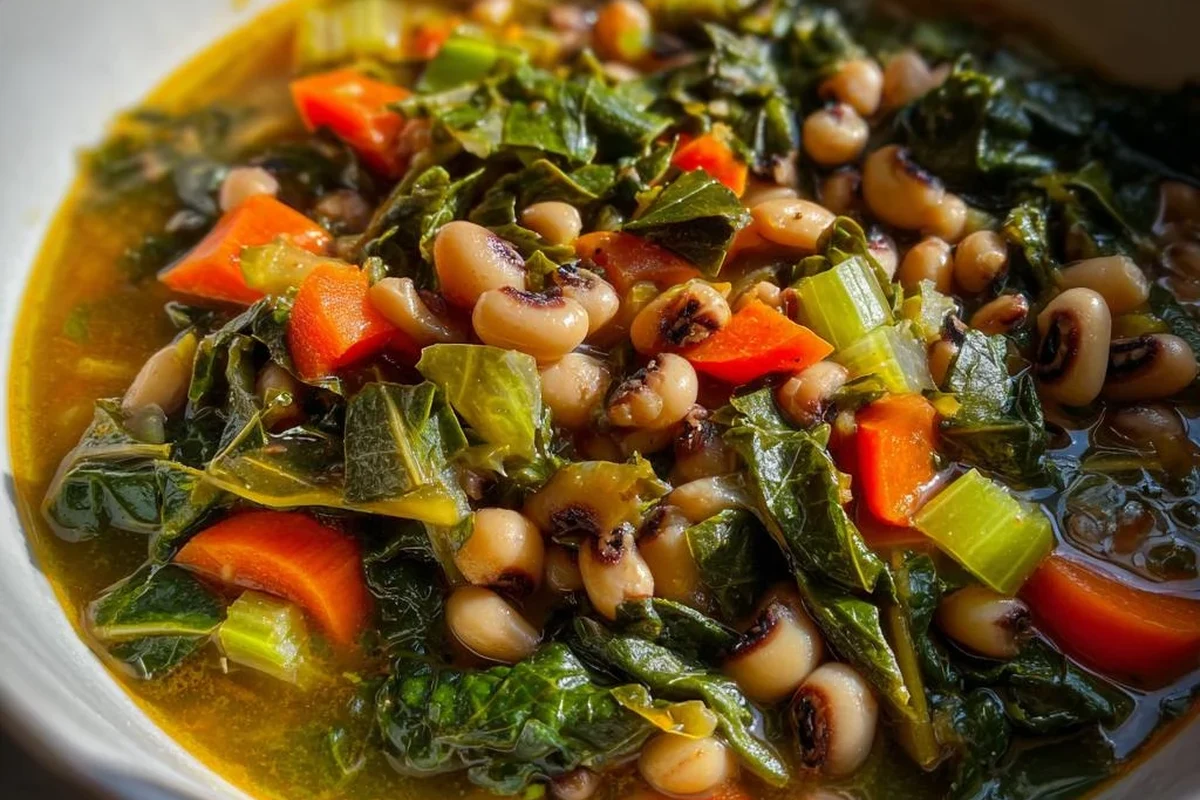
In Belizean kitchens, soups and stews often serve as the heart of the meal, emphasizing long-simmered flavors and locally available produce. This specific combination pairs the creamy, nutty texture of black-eyed peas with the slightly bitter, robust profile of fresh collard greens. Unlike some regional variations that focus strictly on meat, the Belizean approach often prioritizes the layering of aromatics like garlic, onion, and bell pepper, creating a robust base that allows the vegetables to shine. soup Packets for Quick and Easy Meals
Why This Combination is a Nutritional Powerhouse
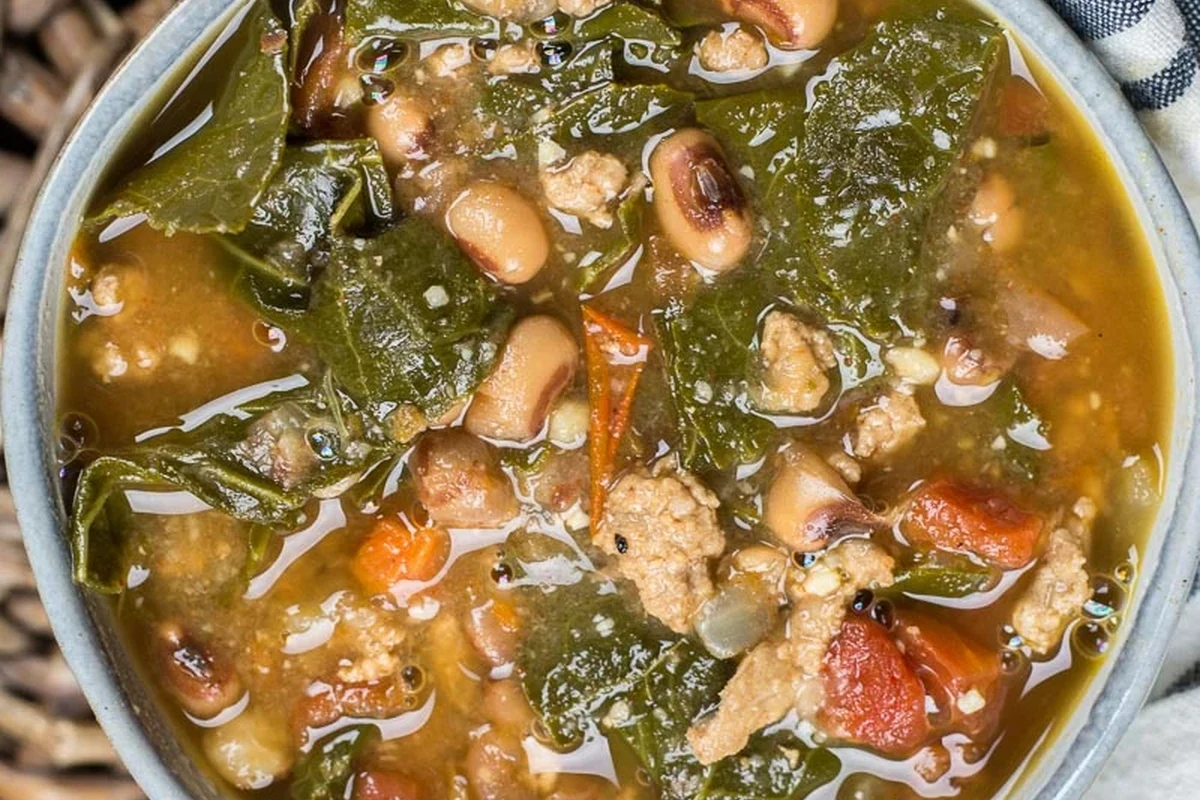
This dish is a classic example of balancing plant-based proteins with fiber-rich greens. Black-eyed peas are a traditional source of plant protein and complex carbohydrates, while collard greens provide essential vitamins and minerals. When cooked together, the peas release starch into the broth, thickening the soup naturally without the need for heavy creams or flour-based thickeners, making it a naturally hearty choice for your 2026 meal rotation.
Essential Ingredients for an Authentic Pot
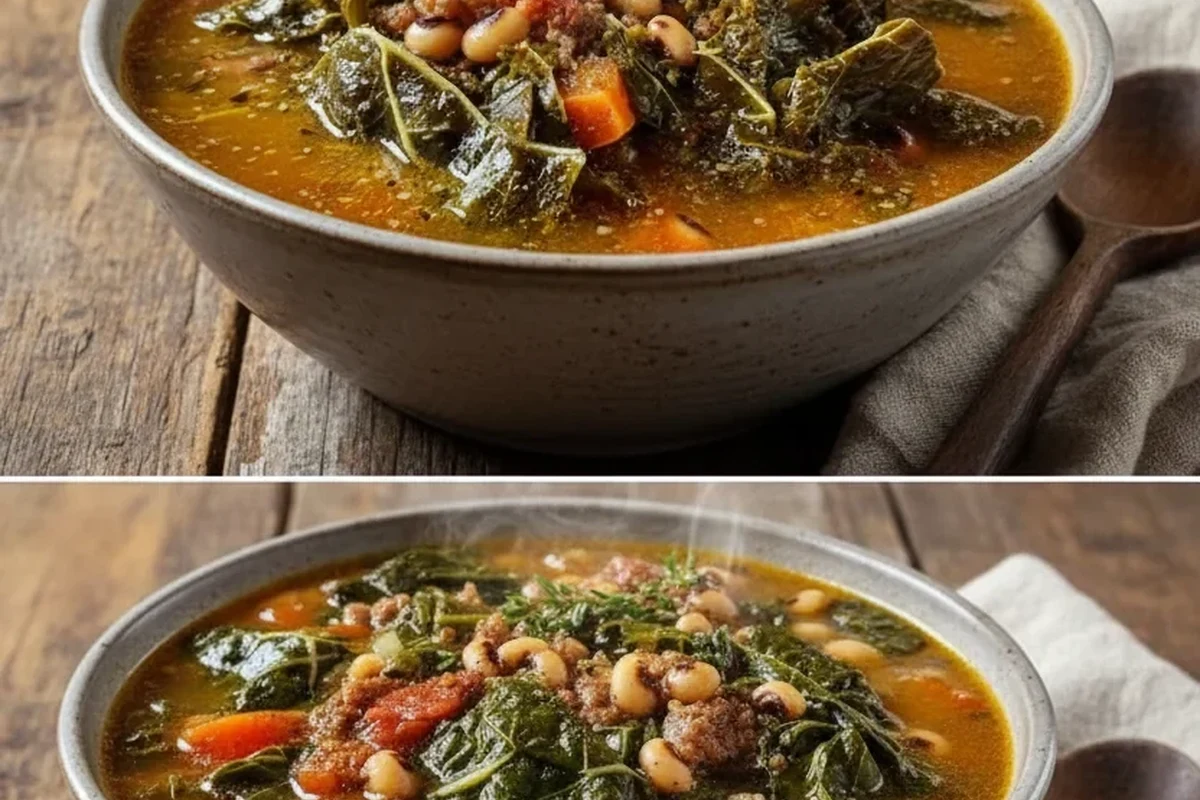
Selecting the Best Black Eyed Peas: Dry vs. Canned
Choosing between dry and canned peas depends on your time constraints. Dry peas require soaking but offer a superior, creamy texture and a more authentic, earthy flavor. Canned peas are convenient for quick weeknight meals, though they tend to be softer and saltier. If using canned, be sure to rinse them thoroughly under cold water to remove excess sodium.
Choosing and Preparing Fresh Collard Greens
Look for bright green, crisp leaves with no signs of yellowing or wilting. To prepare them properly, wash the leaves several times in cold water to remove any grit or soil. The thick stems should be removed and can be diced finely to add to the soup early, as they require longer cooking time than the delicate leaf blades.
The Belizean Flavor Foundation: Aromatics and Spices
The “sofrito” base is the secret to a great Belizean soup. Start with a foundation of diced onions, bell peppers, and plenty of minced garlic. Many traditional versions incorporate a hint of heat from fresh peppers and a touch of earthiness from black pepper or thyme, allowing the natural sweetness of the peas to balance the savory aromatics.
Step-by-Step Cooking Technique: Building Deep Flavor
Common Mistakes and How to Avoid Them
- Add greens in stages, starting with stems.
- Taste for seasoning only at the very end.
- Keep the pot at a low, steady simmer.
- Overcrowding the pot with too many greens.
- Adding salt too early, which can toughen the peas.
- Boiling the soup vigorously, which breaks the peas.
Food Safety, Handling, and Storage Guidelines
When reheating, bring the soup to a gentle simmer on the stovetop rather than a rapid boil. This helps maintain the texture of the collard greens. If you choose to freeze the soup, leave a small amount of headspace in the container to allow for expansion, and consume within three months for the best quality. USDA Food Safety and Inspection Service
Ingredient Substitutions and Customizations
Final Thoughts: Why This Soup Belongs in Your 2026 Kitchen Rotation
Black eyed pea and collard green soup is more than just a recipe; it is a reliable, comforting method for preparing plant-forward meals. By mastering the balance of the initial aromatic sauté and the timing of the green additions, you create a dish that is both sophisticated in flavor and simple in execution. Whether you are meal-prepping for a busy week or looking for a wholesome dinner, this soup stands as a testament to the power of combining humble, fresh ingredients into a nourishing bowl.
Frequently Asked Questions
Yes, canned black-eyed peas can be used for convenience. Just be sure to rinse them well to remove excess salt before adding them to your soup.
The greens are done when they are tender but still retain a vibrant green color. They should not be mushy or gray.
Yes, this soup freezes very well. Store it in airtight containers for up to three months for the best flavor and texture.
Wash the leaves thoroughly in multiple changes of cold water to remove any grit or soil hidden in the crevices of the leaves.
Soaking helps ensure even cooking and better digestibility. While you can cook them without soaking, the texture may be less consistent.
Avoid boiling the soup on high heat. Keep the pot at a low, steady simmer and check the tenderness of the peas frequently toward the end of the cooking time.