How Long to Grill Chicken Breast on Charcoal Grill (Time & Temp Guide)

Grill chicken breast over charcoal by using a two-zone fire setup to sear the surface and finish with indirect heat. This technique ensures a smoky flavor while keeping the meat juicy and preventing it from drying out.
Grilling chicken breast with charcoal requires a balance of high-heat searing and gentle indirect cooking to ensure the meat stays succulent rather than dry. By mastering heat zones and proper preparation, you can achieve a smoky, professional-grade finish in your own backyard.
- Heat Control: Always use a two-zone fire setup to manage direct and indirect heat.
- Moisture Prep: Brining your chicken breast for 30 minutes significantly improves tenderness.
- Safety First: Use a meat thermometer to ensure the internal temperature reaches 165°F.
- The Rest: Let the chicken rest for at least 5-10 minutes before slicing to retain juices.
Mastering the Flame: Why Charcoal is the Gold Standard for Chicken Breast
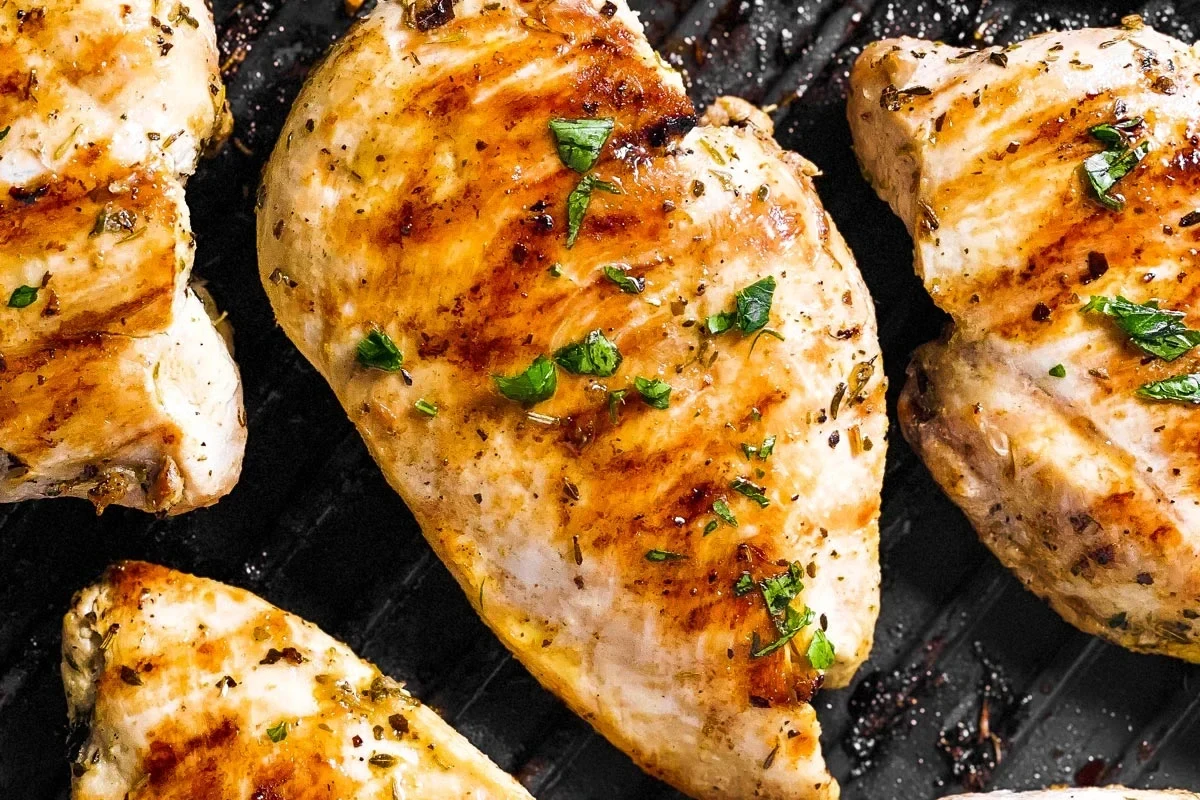
There is a distinct culinary difference between gas and charcoal when it comes to poultry. Charcoal provides an authentic, wood-fired aroma that penetrates the chicken breast, creating a flavor profile that is nearly impossible to replicate with gas burners. As 2026 home cooking trends continue to favor back-to-basics techniques, the charcoal grill remains the preferred tool for enthusiasts looking to elevate simple proteins.
While many of our readers enjoy the convenience of a Ninja Woodfire Grill chicken breast recipe, traditional charcoal grilling offers a unique depth of flavor that complements our Belizean BBQ chicken recipe perfectly.
Understanding the Science: Why Charcoal Beats Gas for Poultry
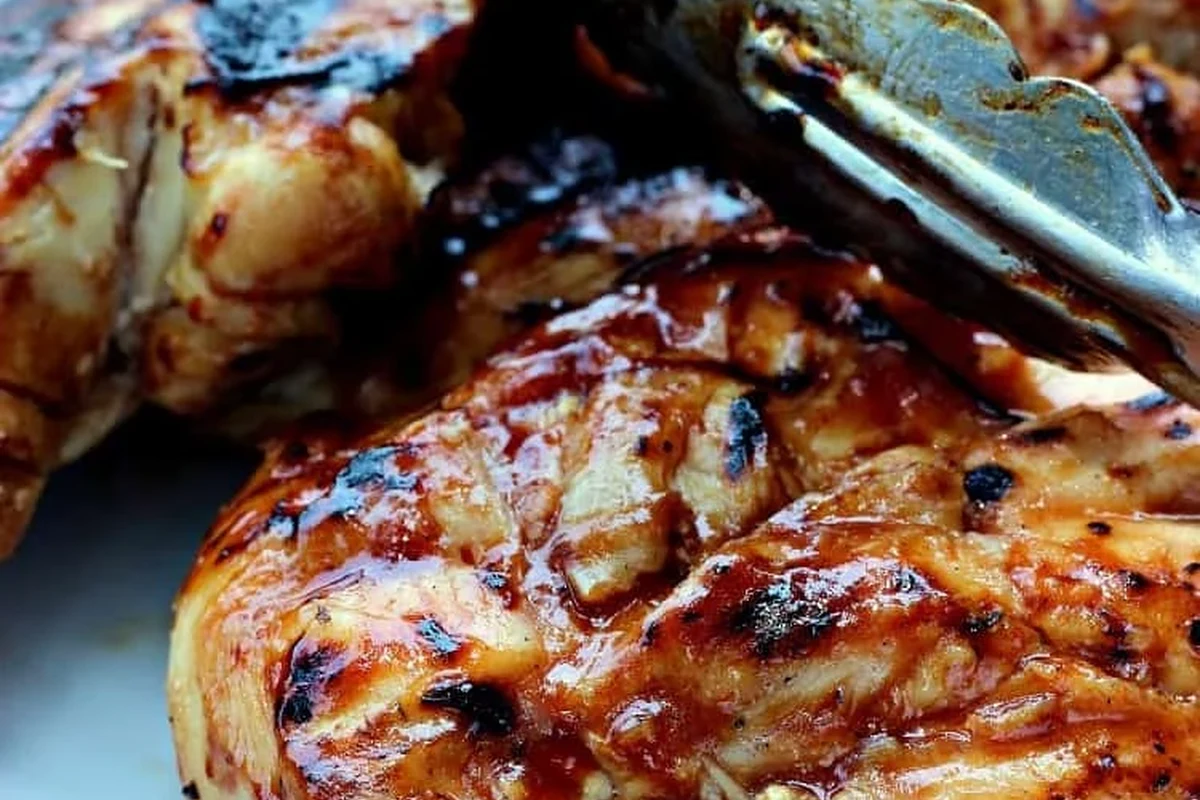
Charcoal grilling involves radiant heat from glowing embers, which creates a dry, intense heat environment ideal for browning. Unlike gas, which produces more water vapor during combustion, charcoal heat is “drier,” helping to develop a superior crust on the surface of the chicken breast. This crust acts as a barrier, trapping the internal juices while the smoke imparts a complex, savory character.
Essential Gear: Choosing Your Charcoal and Grill Setup
Lump Charcoal vs. Briquettes: The Flavor Factor
Lump charcoal is made from natural wood chunks, providing a hotter, cleaner burn with a more pronounced smoky flavor. Briquettes are uniform in size and offer a consistent, long-lasting burn, making them ideal for beginners who need to maintain steady heat over a longer period. For chicken breasts, which cook relatively quickly, lump charcoal is often preferred for its intense searing power.
The Importance of a Two-Zone Fire Setup
The secret to successful chicken breast grilling is the two-zone fire. By piling your coals on one side of the grill and leaving the other side empty, you create a “hot zone” for searing and a “cool zone” for finishing. This prevents the exterior from burning before the center of the breast is cooked through.
A chimney starter lights charcoal fast with no lighter fluid taste — see top-rated charcoal chimney starters here.
The BelizeanRecipe Signature Charcoal-Grilled Chicken Breast Guide
Ingredients and Flavor Profiles for the Perfect Marinade
Chicken breast is a lean protein, meaning it benefits significantly from an acidic marinade. Ingredients like lime juice, garlic, onion, and local spices work well to tenderize the fibers. Avoid marinating for more than four hours, as the acid can begin to break down the protein too much, resulting in a mushy texture.
The Preparation Process: Brining and Trimming for Moisture
Before hitting the grill, ensure your chicken breasts are uniform in thickness. Use a meat mallet to pound the thicker ends, ensuring even cooking. A quick brine—soaking the chicken in a saltwater solution for 30 minutes—is a pro-level step to ensure the meat remains moist during the high-heat cooking process.
Always pat the chicken dry with paper towels after removing it from the marinade. Excess moisture on the surface will cause the chicken to steam rather than sear, hindering the development of those beautiful grill marks.
Step-by-Step Technique: How to Grill Chicken Breast Without Drying It Out
Managing Heat Zones to Prevent Flare-Ups
Flare-ups occur when fat drips onto the hot coals. Keep a spray bottle of water nearby to manage minor flames. If a flare-up becomes uncontrollable, move the chicken to the cool zone immediately until the fire subsides.
Determining Doneness: The Internal Temperature Rule
According to the USDA, chicken must be cooked to an internal temperature of 165°F (74°C) to be safe for consumption. Always verify this with a calibrated meat thermometer inserted into the thickest part of the breast.
Common Mistakes and How to Avoid Them
The most common mistake is impatience. Many cooks try to flip the chicken too early, which causes it to stick to the grates. Wait until the meat releases naturally from the grill before attempting to turn it. Additionally, if you are looking for other ways to prepare poultry, you might enjoy exploring our Belizean curry chicken recipe for a different flavor experience.
Why Resting Your Chicken is Non-Negotiable
Once removed from the grill, let the chicken breast rest on a cutting board for at least 5 to 10 minutes. This allows the juices, which have migrated to the center during cooking, to redistribute throughout the meat, ensuring every bite is tender.
Food Safety and Storage Best Practices
Safe Handling and Cross-Contamination Prevention
Always use dedicated tongs for raw meat and a separate, clean set for handling the cooked product. Never place cooked chicken back on the same plate that held the raw, marinated pieces.
Proper Storage and Reheating Methods for Leftovers
Leftover grilled chicken can be stored in an airtight container in the refrigerator for up to 3 to 4 days. When reheating, use gentle heat, such as a microwave on low power or a splash of water in a skillet, to prevent the breast from becoming rubbery.
Final Verdict: Elevating Your Backyard BBQ Game
Grilling chicken breast with charcoal is a skill that rewards patience and attention to detail. By utilizing a two-zone fire, properly prepping your protein, and respecting the internal temperature, you can master the art of the smoky, juicy chicken breast. It is a timeless, reliable method that remains a staple of outdoor cooking in 2026 and beyond. Prefer gas-free convenience? Try juicy chicken breast on the Ninja Woodfire Grill.
Common Questions
You want medium-high heat, which typically means you can hold your hand over the coals for about 4–5 seconds before needing to pull it away.
Yes, closing the lid is essential when moving the chicken to the indirect heat zone to ensure even cooking throughout the breast.
Absolutely, adding soaked wood chips to your charcoal can enhance the smoky flavor profile of the chicken.
Trim excess fat from the chicken breasts before grilling and keep a spray bottle of water nearby to handle any sudden flames.
Both methods are safe, but charcoal grilling allows for a distinct flavor that often requires less reliance on heavy sauces or seasonings.
Frequently Asked Questions
Typically, chicken breast takes about 10-15 minutes total. Sear for 2-3 minutes per side over direct heat, then finish over indirect heat until it reaches 165°F.
A 30-minute brine is highly recommended. It helps the meat retain moisture during the high-heat cooking process.
Ensure your grill grates are clean and well-oiled. Most importantly, don’t force the flip; the chicken will release naturally once a crust has formed.
Never use the marinade that raw chicken sat in as a sauce unless it has been boiled vigorously for several minutes to kill bacteria.
The two-zone method is key. By using indirect heat to finish the cooking, you avoid over-searing and drying out the exterior of the breast.
The charcoal is ready when it is covered in a light gray ash. This indicates that the coals are at an even, consistent temperature for cooking.