Best Spices for Chicken

The best spices for chicken are a blend of savory foundations like garlic and onion powder, complemented by aromatic herbs like thyme and spices such as smoked paprika. Using a balanced rub creates a flavorful crust that enhances the natural moisture of the poultry.
Chicken is the ultimate culinary canvas, but its mild flavor profile requires the right selection of spices to transform it from a basic staple into a memorable meal. Finding the perfect balance of aromatics, heat, and depth is the key to elevating your poultry game in any kitchen.
- Foundational Spices: Always start with garlic and onion powder for a savory base.
- Flavor Depth: Use smoked paprika or cumin to add complexity and color to roasted chicken.
- Preparation: Pat the chicken dry before applying any rub to ensure maximum adhesion and crispiness.
- Safety: Use a meat thermometer to ensure chicken reaches 165°F (74°C) regardless of the spices.
The Ultimate Guide to the Best Spices for Chicken: Elevating Your Poultry Game
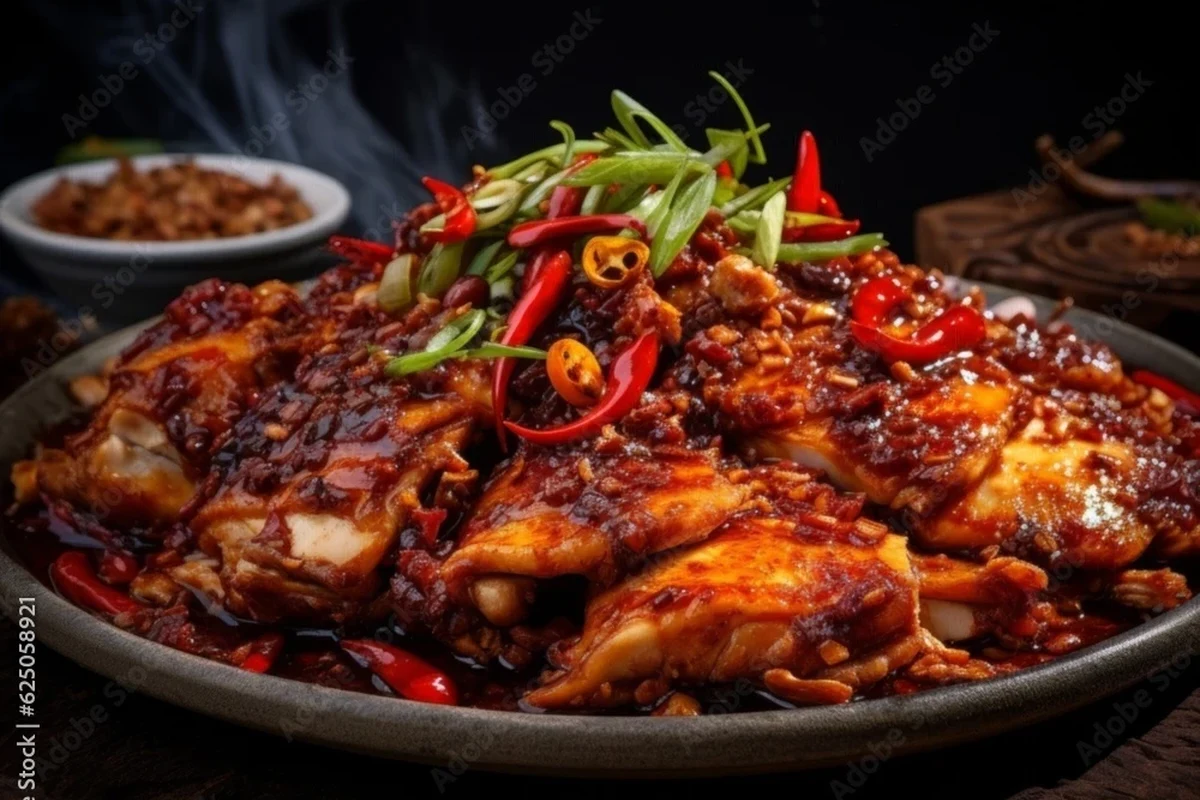
Whether you are preparing a quick weeknight dinner or a slow-roasted feast, the spices you choose dictate the soul of your dish. At BelizeanRecipe, we believe that understanding your pantry is just as important as the quality of the meat itself. By mastering the synergy between herbs and spices, you can consistently achieve professional-level results at home.
What Makes a Spice Blend “The Best” for Chicken?
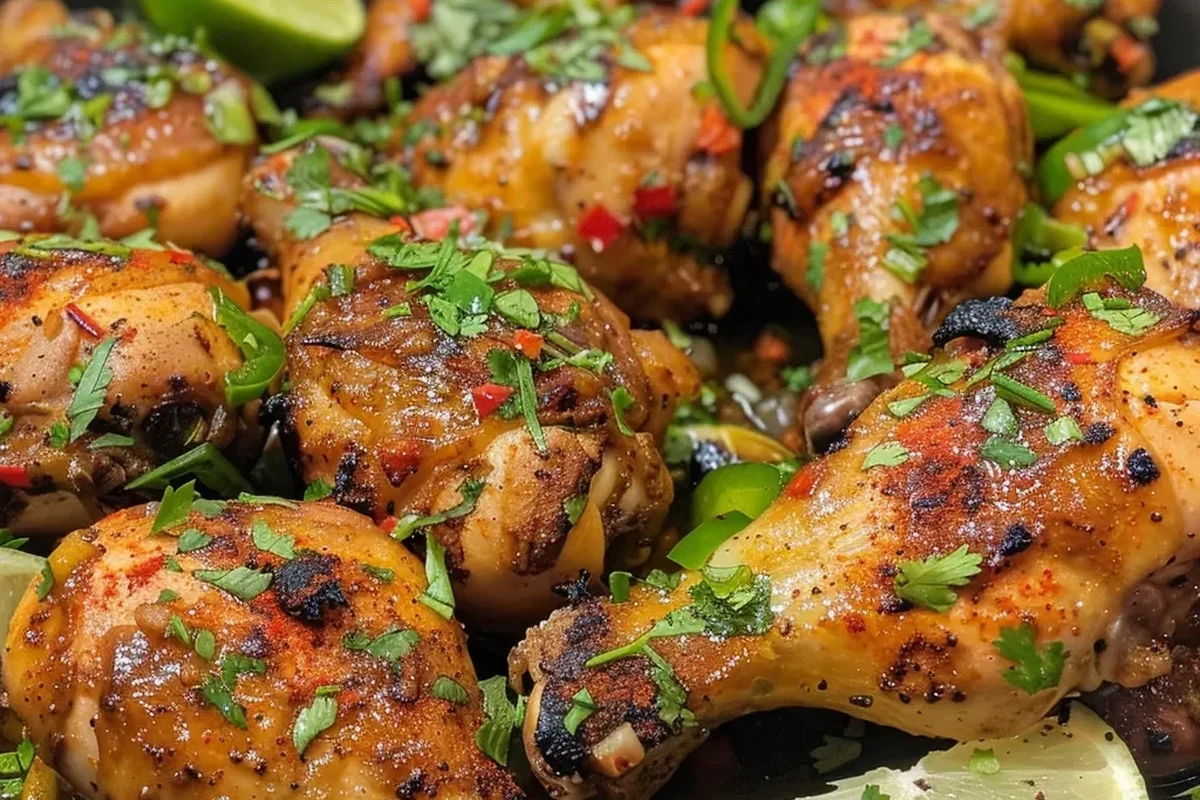
Understanding Flavor Profiles: Why Chicken is the Perfect Canvas
Chicken has a neutral, lean profile that absorbs surrounding flavors readily. This makes it incredibly versatile, but it also means it can easily become bland if under-seasoned. The “best” blend is one that complements the natural juiciness of the bird without masking its inherent savoriness. Think of spices as the bridge between the texture of the meat and the profile of your side dishes.
The Essential Spice Hierarchy: From Base Notes to High-Impact Aromatics
A balanced rub functions like a musical composition. You need base notes (salt, garlic, onion) that provide a savory foundation. You need mid-tones (thyme, oregano, cumin) that add herbal or earthy depth. Finally, you need high-impact aromatics (cayenne, smoked paprika, citrus zest) that provide the “pop” or brightness that makes the first bite exciting.
The Top 5 Must-Have Spices for Every Belizean Kitchen
- Smoked Paprika: Provides a deep, wood-fired color and flavor.
- Garlic & Onion Powder: The non-negotiable savory bedrock.
- Cumin & Coriander: Adds the earthy, citrusy warmth found in many Caribbean dishes.
- Dried Thyme & Oregano: The classic herbal backbone for poultry.
- Cayenne: The primary tool for heat control.
Smoked Paprika: The Secret to That Roasted Depth
Smoked paprika is a transformative ingredient. It provides a beautiful crimson hue and a subtle, campfire-like aroma that mimics the effect of a long smoke without the need for a dedicated smoker. It is particularly effective for oven-roasted chicken or when preparing Belizean BBQ chicken.
Garlic and Onion Powder: The Undisputed Foundation
While fresh aromatics are wonderful, powders are essential for dry rubs. They adhere to the surface of the chicken, creating a savory “crust” that intensifies as it cooks. Always ensure your powders are fresh, as these are the most frequently used items in the cabinet.
Cumin and Coriander: Adding Earthy Complexity
Cumin offers a deep, nutty earthiness, while coriander provides a slightly floral, citrusy contrast. Together, they create a Mediterranean and Caribbean profile that pairs exceptionally well with chicken skin, helping to cut through the fat and add complexity.
Dried Thyme and Oregano: The Essential Herb Duo
Dried herbs are more concentrated than fresh ones, making them perfect for spice blends. Thyme offers a subtle, lemony floral note, while oregano provides a robust, peppery bite. These are the gold standard for roasting.
Cayenne and Chili Flakes: Balancing Heat and Flavor
Heat should enhance, not overpower. Using cayenne allows you to control the “warmth” of the dish precisely. If you find your chicken lacking character, a small pinch of high-quality chili flake can wake up the entire palate.
How to Build Your Own Signature Chicken Rub
The Ratio Method: Balancing Salt, Sweet, and Heat
A reliable starting point for any homemade rub is the 4-2-1 ratio: 4 parts salt, 2 parts sugar (brown sugar works best for caramelization), and 1 part spice blend. From here, you can adjust the heat by adding cayenne or the earthiness by increasing the cumin.
Techniques for Maximum Adhesion: Dry Rubs vs. Marinade Pastes
For a crispy skin, a dry rub applied to a patted-dry bird is superior. If you are looking for deep penetration, consider a paste. Mixing your spices with a small amount of oil or lime juice creates a slurry that coats the meat more effectively than dry powder alone, especially when prepping Belizean chicken tacos.
Always pat your chicken dry with a paper towel before applying a dry rub. Moisture on the skin prevents spices from adhering and creates steam, which keeps your skin from getting crispy.
The Belizean Approach: Infusing Caribbean Flavors into Your Chicken
Recado Rojo: The Staple Achiote Blend
No discussion of Belizean spices is complete without mentioning Recado Rojo (Achiote paste). Made from annatto seeds, garlic, cumin, and cloves, this paste gives chicken a vibrant red color and a distinct, earthy flavor. It is the heart of traditional roasted or stewed poultry dishes in our region.
Allspice and Cloves: Introducing Tropical Warmth
In the Caribbean, we often use “warm” spices like allspice and cloves in savory applications. A tiny amount of ground allspice adds a tropical, aromatic note that pairs beautifully with the natural sweetness of roasted chicken.
Common Mistakes When Seasoning Chicken
The Over-Salting Trap: Knowing When to Stop
Salt draws out moisture. If you salt too early and in too high a volume, you risk dehydrating the meat before it even hits the heat. Use kosher salt for better control over the grain size, and remember that you can always add more at the table, but you cannot remove it once it has penetrated the meat.
The Burning Point: Why Some Spices Should Wait Until the End
Finely ground herbs and dried aromatics can burn quickly at high temperatures, turning bitter. If you are searing chicken over high heat, apply delicate herbs toward the end of the cooking process or mix them into a basting butter.
Improper Storage: How to Keep Your Spice Rack Potent
Spices are sensitive to light, heat, and moisture. Storing your collection in a cool, dark cupboard is essential. If your spices have lost their aroma, they will not add depth to your chicken. A simple test: rub a small amount between your fingers; if you cannot smell it strongly, it is time to replace it.
Always ensure your chicken reaches a safe internal temperature of 165°F (74°C). Use a meat thermometer to verify, rather than relying on color or timing alone.
Pro Tips for Safe Handling and Flavor Infusion
The Science of Dry Brining for Moisture Retention
Dry brining involves salting the chicken and letting it sit in the refrigerator for 4 to 24 hours. This allows the salt to dissolve and be reabsorbed into the muscle fibers, resulting in a juicier, more flavorful bird. This is often the difference between “good” and “restaurant-quality” results when preparing dishes like Ninja Woodfire Grill chicken breast.
Recognizing Freshness: When to Toss Your Old Spices
Most ground spices have a shelf life of about 6 to 12 months. Whole spices last longer, up to 2 years. If your spice rack looks like an archaeological dig, it is time to refresh your supply to ensure your cooking remains vibrant and flavorful.
Troubleshooting Flavor Issues: Rescuing Bland or Over-Seasoned Poultry
If your chicken tastes bland, a finishing salt or a squeeze of fresh lime juice can provide an immediate lift. If you have used too much heat, a dollop of yogurt-based sauce or a drizzle of honey can help neutralize the intensity. Remember that balance is a journey, and even the most seasoned cooks occasionally need to adjust their flavors mid-prep.
Final Recommendations: Curating Your Personal Spice Collection
The best spice collection is one you actually use. Start by mastering the five essentials mentioned above, then slowly introduce regional flavors like Achiote or allspice to expand your repertoire. By keeping your spices fresh and focusing on the balance between salt, heat, and aromatics, you will ensure that every chicken dish you prepare is a success.
Common Questions
The secret is removing all surface moisture with paper towels before applying your dry spice rub and seasoning.
Fresh garlic will burn quickly in a high-heat dry rub, so it is better to use powder for rubs or fresh garlic in a marinade or basting butter.
Incorporate spices like allspice, cloves, and achiote (Recado Rojo) to achieve that signature tropical warmth.
Bitterness often occurs if dried herbs or spices are burned during high-heat cooking; try adding delicate spices near the end of the process.
Dry brining is the process of salting the chicken and letting it rest in the fridge to draw out and reabsorb moisture, improving texture.
Frequently Asked Questions
For the best flavor penetration, leave the dry rub on for at least 30 minutes, or up to 24 hours in the refrigerator for a dry brine effect. Avoid leaving it too long if the rub contains high amounts of salt, as this can draw out too much moisture.
Fresh herbs contain too much moisture for a traditional dry rub and will not adhere well to the chicken skin. Dried herbs are much more concentrated and are the preferred choice for rubs and seasoning blends.
Store spices in airtight containers in a cool, dark, and dry place away from the stove. Heat and light are the primary enemies of spice potency and will cause them to lose flavor quickly.
The best test is the aroma test; rub a small amount of the spice between your fingers. If you cannot smell a strong, distinct scent, the spice has lost its potency and should be replaced.
It is best to include the salt in your rub mixture or apply it as part of a dry brine before the other spices. This ensures even distribution and allows the salt to work its way into the meat.
No, never reuse marinade that has been in contact with raw chicken unless you boil it thoroughly first. To be safe, always set aside a portion of the marinade before adding the chicken if you intend to use it as a sauce.