What Are Chicken Fingers

Chicken fingers are boneless strips of chicken breast that are breaded and cooked until crispy. They are a popular, versatile comfort food often served with various dipping sauces.
Chicken fingers are strips of boneless chicken breast, typically breaded or battered and then fried or baked until golden and crispy. As a staple of comfort food, they are prized for their versatility, kid-friendly appeal, and ability to pair perfectly with a wide array of dipping sauces.
- Cut Selection: Use breast meat or tenderloins for the best texture.
- Breading Science: Always use the flour-egg-crumb method for a secure, crunchy crust.
- Uniform Prep: Slice meat consistently to ensure even cooking times.
- Safety First: Confirm an internal temperature of 165°F to ensure food safety.
What Are Chicken Fingers? Defining the Ultimate Comfort Food
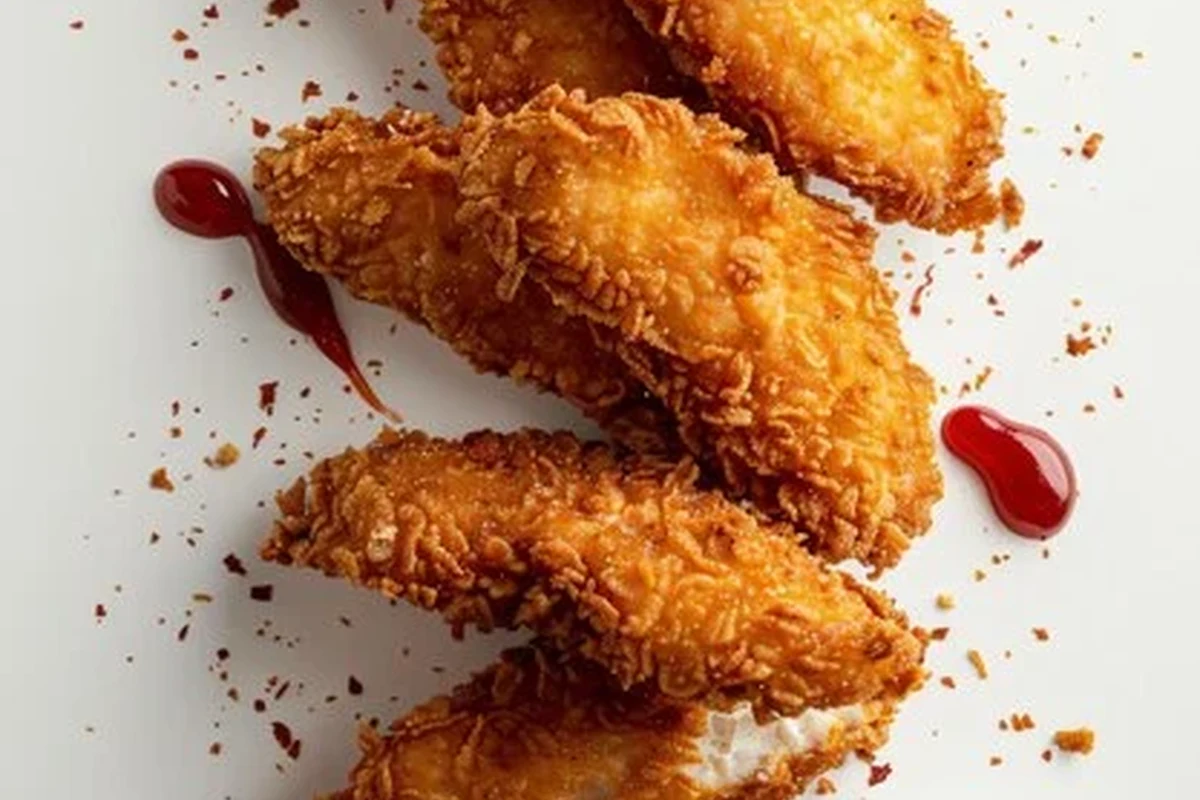
At their core, chicken fingers represent a simple culinary concept: bite-sized or strip-shaped pieces of poultry that are easy to handle and satisfying to eat. Unlike whole cuts of meat that require a knife and fork, chicken fingers are designed for convenience, making them a popular choice for appetizers, quick lunches, or casual dinners.
Understanding the Anatomy of a Chicken Finger
A true chicken finger is crafted from the chicken breast, specifically the pectoral muscle. This cut is lean, tender, and relatively mild in flavor, which acts as a blank canvas for seasonings and coatings. Because the breast meat is naturally low in fat, the preparation method—whether deep-frying or air-frying—is crucial to maintaining moisture while developing a crunchy exterior.
Chicken Fingers vs. Chicken Tenders vs. Nuggets: What’s the Difference?
While the terms are often used interchangeably, there are distinct differences in their composition. “Tenders” specifically refer to the pectoralis minor muscle, a small, naturally tender strip found just beneath the breast. “Fingers” are generally slices of the main breast meat cut into uniform strips. “Nuggets,” conversely, are often made from finely minced or processed chicken, which creates a uniform texture that differs significantly from the fibrous, natural grain of a hand-cut chicken finger.
When shopping or preparing, look for whole-muscle cuts rather than processed options to ensure the best texture. For those looking to incorporate more variety into their weekly routine, consider exploring meal prep ideas with chicken breast to maximize your grocery efficiency.
The Essential Ingredients for Authentic Chicken Fingers
Choosing the Best Cut: Why Tenderloins Reign Supreme
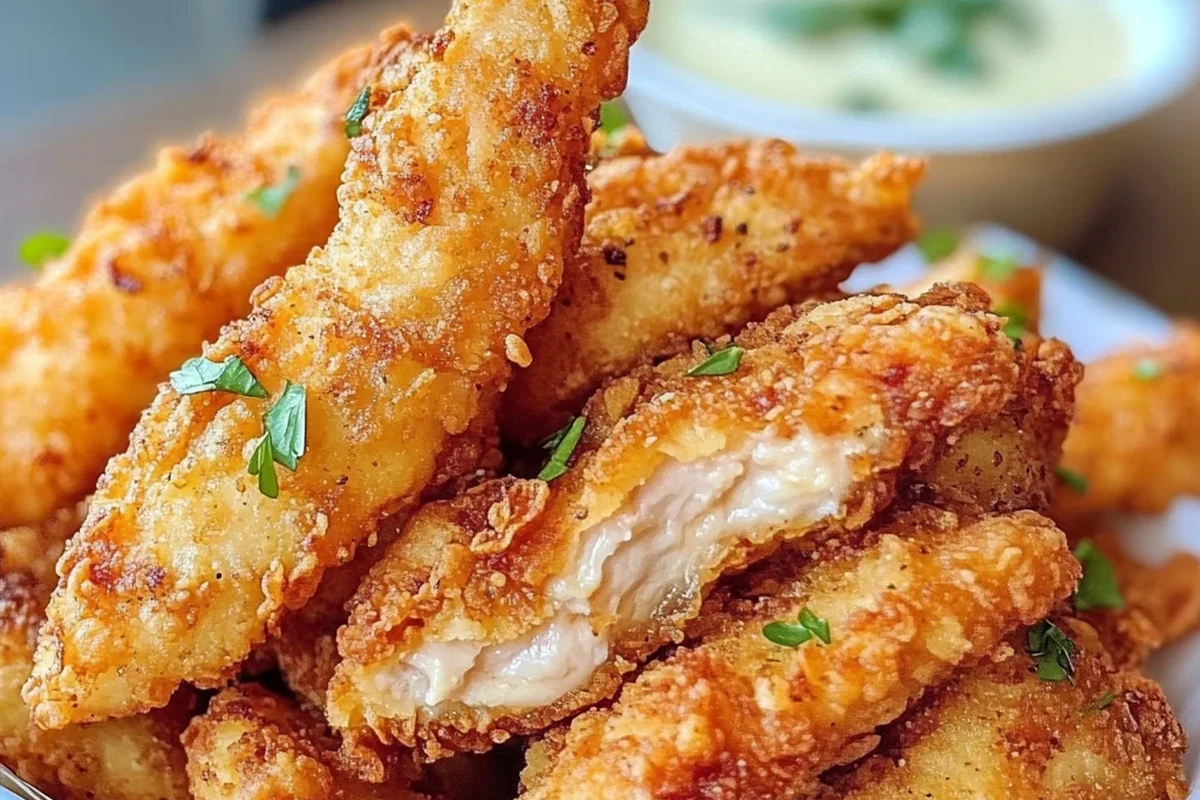
While you can slice a standard breast into strips, purchasing chicken tenderloins is often the most efficient route for home cooks. They are already portioned, requiring minimal trimming, and their natural shape is ideal for even frying. If you are working with a full chicken fillet breast, ensure you remove the tough white tendon that runs through the center for the most pleasant eating experience.
The Science of the Breading Station: Flour, Egg, and Crumb
The secret to a professional-grade crust lies in the three-step breading station. First, a light dusting of flour helps the egg wash adhere to the meat. The egg acts as a binder, while the final layer—typically panko breadcrumbs, traditional breadcrumbs, or cornmeal—provides the signature crunch. Using panko, in particular, results in a lighter, airier crust compared to finer, denser breadcrumbs.
Seasoning Profiles: Elevating the Flavor Profile
Because chicken breast is mild, seasoning the flour and the breadcrumb mixture is non-negotiable. Using the best spices for chicken, such as garlic powder, paprika, onion powder, and a touch of cayenne, ensures that the flavor permeates the entire crust rather than sitting only on the surface.
Mastering the Technique: How to Make Perfect Chicken Fingers at Home
The Prep: Ensuring Uniformity for Even Cooking
Uniformity is the enemy of uneven cooking. If your strips vary wildly in thickness, the smaller pieces will dry out before the thicker ones are cooked through. Take the time to slice your meat into consistent, one-inch wide strips to ensure they finish at the same time.
The Triple-Dip Method for Maximum Crunch
Cooking Methods: Deep Frying, Pan-Frying, and Air-Frying
Deep-frying remains the gold standard for texture, though pan-frying in a shallow layer of oil provides a similar result with less cleanup. Air-frying has become a popular modern alternative for 2026, offering a significantly lower fat content while still achieving a respectable crunch, provided you use a light spray of oil on the breading.
Common Mistakes and How to Avoid Them
- Pat the chicken dry before breading.
- Use a wire rack to rest breaded chicken before cooking.
- Use a digital thermometer to confirm doneness.
- Crowding the pan, which lowers oil temperature.
- Skipping the flour step, which leads to breading fall-off.
- Cooking straight from the refrigerator without letting it temper slightly.
Food Safety and Handling Guidelines
Raw poultry must be handled with care to prevent cross-contamination. Always wash hands, surfaces, and utensils thoroughly after contact with raw chicken. According to USDA guidelines, chicken must reach an internal temperature of 165°F (74°C) to be considered safe for consumption.
Reviving Your Chicken: Storage, Reheating, and Quality Maintenance
Leftover chicken fingers can lose their crispness quickly. To store them, place them in an airtight container in the refrigerator for up to three days. When reheating, avoid the microwave, as it will steam the crust and turn it soggy. Instead, place them in a preheated oven or air fryer at 375°F until they are heated through and the crust has regained its snap.
Final Verdict: Why Homemade Chicken Fingers Outperform Store-Bought
While store-bought frozen options offer convenience, they often rely on processed meat and heavy preservatives. Homemade chicken fingers allow you to control the quality of the meat, the freshness of the oil, and the balance of spices. By dedicating a small amount of time to the breading process, you gain a superior, healthier, and more flavorful meal that is difficult to replicate with mass-produced alternatives.
Common Questions
They are typically made from chicken breast or the smaller, naturally tender muscle known as the tenderloin.
No; fingers are hand-cut from whole breast meat, while nuggets are usually made from ground or processed chicken.
Pat the chicken dry before starting and avoid overcrowding the pan, which traps steam.
You can bread them in advance and store them in the fridge, but they are best cooked immediately before serving for maximum crunch.
Use a digital meat thermometer inserted into the thickest part of the strip to verify an internal temperature of 165°F.
Frequently Asked Questions
Technically, no. Chicken tenders come from the specific ‘pectoralis minor’ muscle, while chicken fingers are strips cut from the larger chicken breast.
Breading usually falls off because the chicken was damp before breading, or the flour layer was skipped. Ensure you pat the chicken dry and follow the full flour-egg-crumb sequence.
Avoid the microwave, which turns the crust soft. Use an oven or air fryer at 375°F until the coating is crispy again.
The only reliable way is using a digital meat thermometer. The internal temperature must reach at least 165°F (74°C).
Yes, baking is a great alternative. For best results, place them on a wire rack over a baking sheet to allow hot air to circulate underneath.
Cooked chicken should be stored in an airtight container and consumed within three to four days for the best quality and safety.