Best Spices for Chicken

The best spices for chicken include a foundational mix of garlic powder, smoked paprika, cumin, and dried oregano to enhance the bird’s natural flavor. For the best results, use fresh, high-quality spices and toast whole seeds before grinding to unlock their essential oils.
Selecting the right spices for chicken transforms a neutral protein into a vibrant, flavorful centerpiece. Whether you are aiming for the smoky depth found in a traditional Belizean BBQ chicken recipe or a bright, citrus-forward pan-sear, understanding how to pair aromatics is the secret to culinary success in 2026.
- Foundation: Start with essential aromatics like garlic and onion powder.
- Freshness: Grind your own whole spices to maximize essential oils.
- Technique: Apply rubs at least 30 minutes early for better penetration.
- Safety: Always reach an internal temperature of 165°F (74°C).
The Definitive Guide to the Best Spices for Chicken: Elevating Your Poultry Game in 2026
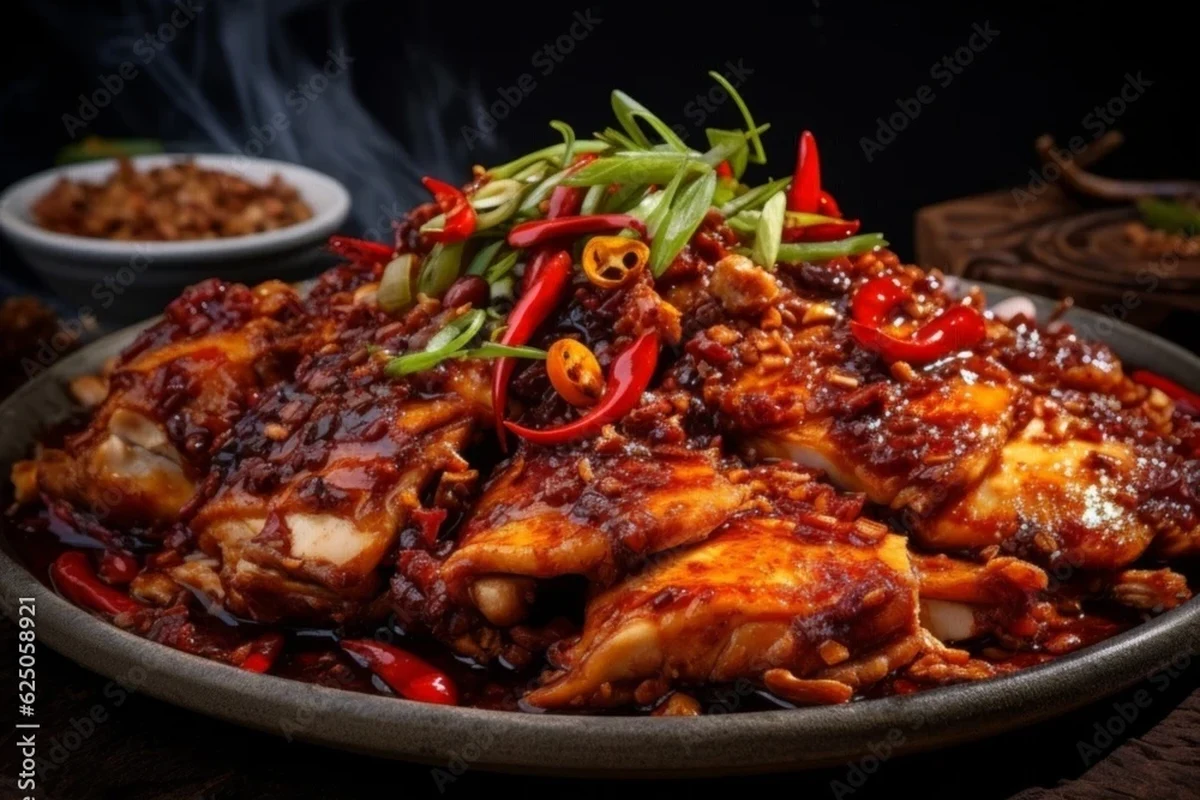
What Defines the “Best” Spices for Chicken?
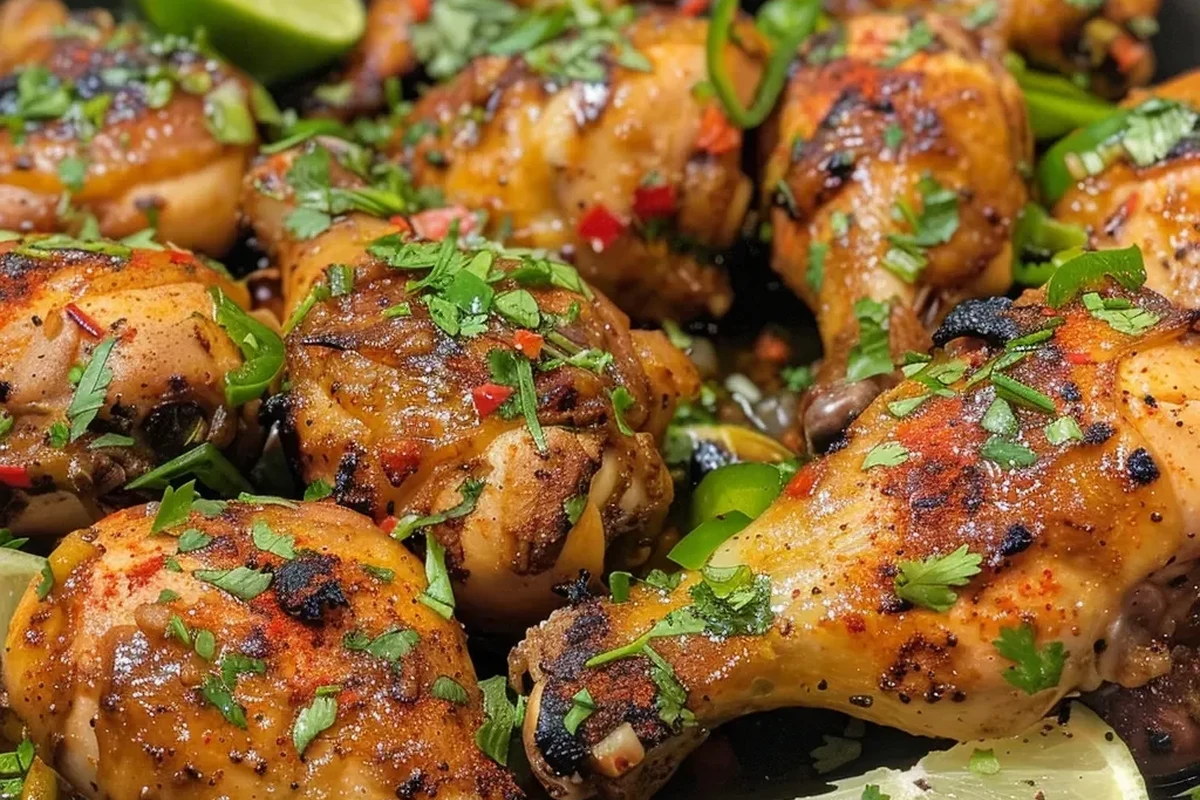
The “best” spice is ultimately one that complements the chicken’s natural, mild profile without masking it. Poultry acts as a culinary canvas, readily absorbing the oils and volatile compounds found in dried herbs and ground spices.
The Science of Flavor Pairing
Flavor pairing relies on bridge ingredients. Chicken contains subtle fatty notes that pair beautifully with earthy spices like cumin, coriander, and thyme. When you introduce heat—such as cayenne or black pepper—you create a contrast that cuts through the richness of the skin and meat.
Aromatic Foundations vs. Finishing Spices
It is helpful to categorize your pantry into foundations and finishers. Foundations, such as garlic powder, onion powder, and paprika, are best applied early to permeate the meat. Finishing spices, including flaky sea salt, sumac, or fresh-cracked Tellicherry peppercorns, provide a final pop of flavor and texture just before serving.
Why Quality Sourcing Matters for Belizean-Inspired Cooking
In Belizean-inspired cooking, the intensity of spices is paramount. Sourcing high-quality, whole spices that you grind yourself ensures that the essential oils are at their peak. When cooking complex dishes like chicken mulligatawny soup, the difference between stale, pre-ground spice and fresh, toasted, and ground spice is immediately noticeable in the depth of the broth.
Always toast your whole spices in a dry pan over low heat for 30–60 seconds until fragrant before grinding. This simple step releases oils that significantly enhance the final flavor profile.
Top-Tier Spice Profiles for Every Chicken Preparation
The Essential Dry Rubs for Grilling and Roasting
For high-heat methods, sugar-based rubs can burn, so lean toward savory profiles. A blend of smoked paprika, dried oregano, granulated garlic, and a touch of brown sugar creates a beautiful bark on roasted poultry. This profile works exceptionally well for whole chickens or bone-in pieces.
Aromatic Blends for Stews and Braises
When preparing long-simmered dishes, you want spices that soften and meld. Bay leaves, whole cloves, and allspice berries are staples in many Caribbean-inspired stews. These spices benefit from the liquid environment, slowly infusing the chicken with deep, warm notes.
Zesty and Bright Profiles for Pan-Searing
For quick cooking, look for spices that offer acidity or brightness. Lemon pepper, dried cilantro, or a touch of turmeric and ginger can elevate a simple breast or thigh. If you are preparing air fryer chicken thighs, these lighter profiles prevent the meat from feeling heavy.
Key Decision Criteria: Selecting Spices for Your Kitchen
Understanding Freshness and Shelf Life
Ground spices generally maintain their potency for six months, while whole spices can last up to two years. If your spice rack has been sitting for several years, it is likely time to refresh your supply to ensure your recipes have the intended impact.
Whole vs. Ground: When to Grind Your Own
Grinding your own spices is the single most effective way to improve your cooking. A simple electric spice grinder or a traditional mortar and pestle allows you to control the coarseness, which is essential for different applications—coarser for rubs, finer for soups.
Mastering the Application: Techniques for Maximum Flavor Penetration
The Art of the Dry Rub: Timing and Technique
For the best results, apply your rub at least 30 minutes before cooking. This allows the salt to draw moisture to the surface, dissolve the spices, and then reabsorb into the meat—a process known as dry brining.
Creating Flavor Bridges with Oils and Fats
Spices are fat-soluble. Mixing your spice blend with a high-quality oil—such as avocado or light olive oil—before applying it to the chicken helps the flavors adhere and ensures even browning.
Always wash your hands and sanitize surfaces thoroughly after handling raw chicken. Never reuse a spice rub container if you have dipped a spoon into it while touching raw meat; instead, set aside a small portion in a separate bowl before you begin.
Common Mistakes and Troubleshooting Flavor Profiles
Avoiding the “Burnt Spice” Syndrome
Dried herbs like parsley or cilantro burn quickly at high temperatures. If you are grilling or searing, add these delicate herbs toward the end of the cooking process rather than at the beginning.
Correcting Over-Seasoning Disasters
If you accidentally over-salt, adding acidity like lime juice or a splash of vinegar can help balance the palate. If the spice level is too high, a dollop of yogurt or coconut milk can act as a cooling agent.
Safe Handling, Storage, and Preservation
Store your spices in a cool, dark cupboard away from the stove. Heat and humidity are the enemies of spice potency. Ensure lids are tightly sealed to prevent moisture from creating clumps or encouraging mold growth in larger bulk containers.
According to USDA guidelines, ensure all chicken reaches a minimum internal temperature of 165°F (74°C) measured with a food thermometer to ensure safety.
Belizean-Style Spiced Chicken: A Signature Recipe
Ingredients and Essential Flavor Components
This recipe relies on a traditional blend of “recado” (annatto paste) or a homemade rub of annatto powder, cumin, black pepper, garlic, and allspice. These ingredients provide the characteristic deep color and complex, earthy flavor profile.
Combine 1 tbsp annatto powder, 1 tsp cumin, 1 tsp garlic powder, and 1/2 tsp allspice in a small bowl.
Massage the spice blend into the chicken, ensuring even coverage under the skin if possible.
Allow the chicken to rest in the refrigerator for at least one hour to allow the spices to penetrate.
Doneness Cues and Food Safety Standards
The chicken is done when the juices run clear and an instant-read thermometer inserted into the thickest part of the thigh reads 165°F. Avoid relying on color alone, as the annatto can make the skin look cooked before the interior has reached a safe temperature.
Final Verdict: Building Your Ultimate Spice Pantry
To build an effective spice pantry for chicken, start with the essentials: high-quality salt, black pepper, garlic powder, smoked paprika, and cumin. From there, expand your collection based on the cuisines you enjoy most. By focusing on quality sourcing and proper storage, you provide your kitchen with the tools necessary to turn every chicken dinner into a flavor-forward experience.
Common Questions
Use a combination of fat-soluble spices and salt, and always toast your whole spices before grinding to deepen the flavor profile.
They are convenient, but check the labels for hidden fillers or excessive salt, and ensure they are fresh for the best results.
Yes, but use a 3:1 ratio of fresh to dried, and add them at the end of cooking as fresh herbs burn and lose flavor faster.
Kosher salt is preferred by most cooks for its ease of use and clean flavor, while sea salt can provide a nice texture for finishing.
If the spice has no aroma when rubbed between your fingers, it has lost its potency and should be replaced.
Frequently Asked Questions
Garlic powder, smoked paprika, dried oregano, and cumin are the most versatile. They work across a wide range of flavor profiles from Mediterranean to Caribbean.
For the best flavor penetration, leave the rub on for at least 30 minutes. If you have time, dry brining in the refrigerator for up to 4 hours can improve texture and flavor significantly.
Spices lose potency due to exposure to light, heat, and moisture. Always store them in an airtight container in a cool, dark cabinet away from the stove.
Yes, but they must be ground first. Using a mortar and pestle or a spice grinder to crush whole seeds ensures the freshest flavor and better adhesion to the meat.
Avoid using high heat for long periods with spices that contain sugar or delicate dried herbs. If grilling, apply heat-sensitive herbs in the last few minutes of cooking.
Store seasoned raw chicken in the refrigerator in a covered, non-reactive container. Always cook within 24 hours of seasoning to maintain food safety and quality.