Chicken Fillet Breast

A chicken fillet breast is a boneless, skinless cut of meat taken from the underside of the chicken breast, prized for its tenderness and quick cooking time. Because it is lean and lacks connective tissue, this versatile portion is ideal for stir-fries, salads, and rapid pan-searing.
- Ideal Usage: Chicken fillet breast is perfect for quick-cooking methods like pan-searing, stir-frying, or grilling due.
- Decision Factor: Choose fresh, skinless, and boneless fillets with a pinkish hue and firm texture for.
- Food Safety: Always cook chicken to an internal temperature of 165°F (74°C) to eliminate harmful bacteria.
- Key Limitation: Because they are lean, these fillets dry out quickly if overcooked; avoid high heat.
Chicken Fillet Breast

Chicken fillet breast is one of the most versatile proteins in any home kitchen. It refers to the boneless, skinless portion of the chicken breast, often trimmed of excess fat and connective tissue to provide a lean, quick-cooking cut of meat. Because it lacks bone and skin, it is a favorite for busy weeknight dinners and meal prep.
Whether you are searing it for a salad, dicing it for a stir-fry, or using it as the base for a hearty meal, understanding how to handle this cut is essential for avoiding dry, overcooked results. At BelizeanRecipe, we believe that mastering the fillet breast is the first step toward building confidence in your daily cooking routine.
While we often feature flavorful, bone-in dishes like our Belizean BBQ Chicken Recipe, the chicken fillet breast is the go-to choice when you need a fast, lean protein that takes on marinades and spices beautifully.
Selecting and Preparing Your Chicken
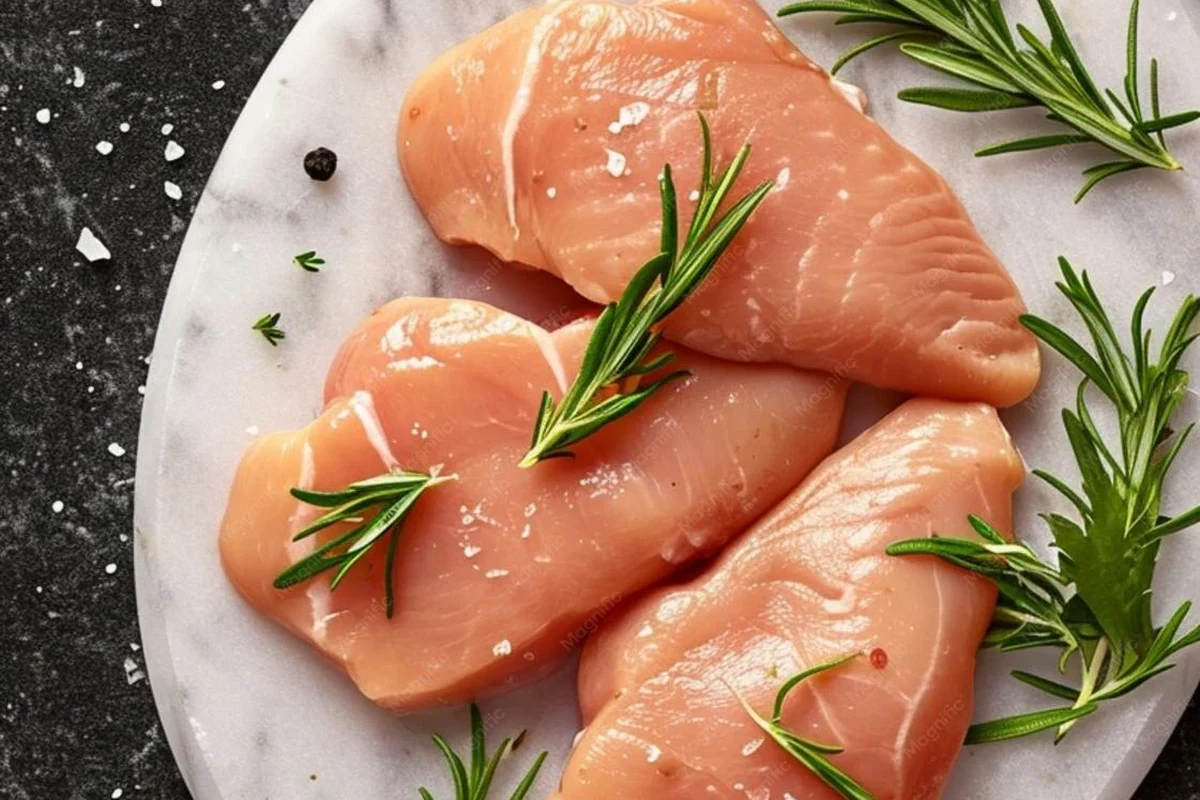
When shopping, look for breasts that are plump, firm, and light pink in color. Avoid packages with excessive liquid, which can indicate that the chicken has been frozen and thawed or poorly handled. If you are buying in bulk, consider the size of the fillets; large, thick breasts often require “butterflying” or pounding to ensure even cooking.
To prepare your fillets, start by patting them dry with a paper towel. Moisture is the enemy of a good sear. If your fillets are uneven in thickness, place them between two sheets of plastic wrap and gently pound the thicker end with a meat mallet or the bottom of a heavy skillet. This simple step ensures the entire fillet reaches the safe internal temperature at the same time.
If you prefer a more rustic texture or are preparing a dish like our Belizean Chicken Tacos Recipe, you can slice the fillets into strips or cubes before seasoning to increase the surface area for browning.
Cooking Methods for Maximum Moisture
The biggest challenge with chicken fillet breast is its tendency to dry out. Because it is very lean, it has little fat to protect it during high-heat cooking. The key is to use a method that locks in moisture or cooks the meat gently.
- Pan-Searing: Use a medium-high heat with a tablespoon of oil or butter. Cook for about 5–7 minutes per side, depending on thickness.
- Poaching: This is the best method for salads or shredded chicken. Simmer the fillets in seasoned broth or water until just opaque.
- Grilling: For a smoky flavor, try the Ninja Woodfire Grill Chicken Breast Recipe, which adds a depth of flavor that complements the mild meat.
Always cook chicken to an internal temperature of 165°F (74°C) as measured by a food thermometer inserted into the thickest part of the meat. Never rely on the color of the juices or the look of the meat to determine doneness.
Common Mistakes to Avoid
Even experienced cooks can stumble when working with chicken breast. The most common error is overcrowding the pan. When you put too many fillets in at once, the pan temperature drops, and the chicken begins to steam rather than sear. This results in gray, rubbery meat rather than a golden, flavorful crust.
Another frequent mistake is skipping the “rest” period. After cooking, let your chicken rest on a cutting board or warm plate for 3–5 minutes. This allows the internal juices to redistribute throughout the meat. If you cut into it immediately, the juices will run out onto the board, leaving the fillet dry.
- Use a meat thermometer for accuracy.
- Bring chicken to room temperature for 15 minutes before cooking.
- Use a heavy-bottomed pan for even heat distribution.
- Do not rinse raw chicken, as this spreads bacteria.
- Do not overcook; once it hits 165°F, remove from heat immediately.
- Do not skip resting the meat.
Storing and Reheating
Proper storage is vital for food safety. Store raw chicken in the coldest part of your refrigerator, ideally on the bottom shelf to prevent juices from dripping onto other foods. Use or freeze raw chicken within 1–2 days of purchase. Once cooked, store leftovers in an airtight container for up to 3–4 days.
When reheating, moisture is your best friend. Add a splash of water, chicken broth, or a drizzle of olive oil to the container before heating. Reheat gently in the microwave at 50% power or in a pan over low heat to prevent the edges from turning tough.
Discard any cooked chicken that has been sitting at room temperature for more than two hours. If the temperature is above 90°F, discard it after one hour.
Comparison: Fillet Breast vs. Other Cuts
Understanding how the fillet breast compares to other chicken parts helps you decide which cut is best for your specific recipe.
| Cut | Best Use | Flavor/Texture |
|---|---|---|
| Fillet Breast | Salads, stir-frys, quick sautés | Mild, lean, fast-cooking |
| Chicken Thighs | Curries, stews, roasting | Rich, forgiving, stays moist |
| Bone-in Breast | Roasting, slow cooking | Flavorful, slower to cook |
Decision Criteria: Choosing the Right Chicken
When deciding between a fillet breast and other options, consider your time and the desired end result. If you are preparing a quick meal, the fillet breast is the clear winner because it requires minimal prep and cooks in minutes. However, if you are making a long-simmering dish, the extra fat in thighs or bone-in cuts will yield a more tender result after extended heat exposure.
Excellent for learning basic searing and seasoning techniques.
Perfect for batch cooking to use in salads or wraps all week.
A blank canvas for complex spice rubs and pan sauces.
Final Verdict
The chicken fillet breast is a staple for a reason. It is lean, nutritious, and incredibly fast to prepare, making it the perfect choice for the modern home cook. While it requires a bit of care to prevent overcooking, following basic food safety and preparation techniques will consistently yield excellent results.
For those looking to expand their repertoire, remember that the fillet breast is merely a starting point. Whether you are adding it to a fresh salad or incorporating it into a complex curry, its ability to adapt to any flavor profile makes it one of the most valuable ingredients in your kitchen.
Common Questions
The best method is to sear the fillets over medium-high heat for 3-4 minutes per side or bake them in a preheated oven at 400°F (200°C) for about 15-20 minutes until the internal temperature reaches 165°F.
Yes, you can substitute thighs for fillets, though you should note that thighs have a higher fat content and may require slightly longer cooking times to achieve the desired texture.
Store raw chicken on the lowest shelf of your refrigerator in its original packaging or a sealed container to prevent juices from dripping onto other foods, and use it within 1-2 days.
Marinating the fillets for at least 30 minutes in a mixture of olive oil, lemon juice, garlic, and dried herbs before cooking is a highly effective way to infuse flavor into the lean meat.
No, you should not wash raw chicken fillets because the process splashes bacteria onto your kitchen surfaces and utensils, increasing the risk of cross-contamination.
Frequently Asked Questions
The best method is to pan-sear the fillet over medium-high heat for about 5-6 minutes per side. To keep it moist, avoid overcooking by using a meat thermometer to ensure the internal temperature reaches the USDA-recommended 165°F (74°C). Cooking times can vary significantly depending on the thickness of the fillet and the intensity of your stove’s heat.
Yes, you can substitute it with chicken thighs, though you will need to adjust your cooking time. Thighs contain more fat and are more forgiving if slightly overcooked, whereas fillets are lean and dry out quickly. Always adjust your timing based on the specific cut’s thickness and your preferred level of doneness.
Pounding the chicken to an even thickness is the most important technique for consistent results. By using a meat mallet to flatten the thicker end of the breast, the entire fillet cooks at the same rate. This simple step prevents the thinner edges from drying out before the center is fully cooked through.
Store raw chicken in its original packaging or a sealed container on the bottom shelf of your refrigerator to prevent juices from dripping onto other foods. According to USDA food safety guidelines, raw poultry should be kept at 40°F (4°C) or below and consumed within 1-2 days. If you do not plan to cook it within that timeframe, it should be frozen immediately.
A common mistake is placing cold chicken directly from the refrigerator into a hot pan. Bringing the meat to room temperature for about 15 minutes before cooking allows it to heat more evenly. If the meat is too cold, the exterior may sear or burn before the interior reaches a safe temperature.
The choice between fresh and frozen depends on your immediate needs and storage capacity. Fresh chicken is often preferred for quick, same-day meals, while frozen fillets offer convenience and a longer shelf life. Keep in mind that the quality of frozen chicken can vary based on how it was processed and stored, so always check for signs of freezer burn before thawing.