How to Broil Chicken Breast in the Oven (Time & Temp)

Broiling chicken breast involves using the intense, direct heat of the oven’s top element to achieve a quick, golden-brown sear. This method is highly effective for keeping the meat juicy while significantly reducing overall cooking time.
Broiling is a high-heat cooking method that uses direct, intense heat from the top element of your oven to achieve a golden-brown crust on chicken breast. It is an efficient, reliable way to prepare succulent poultry quickly, making it a staple technique in any busy kitchen throughout 2026.
- Even Thickness: Pound chicken to an even thickness to ensure uniform cooking.
- Temperature Control: Always use a meat thermometer to reach exactly 165°F (74°C).
- Air Circulation: Use a wire rack on a baking sheet to prevent the chicken from steaming.
- Resting: Allow the meat to rest for 5 minutes to lock in natural juices.
What is Broiled Chicken Breast and Why It Belongs in Your Belizean Kitchen
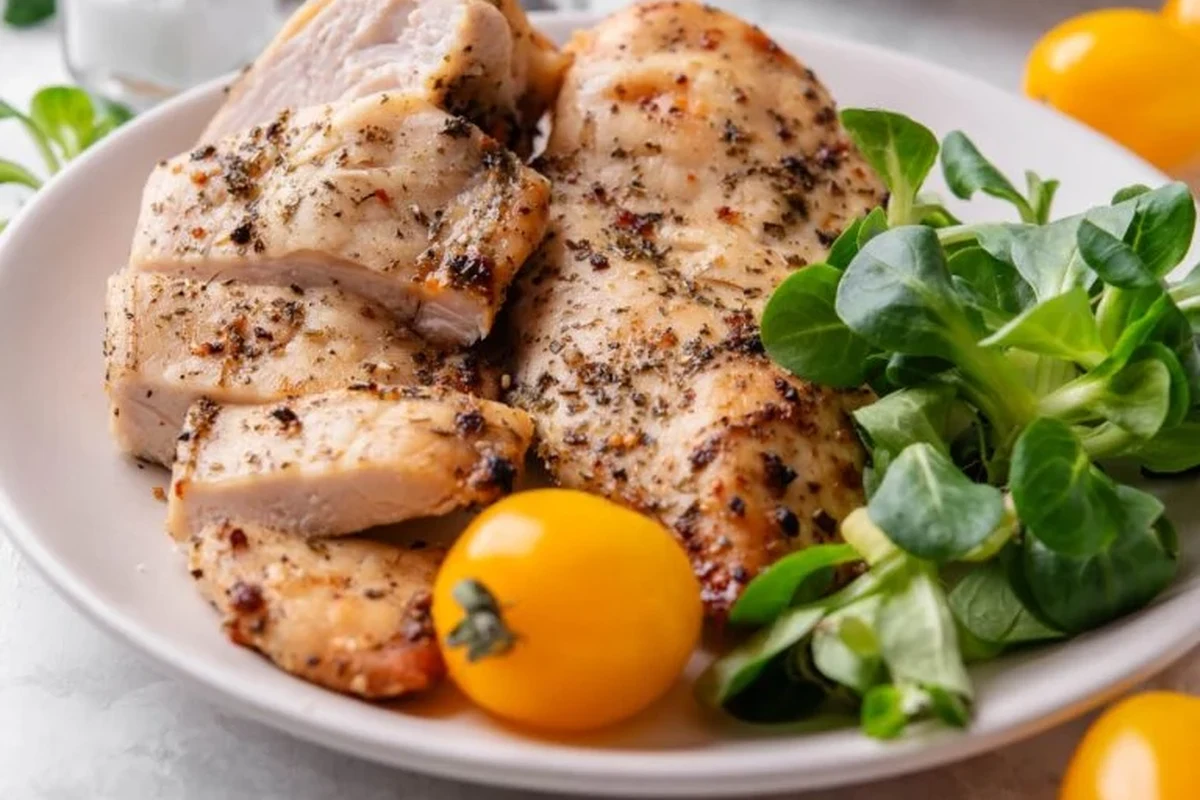
In the vibrant culinary landscape of Belize, we often lean on methods that maximize flavor while minimizing time spent standing over a hot stove. Broiling is essentially the inverse of baking; instead of circulating hot air, the broiler provides direct radiant heat similar to a grill. This is ideal for chicken breast, which can easily become dry if cooked too slowly. By using the broiler, you create a beautiful sear on the exterior while keeping the interior juicy, offering a faster alternative to traditional oven-roasting.
The Secrets to Mastering Broiled Chicken: Technique and Temperature
Understanding the Broiler: High Heat for a Belizean Sear
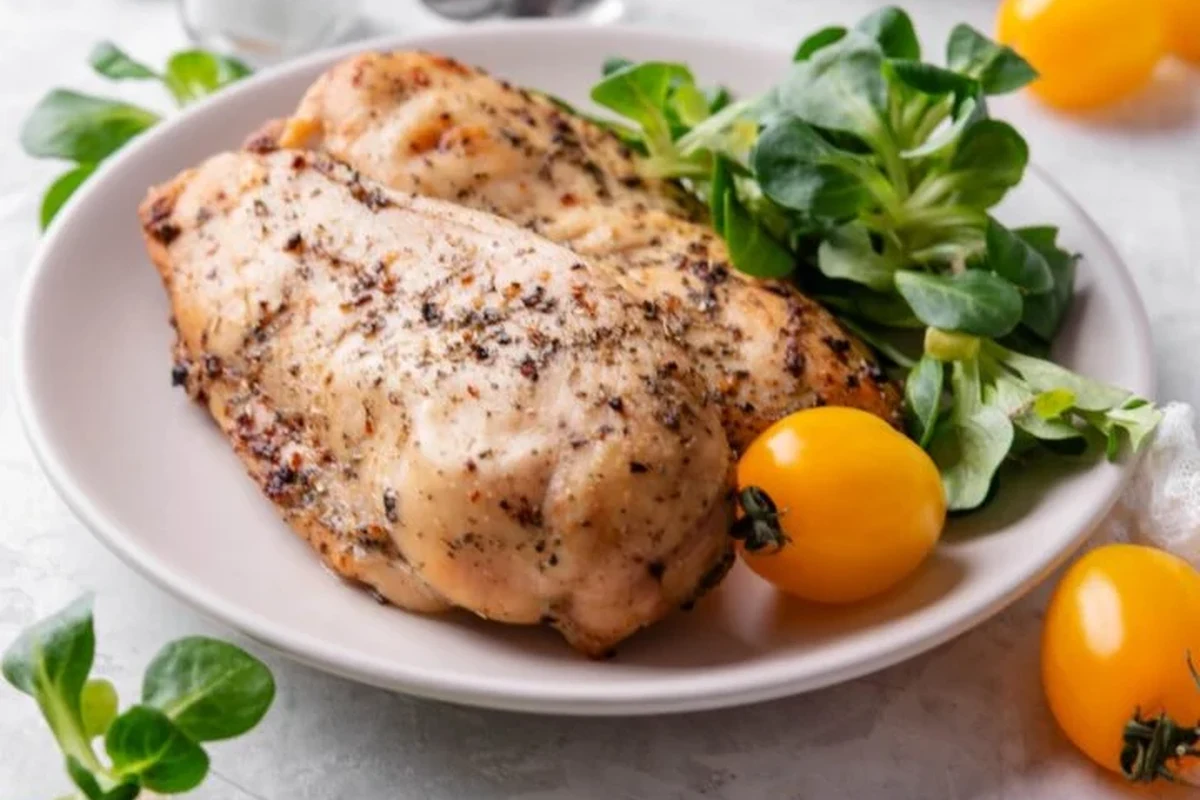
The broiler is often the most misunderstood setting on a home oven. It functions at a constant, high temperature, usually around 500°F (260°C) or higher. Because the heat is intense and directional, it caramelizes the natural sugars in the chicken’s surface, creating that savory “sear” we love in dishes like our Belizean BBQ chicken recipe. You must keep a close eye on the process, as the thin nature of chicken breast allows it to go from perfectly golden to charred in mere minutes.
The Importance of Prep: Brining and Seasoning for Maximum Moisture
Chicken breast is lean, making it prone to moisture loss. A quick brine—soaking the meat in a salt-water solution for 20 to 30 minutes—helps the protein retain its juices during the intense heat of the broiler. After brining, pat the chicken completely dry. Moisture on the surface creates steam, which prevents the browning process. Once dry, apply your choice of oil and spices to ensure the heat transfers efficiently to the meat.
For a tropical twist, rub your chicken with a blend of garlic, lime juice, allspice, and a touch of brown sugar before broiling to mimic the depth of flavor found in classic island spice rubs.
Essential Ingredients for the Perfect Broiled Chicken Breast
Selecting the Best Cuts: Freshness and Thickness Matters
For consistent results, select chicken breasts of equal thickness. If one side is significantly thicker than the other, use a meat mallet to gently pound the thicker end to an even half-inch. This ensures the entire piece reaches safe internal temperatures simultaneously. Always look for firm, pinkish flesh that springs back when touched, indicating high quality and freshness.
Flavor Profiles: From Local Belizean Spices to Classic Herb Rubs
Broiled chicken is a blank canvas. While a simple salt, pepper, and paprika rub works well, you can experiment with bolder profiles. Incorporate local ingredients like recado (achiote paste) for a distinct color and earthy flavor, or stick to classic dried herbs like thyme and oregano. If you enjoy the versatility of chicken in various meals, broiled breast is also a great base for shredding into a Belizean chicken tacos recipe.
Step-by-Step Guide: How to Broil Chicken Breast to Perfection
Equipment Essentials: Choosing the Right Pan and Rack
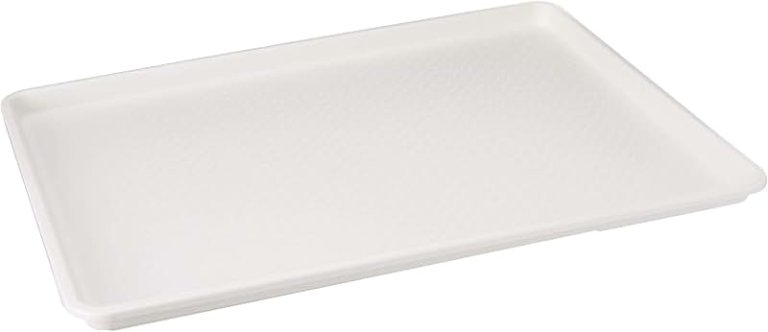
You need a broiler pan or a rimmed baking sheet fitted with a wire rack. The rack is critical because it allows air to circulate underneath the chicken, preventing it from stewing in its own juices and ensuring the bottom browns slightly as well. Avoid using glass baking dishes, as they can shatter under the direct, high-intensity heat of the broiler.
A broiler pan with a slotted top lets fat drip away for even browning — see top-rated broiler pans here.
The Process: Positioning, Timing, and The Flip
Common Mistakes to Avoid When Broiling Chicken
Preventing Dryness: The Perils of Overcooking
The most common mistake is walking away from the oven. Because broiling is so fast, even two extra minutes can turn a juicy breast into a dry, tough piece of meat. Always set a timer and stay nearby to monitor the color of the crust.
Managing Flare-ups and Smoke in the Kitchen
If you are using a marinade with sugar or honey, the sugars can burn quickly and create smoke. Keep the broiler door slightly ajar if your oven model allows, or keep your kitchen fan on high. If the chicken starts to char too quickly, move the rack one level lower.
Food Safety: Ensuring Your Chicken is Perfectly Cooked
Using a Meat Thermometer: The Only Way to Know for Sure
Always use a digital meat thermometer to confirm the chicken reaches a safe internal temperature of 165°F (74°C). This is the only reliable way to ensure the meat is cooked through, regardless of how it looks on the outside.
Safe Handling Practices in a Tropical Climate
In warmer climates, bacteria multiply rapidly. Keep your chicken in the refrigerator until the very last second before you are ready to season and broil. Never leave raw chicken on the counter to “come to room temperature,” as this increases the risk of foodborne illness.
Storage, Reheating, and Making the Most of Leftovers
Best Practices for Refrigeration and Freezing
Store leftover broiled chicken in an airtight container in the refrigerator for up to 3-4 days. If you have a larger batch, you can freeze it for up to 2 months. Label your containers with the date to keep track of freshness.
Reviving Your Chicken: Tips for Reheating Without Drying Out
To reheat, add a small splash of water or chicken broth to the container. Cover it and heat gently in the microwave or a low-temperature oven. This prevents the edges from hardening. Leftover chicken is perfect for soups, much like the base needed for a hearty Belizean curry chicken recipe.
Value and Versatility: Why Broiling is a Superior Weeknight Method
Comparison: Broiling vs. Grilling vs. Pan-Searing
| Method | Best For | Key Consideration |
|---|---|---|
| Broiling | Quick, crispy results | Requires constant monitoring |
| Grilling | Smoky, outdoor flavor | Weather and equipment dependent |
| Pan-Searing | Control and pan sauces | Requires more active cleanup |
Final Recommendation: Elevating Your Home Cooking with Consistent Results
Broiling is an underrated technique that offers a professional-level sear with minimal equipment. By focusing on even thickness and monitoring your internal temperature, you can achieve consistent, moist chicken breast every time. Whether you use it for a quick weeknight salad or as part of a more elaborate meal, mastering the broiler will undoubtedly improve your efficiency in the kitchen.
More oven timing guides: what temperature to bake chicken legs in the oven.
Common Questions
Position the chicken rack 4 to 6 inches from the top broiler element for the best results.
Yes, but be careful with sugary marinades as they can burn quickly under the intense heat.
Yes, preheating the broiler for 5-10 minutes ensures the heat is intense enough to sear the meat immediately.
It is not recommended to broil frozen chicken as the exterior will burn before the center reaches a safe temperature.
Broiling is generally considered healthier as it requires little to no added fat compared to pan-frying or deep-frying.
Frequently Asked Questions
Generally, chicken breast takes about 5 to 7 minutes per side when placed 4 to 6 inches from the heat source. Always use a meat thermometer to ensure it reaches 165°F (74°C).
Yes, flipping the chicken halfway through ensures even cooking and browning on both sides. This helps achieve a consistent texture throughout the meat.
Yes, you can use a rimmed baking sheet lined with foil and a wire rack. The rack is essential for air circulation and preventing the chicken from sitting in juices.
Chicken breast is lean and dries out easily if overcooked. Ensure you use a thermometer to remove it exactly at 165°F and consider brining the meat beforehand to retain moisture.
Excessive smoke often comes from burning sugars in marinades or fat drippings. Use an oven-safe rack to elevate the meat and keep your kitchen fan on high.
Store leftovers in an airtight container in the refrigerator for up to 4 days. Reheat gently with a splash of liquid to keep the meat from becoming tough.