Instant Pot Frozen Chicken

Cooking frozen chicken in an Instant Pot is a safe and highly efficient way to prepare protein for busy weeknights. By increasing the cook time by 50% and using a trivet, you can achieve tender, fully cooked results every time.
Cooking instant pot frozen chicken is a game-changer for busy home cooks who need to get dinner on the table without advance planning. By leveraging the high-pressure environment of the Instant Pot, you can safely transform rock-hard poultry into tender, shreddable meat in under an hour.
- Safety First: Always verify an internal temperature of 165°F using a meat thermometer.
- Liquid Ratio: Use at least one cup of liquid to ensure the pot reaches full pressure.
- Cook Time: Increase your standard cooking time by 50% for frozen poultry.
- Natural Release: Utilize a 10-15 minute natural pressure release for better texture.
- Avoid Burns: Add thick sauces only after the pressure cooking cycle is complete.
Instant Pot Frozen Chicken: The Ultimate Guide to Weeknight Efficiency

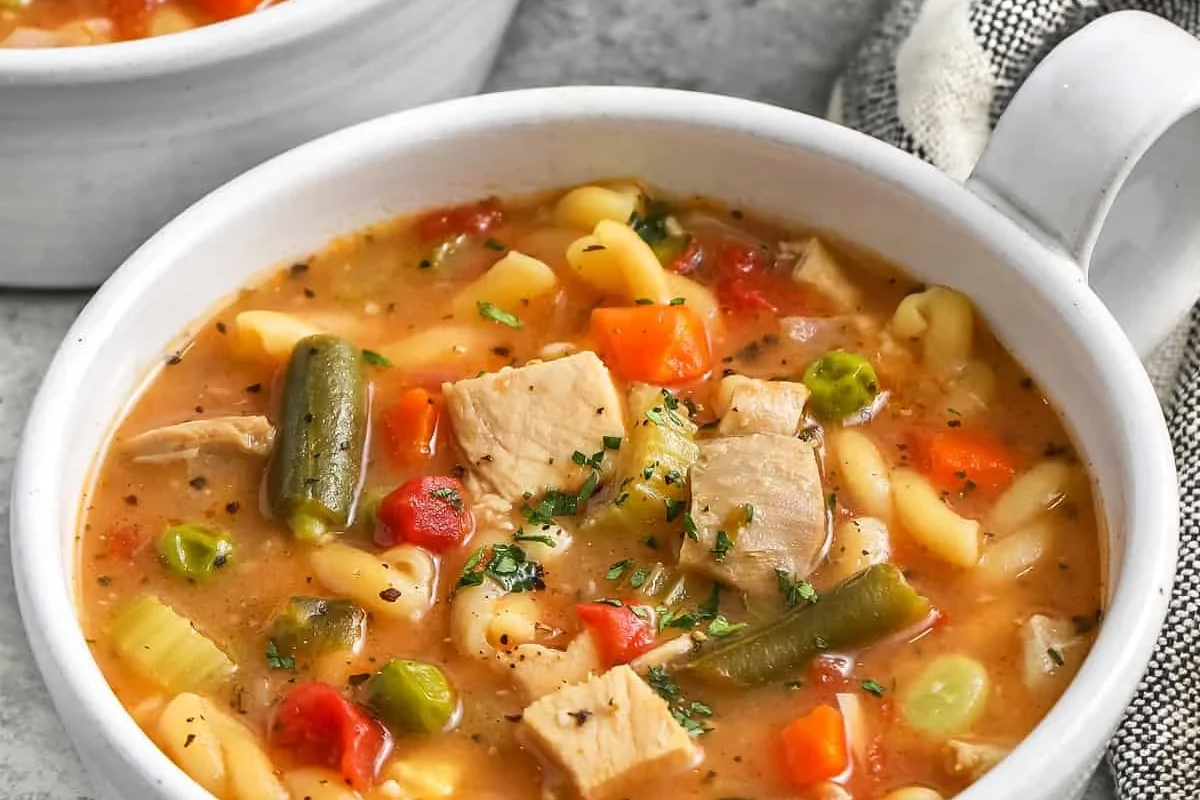
Life in a busy kitchen often means realizing at 5:00 PM that the chicken for dinner is still sitting in the freezer. Rather than relying on takeout or spending hours thawing, the Instant Pot offers a reliable, safe, and efficient way to cook directly from a frozen state. Whether you are prepping for a quick easy Instant Pot soup or just need shredded protein for the week, this method is a staple for modern cooking in 2026.
What Is Cooking Frozen Chicken in an Instant Pot?

Cooking from frozen involves using the pressure cooker’s ability to force heat and moisture into dense, icy proteins quickly. It is not simply a matter of hitting a button; it requires understanding how the appliance manages heat transfer and moisture.
The Science of Pressure Cooking from Frozen
Pressure cookers work by trapping steam, which raises the boiling point of water. When you place a frozen piece of chicken inside, the initial stage of the cycle is spent melting the ice layer and bringing the internal temperature of the meat through the “danger zone”—the temperature range where bacteria thrive—as quickly as possible. Once the pot reaches full pressure, the consistent, high-moisture environment ensures the meat cooks through evenly.
Why This Method Works for Busy Belizean Kitchens
In our kitchens, where we often balance complex, flavorful meals with tight schedules, the ability to bypass the thawing process is invaluable. It allows for consistent results regardless of how hectic the day has been, making it easier to incorporate high-quality protein into daily meals.
Always ensure your chicken pieces are not frozen in one giant, solid block. If they are clumped together, the center will remain raw while the outside overcooks. Try to freeze them individually or in thin, manageable portions.
Who Is This Cooking Technique For?
This method is ideal for parents managing school-night chaos, meal preppers who want to maximize efficiency, and anyone who prefers keeping their freezer stocked with versatile staples. It is less suited for those looking for crispy skin or a seared exterior, as the pressure cooking process is strictly a moist-heat method.
Essential Ingredients and Flavor Profiles
The Role of Liquid Ratios for Proper Pressure
You must have enough liquid to create the steam necessary for pressure. For most models, 1 cup of water or broth is the minimum requirement. Because frozen chicken releases its own moisture as it thaws during the cycle, you rarely need to add more than that baseline.
Recommended Aromatics and Seasoning Blends
Since the chicken will be essentially steaming, you want to infuse flavor into the liquid. Using the best spices for chicken, such as garlic powder, onion powder, cumin, or a touch of paprika, will ensure the meat isn’t bland. You can also add aromatics like onion quarters, celery, or fresh herbs directly into the pot.
- Ensure your Instant Pot sealing ring is clean and properly seated.
- Verify your chicken is free of heavy ice crystals (freezer burn).
- Have a meat thermometer ready to confirm safety.
- Choose a liquid base that complements your final dish.
Step-by-Step Technique: From Freezer to Table
Remove the chicken from its original packaging. If there is a thick layer of ice, a quick rinse under cold water can help remove excess frost, which prevents the pot from becoming too watery.
Place the metal trivet (rack) inside the pot. This keeps the chicken out of the liquid, allowing steam to circulate evenly around the meat rather than boiling it.
As a general rule, increase the standard cook time by 50%. For specific cuts, refer to our guide on how long to cook frozen chicken breast in an Instant Pot to ensure it is cooked through without becoming rubbery.
Allow for a 10-15 minute natural pressure release (NPR). This gentle decline in pressure prevents the muscle fibers from seizing up, resulting in much juicier meat.
Food Safety Protocols and Internal Temperatures
The USDA recommends that all poultry reach an internal temperature of 165°F (74°C). Because frozen chicken can vary in thickness, never rely on time alone. Always use a meat thermometer inserted into the thickest part of the meat to verify safety.
Common Mistakes and How to Troubleshoot Them
The most common issue is the “Burn” notice. This usually happens if the liquid ratio is too low or if thick sauces (like barbecue or heavy tomato-based sauces) are added at the start. Always keep your sauces separate until after the pressure cycle is complete.
Storage, Reheating, and Meal Prep Best Practices
Once cooked, store your chicken in airtight containers in the refrigerator for up to 3-4 days. To reheat without drying the meat out, add a splash of broth or water and heat gently on the stovetop or microwave. This approach makes it easy to incorporate into meal prep ideas with chicken breast for the entire week.
Cooking frozen chicken in the Instant Pot is a reliable, time-saving solution for the home cook. While it won’t replace roasting or grilling for texture, it is unmatched for convenience. Always prioritize food safety by checking internal temperatures, and you will find it to be a dependable method for your kitchen repertoire in 2026.
Common Questions
Yes, it is safe as long as the internal temperature reaches 165°F. The pressurized steam cooks the meat thoroughly and quickly.
No, the benefit of the Instant Pot is that you can cook it directly from frozen. This saves you significant preparation time.
Increase your standard fresh chicken cook time by 50%. Always check the internal temperature before serving.
This often happens if the liquid is too thick or if there isn’t enough water to create steam. Keep thick sauces out until after cooking.
While possible, it is difficult to ensure even cooking. It is highly recommended to cut the chicken into smaller, uniform pieces before freezing.
Frequently Asked Questions
Yes, it is safe as long as the chicken reaches an internal temperature of 165°F. The pressure cooking process effectively brings the meat through the danger zone quickly.
You should use the standard minimum liquid requirement for your specific Instant Pot model, usually 1 cup. The frozen chicken will release additional moisture as it cooks.
Generally, you should increase the cook time by about 50% compared to fresh, thawed chicken. Always use a meat thermometer to ensure it reaches 165°F.
It is best to add thick sauces after the pressure cycle. Adding them before can cause the pot to trigger a ‘Burn’ notice because the sauce prevents the liquid from boiling properly.
Yes, using the trivet is recommended. It keeps the chicken out of the liquid, allowing steam to circulate around the meat for more even cooking.
Store leftover chicken in an airtight container in the refrigerator for up to 3 to 4 days. Reheat with a splash of broth to maintain moisture.