Baked Potato with Crispy Skin

To achieve a crispy skin, bake your potatoes unwrapped at 400°F directly on an oven rack to ensure maximum airflow. Always poke holes in the skin before baking to allow steam to escape and ensure a fluffy interior.
Achieving a perfectly baked potato with crispy skin requires minimal ingredients but precise temperature control to contrast a fluffy, steaming interior with a rigid, salty exterior. By focusing on moisture management and high-heat roasting, you can transform a simple pantry staple into a restaurant-quality side dish.
- Variety: Always choose high-starch Russet or Idaho potatoes for the best texture.
- Airflow: Bake directly on a rack to prevent steam from softening the bottom of the.
- Moisture: Thoroughly dry the potato after washing to ensure the skin crisps rather than steams.
- Safety: Never wrap potatoes in foil for storage; remove all foil immediately after the baking.
The Secret to the Perfect Baked Potato with Crispy Skin: A Culinary Guide
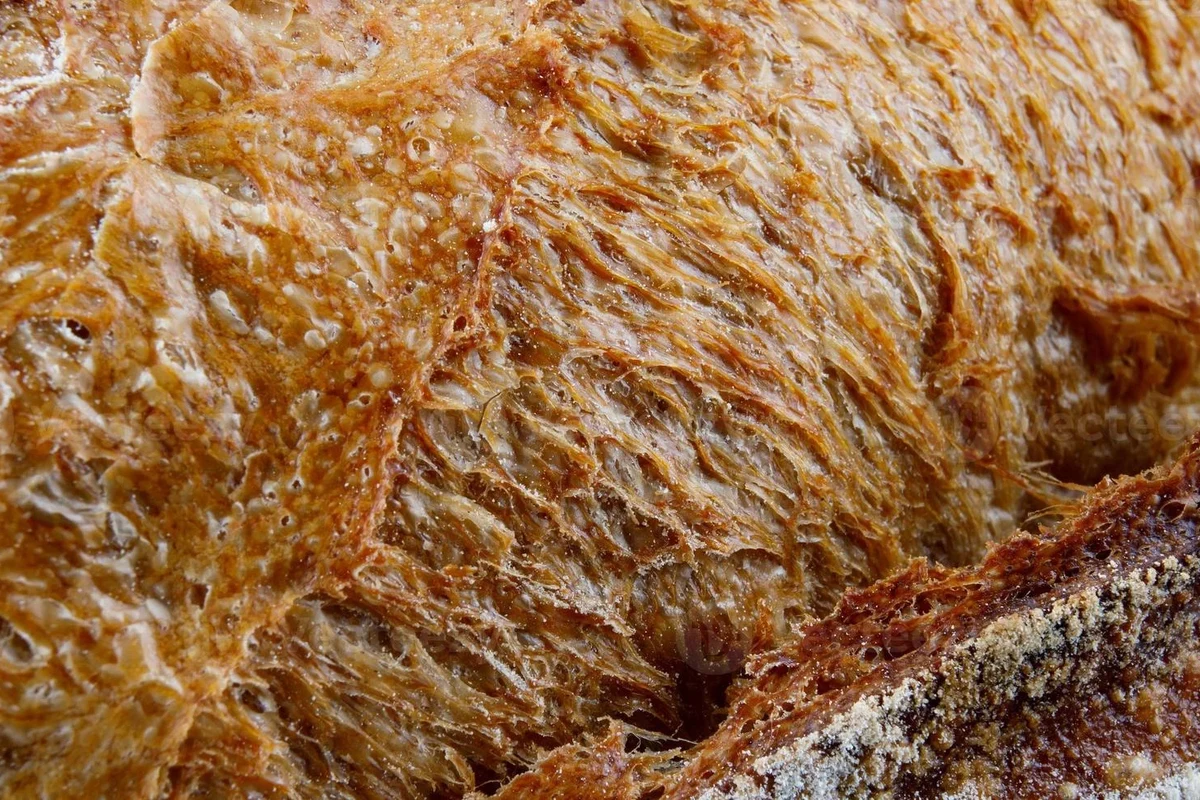
Many home cooks struggle with “steamed” potato skins that turn out leathery or chewy. The secret lies in dehydration. To achieve a shatter-crisp texture, you must strip away surface moisture and allow the skin to dehydrate and then fry in its own natural oil or added fat during the baking process.
What Defines the Ultimate Crispy-Skinned Baked Potato?
The ultimate baked potato is defined by a distinct “pop” when you pierce the skin with a fork, followed by an interior that is light, fluffy, and completely free of gumminess. In 2026, culinary trends continue to favor this classic, unadorned preparation, which pairs beautifully with hearty proteins, much like the base components found in our chicken, leek, and potato soup recipe.
Choosing the Right Spud: Ingredient Selection for Maximum Texture

Varieties That Excel: Why Starchy Potatoes Win
For the best results, always reach for high-starch varieties like Russets or Idaho potatoes. These tubers have a low moisture content and a high starch-to-water ratio, which allows the inside to break down into a fluffy texture while the skin remains thick enough to crisp without disintegrating.
Size and Uniformity: Key Decision Criteria for Even Cooking
Select potatoes that are similar in size and shape. If you are preparing a meal for guests, uniformity ensures that every potato hits the “done” stage simultaneously. Avoid oversized “bakers” if you are short on time, as they require significantly longer bake times, which can dry out the edges before the center is cooked through.
When shopping, look for firm potatoes with smooth, unblemished skin. Avoid any that have green patches, as these indicate exposure to light and high solanine levels, which can impart a bitter taste.
Essential Equipment: Tools for the Perfect Roast
Oven vs. Air Fryer: Comparing Cooking Methods for Skin Texture
While a standard oven is the traditional choice, the air fryer has gained popularity in 2026 for its ability to circulate hot air rapidly, effectively dehydrating the skin faster than a conventional oven. If you are using a standard oven with induction capabilities, ensure the rack is positioned in the center for the most even heat distribution.
The Role of Fats: Choosing Between Olive Oil, Butter, and Animal Fats
Fat is essential for heat conduction. While butter adds flavor, it has a lower smoke point and contains water. Olive oil or high-quality animal fats (like beef tallow or rendered chicken fat) are superior for crisping because they remain stable at the high temperatures—typically 400°F to 425°F—required for a crispy finish.
The Science of Crispiness: A Step-by-Step Technique
Real-Kitchen Benefits: Why This Method Outperforms Microwaving
Texture Profiles: Comparing the Fluffy Interior to the Shatter-Crisp Exterior
Microwaving cooks potatoes through steam, which results in a soft, often damp skin. The oven-roasting method creates a Maillard reaction on the surface, which is impossible to achieve in a microwave. This contrast is what makes the potato a standalone dish rather than just a vessel for toppings.
Limitations and Considerations for High-Altitude or Humid Kitchens
If you live in a high-altitude or extremely humid environment, you may need to increase your cook time by 10-15 minutes. Humidity in the air can re-hydrate the skin, so keeping the oven door closed is vital to maintaining the dry-heat environment necessary for crispness.
Common Mistakes and Troubleshooting Guide
- Use a wire rack to allow airflow underneath the potato.
- Let the potato rest for 5 minutes before slicing.
- Wrapping potatoes in foil, which traps steam and creates soggy skin.
- Crowding the baking sheet, which limits air circulation.
Food Safety and Handling: From Oven to Table
Never leave a baked potato at room temperature for more than two hours. Once cooked, potatoes are a prime environment for Clostridium botulinum if wrapped in foil and cooled improperly; always remove foil before storing in the refrigerator.
Determining Doneness: The Temperature and Resistance Test
A perfectly baked potato should reach an internal temperature of approximately 205°F to 210°F. If you do not have a thermometer, use the “resistance test”—the potato should yield easily to gentle pressure and a knife should slide into the center with zero resistance.
Storage, Reheating, and Value
Leftover potatoes can be stored in an airtight container for up to 3 days. When reheating, avoid the microwave if you want to keep that skin crisp. Instead, place them in a 375°F oven for 10–15 minutes until the skin regains its texture. This remains one of the most cost-effective staples in the home kitchen, far cheaper than pre-packaged sides or restaurant-ordered options, and versatile enough to be repurposed into Belize potato salad recipe variations or hearty soups.
Luis’s Final Recommendation: Achieving Professional Results at Home
For the best results, skip the foil and bake your potatoes directly on a wire rack over a baking sheet. This allows hot air to hit the entire surface of the potato, ensuring that the skin is crispy from top to bottom. By prioritizing starch-heavy varieties and avoiding the temptation to wrap them, you will consistently achieve that elusive, professional-grade texture that elevates a humble potato into a satisfying meal.
Common Questions
Yes, rubbing the skin with a light coating of oil helps conduct heat and promotes a crispier, more evenly browned crust.
Yes, coarse salt draws out surface moisture through osmosis, which significantly contributes to a shatter-crisp texture.
You can, but it will not produce crispy skin. Microwaving uses steam, which results in a soft, thin skin rather than a crispy one.
At 400°F, a medium-sized Russet potato typically takes 45 to 60 minutes, depending on its size and your oven’s efficiency.
Piercing the skin allows steam to escape, preventing pressure buildup that can cause the potato to burst open during the baking process.
Frequently Asked Questions
The skin turns soft because of trapped steam. Avoid wrapping your potatoes in foil, as this traps moisture and steams the skin instead of baking it.
Baking at 400°F to 425°F is ideal. This high heat is necessary to dehydrate the skin sufficiently for a crispy finish.
Yes, an air fryer is excellent for crispy-skinned potatoes. The rapid air circulation helps dehydrate the skin faster than a standard oven.
The potato is done when it reaches an internal temperature of 205°F to 210°F. You can also test by inserting a knife; it should slide into the center with no resistance.
Yes, but they must be stored safely. Remove any foil immediately after baking and place the potatoes in an airtight container within two hours of cooking to prevent bacterial growth.
Russet or Idaho potatoes are the best choice. Their high starch content ensures a light, fluffy interior while the skin provides the right structure for crisping.