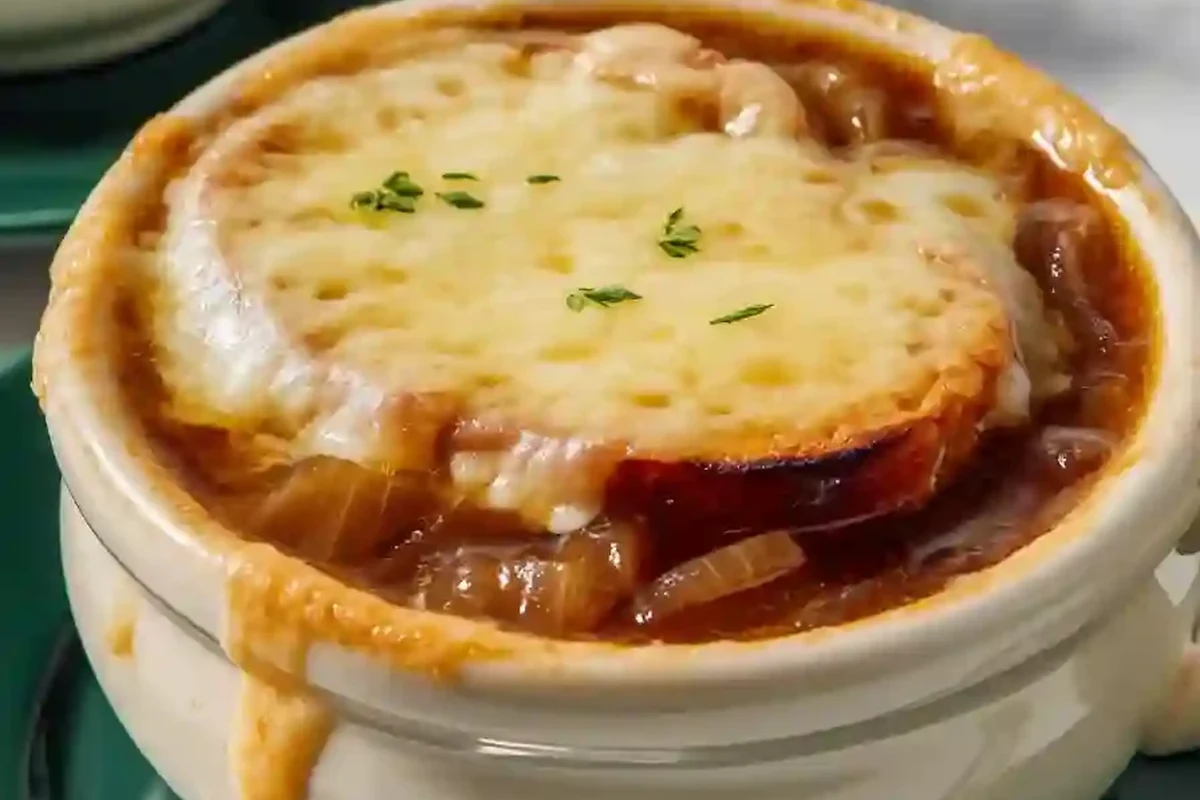
Easy Instant Pot Soup Recipe | Quick, Healthy & Flavorful One-Pot Meals

Making an easy instant pot soup is an efficient way to achieve deep, slow-simmered flavors in a fraction of the time, making it a staple for home cooks in 2026. By utilizing pressure and controlled steam, you can transform simple ingredients into hearty stews that fit perfectly into a busy weeknight schedule.
- Liquid ratios: Always use at least 1-1.5 cups of liquid to ensure the pot reaches pressure.
- Prevent burning: Layer thick ingredients on top and deglaze the pot after using the sauté function.
- Release method: Use a natural pressure release for soups to prevent clogging valves and maintain texture.
- Food safety: Always ensure meat reaches the proper internal temperature and refrigerate leftovers within two hours.
What Makes Instant Pot Soup the Ultimate Weeknight Solution
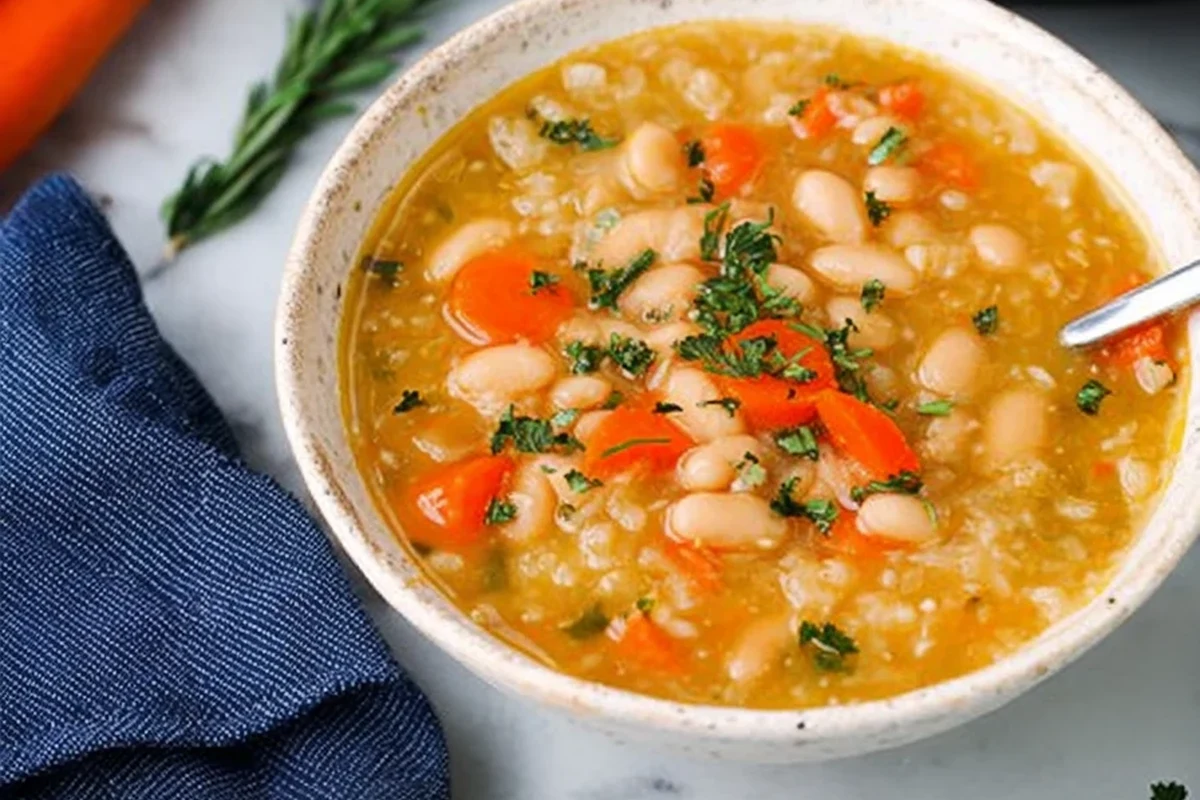
The appeal of using a pressure cooker for soups lies in its ability to tenderize tough cuts of meat and soften legumes rapidly. Unlike traditional stovetop methods that require constant monitoring, the sealed environment of an Instant Pot locks in moisture and flavor, preventing the evaporation that often dilutes the intensity of a broth. Easy Instant Pot Soup
The Science of Pressure Cooking Soups
Pressure cooking works by raising the boiling point of water trapped inside the pot. As the internal temperature climbs above the standard 212°F (100°C), the increased pressure forces liquid and aromatics into the cellular structure of your ingredients. This results in meat that pulls apart effortlessly and vegetables that reach a perfect, tender consistency without turning into mush, provided you manage the timing correctly.
Who Benefits Most from Instant Pot Soup Cooking?
Essential Ingredients for Belizean-Inspired Instant Pot Soups
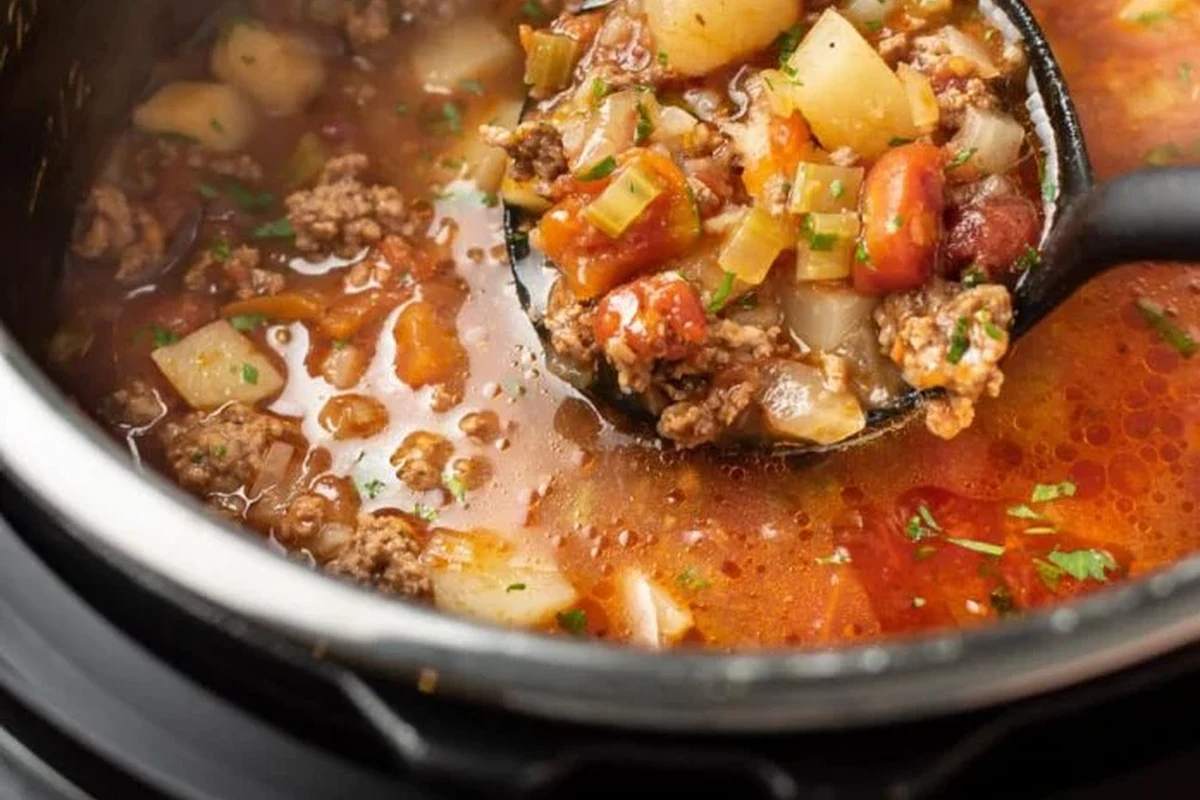
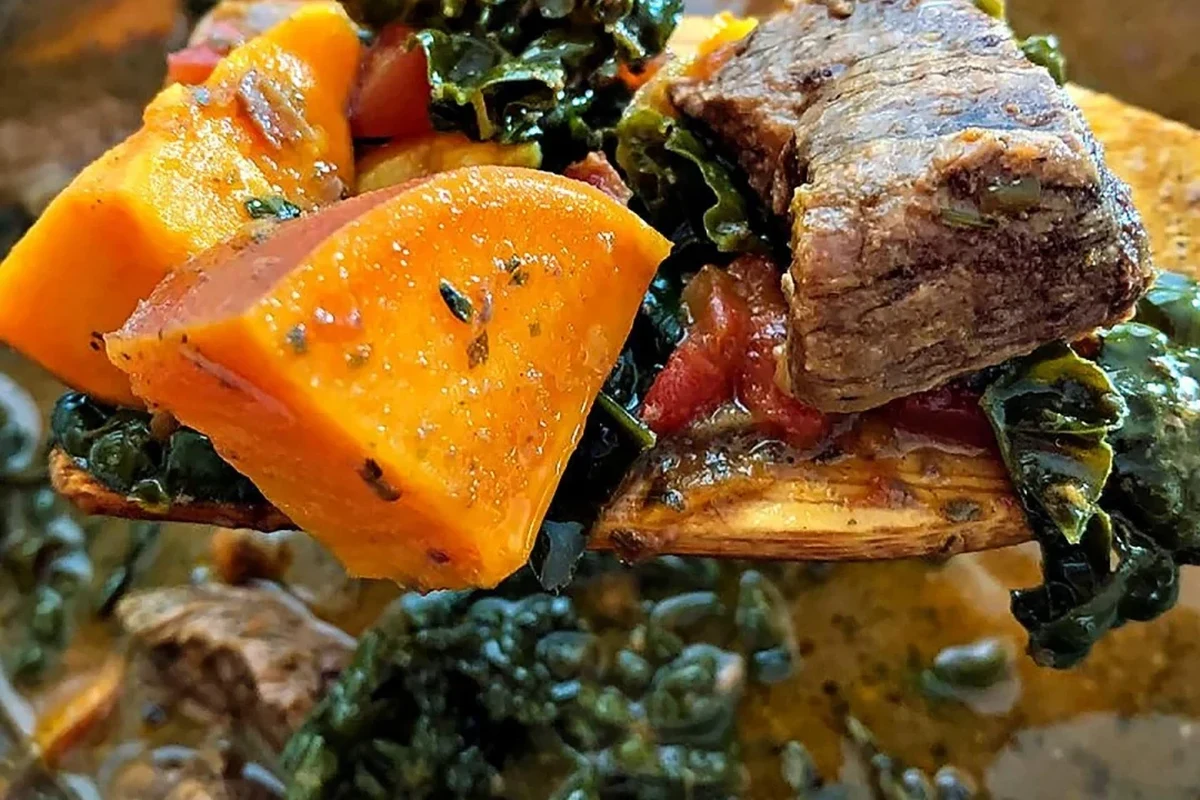
When crafting soups with a Belizean influence, think of bold aromatics and hearty textures. The foundation of these dishes often relies on a balance of savory proteins, such as stewed chicken or beef, combined with root vegetables like cassava, yam, or sweet potato.
Selecting the Right Proteins and Aromatics
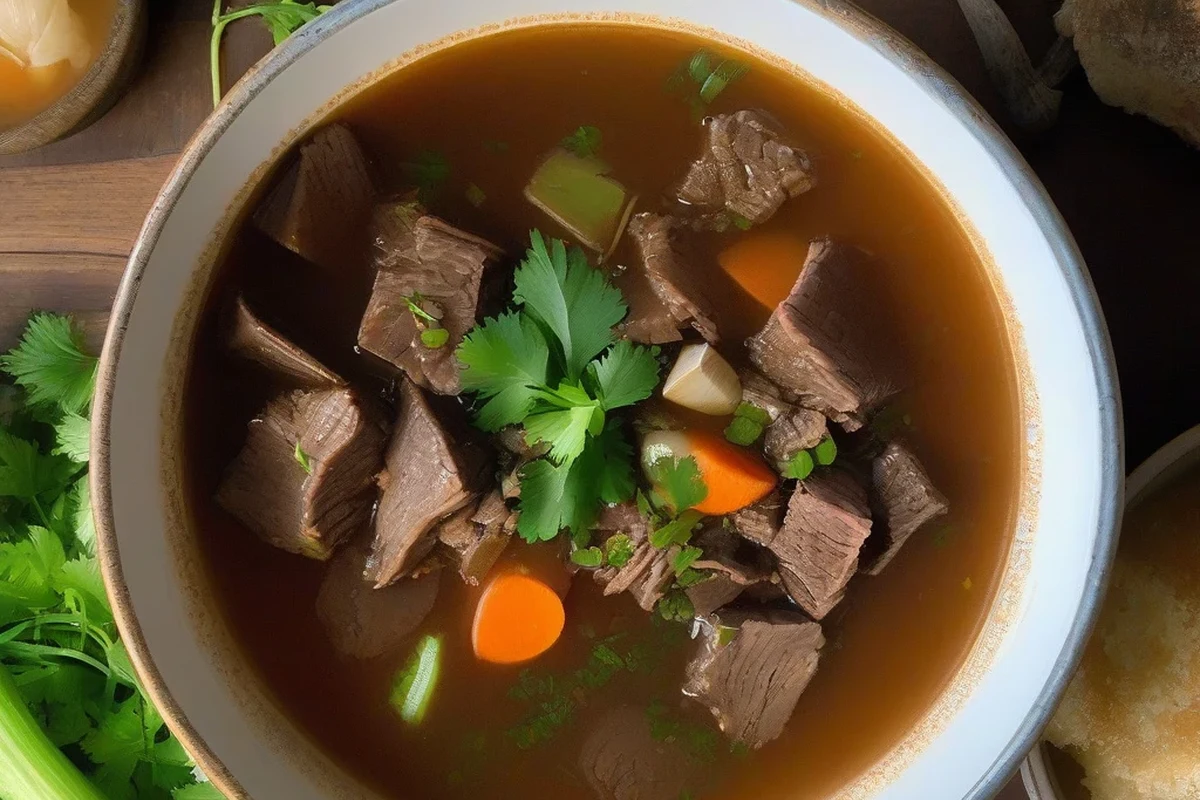
For the best results, use proteins that benefit from long, moist-heat cooking, such as chicken thighs, beef chuck, or pork shoulder. Aromatics like onions, garlic, thyme, and habanero peppers form the backbone of the flavor profile. Always ensure your aromatics are diced uniformly to ensure even cooking alongside your proteins.
Read more: Easy Instant Pot Soup
The Role of Liquid Ratios in Pressure Cooking
Unlike stovetop cooking, where liquid can be added as needed, pressure cookers require a specific minimum amount of liquid to generate steam. Most manufacturers recommend at least 1 to 1.5 cups of thin liquid (broth or water) to prevent the “Burn” notification. Keep in mind that pressure cookers do not reduce liquid, so you should use slightly less broth than you would in a traditional Dutch oven.
Core Techniques: Mastering the Instant Pot Soup Method
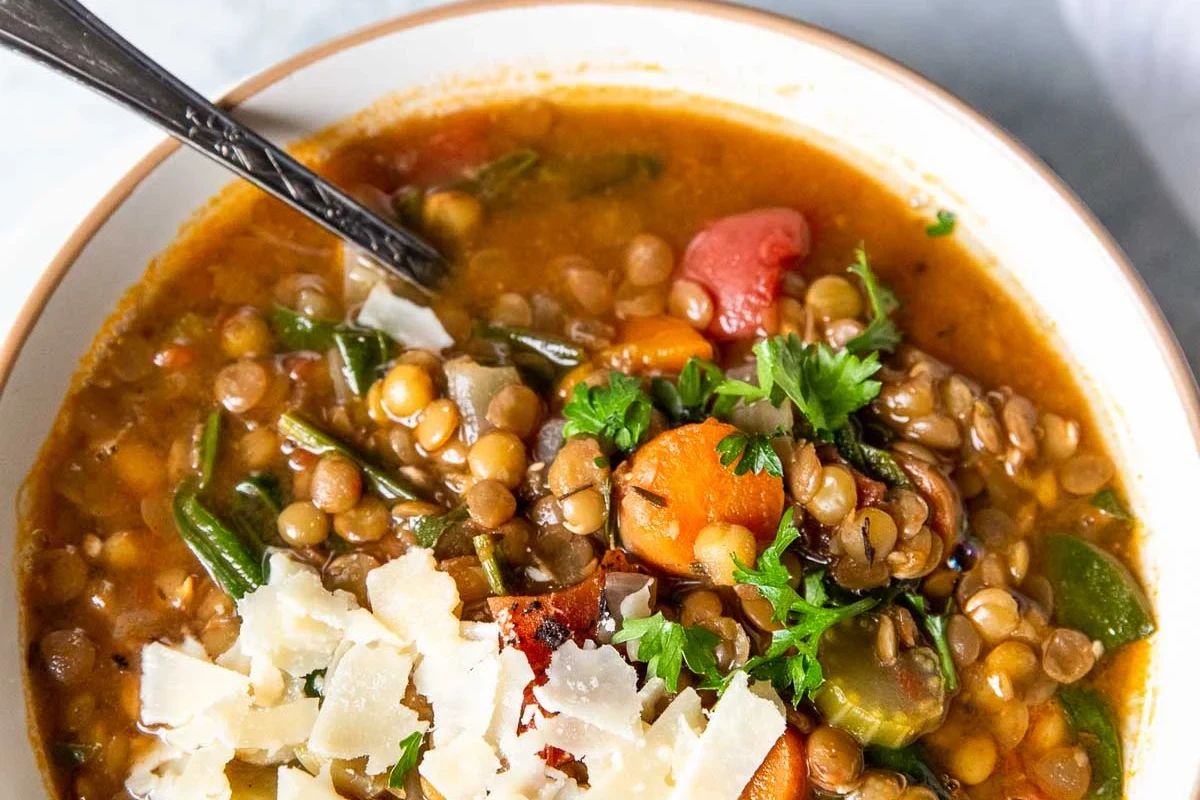
Sautéing for Depth: Building the Flavor Base
Before locking the lid, use the “Sauté” function to brown your meat and soften your aromatics. This process, known as the Maillard reaction, adds a layer of complexity to the soup that cannot be achieved by boiling alone. Ensure you deglaze the pot with a splash of broth or water to scrape up any browned bits from the bottom before pressure cooking.
Understanding Pressure Release: Natural vs. Quick Release
The method you choose for releasing pressure significantly impacts the final texture of your soup. A Natural Pressure Release (NPR) is generally safer and better for soups containing large chunks of meat or legumes, as it allows the pressure to subside gradually, preventing the contents from foaming and clogging the valve. A Quick Release (QR) is best for delicate vegetables that you do not want to overcook.
Common Mistakes to Avoid When Making Instant Pot Soups
Overloading the Pot: Why Fill Lines Matter
Never fill your Instant Pot beyond the maximum fill line, especially when making soups. Pressure cooking requires headspace for the steam to circulate. Overfilling can lead to food blocking the pressure valve, which can result in improper cooking or hazardous pressure buildup.
Preventing the “Burn” Notice: Layering Techniques
To avoid the dreaded “Burn” error, always place your liquid at the bottom of the pot first. If you are adding thick elements like tomato paste or heavy sauces, layer them on top of the ingredients rather than stirring them directly into the bottom, where they can scorch during the initial heat-up phase. Easy Instant Pot Soup
Safe Handling and Storage: Keeping Your Soups Fresh
Food Safety Standards for Pressure-Cooked Stews
Always ensure your protein reaches a safe internal temperature. According to food safety standards, poultry should reach 165°F and beef or pork should reach 145°F. Use a reliable digital thermometer to verify doneness if you are unsure.
Proper Storage, Freezing, and Reheating Guidelines
Instant Pot soups generally stay fresh in the refrigerator for 3–4 days when stored in airtight containers. If freezing, leave about an inch of space at the top of the container to allow for expansion. Reheat soups thoroughly until steaming hot throughout before serving.
Troubleshooting Your Instant Pot Soup: Texture and Flavor Issues
Fixing Bland Broths and Overcooked Ingredients
If your broth tastes thin, you can simmer it using the “Sauté” function after the pressure cycle is complete to reduce it slightly. If ingredients are overcooked, consider adding delicate vegetables (like spinach or bell peppers) or quick-cooking pasta after the pressure release, using the residual heat to finish them.
Adjusting Consistency: Thickening Your Soup Post-Cook
If you prefer a thicker, heartier stew, whisk a small amount of cornstarch or arrowroot powder with cool water to create a slurry. Stir this into your soup on the “Sauté” setting for a few minutes until it thickens to your desired consistency.
Choosing the Right Instant Pot for Your Kitchen
Size Considerations for Batch Cooking
For families or those who enjoy meal prepping, a 6-quart or 8-quart model is usually the most practical choice. These sizes offer enough room to prepare large batches of soup without exceeding the fill lines, providing flexibility for different recipe scales.
Material Durability and Ease of Cleaning
Look for models featuring stainless steel inner pots, as they are generally more durable and easier to sanitize than non-stick alternatives. Ensure the sealing ring and valve assembly are easily removable, as these parts frequently trap odors and require regular cleaning to maintain performance.
The Verdict: Why Instant Pot Soups Are a Kitchen Staple in 2026
Frequently Asked Questions
Most manufacturers recommend at least 1 to 1.5 cups of thin liquid to ensure the pot can reach pressure safely. Always check your specific manual for model-specific requirements.
Yes, you can cook frozen meat, but you must increase the cooking time significantly to ensure it reaches a safe internal temperature. It is generally better to thaw meat beforehand for more even results.
This usually happens when there is insufficient liquid or if thick ingredients are scorched at the bottom of the pot. Ensure you deglaze after sautéing and layer thick ingredients on top.
Cooked soup can typically be stored in the refrigerator for 3 to 4 days. Always store it in airtight containers and reheat it until it is piping hot before serving.
Natural release is generally preferred for soups to prevent liquid from spraying out of the vent. Use natural release for soups with beans, large chunks of meat, or high starch content.
Yes, you can use the ‘Sauté’ setting after opening the lid to reduce the broth or stir in a cornstarch slurry to thicken the soup. This is a great way to adjust texture without overcooking ingredients.