How Long Should Chicken Be Boiled

Boneless chicken breasts typically take 12 to 15 minutes to boil, while bone-in cuts require 25 to 30 minutes. Always use a meat thermometer to ensure the chicken reaches an internal temperature of 165°F for food safety.
Boiling chicken is a foundational skill in the kitchen, offering a simple way to prepare protein for salads, soups, or quick weekday meals. Whether you are a beginner or looking to refine your technique, knowing exactly how long to boil your chicken is essential for achieving tender results without compromising food safety.
- Use a thermometer: Always verify an internal temperature of 165°F (74°C).
- Gentle heat: Simmer the chicken rather than using a rolling boil to prevent rubbery texture.
- Aromatics matter: Add vegetables and herbs to the water to infuse flavor.
- Safe storage: Refrigerate cooked chicken within two hours and consume within four days.
How Long Should Chicken Be Boiled: The Definitive Guide for 2026

The time required to boil chicken varies based on the size and cut of the meat. Generally, boneless, skinless chicken breasts take about 12 to 15 minutes, while bone-in pieces, such as thighs or legs, require 25 to 30 minutes to reach a safe internal temperature. In 2026, as home cooks prioritize both efficiency and safety, using a digital meat thermometer remains the most reliable method to ensure your chicken is perfectly cooked.
The Quick Answer: Boiling Times by Cut
To avoid guesswork, use these general timeframes as a starting point. Always remember that these times are estimates; the thickness of the chicken and the temperature of your liquid will influence the final result.
| Chicken Cut | Approximate Boiling Time |
|---|---|
| Boneless Chicken Breast | 12–15 minutes |
| Bone-in Chicken Breast | 20–25 minutes |
| Chicken Thighs (Boneless) | 10–12 minutes |
| Chicken Thighs (Bone-in) | 25–30 minutes |
| Whole Chicken | 45–60 minutes |
Understanding the Science: Why Boiling Method Matters
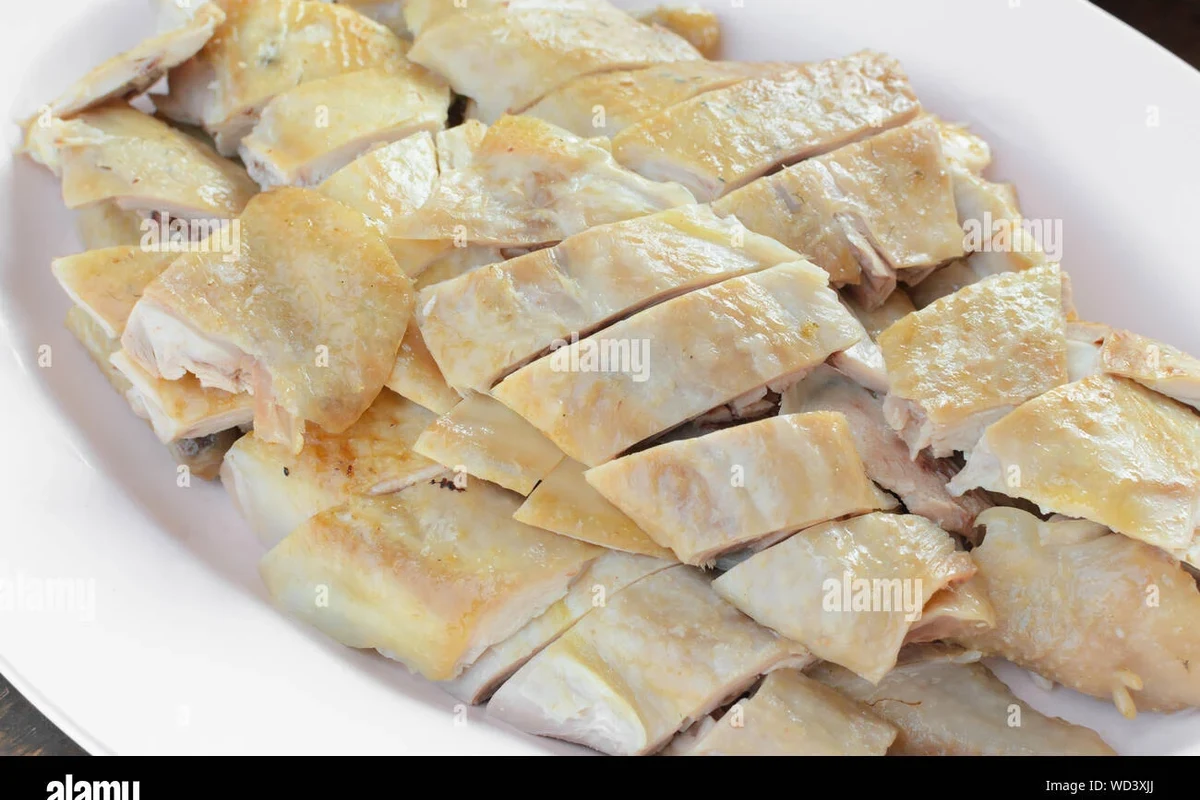
Boiling is often misunderstood as a “set it and forget it” task. In reality, the way you manage the heat determines whether your chicken ends up succulent or tough and fibrous. By understanding the interaction between heat and muscle proteins, you can achieve a superior texture for your meal prep ideas with chicken breast.
Boiling vs. Poaching: Defining the Technique
While often used interchangeably, there is a distinct difference. A hard, rolling boil can cause the proteins in chicken to seize up, resulting in a rubbery texture. Poaching, which involves cooking the chicken in liquid kept just below the boiling point (a gentle shimmer), is the preferred method for maintaining moisture and tenderness.
The Importance of Internal Temperature for Food Safety
Regardless of the cooking method, food safety is non-negotiable. According to the USDA, all poultry must reach an internal temperature of 165°F (74°C) to be considered safe for consumption. Relying on visual cues like “no longer pink” is not enough; a meat thermometer is the only way to verify safety.
Essential Ingredients and Prep for Perfectly Boiled Chicken
Boiled chicken acts as a blank canvas. By adding aromatics to your water or broth, you can infuse the meat with flavor from the inside out.
Selecting the Best Cuts for Flavor and Texture
Bone-in, skin-on cuts generally provide more flavor and moisture because the bones release collagen during the cooking process. If you are looking for lean options for salads, boneless breasts are excellent, though they require more careful monitoring to prevent overcooking.
Flavoring the Broth: Aromatics and Seasonings for Belizean Flair
Don’t boil your chicken in plain water. Enhance your results by adding onion, garlic, celery, carrots, and peppercorns. For a touch of Belizean influence, consider adding a sprig of fresh thyme or a bay leaf. When seasoning, you can incorporate some of the best spices for chicken to elevate the final dish, especially if you plan to shred the meat for tacos or casseroles.
Save the cooking liquid! Once you remove the chicken, you are left with a flavorful stock that can be used as a base for soups or to cook rice, reducing food waste and adding depth to your meals.
Step-by-Step: How to Boil Chicken Safely
Place the chicken in a large pot and cover it with cold water or broth by about an inch. Add your chosen aromatics and seasonings.
Bring the liquid to a boil, then immediately reduce the heat to a gentle simmer. You should see small bubbles rising, not a violent rolling boil.
Skim off any foam or impurities that rise to the surface during the first few minutes of simmering to keep your broth clear.
After the estimated time, insert a meat thermometer into the thickest part of the meat. If it reads 165°F (74°C), it is ready.
Common Mistakes to Avoid When Boiling Chicken
- Use a thermometer to confirm 165°F.
- Use a gentle simmer for better texture.
- Skim the surface for a cleaner broth.
- Boiling at high heat for the entire time.
- Overcrowding the pot, which lowers the temperature.
- Leaving chicken out at room temperature after cooking.
Post-Cooking: Storage, Reheating, and Usage
Once cooked, handle your chicken with care to maintain quality. If you are not using it immediately, allow it to cool slightly before placing it in an airtight container. Refrigerate cooked chicken within two hours of cooking, and consume it within three to four days. If you find yourself with leftovers, you can easily incorporate them into chicken and yellow rice casserole or other quick, hearty dishes.
Never leave cooked chicken at room temperature for more than two hours. If the kitchen is warm, reduce this time to one hour to prevent bacterial growth.
Final Recommendations for the Home Chef
Boiling is an efficient, low-fat way to prepare chicken, perfect for those busy days when you need reliable protein ready to go. By focusing on a gentle simmer rather than a harsh boil and always verifying the internal temperature with a thermometer, you ensure both safety and quality. Whether you are prepping for a week of healthy lunches or building the base for a flavorful soup, this method remains a staple for any home cook.
Common Questions
A whole chicken typically takes between 45 to 60 minutes, depending on its size, to reach the safe internal temperature of 165°F.
No, the water should be brought to a boil and then reduced to a simmer to ensure the chicken cooks evenly without becoming tough.
Yes, overcooking will cause the chicken to become dry and fibrous. Use a timer and monitor the temperature closely.
Yes, adding salt to the water helps season the meat from the inside as it cooks.
Let it sit in the liquid for a few minutes if you want it to remain moist, then remove it and place it in a shallow container to speed up cooling before refrigerating.
Frequently Asked Questions
While a thermometer is the only safe way to confirm, the juices should run clear and the meat should be opaque throughout with no pink remaining. However, always verify with a food thermometer to reach 165°F.
It is generally safer and results in better texture if you thaw chicken in the refrigerator first. Boiling frozen chicken can lead to uneven cooking, where the outside is overdone while the inside remains undercooked.
Toughness usually results from boiling at too high a temperature for too long. Keep the liquid at a gentle simmer, not a rolling boil, to keep the muscle fibers tender.
Cooked chicken should be stored in an airtight container and kept in the refrigerator for three to four days. Always ensure it is cooled properly before storing.
Removing the skin is optional. Leaving it on can add flavor and moisture to the broth, but it will also increase the fat content in the liquid.
Yes, the water becomes a flavorful chicken stock. Store it in the refrigerator for up to three days or freeze it for later use in soups and stews.