Chicken Breast Weight

An average boneless, skinless chicken breast typically weighs between 6 and 10 ounces. Always measure your chicken by weight rather than count to ensure consistent cooking times and portion sizes.
Understanding chicken breast weight is essential for any home cook looking to master the art of Belizean cuisine. Whether you are preparing a traditional stew or a quick weeknight meal, knowing how to portion and scale your ingredients ensures consistent flavor and perfect texture every time.
- Weight vs. Count: Relying on weight ensures more accurate seasoning and cooking times.
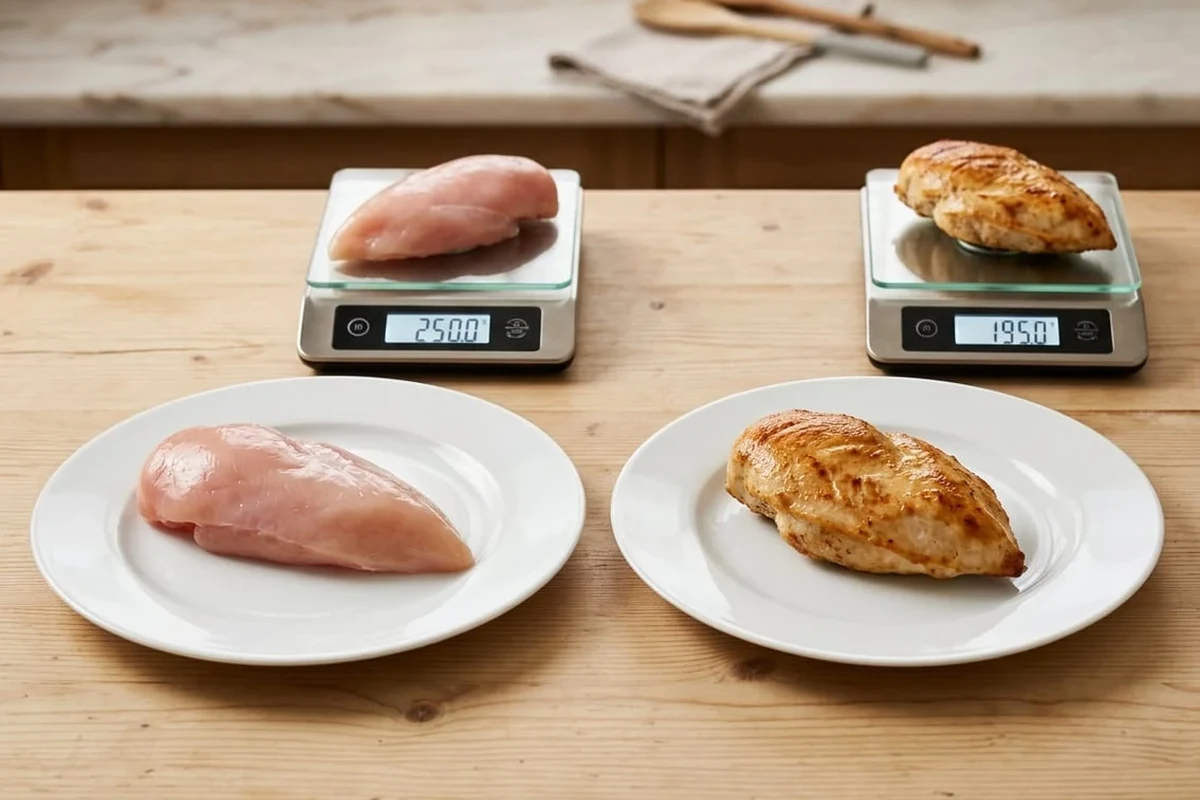
- Shrinkage Factor: Expect a 20-25% reduction in weight once the chicken is fully cooked.
- Safety First: Always verify doneness with a thermometer at 165°F (74°C).
- Even Cooking: Pound thick breasts to a uniform thickness for better results.
Understanding Chicken Breast Weight: The Culinary Standard for Belizean Cooking
In the vibrant world of Belizean cooking, chicken is a staple protein. From the classic Belizean BBQ Chicken Recipe to hearty curries, the success of your dish often begins at the butcher counter. Chicken breast weight is not just about the numbers on a scale; it is a critical factor in how heat penetrates the meat, how seasonings distribute, and how long your chicken needs to simmer or sear to reach the ideal internal temperature.
The Average Weight of a Chicken Breast: What to Expect at the Market
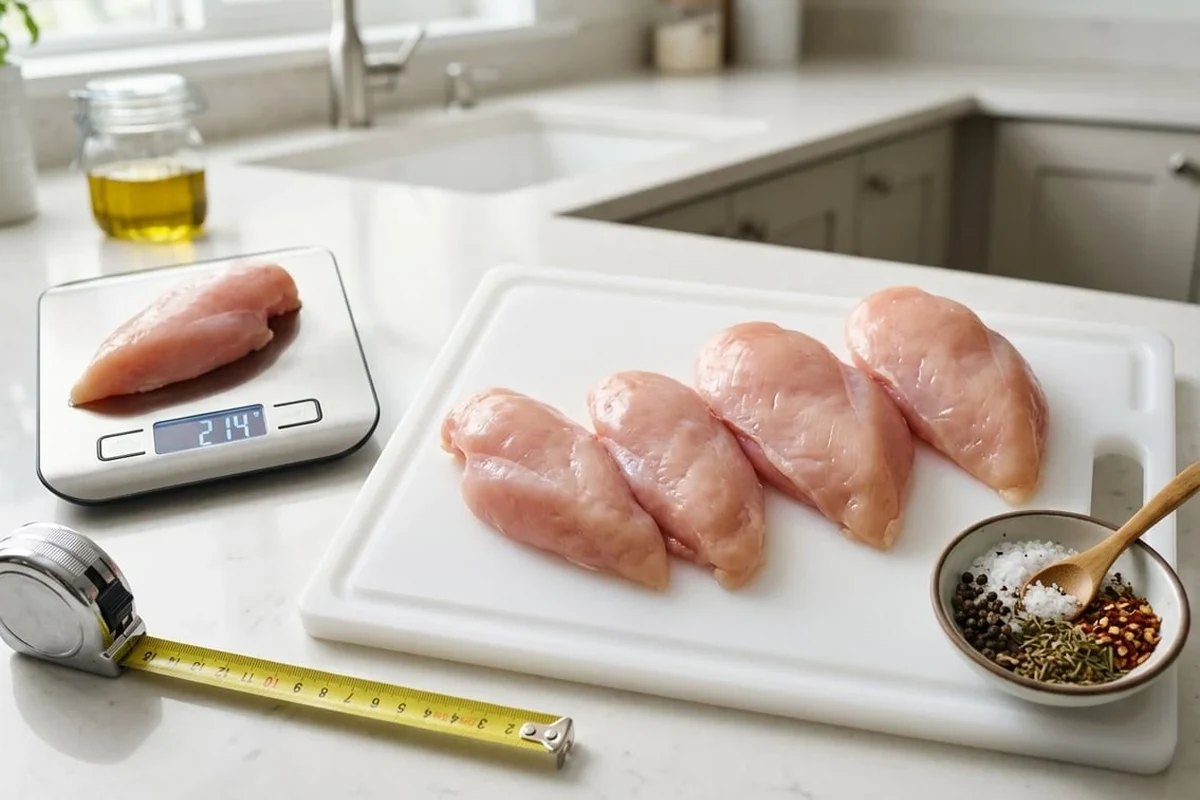
When shopping in 2026, you will notice that chicken breasts vary significantly in size. Understanding these variations helps you plan for family meals or batch cooking sessions.
Standard Weights for Boneless, Skinless Breasts
A typical single boneless, skinless chicken breast usually weighs between 6 and 10 ounces. However, it is common to find “jumbo” packs where a single lobe can weigh up to 12 or 14 ounces. If your recipe calls for a specific number of breasts rather than a weight, it is wise to adjust your cooking time based on the actual thickness of the fillets.
The Impact of Bone-In and Skin-On Varieties on Total Weight
If you prefer cooking with bone-in, skin-on breasts—often favored for their moisture content in traditional dishes like Belizean Curry Chicken Recipe—remember that the bone accounts for a portion of the total weight. You should generally account for an extra 20% to 30% in weight to ensure you have enough meat to satisfy your guests after the bones are removed or discarded.
When buying bone-in chicken, always calculate your portions based on the weight of the meat you intend to serve, not the total weight of the package, to avoid under-portioning.
Buying Guide: How to Select the Right Portion for Your Belizean Recipes
Selecting the right chicken is an exercise in both quality control and practical kitchen management.
Assessing Quality and Freshness at the Butcher Counter
Look for meat that is firm to the touch and pale pink in color. Avoid packages that have excessive liquid or a dull, greyish tint. In 2026, many markets provide clear “use-by” dates; always prioritize the freshest stock available, especially if you are not planning to cook the chicken immediately.
Why Weight Matters for Consistent Recipe Scaling
Scaling a recipe is risky if you only rely on the count of breasts. A 10-ounce breast requires more time to cook through than a 6-ounce one. By weighing your protein, you ensure that your spice rubs and marinades are applied in the correct ratio, preventing the meat from being either under-seasoned or overly salty.
Nutritional Impact: Calculating Calories and Macros Based on Weight
For those tracking their nutritional intake, weight is the only accurate metric. A 4-ounce serving of raw, skinless chicken breast provides a lean protein foundation, but keep in mind that moisture loss during the cooking process will reduce the final weight on your plate.
Portion Control for Healthy Belizean-Inspired Meals
To maintain portion control, aim for a 4-ounce raw serving per person. This typically yields about 3 ounces of cooked meat. Using a kitchen scale is the most reliable way to ensure you are meeting your dietary goals without the guesswork.
Understanding Cooked vs. Raw Weight Shrinkage
Chicken breast typically loses about 20% to 25% of its weight during cooking due to water evaporation and fat rendering. If you start with 1 pound (16 ounces) of raw chicken, expect roughly 12 ounces of cooked meat.
Cooking Techniques: Adjusting Time and Temperature by Weight
The relationship between size and heat is linear: larger, heavier breasts require lower, slower heat to reach the center without drying out the exterior.
The Relationship Between Breast Size and Cooking Duration
If you are using a Ninja Woodfire Grill Chicken Breast Recipe, the weight of the fillet dictates the grill time. A 6-ounce breast might take 12 minutes, whereas a 10-ounce breast could require 18 minutes or more. Always use a meat thermometer to verify doneness.
Ensuring Even Cooking for Different Thicknesses
Use a meat mallet to pound thicker breasts to an even thickness. This ensures the entire piece of chicken reaches the safe internal temperature of 165°F (74°C) at the same time, preventing the thin tail end from becoming rubbery while you wait for the thickest part to finish.
Always cook chicken to an internal temperature of 165°F (74°C). Use a calibrated digital thermometer inserted into the thickest part of the breast to ensure safety.
Recipe Spotlight: Belizean-Style Stewed Chicken Breast
Stewing is a classic way to ensure that even larger, leaner chicken breasts remain tender and flavorful.
Essential Ingredients and Flavor Profiles
Authentic stewed chicken relies on a base of recado (annatto paste), garlic, onions, and a splash of vinegar. The acidity helps break down the muscle fibers, which is particularly helpful if you are working with heavier, store-bought breasts.
Step-by-Step Cooking Technique for Optimal Tenderness
Common Mistakes and How to Avoid Dry, Overcooked Meat
The most common error is boiling the chicken on high heat. Keep the liquid at a gentle simmer; high heat causes the proteins to tighten and squeeze out moisture, leading to a stringy, dry texture.
Food Safety and Handling: Standards for 2026 Home Cooks
Safe handling is non-negotiable. Keep your raw chicken separate from ready-to-eat foods to prevent cross-contamination.
Safe Thawing Practices and Temperature Guidelines
Always thaw frozen chicken in the refrigerator. Never thaw on the counter, as this allows the exterior of the meat to enter the “danger zone” where bacteria can multiply rapidly.
Storage and Shelf Life: Keeping Your Chicken Fresh
Store raw chicken in the coldest part of your refrigerator, usually the bottom shelf. Use it within 1 to 2 days of purchase. If you cannot use it within that window, freeze it immediately to maintain quality.
Troubleshooting and Substitutions
If your recipe calls for 1 pound of chicken and you only have 12 ounces, do not worry—you can supplement with hearty vegetables like potatoes or chayote to stretch the dish.
What to Do If Your Chicken Breast Weight Varies from the Recipe
If you have more chicken than the recipe calls for, increase your aromatics and liquids proportionally. If you have less, reduce the cooking time slightly to avoid over-reduction of your sauce.
Best Protein Alternatives if Chicken Breasts Are Unavailable
Chicken thighs are a fantastic, more forgiving alternative that stays juicy longer than breasts. If you need a lean option, turkey breast slices can often be substituted in stews with similar results.
Final Recommendations for the Belizean Home Kitchen
Mastering chicken breast weight is about observation and preparation. By weighing your ingredients, using a thermometer to verify safety, and adjusting your cooking times based on the physical size of the meat, you will find that your Belizean dishes become more consistent and professional. Remember that the best results come from high-quality ingredients handled with care, ensuring every meal you prepare is as delicious as the last.
Common Questions
Account for roughly 20-30% extra weight to compensate for the bone, which is not edible.
Yes, larger breasts have more surface area and mass, often requiring more marinade to ensure deep flavor penetration.
While possible, it is safer and leads to better quality if you thaw it in the refrigerator first to ensure even cooking.
Dryness is usually caused by overcooking or using too high a heat; always use a thermometer to pull it off the heat at 165°F.
A standard digital kitchen scale is the most accurate tool for weighing raw poultry.
Frequently Asked Questions
A standard boneless, skinless chicken breast typically weighs between 6 and 10 ounces. However, larger varieties can reach 14 ounces.
Chicken breast generally loses about 20% to 25% of its raw weight during the cooking process due to water and fat loss.
The safest method is to thaw chicken in the refrigerator. Never thaw on the counter, as this encourages bacterial growth.
Use a meat mallet to pound the thicker parts of the breast to an even thickness. This ensures the entire piece cooks at the same rate.
Raw chicken should be stored on the bottom shelf of the refrigerator and used within 1 to 2 days of purchase.
Chicken must be cooked to an internal temperature of 165°F (74°C) to be considered safe for consumption.