Chicken and Yellow Rice Casserole

A chicken and yellow rice casserole is a classic one-pot meal that uses annatto-based recado for deep, earthy flavor and a vibrant golden color. It is a reliable, comforting dish that balances tender poultry with fluffy, perfectly seasoned rice.
A chicken and yellow rice casserole is a hearty, one-pot dish that captures the vibrant spirit of Belizean home cooking by combining tender poultry, aromatic spices, and perfectly cooked grains. This dish is designed to bring family and friends together, offering a reliable, comforting meal that relies on traditional seasoning methods to create deep, savory layers of flavor.
- Flavor Foundation: Use authentic recado paste to achieve the signature Belizean color and taste.
- Rice Technique: Use long-grain white rice and keep the pot covered to ensure perfectly steamed, non-mushy.
- Safety First: Always ensure chicken reaches an internal temperature of 165°F (74°C) using a thermometer.
- One-Pot Efficiency: Sear the chicken first to build flavor, then add the rice and liquid to.
What is a Traditional Belizean-Style Chicken and Yellow Rice Casserole?
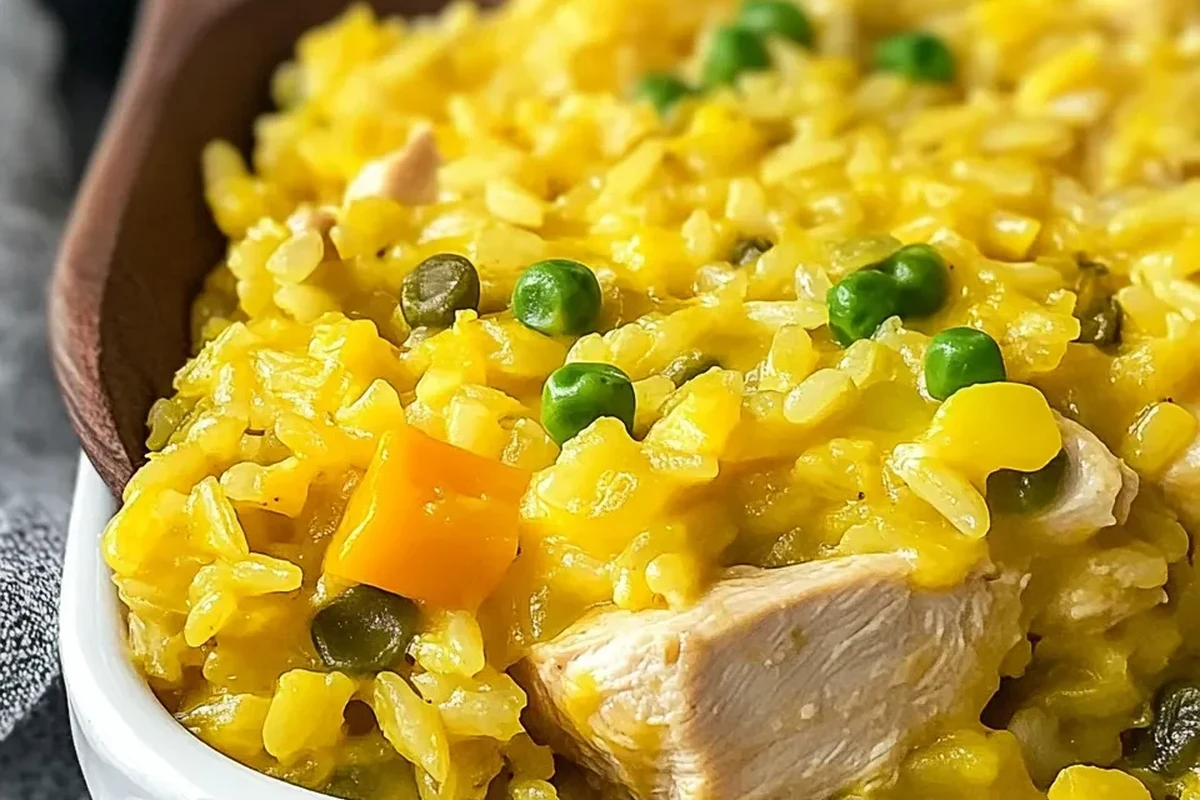
In Belize, a casserole of this nature is more than just a meal; it is a reflection of the country’s diverse culinary heritage. Unlike Western-style casseroles that often rely on cream-based soups or heavy cheeses, the Belizean approach focuses on the integrity of the protein and the seasoning of the rice. At its core, this dish involves long-grain rice cooked in a flavorful broth, tinted with the signature golden hue of annatto, and layered or tossed with chicken that has been seasoned with local aromatics.
The result is a fluffy, fragrant rice dish where every grain is infused with the essence of the chicken. It is a staple often found at community gatherings, Sunday dinners, and festive occasions, valued for its ability to serve a crowd while remaining budget-friendly and deeply satisfying.
Why This Casserole is the Ultimate Belizean Comfort Food

Comfort food is defined by its ability to nourish and satisfy, and this casserole hits every mark. The combination of savory chicken and spiced rice provides a balanced meal that feels like a warm embrace. When you serve this dish, you are sharing a piece of Belizean culture that prioritizes fresh aromatics and patience in the kitchen.
Who This Recipe Fits: From Busy Weeknights to Sunday Gatherings
The one-pot nature minimizes cleanup, making it ideal for hectic weeknight schedules.
This dish holds its texture well, making it a perfect candidate for batch cooking throughout the week.
It is easily scaled to feed large groups, acting as a centerpiece for casual Sunday lunches.
Key Ingredients for an Authentic Belizean Flavor Profile
The secret to an authentic flavor profile lies in the pantry staples that define Caribbean cooking. You aren’t just making rice; you are building a foundation of flavor.
The Importance of Recado and Achiote
Recado (often referred to as achiote paste) is the lifeblood of many Belizean dishes. This paste, made from annatto seeds, garlic, cumin, and other spices, provides the dish with its characteristic earthy flavor and vibrant yellow-to-red color. Without it, the dish loses its identity. It acts as both a seasoning and a natural coloring agent that permeates the rice during the cooking process.
Choosing the Right Rice and Poultry Cuts
For the best results, use long-grain white rice. It offers the right starch content to remain separate and fluffy rather than becoming a porridge-like consistency. For the chicken, bone-in, skin-on pieces are preferred for long-simmering methods as they provide more flavor to the cooking liquid. However, for a quicker casserole preparation in 2026, boneless thighs are a popular choice as they remain moist and tender without requiring extensive trimming or bone removal.
Step-by-Step Cooking Technique: Building Layers of Flavor
The technique is simple but requires attention to detail regarding heat management and liquid ratios.
Season your chicken with recado, salt, black pepper, and a touch of lime juice. Let it rest for at least 30 minutes to allow the flavors to penetrate the meat.
Brown the chicken in a heavy-bottomed pot or Dutch oven. You aren’t aiming to cook it through, but to develop a deep, caramelized crust on the skin that will add flavor to the rice later.
Sauté onions, garlic, and sweet peppers in the same pot to pick up the drippings from the chicken.
Add the rice to the pot, toasting it briefly in the fat, then add your broth and the chicken. Cover and simmer until the liquid is absorbed and the chicken is fully cooked.
If you enjoy variety, you might consider pairing this with a side of Belizean coconut rice for a different texture profile, or serve it alongside a Belizean curry chicken recipe for a more robust, spice-forward meal.
Common Mistakes to Avoid for Perfect Texture
Managing Moisture Levels: Avoiding Mushy Rice
The most common error is adding too much liquid. Because the chicken releases its own juices during the cooking process, it is important to slightly reduce the amount of stock you would normally use for plain rice. Always keep the lid tightly sealed to trap the steam, which is essential for cooking the rice evenly without needing to stir it.
Achieving the Golden Crust Without Burning
If you prefer a crispy bottom layer, known in some cultures as “socarrat,” you can increase the heat for the final two minutes of cooking. However, watch carefully; the sugars in the recado can burn quickly. For those who prefer a uniform texture, simply remove the pot from the heat and let it rest for 10 minutes before fluffing with a fork.
Ensure the chicken reaches an internal temperature of 165°F (74°C) as measured by a food thermometer. Always verify doneness at the thickest part of the meat to ensure food safety.
Safe Handling and Storage: Keeping Your Casserole Fresh
Food Safety Cues: Determining Doneness
Beyond the temperature check, look for the juices to run clear. If the liquid in the pot is still cloudy or pink, the chicken requires more time. When cooking in an oven and warming drawer setup, ensure the dish is covered with foil to prevent the top layer of rice from drying out before the center is cooked.
Best Practices for Reheating and Storage
Store leftovers in an airtight container in the refrigerator for up to 3 to 4 days. When reheating, add a tablespoon of water or broth to the container to restore the moisture that is inevitably lost during refrigeration. Avoid reheating multiple times; only warm the portion you intend to eat.
Substitutions and Variations for the Modern Kitchen
Ingredient Swaps for Dietary Preferences
While traditional recipes use chicken, you can easily substitute with vegetables like bell peppers, peas, and carrots for a vegetarian version. If you are watching your sodium intake, opt for low-sodium chicken broth and adjust the salt levels manually. For those who enjoy a bit of heat, adding fresh habanero peppers during the simmering stage will provide that signature Belizean kick.
Scaling the Recipe for Large Crowds
When scaling up, it is often better to cook the chicken and rice in batches or use multiple smaller pots rather than one massive vessel. This ensures that the heat distribution remains even and prevents the bottom layer of rice from turning into a paste under the weight of the chicken.
- Use high-quality recado for the authentic flavor and color.
- Always use a meat thermometer to ensure the chicken reaches 165°F.
- Keep the lid on to allow the steam to cook the rice evenly.
- Store leftovers in airtight containers for up to 4 days.
Final Verdict: Bringing the Taste of Belize to Your Table
The chicken and yellow rice casserole is a testament to the idea that simple ingredients, when treated with respect and traditional seasoning, can create a world-class meal. It is an approachable dish for home cooks of all levels, offering a reliable way to put a hearty dinner on the table. While it requires a bit of patience during the simmering process, the reward is a vibrant, flavorful, and filling meal that remains a cornerstone of the Belizean kitchen in 2026 and beyond.
Common Questions
The vibrant yellow color comes from recado (achiote paste), which is made from annatto seeds and various aromatic spices.
Yes, boneless chicken thighs are an excellent, convenient choice that stays moist and tender during the cooking process.
The base recipe is mild, but you can increase the heat by adding fresh habanero peppers during the simmering stage.
The total cooking time typically ranges from 40 to 50 minutes, depending on the heat source and the cut of chicken used.
Rinsing the rice before cooking helps remove excess surface starch, which prevents the final dish from becoming too sticky.
Frequently Asked Questions
While you can use brown rice, it requires significantly more liquid and a longer cooking time. You will need to adjust your recipe accordingly as the texture will be chewier than traditional long-grain white rice.
Avoid over-stirring the rice once it starts simmering, as this releases excess starch. Ensure your liquid-to-rice ratio is accurate and keep the pot tightly covered to maintain consistent steam.
Recado is a paste made from achiote seeds combined with other spices, whereas achiote powder is just the ground seeds. The paste provides a much deeper, more complex flavor profile essential for this dish.
Reheat in a pan over low heat with a splash of water or broth, or microwave in a covered container. Adding moisture helps revive the texture of the rice.
The chicken is safe to eat when it reaches an internal temperature of 165°F (74°C). Use a meat thermometer to check the thickest part of the meat without touching the bone.
Yes, you can marinate the chicken in advance to save time. However, it is best to cook the rice fresh to ensure the best texture and avoid the starch breaking down too much.