12 Oz Chicken Breast (Cooking Guide & Times)

A 12 oz chicken breast is a high-protein, versatile cut that benefits from being pounded to an even thickness for consistent cooking. Always use a meat thermometer to ensure it reaches a safe internal temperature of 165°F without drying out.
A 12 oz chicken breast is a substantial, protein-packed cut that serves as a versatile foundation for everything from quick weeknight dinners to complex, flavor-forward dishes. Understanding how to manage this specific portion size is the secret to moving beyond basic cooking and achieving consistent, restaurant-quality results in your own kitchen.
- Preparation: Pound the thickest parts to ensure even cooking and faster results.
- Moisture: Use a salt-water brine to keep the meat tender during longer cook times.
- Safety: Always use a digital thermometer to confirm an internal temperature of 165°F.
- Resting: Let the meat rest for at least 5-10 minutes to lock in juices.
What Is a 12 Oz Chicken Breast and Why Does Size Matter?
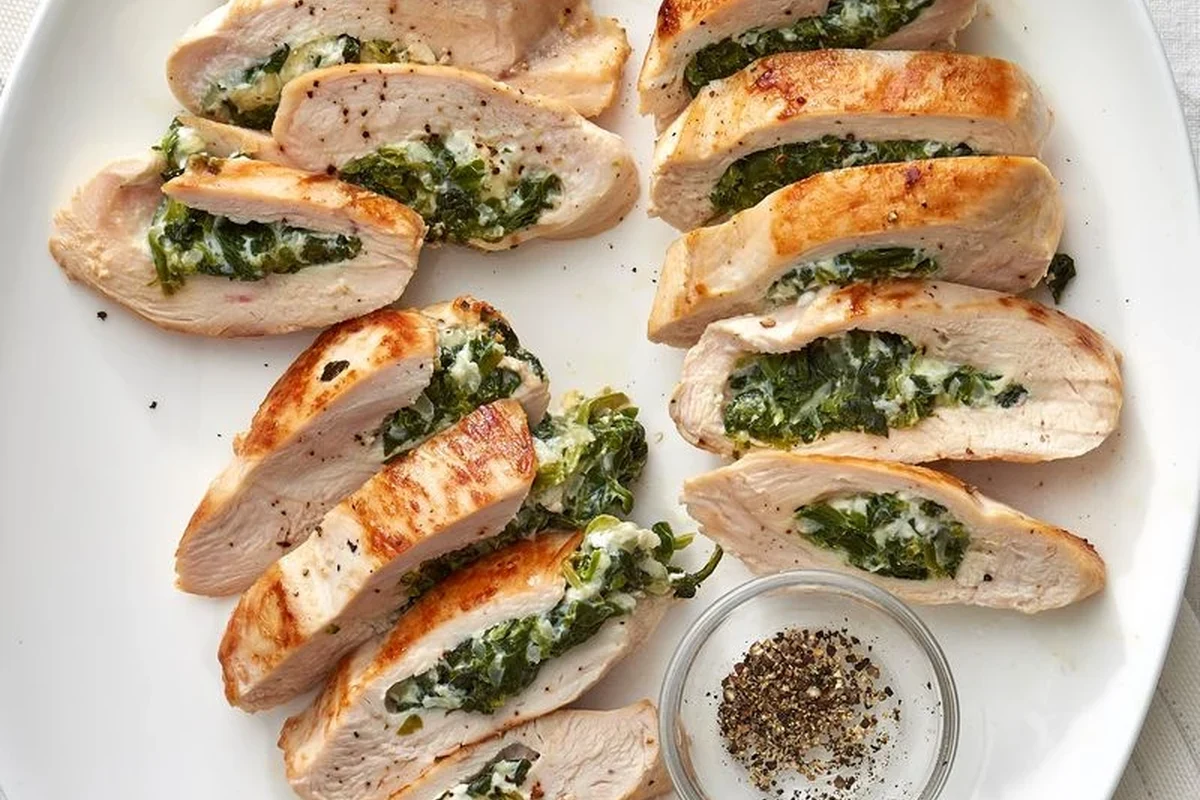
In the culinary world, a 12 oz chicken breast is considered an “extra-large” portion. While many standard recipes are written for 6 to 8 oz breasts, a 12 oz piece offers unique advantages for families or those looking to maximize their grocery budget. Because this cut is significantly thicker and heavier than standard supermarket fillets, it requires a different approach to heat management. If you treat a 12 oz breast exactly like a smaller fillet, you risk burning the exterior while the center remains dangerously undercooked.
When working with a 12 oz breast, consider slicing it horizontally into two thinner cutlets or “butterflying” it. This reduces the cooking time significantly and ensures the meat remains succulent rather than drying out during the longer heat exposure required for a thicker cut.
Selecting the Perfect 12 Oz Chicken Breast: Buying Guide
Understanding Weight and Portion Control in 2026
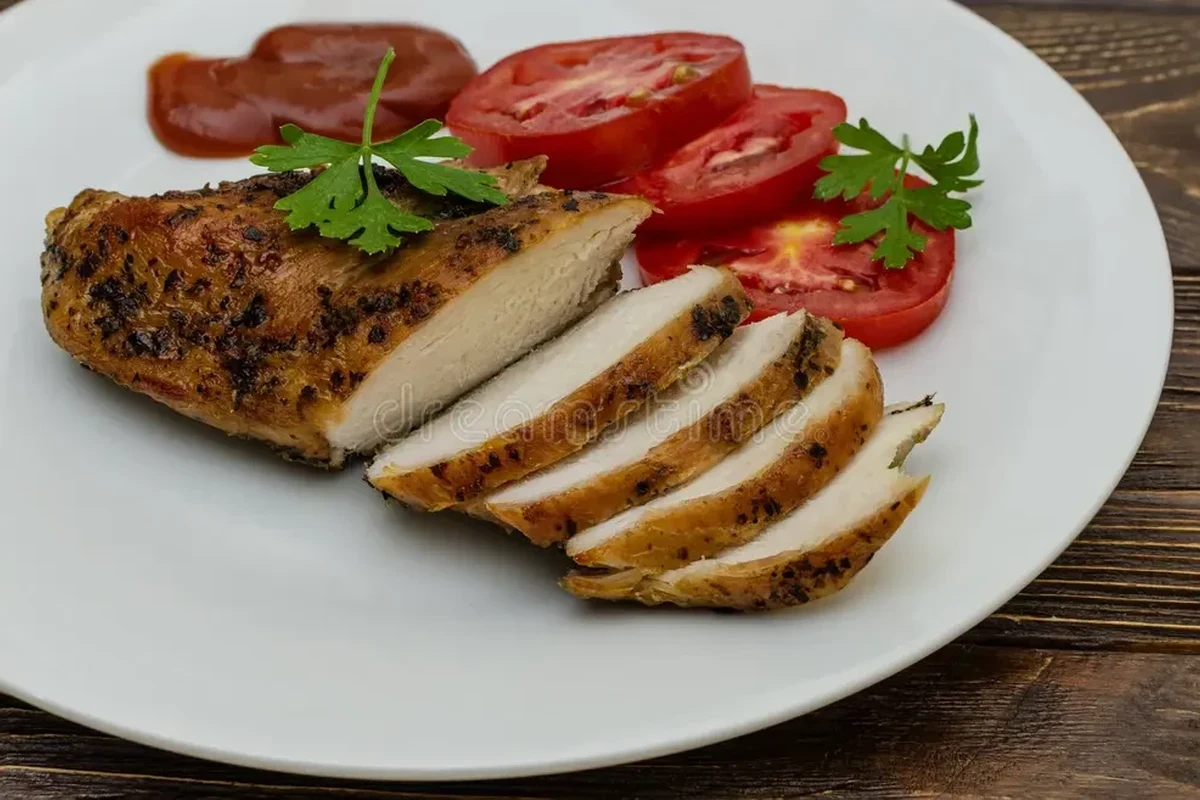
As we move through 2026, consumer demand for transparent labeling has increased. When purchasing a 12 oz breast, look for “individually quick frozen” (IQF) options if you want the flexibility of pulling exactly what you need from the freezer, or fresh, vacuum-sealed packs for immediate use. Remember that the weight on the label often reflects the raw, pre-trimmed state; if you need to trim significant fat or connective tissue, your actual yield may be slightly lower.
Fresh vs. Frozen: Quality Indicators for the Home Cook
Fresh chicken should appear plump and resilient, with a clean, neutral scent. Avoid packages with excessive liquid (purge) in the bottom, as this can indicate temperature fluctuations during transit. For frozen options, check for signs of freezer burn—white, dehydrated patches on the surface—which suggest the packaging was compromised. High-quality frozen chicken should have minimal ice crystals inside the bag.
Nutritional Profile and Health Benefits
Chicken breast is a lean source of high-quality protein, essential for muscle maintenance and satiety. A 12 oz serving is quite large, typically providing enough protein for two moderate servings, making it an excellent candidate for meal prep with chicken breast. While nutrition content varies by brand and production method, it remains a low-fat staple that easily absorbs the bold flavors common in our favorite dishes.
Preparation Techniques: Maximizing Tenderness and Flavor
The Importance of Even Thickness
The biggest challenge with a 12 oz breast is the uneven shape—the “tapered” end cooks much faster than the thickest part. Using a meat mallet to gently pound the thickest portion to match the thinner end creates a uniform thickness. This simple step is critical for ensuring the entire piece reaches the target internal temperature at the same time.
Brining for Moisture Retention
Because larger breasts spend more time on the heat, they are more prone to drying out. A simple salt-water brine (using roughly 1/4 cup of salt per quart of water) for 30 to 60 minutes can work wonders. This process allows the muscle fibers to absorb moisture, creating a buffer against the high heat of a grill or oven.
Always pat the chicken completely dry with paper towels after brining. Moisture on the surface prevents the Maillard reaction, meaning your chicken won’t achieve that prized golden-brown crust.
Cooking Methods for a 12 Oz Portion
Pan-Searing for a Golden Crust
Pan-searing is ideal for 12 oz breasts that have been butterflied. Use a heavy-bottomed skillet and a touch of olive oil on chicken breast to facilitate even browning. Start on medium-high heat to set the crust, then lower the heat to finish cooking through.
Oven-Roasting: Achieving Consistent Internal Temperature
For a whole 12 oz breast, oven-roasting is the most reliable method. Roasting at 400°F (200°C) allows the heat to penetrate the center slowly without scorching the exterior. This method is perfect for those who want to incorporate best spices for chicken to create a flavorful, hands-off meal.
Grilled Perfection: Managing Direct vs. Indirect Heat
Grilling a 12 oz breast requires a two-zone setup. Sear the chicken over high, direct heat for 2-3 minutes per side to get those beautiful grill marks, then move the chicken to the cooler, indirect side of the grill to finish cooking. This prevents the outside from charring before the inside is safe to eat.
A meat thermometer guarantees juicy results — see top-rated meat thermometers here.
Food Safety, Handling, and Storage Standards
Safe Internal Temperatures and Doneness Cues
According to food safety authorities, chicken must be cooked to an internal temperature of 165°F (74°C). Always use a digital meat thermometer inserted into the thickest part of the breast to verify doneness. Do not rely on visual cues like “juices running clear,” as these are not reliable indicators of safety.
Never rinse raw chicken in the sink, as this spreads bacteria to your counters and utensils. If you have leftover cooked chicken, refrigerate it within two hours and consume it within 3-4 days.
Common Mistakes and Troubleshooting
Avoiding the “Rubber Chicken” Syndrome
Rubberiness usually stems from two things: overcooking or failing to let the meat rest. Once your chicken hits 165°F, pull it off the heat and let it rest on a board for at least 5-10 minutes. This allows the juices to redistribute throughout the meat, resulting in a much more tender texture.
Correcting Undercooking and Overcooking
If you realize the center is undercooked after slicing, simply place the pieces into a hot pan with a splash of water or broth and cover tightly for 2 minutes to steam. If you have overcooked the chicken, it is best used shredded in a salad or mixed into a sauce to mask the dryness.
Substitutions and Versatility in Belizean Cooking
A 12 oz breast is highly adaptable. In traditional Belizean recipes, this size is perfect for creating hearty stews or shredding for tacos. If you find the portion is too large for a single meal, you can easily divide it into smaller strips for stir-fries or use it as a base for Belizean chicken tacos. The mild flavor of the breast makes it the perfect canvas for seasoning blends like achiote or recado.
- Always use a meat thermometer to ensure the internal temperature reaches 165°F.
- Pound the breast to an even thickness to guarantee consistent cooking.
- Let the chicken rest for 5-10 minutes after cooking to retain moisture.
- Brining and proper heat management are the best ways to keep large portions tender.
Final Verdict: Is the 12 Oz Breast Right for Your Kitchen?
The 12 oz chicken breast is an excellent choice for those who value versatility and cost-effectiveness. While it requires a bit more care regarding heat management compared to smaller cuts, its ability to be transformed into multiple meals makes it a smart staple for any home cook. If you prefer quick, uniform fillets, you may want to stick to smaller portions or plan to slice the 12 oz breasts down before cooking.
More: 2 lbs chicken breast guide.
Common Questions
Depending on the method, it typically takes 15-20 minutes in an oven at 400°F or 10-12 minutes on the stovetop when butterflied.
Most 12 oz breasts are sold skinless, but if yours has skin, you can leave it on for extra flavor or remove it to reduce fat content.
Yes, cooked chicken can be stored in an airtight container in the refrigerator for up to 4 days.
Reheat gently in a pan with a tablespoon of broth or water over low heat to prevent the meat from becoming stringy.
Baking is more consistent for large pieces, but grilling provides better flavor if you use a two-zone heat setup.
Frequently Asked Questions
Pound the thickest part of the breast with a meat mallet until it matches the thickness of the rest of the fillet. This ensures the entire piece finishes at the same time.
Brining the chicken for 30-60 minutes before cooking helps it retain moisture. Additionally, avoid overcooking by using a meat thermometer to pull it off the heat exactly at 165°F.
It is safer and produces better results to thaw the chicken in the refrigerator overnight. If you must cook from frozen, use an Instant Pot to ensure even, safe heat distribution.
Rest the chicken for at least 5 to 10 minutes after cooking. This allows the juices to redistribute, ensuring every bite is moist.
A 12 oz breast is quite large and often contains more than one standard serving of protein. It is a healthy, lean choice, but you may want to split it between two people or use it for multiple meals.
Always use a digital food thermometer inserted into the thickest part of the meat. The chicken is safe and done when it reaches an internal temperature of 165°F (74°C).