
Instructions for Self Cleaning Frigidaire Oven

Operating the self-cleaning feature on your Frigidaire oven involves initiating a high-heat cycle that incinerates food residue into fine ash, which you simply wipe away once the unit has cooled. This automated process saves significant time and physical labor, allowing you to maintain a pristine cooking environment without the need for harsh chemical cleaners.
- Clear the interior: Always remove racks and large food spills to prevent damage or excessive smoke.
- Safety first: Ensure the room is well-ventilated and never attempt to force the door open during.
- Select duration: Choose the cycle length based on the amount of grease or grime present.
- Post-clean care: Wait for the oven to cool entirely before wiping away the fine ash residue.
How to Use the Self-Cleaning Feature on Your Frigidaire Oven: A Step-by-Step Guide
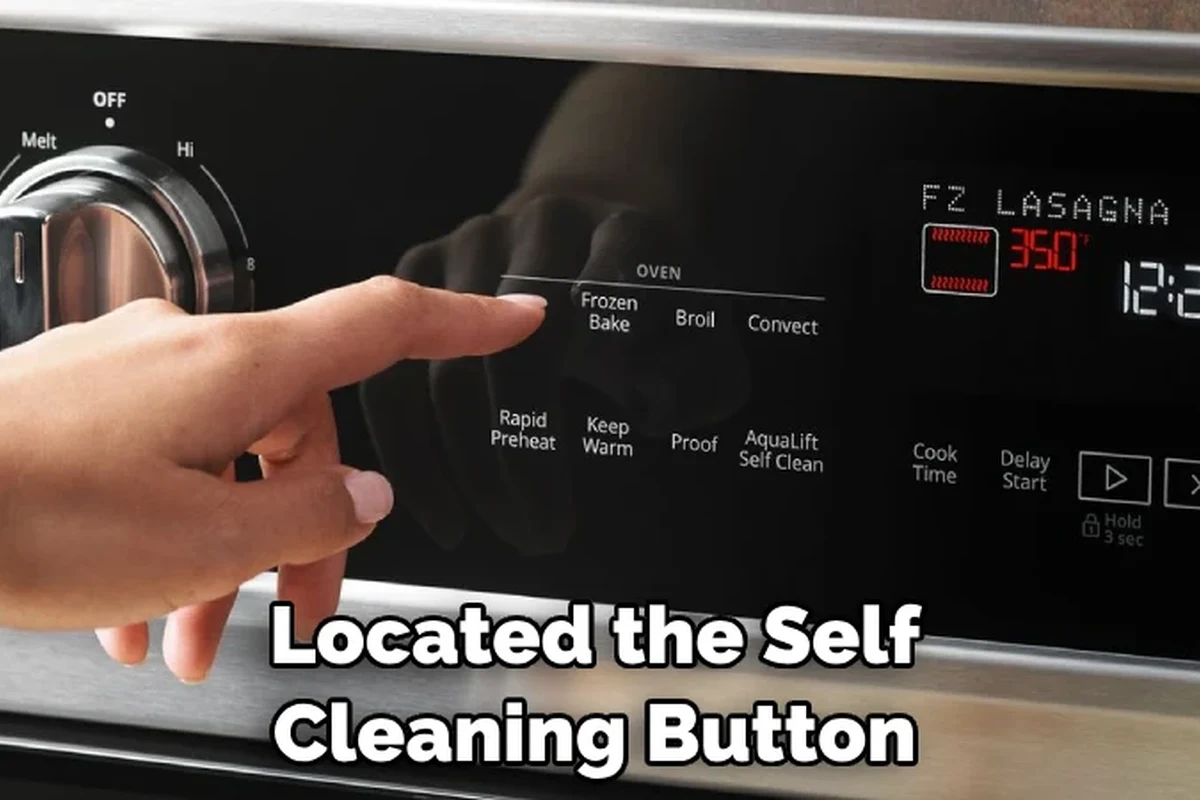
Maintaining a clean oven is essential for both flavor integrity and appliance longevity. By following the correct manufacturer protocols, you can ensure your oven remains efficient throughout 2026 and beyond. This guide outlines the proper workflow for using your Frigidaire’s built-in maintenance cycle safely and effectively.
What is the Frigidaire Self-Cleaning Cycle and Who Is It For?
The Frigidaire self-cleaning cycle is a pyrolytic cleaning system that heats the oven cavity to extremely high temperatures—often between 800°F and 900°F. This thermal process breaks down grease, sugar, and protein-based spills that have become baked onto the interior walls. It is an ideal solution for busy home cooks who want to avoid the fumes and scrubbing associated with manual oven cleaners. While it is highly effective for routine maintenance, it is not intended for heavy, caked-on carbon deposits that have built up over several years of neglect.
Preparation Before You Start: Essential Safety and Cleaning Steps
Preparation is the most critical phase of the process. Failing to clear the oven interior can result in permanent damage to your racks or the appliance’s heating elements.
Removing Oven Racks and Accessories
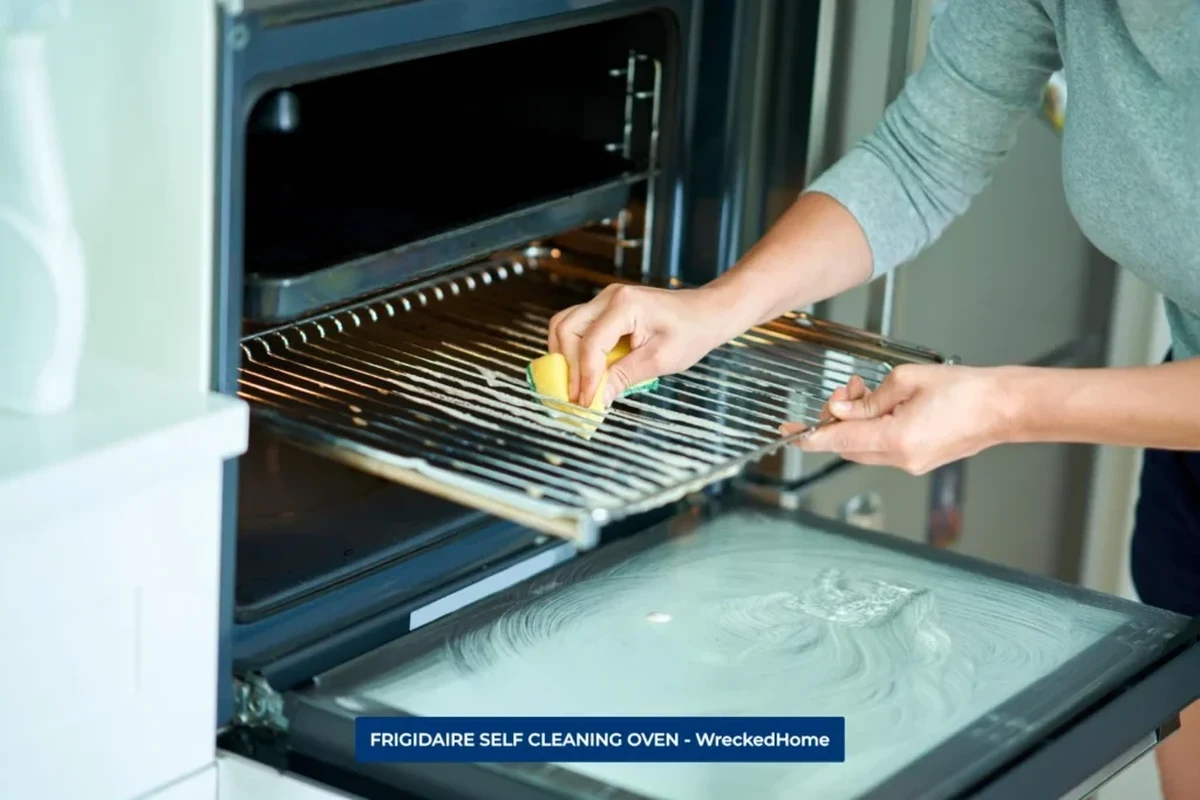
You must remove all oven racks, roasting pans, and pizza stones before initiating the cycle. The high heat used during the process can discolor the chrome plating on standard racks, causing them to lose their smooth finish and potentially making them difficult to slide in and out of the rack supports later.
Clearing Loose Debris and Spills
Use a damp cloth to wipe out any large pieces of food or standing grease from the bottom of the oven. If these items are left inside, they may catch fire or create excessive smoke when exposed to the extreme temperatures of the cleaning cycle.
Step-by-Step Instructions for Operating the Self-Cleaning Cycle
Selecting the Cycle Duration Based on Soil Level
Not every mess requires a maximum-length cycle. For light maintenance, a 2-hour cycle is usually sufficient. If you have significant buildup, a 3 or 4-hour cycle may be necessary. Always prioritize the shortest duration that will handle the soil level to reduce energy consumption.
Locking the Door and Initiating the High-Heat Process
Once the cycle begins, the door remains locked for safety. It will not unlock until the oven has cooled down to a safe temperature, which can take an additional hour or more after the cleaning phase finishes. Instructions for Self Cleaning Frigidaire Oven
Real-Kitchen Benefits: Why Use Self-Cleaning Instead of Manual Scrubbing?
Manual cleaning often requires caustic chemicals that can leave behind residues, potentially affecting the taste of future meals. The self-cleaning cycle relies purely on heat, which is a cleaner method for those concerned about chemical exposure. Furthermore, it reaches into the corners and crevices of the oven that are physically difficult to reach with a sponge or brush.
Common Mistakes to Avoid During the Self-Cleaning Process
Many users inadvertently damage their appliances by overlooking simple requirements. Avoiding these pitfalls will ensure your oven stays in top shape.
Ignoring Manufacturer Guidelines on Temperature
Never attempt to force the door open while the cycle is running. The internal temperatures are high enough to cause serious injury, and the locking mechanism is designed to protect both the user and the appliance’s electronics.
Leaving Non-Oven Safe Cookware Inside
Ensure that no silicone liners, foil, or non-stick pans remain in the oven. These materials can melt or release toxic fumes at the high temperatures maintained during the cycle.
Limitations and Risks: When to Skip the Self-Cleaning Cycle
While convenient, this feature is not a “cure-all.” If you are sensitive to smoke or have respiratory issues, ensure your kitchen is well-ventilated by turning on your range hood or opening windows. In some instances, the smoke generated from burnt-on sugar can be significant.
Potential Risks to Electronic Components
The intense heat can sometimes affect the sensitive electronic control boards located near the top of the oven. If your oven is older, consider consulting a technician before running a long cycle, as the heat may stress aging wiring.
Post-Cleaning Care: How to Handle Ash and Residue Safely
Once the oven has completely cooled and the door lock disengages, you will likely find a fine layer of gray ash at the bottom. Simply use a damp microfiber cloth to wipe this away. For stubborn spots that didn’t fully burn off, a gentle scrub with a non-abrasive pad is usually enough to finish the job.
Final Verdict: Is the Frigidaire Self-Cleaning Feature Worth It?
The self-cleaning feature is a highly effective tool for maintaining an oven, provided you follow safety guidelines and prepare the unit correctly. It is best suited for homeowners who prefer a “set it and forget it” approach to cleaning. If you are a high-volume cook, performing this cycle quarterly will keep your oven performing at its peak through 2026 and beyond, ensuring that your culinary efforts remain consistent and fresh.
Common Questions
No, you must remove all aluminum foil. It can melt or fuse to the oven walls at high temperatures.
Perform a light manual cleaning of large debris first. If the build-up is severe, you may need to repeat the cycle after a cooling period.
It is best to stay home while the oven is in high-heat mode to monitor for any unusual smoke or issues.
Generally, no, as it is a built-in feature. However, always check your specific Frigidaire manual for model-specific warnings.
You should wait until the oven has cooled down fully. Using it immediately while still hot may affect the internal thermostat calibration.
Frequently Asked Questions
Yes, you must remove all oven racks. The extreme heat can damage the finish and cause the racks to become discolored or warped.
The cycle typically lasts between 2 and 4 hours depending on the soil level. Keep in mind that the cooling phase adds extra time before the door unlocks.
A small amount of smoke is common as residue burns off. Ensure your kitchen is well-ventilated by using a range hood or opening windows.
No, you should never use chemical oven cleaners inside the oven if you plan to use the self-cleaning feature, as the heat can cause dangerous fumes.
The door remains locked for safety until the oven temperature drops below a specific threshold. Wait for the unit to cool completely before trying to open it.
For most households, running the cycle every 3 to 6 months is sufficient. Only use it when necessary to minimize wear on the oven’s components.


