Meal Prep with Chicken Breast

Meal prep with chicken breast involves batch-cooking lean protein to ensure healthy, ready-to-eat meals throughout the work week. By focusing on gentle cooking methods and airtight storage, you can maintain moisture and flavor for up to four days.
Meal prep with chicken breast is a cornerstone of efficient home cooking, offering a lean, versatile protein that adapts to almost any flavor profile. By mastering a few foundational techniques, you can ensure your weekly meals remain fresh, flavorful, and safe to eat throughout the entire work week.
- Temperature Safety: Always cook to an internal temperature of 165°F to ensure safety.
- Moisture Retention: Use poaching or light sauces to keep the meat tender during storage.
- Effective Storage: Use high-quality airtight glass containers for optimal freshness.
- Variety Hacks: Keep the base chicken neutral and add different sauces or spices at serving time.
Meal Prep with Chicken Breast: The Ultimate Guide for 2026

Why Chicken Breast is the Gold Standard for Meal Prep
Nutritional Profile and Macro-Efficiency
Chicken breast is widely favored for its high protein-to-calorie ratio. As a lean source of essential amino acids, it provides a clean base for those tracking macros or simply seeking a balanced diet. In 2026, the focus remains on nutrient density, and chicken breast serves as an ideal canvas for pairing with fiber-rich vegetables and complex carbohydrates.
The Versatility Factor: From Belizean Stews to Global Salads
The beauty of chicken breast lies in its mild flavor, which absorbs marinades and spices exceptionally well. Whether you are craving a traditional Belizean curry chicken recipe or a crisp, modern salad, this cut provides the necessary structure. Its ability to transition from a hearty main dish to a cold salad topper makes it the most efficient ingredient for batch cooking.
How to Select and Buy the Best Chicken Breast
Understanding Quality Labels and Sourcing
When selecting chicken, labels can be confusing. Terms like “organic,” “free-range,” or “antibiotic-free” often relate to specific farming practices. Always check the packaging for the sell-by date to ensure maximum freshness. If you are buying in bulk, consider purchasing family-sized packs, which often have a lower price per pound.
Budgeting Strategies for Weekly Prepping
To keep costs low, look for sales cycles at your local grocer. If you find a significant discount, you can freeze portions for later use. Always verify the packaging integrity to ensure no leaks or tears have occurred during transport or storage.
When buying in bulk, divide the chicken into individual meal-sized portions before freezing. This prevents the need to thaw the entire batch when you only need a portion for one or two meals.
Mastering the Prep: Essential Cooking Techniques
The Perfect Poach: Keeping It Moist for Reheating
Poaching is one of the most underrated methods for meal prep. By gently simmering chicken in seasoned broth, you lock in moisture that often evaporates during high-heat cooking. This method results in tender meat that retains its texture even after a few days in the refrigerator.
Oven-Roasted vs. Pan-Seared: Which Method Lasts Longer?
Oven-roasting large batches is typically more time-efficient than pan-searing. While pan-searing provides a delicious crust, it can lead to uneven cooking if you crowd the pan. For consistent results, use an electric range with a double oven to roast multiple trays at once, ensuring your protein is ready for the week in a single session.
The “Belizean Infusion” Technique: Marinating for Maximum Flavor
To avoid the “bland chicken” trap, use a robust marinade. A blend of citrus, garlic, onion, and local spices can transform a basic breast. Allow the chicken to marinate for at least 30 minutes, though two hours is ideal for deeper penetration of flavors.
Core Ingredients and Flavor Profiles for Your Weekly Rotation
Essential Spices and Pantry Staples
Keep a rotation of spice blends on hand. Whether it is a jerk-inspired rub or a simple lemon-herb mix, changing the seasoning keeps your palate interested. Pantry staples like olive oil, soy sauce, and apple cider vinegar are essential for creating quick pan sauces or dressings.
Healthy Fats and Acids for Moisture Retention
Acid (like lime or vinegar) acts as a tenderizer, while fats (like avocado or olive oil) create a protective barrier. When prepping, adding a light drizzle of oil before storing can help prevent the chicken from drying out during the reheating process.
- Use airtight glass containers for storage.
- Let the chicken reach room temperature before storing.
- Storing chicken while it is still steaming hot.
- Leaving chicken in the danger zone for over two hours.
Food Safety and Safe Handling Protocols
Temperature Control: The Danger Zone and Proper Thawing
Safety is paramount when handling poultry. According to food safety standards, chicken must be cooked to an internal temperature of 165°F (74°C). Use a meat thermometer to confirm doneness, as color is not a reliable indicator. Always thaw frozen chicken in the refrigerator, never on the counter.
Sanitization Best Practices in a Busy Kitchen
Prevent cross-contamination by using dedicated cutting boards for raw poultry. Wash all surfaces, utensils, and hands thoroughly with hot, soapy water after handling raw meat to maintain a safe kitchen environment.
Storage, Shelf Life, and Reheating Strategies
The Airtight Advantage: Choosing the Right Containers
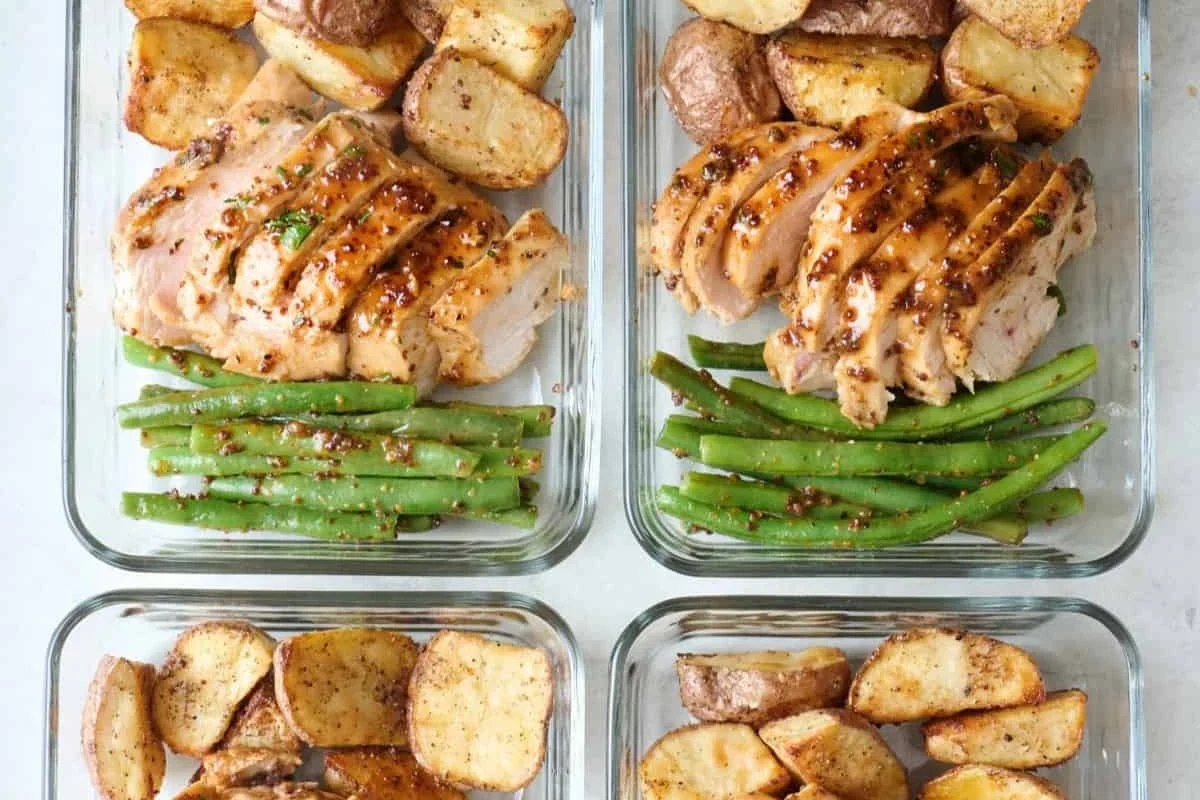
Glass containers with locking lids are superior for meal prep as they do not retain odors and are safe for both the microwave and the dishwasher. They also provide a better seal, which helps maintain the quality of the chicken for 4–5 days.
If you notice any unusual odor, slimy texture, or discoloration after three days, discard the chicken immediately. Always trust your senses when it comes to food safety.
The Art of Reheating: Avoiding the “Rubber Chicken” Effect
The secret to reheating is low and slow. Instead of nuking your meal on high power, use a lower setting and add a splash of water or broth to the container. This creates a steam effect, gently warming the meat without toughening the protein fibers.
Common Mistakes and Troubleshooting Tips
Why Your Chicken Dries Out (And How to Fix It)
Overcooking is the primary cause of dry chicken. If you find your leftovers are consistently dry, try slightly undercooking the chicken during the initial prep phase—aim for 160°F, as carry-over heat will bring it to the safe 165°F threshold. Additionally, storing the chicken in its cooking juices or a light sauce can drastically improve the texture upon reheating.
Balancing Flavors: Preventing Meal Prep Fatigue
If you find yourself bored with your meals, try preparing a “neutral” base of poached or roasted chicken and then adding different sauces—like a pesto, a spicy salsa, or a creamy tahini dressing—at the time of eating. This simple trick allows you to enjoy variety throughout the week without extra cooking.
The Verdict: Is Chicken Breast Meal Prep Right for You?
Meal prepping with chicken breast is an excellent strategy for anyone looking to save time and maintain consistent nutrition. While it requires an initial investment of time and attention to food safety, the long-term payoff in kitchen efficiency is significant. For those who enjoy variety, focusing on a versatile base protein allows you to incorporate dishes like chicken with escarole soup or quick stir-fries without starting from scratch every night. By prioritizing safe storage and proper reheating, you can enjoy high-quality, homemade meals all week long.
- Always cook chicken to an internal temperature of 165°F.
- Use airtight storage to maintain moisture for up to five days.
- Reheat gently with a splash of liquid to prevent the meat from drying out.
- Focus on versatile cooking methods like poaching or roasting for the best results.
Common Questions
Yes, it is highly efficient due to its lean protein content and ability to absorb diverse flavors.
Avoid overcooking the chicken initially and reheat it gently with a splash of liquid.
Always thaw frozen chicken in the refrigerator to keep it out of the temperature danger zone.
Yes, but ensure both are cooled to room temperature before sealing to prevent excess moisture buildup.
Oven-roasting is the most efficient way to prepare large quantities of chicken breast consistently.
Frequently Asked Questions
Cooked chicken breast can be stored safely in an airtight container in the refrigerator for 3 to 4 days.
Keep the chicken moist by storing it with a small amount of sauce or broth, and avoid overcooking it during the initial prep phase.
Yes, you can freeze cooked chicken in freezer-safe bags or containers for up to three months for best quality.
According to food safety guidelines, chicken must reach an internal temperature of 165°F (74°C) to be safe to consume.
Yes, but you must thaw the chicken completely in the refrigerator before cooking to ensure even heat distribution and safety.
Prepare a neutral chicken base and use different sauces, herbs, or spices daily to change the flavor profile without extra work.