Olive Oil on Chicken Breast

Applying olive oil to chicken breast creates a protective barrier that seals in moisture and ensures an even, golden-brown sear. This simple step elevates the texture of lean poultry while providing a perfect base for your favorite spice rubs.
Using olive oil on chicken breast is a foundational culinary technique that helps retain moisture, encourages even browning, and acts as a flavor carrier for seasonings. By understanding how to apply it correctly, you can transform a lean, often dry cut of meat into a succulent, restaurant-quality meal right in your home kitchen.
- Moisture retention: Olive oil prevents the lean breast meat from drying out during high-heat cooking.
- Better searing: A thin layer of oil ensures uniform heat transfer for a consistent, golden crust.
- Flavor base: Oil acts as a carrier for seasonings, helping spices adhere to the surface of.
- Temperature control: Always match the oil type to your cooking temperature to avoid smoke and bitter.
Is Olive Oil the Secret to Perfect Chicken Breast?
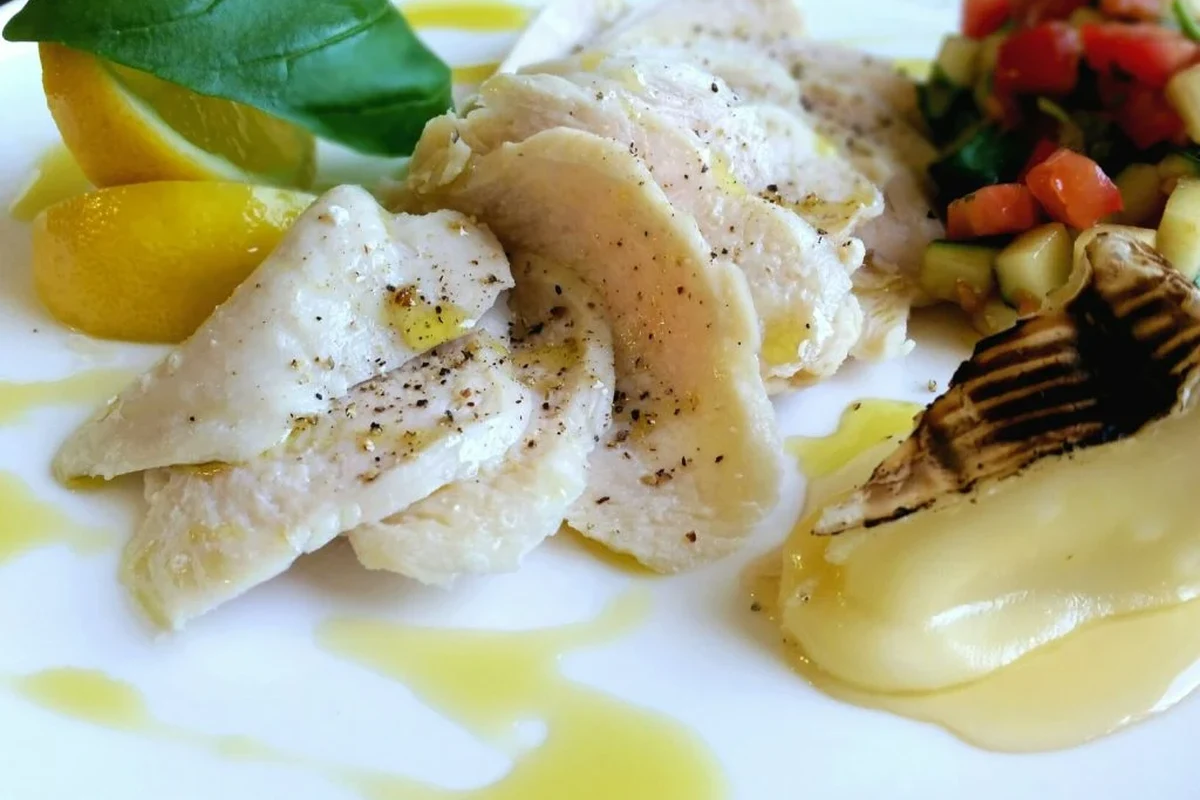
For many home cooks, the biggest challenge with chicken breast is its tendency to dry out during the cooking process. Because chicken breast is naturally low in fat, it lacks the internal marbling that keeps other cuts juicy. Olive oil acts as a protective barrier, conducting heat evenly across the surface of the meat while sealing in natural juices.
The Science Behind Olive Oil and Lean Poultry
When you coat a chicken breast in olive oil, you are essentially creating a thermal interface between the pan and the protein. This ensures that the heat is distributed uniformly, which is crucial for preventing the “graying” effect often caused by uneven cooking. Furthermore, the fat in olive oil helps break down connective tissues slightly, leading to a more tender texture. As of 2026, culinary research continues to emphasize that using a high-quality fat is the most effective way to manage the rapid moisture loss inherent in lean poultry.
Why Olive Oil is a Pantry Essential for Belizean-Inspired Kitchens
In Belizean cooking, we value ingredients that serve multiple purposes. Olive oil is incredibly versatile; it works just as well in a simple pan-sear as it does when drizzled over a Belizean BBQ chicken recipe. Its ability to marry with local spices—like recado, cumin, or garlic—makes it an indispensable tool for infusing deep, complex flavors into chicken breast without requiring heavy sauces.
Always bring your chicken breast to room temperature for about 15–20 minutes before applying olive oil and cooking. This prevents the cold meat from dropping the pan temperature, which leads to steaming rather than searing.
Choosing the Right Olive Oil for Your Chicken
Not all olive oils are created equal. Understanding the nuance between bottle labels is key to achieving the desired flavor and texture.
Extra Virgin vs. Regular Olive Oil: Heat Thresholds and Flavor Profiles
Extra Virgin Olive Oil (EVOO) is the least processed, retaining bold, fruity notes. Because of its lower smoke point, it is best reserved for finishing dishes or light sautés. For high-heat searing, a “refined” or “regular” olive oil is often more practical, as it has a higher smoke point and a more neutral flavor that won’t compete with your spice rub.
Quality Indicators: What to Look for at the Grocery Store
When shopping, look for bottles that indicate a harvest date. In 2026, industry standards suggest that freshness is the biggest indicator of quality. Avoid clear bottles if possible, as light exposure degrades the oil’s integrity. A dark-colored glass bottle is your best defense against oxidation.
Techniques for Applying Olive Oil to Chicken Breast
The Marinade Method: Infusing Flavor and Moisture
Marinating is the most effective way to ensure moisture penetrates the meat. By whisking olive oil with acid (like lime or vinegar) and aromatics, you create a liquid that tenderizes the surface. This is a great precursor to making dishes like Belizean chicken tacos, where the chicken needs to be flavorful and tender enough to shred.
The Sear-and-Baste Technique for Crispy Edges
For those who prefer a golden, crispy exterior, the sear-and-baste method is superior. Start with a light coating of oil on the chicken, sear it in a hot pan, and then finish by adding a small knob of butter or a splash of fresh olive oil to the pan to baste the meat as it finishes cooking.
Dry Rubs and Olive Oil: Creating the Perfect Crust
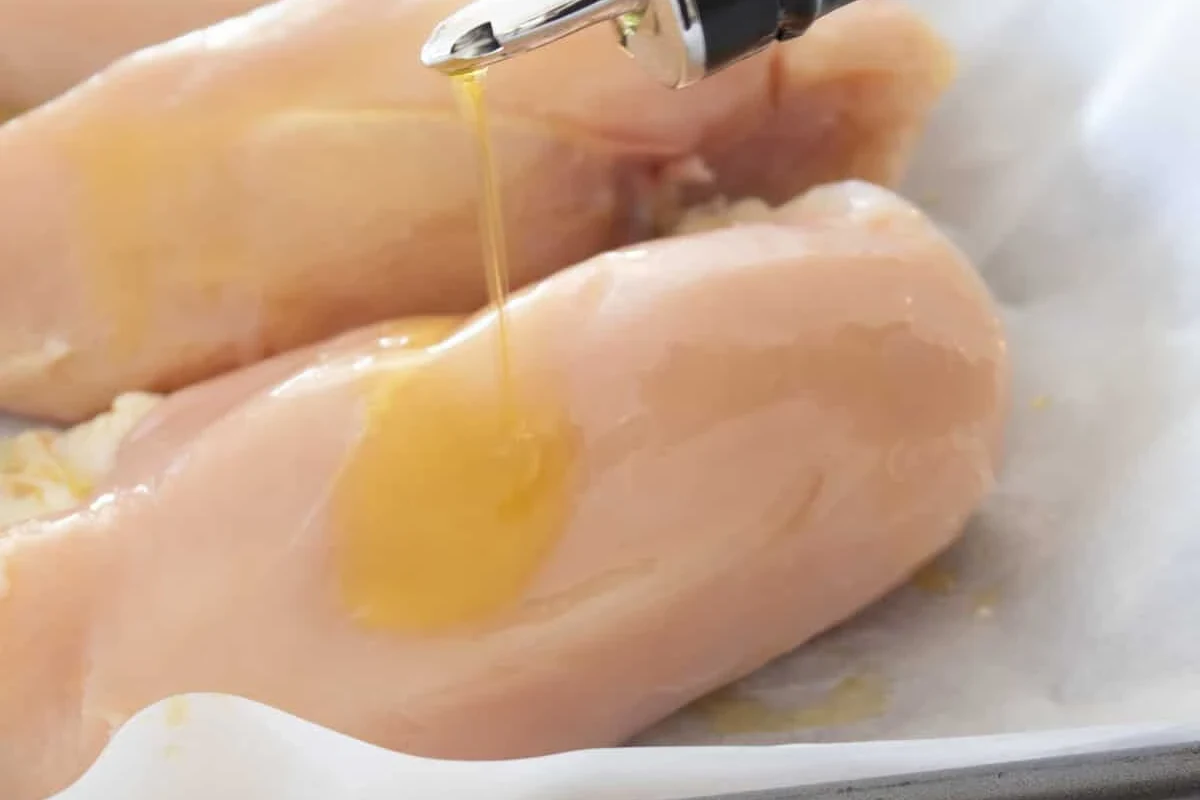
Olive oil acts as the “glue” for dry rubs. By brushing the chicken with a thin layer of oil before applying your spices, you create a cohesive crust that caramelizes beautifully. This prevents the spices from burning instantly and helps them adhere to the meat throughout the cooking process.
Step-by-Step: The Ultimate Pan-Seared Olive Oil Chicken
If you enjoy experimenting with different cooking methods, try applying these olive oil techniques to a Ninja Woodfire Grill chicken breast recipe for a smoky, professional finish.
Safety, Doneness, and Handling
The USDA recommends cooking chicken breast to a minimum internal temperature of 165°F (74°C). Always use a digital meat thermometer inserted into the thickest part of the breast to ensure it is safe to eat.
Storage, Reheating, and Shelf Life
Cooked chicken breast stored in an airtight container will remain safe in the refrigerator for 3 to 4 days. When reheating, add a teaspoon of water or a light drizzle of olive oil to the pan to prevent the proteins from tightening and turning rubbery.
Troubleshooting Common Olive Oil Chicken Issues
- Creates a protective moisture barrier
- Promotes even browning
- Adds heart-healthy fats
- Low smoke points can lead to bitterness
- Excessive oil can create a greasy mouthfeel
Final Verdict: Elevating Your Daily Meals with Olive Oil
Using olive oil on chicken breast is a simple shift that yields significant results. It is ideal for home cooks looking to improve their daily meal prep without needing advanced equipment. While it requires attention to heat levels to avoid smoke, the trade-off for superior texture and flavor is well worth the effort. For the best results, prioritize high-quality oils and always rely on a thermometer to ensure perfect doneness.
Common Questions
Yes, when used with a hot pan, olive oil helps achieve a crispy, golden crust on the exterior of the chicken.
It is best to lightly coat the chicken breast directly with oil before placing it in the pan to ensure even coverage.
Yes, a light spray or brush of olive oil helps chicken breast crisp up effectively in an air fryer without needing deep frying.
Extra virgin olive oil adds a distinct fruity flavor, while refined olive oil is neutral and won’t significantly change the taste of your dish.
Olive oil has a higher smoke point than butter, making it better for searing, though many cooks use a combination of both for flavor and heat management.
Frequently Asked Questions
Yes, but be mindful of the heat. Because extra virgin olive oil has a lower smoke point, it is best for medium-heat cooking rather than intense, high-heat searing.
Sticking usually occurs if the pan isn’t hot enough or if the chicken is moved too soon. Let the crust form naturally, and the chicken will release from the pan on its own.
Marinate for at least 30 minutes, but no longer than 4 hours. Since olive oil doesn’t contain enzymes, the limit is usually dictated by any acidic ingredients added to the marinade.
It is generally not recommended to reuse oil used for raw poultry due to the risk of cross-contamination. Always use fresh oil for every cooking session.
While a thermometer is the only safe standard, you can look for juices that run clear and meat that is opaque throughout. However, always verify with a thermometer to be safe.
Yes, coating the chicken in olive oil helps insulate the meat during roasting. This helps the exterior stay moist while the internal temperature reaches the safe 165°F.