Whole Chicken Chicken Noodle Soup

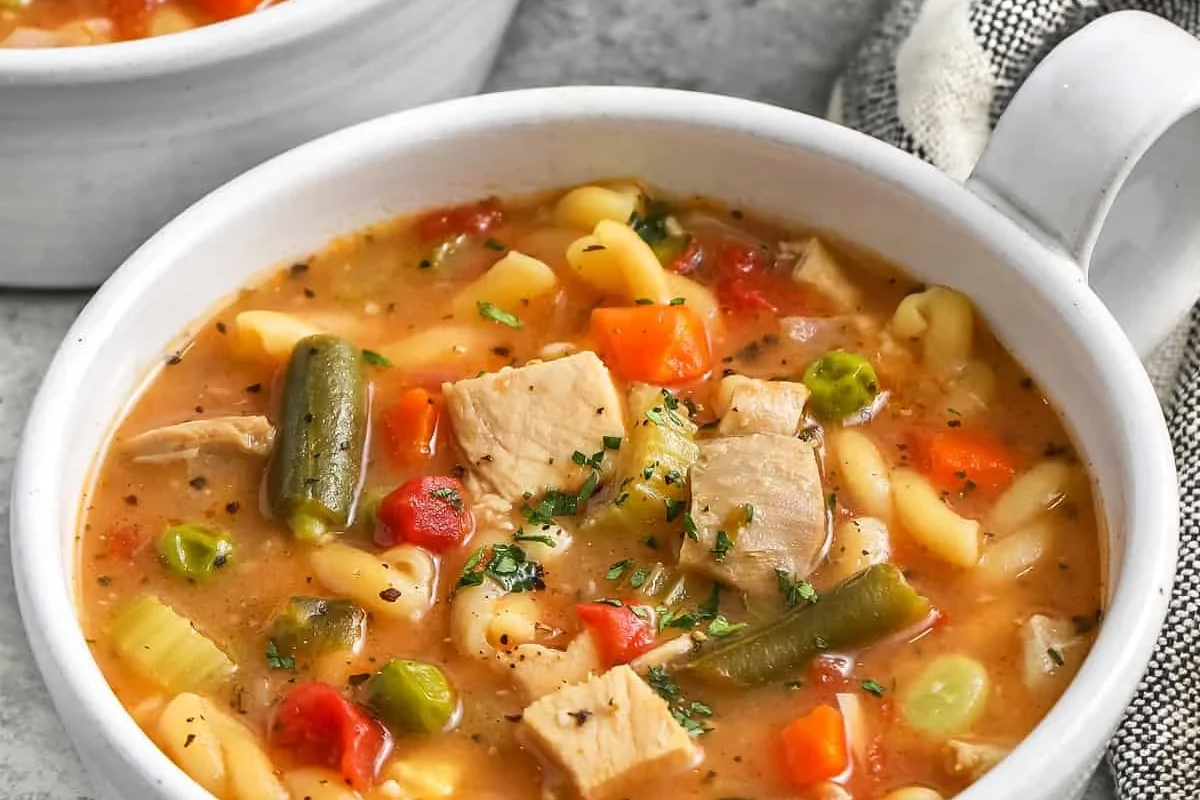
Whole chicken chicken noodle soup is a classic comfort dish made by simmering a whole bird to create a rich, collagen-packed broth. By cooking the noodles separately, you ensure the perfect texture for every serving.
Whole chicken chicken noodle soup is a quintessential comfort meal that relies on a slow-simmered, bone-in broth to deliver deep, authentic flavor. By using the entire bird, you extract natural collagen and richness that store-bought stocks simply cannot replicate, making it a cornerstone dish for home kitchens in 2026.
- Whole Bird Benefit: Using a whole chicken extracts marrow and collagen for a superior, nutrient-dense broth.
- Clear Broth Technique: Maintain a gentle simmer and skim the surface to ensure a clear, golden soup.
- Noodle Strategy: Cook noodles separately to avoid a mushy texture in leftovers.
- Aromatic Depth: Layer fresh herbs and aromatics at different stages to maximize flavor extraction.
What is Whole Chicken Chicken Noodle Soup?
The Belizean Approach to Comfort Food
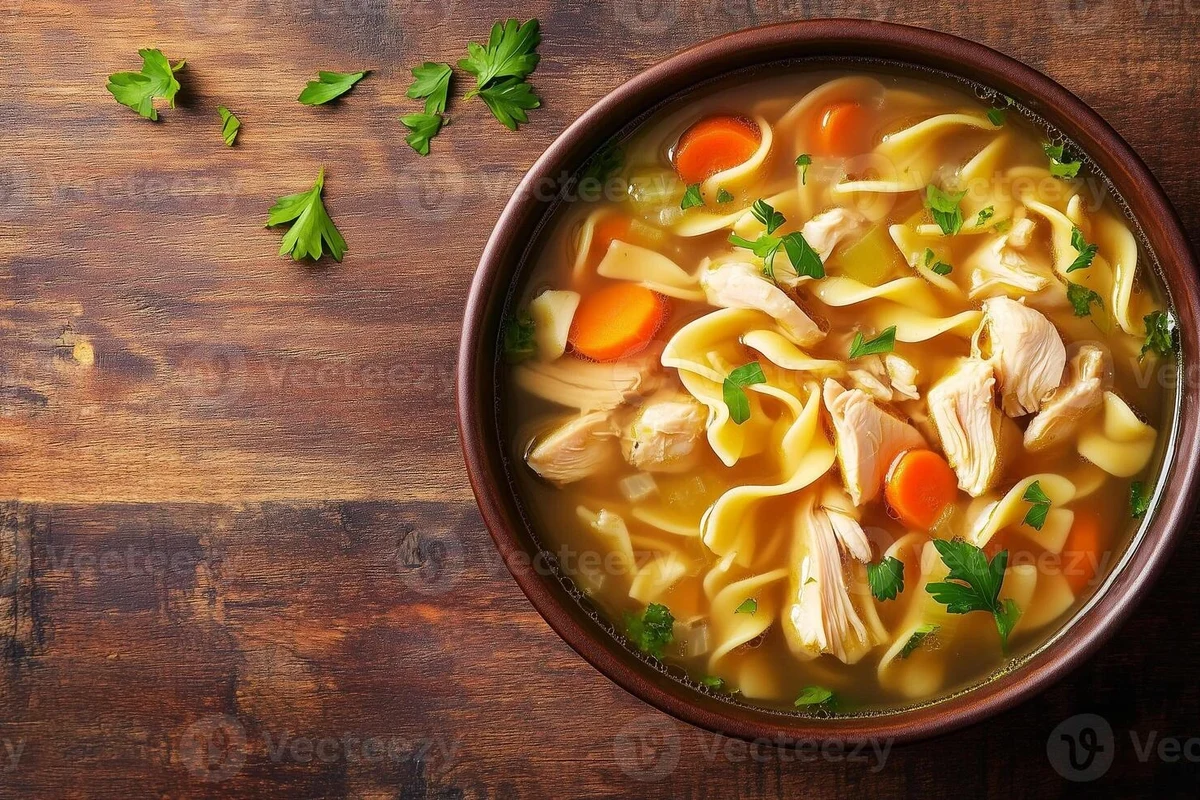
In Belizean kitchens, soup is often treated as a restorative ritual. While many global variations exist, the approach here emphasizes building a robust, golden broth that acts as the backbone of the meal. Unlike quick-fix recipes that rely on bouillon cubes, this method honors the time-tested tradition of simmering the whole bird with aromatics to create a nourishing base. If you enjoy experimenting with heartier textures, you might also be interested in how to serve chicken noodle soup over mashed potatoes for an even more filling experience.
Why Using a Whole Chicken Changes Everything
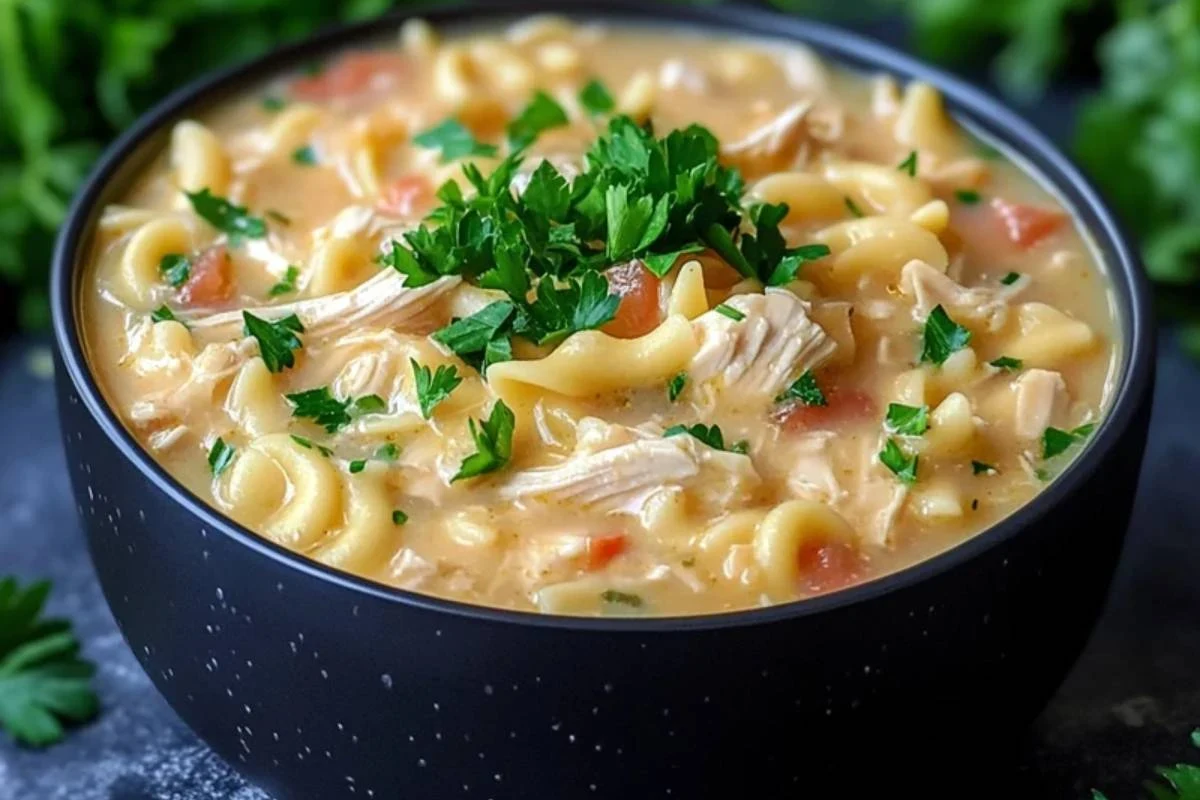
Using a whole chicken provides a balance of white and dark meat, but the true benefit lies in the bones and skin. As the bird simmers, the marrow and connective tissues release gelatin, giving the soup a luxurious mouthfeel. This natural body is what separates a mediocre bowl from a memorable one.
The Essential Ingredients for a Robust Broth
Selecting the Perfect Whole Chicken
When shopping, look for a chicken that feels heavy for its size, indicating good meat-to-bone ratio. Whether you choose organic or conventional, ensure the skin is intact, as it contributes essential fats to the broth. Always check the packaging for a “use or freeze by” date to ensure maximum freshness.
Aromatic Foundations: Beyond Basic Mirepoix
While carrots, celery, and onions are the standard trio, elevating your soup requires a broader aromatic profile. In 2026, many cooks are incorporating ginger, garlic, and even a touch of fresh turmeric to add complexity. These aromatics should be added during the initial simmer to ensure their oils permeate the liquid thoroughly.
The Role of Fresh Herbs and Spices
Fresh herbs like thyme, parsley, and bay leaves are non-negotiable. Add these toward the end of the simmering process to preserve their bright, volatile oils. If you prefer a lighter, more specialized profile, you might consider techniques used in low FODMAP chicken noodle soup, where aromatics are adjusted to accommodate specific dietary needs.
To keep the broth clear, avoid a violent boil. A gentle, consistent simmer prevents the fats from emulsifying into the water, resulting in a cleaner, more golden appearance.
Step-by-Step Cooking Technique: From Bird to Bowl
Phase 1: Preparing and Simmering the Foundation
Place the whole chicken in a large stockpot and cover with cold water. Bring to a boil, then immediately reduce to a low simmer. Skim any foam that rises to the surface during the first 20 minutes to ensure a clear broth.
Phase 2: Shredding, Seasoning, and Noodle Integration
Once the chicken reaches an internal temperature of 165°F, remove it from the pot. Let it cool until it is safe to handle, then shred the meat into bite-sized pieces. Return the bones to the pot for an extra 30 minutes if you want a deeper flavor, then strain the broth before adding your noodles and shredded chicken back in.
Achieving the Perfect Noodle Texture
Cook your noodles separately if you plan on having leftovers. Adding noodles directly to the pot causes them to absorb too much broth and become mushy over time. If you enjoy diverse textures, exploring recipes like chicken with escarole soup can provide inspiration for how different starches and greens interact with broth.
Pro Tips for Real-Kitchen Benefits
- Use cold water to start the broth for better flavor extraction.
- Strain the broth through a fine-mesh sieve.
- Don’t overcook the vegetables until they disintegrate.
- Avoid adding salt too early, as the broth reduces and concentrates.
Safe Handling and Food Safety Standards
Always keep raw chicken separate from other ingredients. After handling, wash hands, utensils, and surfaces with hot, soapy water to prevent cross-contamination. Ensure the chicken reaches an internal temperature of 165°F (74°C) as measured by a food thermometer.
Storage, Reheating, and Preservation
Soup can be refrigerated for up to 3-4 days in an airtight container. For longer storage, freeze the broth without the noodles. Reheat the soup slowly on the stovetop, adding fresh noodles at the very end to maintain their integrity.
Ingredient Substitutions and Customization
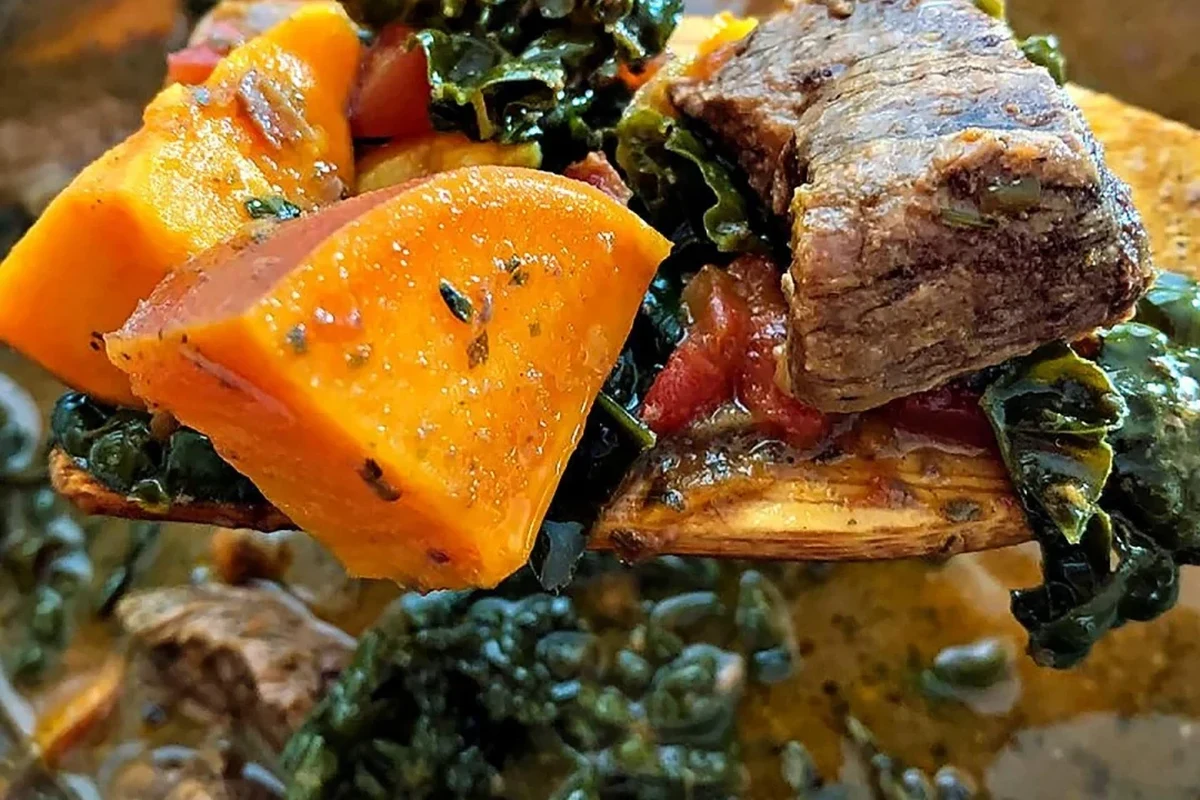
Feel free to swap egg noodles for rice noodles, or add hearty vegetables like kale or parsnips. If you want to experiment with different flavor profiles, consider the aromatics used in various Belizean peasant soup recipes, which often incorporate local root vegetables for a thicker, more substantial result.
Final Verdict: The Value of Homemade Soup
Whole chicken chicken noodle soup is a high-value, cost-effective meal that provides leftovers for days. While it requires more hands-on time than using canned stock, the depth of flavor and nutritional density make it the superior choice for home cooks looking to master a classic comfort dish.
Common Questions
The secret is using a whole bone-in chicken and simmering it slowly to release natural gelatin and marrow into the water.
Yes, you can add vegetables like kale, parsnips, or leeks to build flavor, provided you add them at a time that allows them to soften without disintegrating.
Yes, skimming the foam during the first stage of simmering helps achieve a clear, clean-tasting broth.
The chicken is safe to consume once it reaches an internal temperature of 165°F as verified by a food thermometer.
Yes, the broth and chicken freeze very well for up to three months, provided you omit the noodles until the time of serving.
Frequently Asked Questions
Yes, you can use a rotisserie chicken for convenience. However, you will miss out on the gelatin and marrow extracted from the bones of a raw bird, so you may want to add extra chicken stock.
The best method is to cook the noodles separately and add them to individual bowls just before pouring the hot soup over them. This prevents the starch from breaking down in the broth.
According to food safety guidelines, cooked chicken soup should be stored in an airtight container and consumed within 3 to 4 days.
A cloudy broth is usually caused by a rapid boil that emulsifies the fat. Keep the heat at a gentle simmer and skim the surface regularly to maintain clarity.
Reheat the soup on the stovetop over medium-low heat until steaming. If the noodles were already in the soup, they will be softer, so reheat gently to avoid breaking them apart.
Yes, but it is best to freeze the broth and chicken mixture without the noodles. Add fresh noodles when you are ready to serve the thawed soup.