Calories in Chicken with Rice

A typical plate of chicken and rice contains between 450 and 700 calories, depending on preparation and portion size. You can easily manage this by choosing leaner chicken cuts and limiting added fats like coconut milk or frying oil.
Chicken and rice is a quintessential comfort meal in Belize, valued for its ability to feed a family affordably and deliciously. Understanding the calories in chicken with rice allows home cooks to enjoy this traditional staple while maintaining awareness of their nutritional goals in 2026.
- Portion Control: Limit rice servings to one cup to manage carbohydrate intake.
- Leaner Proteins: Choose skinless chicken breasts to reduce saturated fat.
- Smart Ingredients: Use fresh herbs instead of sugary or high-sodium premade sauces.
- Add Fiber: Incorporate steamed vegetables to increase volume and satiety.
Understanding the Calorie Count in Belizean Chicken and Rice
The Baseline: How Many Calories Are Really in a Plate?
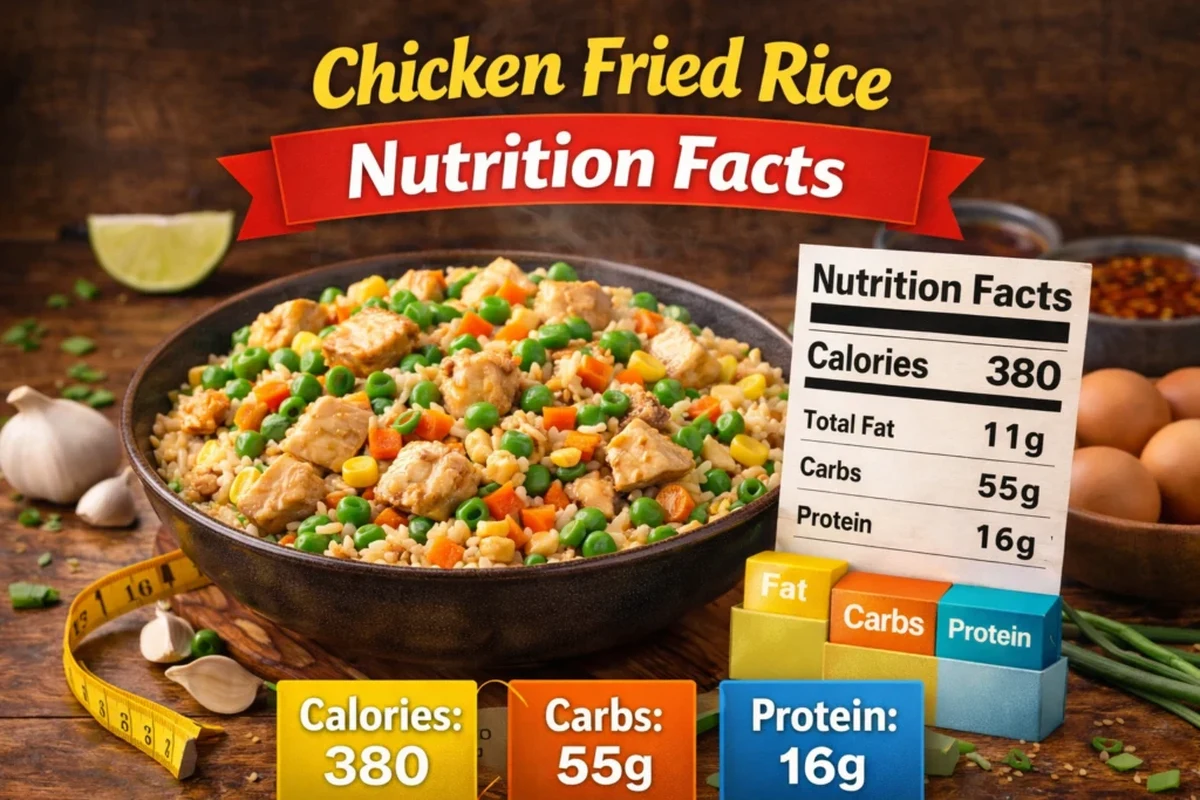
Estimating the caloric content of a homemade plate of chicken and rice can be complex because it depends entirely on your portion sizes and specific preparation methods. On average, a standard serving—consisting of a medium chicken portion and one cup of cooked rice—typically ranges from 450 to 700 calories. This baseline fluctuates significantly based on whether you are using skin-on poultry, the amount of oil used for sautéing, and the specific variety of rice served.
Factors That Influence Caloric Density
The primary drivers of caloric density in this dish are the added fats and the preparation of the rice. If you are preparing a dish similar to a Belizean BBQ Chicken recipe, the glaze or marinade can add hidden sugars and calories. Furthermore, how the chicken is cooked—whether it is fried, stewed, or roasted—changes the nutritional profile. Understanding these variables is the first step in managing your intake without losing the authentic flavors that make the dish a household favorite.
The Anatomy of a Traditional Belizean Chicken and Rice Dish
Key Ingredients and Their Nutritional Profiles
A classic plate usually features protein, a starch base, and aromatics. Chicken breast is naturally leaner, while thighs or legs offer more flavor but come with a higher fat content. When you pair this with white rice, you get a quick-digesting carbohydrate. To elevate the nutritional profile, many cooks incorporate vegetables like carrots, peas, or bell peppers, which provide fiber and essential vitamins without adding significant calories.
The Role of Coconut Milk in Caloric Content
Coconut milk is a hallmark ingredient that defines the richness of many island-inspired dishes, such as our traditional Belizean coconut rice recipe. While it adds incredible flavor and a creamy texture, it is also calorie-dense due to its high fat content. Using full-fat coconut milk will increase the total caloric count of your rice significantly compared to rice cooked in water or broth. For those monitoring their intake, using a lighter coconut milk or a mix of coconut milk and vegetable stock is a common adjustment.
To reduce the fat content without losing the signature aroma, consider using a smaller amount of coconut milk and supplementing with unsweetened coconut extract or toasted coconut flakes for flavor.
Beyond the Basics: Common Additions and Their Impact
Many Belizean households add beans, fried plantains, or potato salad to the plate. While these sides are delicious, they can easily double the caloric load of the meal. Being mindful of these extras is essential for those who want to enjoy the full experience of a traditional Sunday dinner without over-consuming energy.
Cooking Techniques: Managing Calories Without Sacrificing Flavor
Stovetop Braising vs. Oven Roasting
Stovetop braising, often used for classic stew chicken, can lead to higher calorie counts if the sauce is thickened with flour or oil. Oven roasting, by contrast, allows fat to render away from the chicken, especially if the skin is removed. If you enjoy the depth of flavor found in a Belizean curry chicken recipe, consider using a non-stick pan to sauté your aromatics with minimal oil rather than deep-frying the chicken pieces first.
Portion Control and Macro Balancing
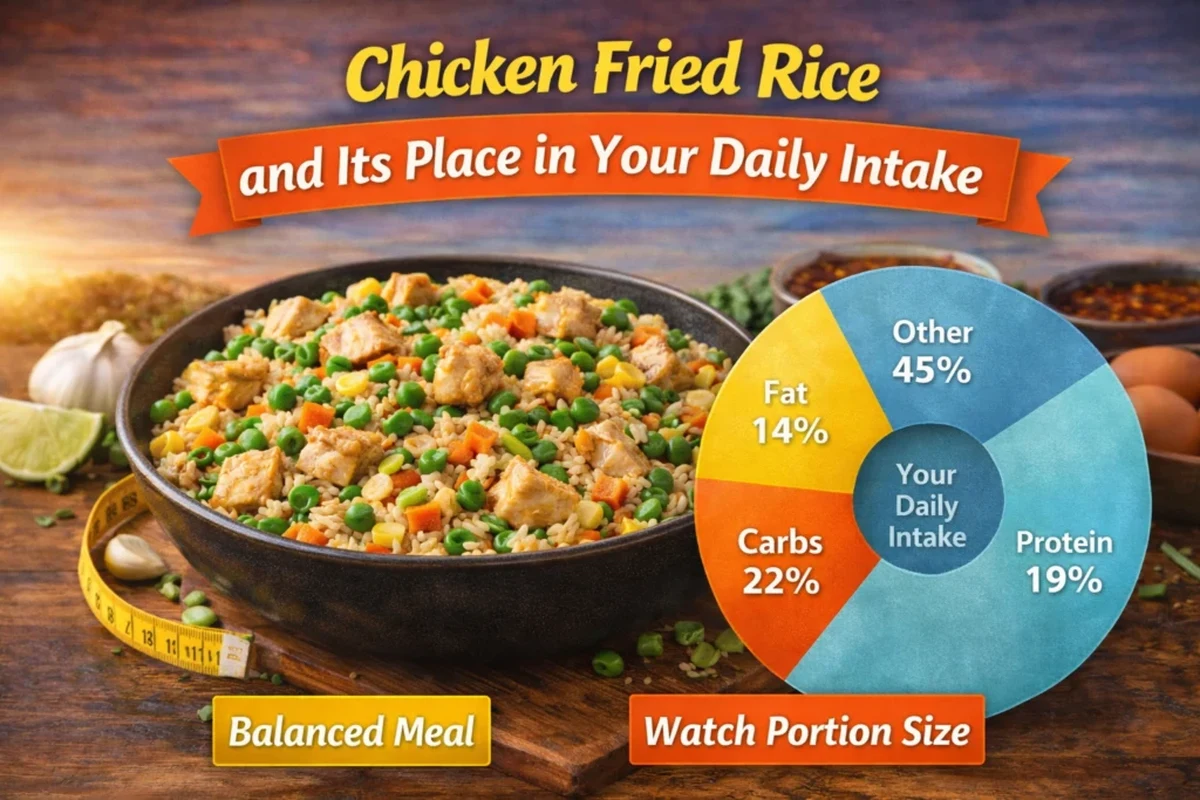
A balanced plate should ideally prioritize lean protein and colorful vegetables, with rice serving as a side rather than the main event. By filling half your plate with sautéed greens or a fresh salad, you naturally decrease the amount of space available for the calorie-dense rice, helping you feel satisfied with fewer calories.
The Impact of Using Fresh vs. Processed Ingredients
Processed marinades and store-bought spice blends often contain hidden sodium and sugars, which can bloat a dish’s nutritional value. Sticking to fresh herbs like cilantro, recao (culantro), garlic, and habanero peppers provides vibrant flavor without the unnecessary additives found in pre-packaged seasonings.
Ingredient Selection and Healthy Substitutions
- Select skinless chicken breasts or thighs to lower saturated fat.
- Opt for brown rice or a mix of grains for added fiber and satiety.
- Measure your cooking oil rather than pouring directly from the bottle.
- Use low-sodium chicken broth to control the final salt content.
Choosing Leaner Cuts: Breast vs. Thigh vs. Leg
While chicken thighs are often preferred for their tenderness in stews, chicken breast is the undisputed leader for calorie-conscious cooks. If you choose to use thighs, trimming the visible fat and removing the skin can make a noticeable difference in the final calorie count.
Smart Swaps for Rice and Grain Varieties
White rice is a staple, but it is a refined carbohydrate. Replacing it with brown rice, quinoa, or even cauliflower rice can significantly increase the fiber content of your meal, which helps keep you fuller for longer. If you must use white rice, keep the portion to a half-cup serving.
Real-Kitchen Benefits: Why This Dish Remains a Staple
Chicken and rice remains popular because it is incredibly efficient for meal prep. Cooking a large batch allows for easy lunches throughout the week. Because it is a balanced meal containing protein and starch, it provides sustained energy, making it an excellent choice for active individuals. However, those with specific dietary restrictions, such as those on a low-carb or ketogenic diet, may find the carbohydrate content of the rice to be a limiting factor, necessitating portion adjustments or substitutions.
Common Mistakes and How to Avoid Them
- Use fresh aromatics for flavor.
- Measure your portions before plating.
- Steam or boil vegetables as a side.
- Overloading the dish with vegetable oils.
- Relying on high-sodium store-bought gravies.
- Ignoring the caloric impact of side dishes like plantains.
The Pitfall of Excessive Oil and Seasoning Overload
One of the biggest mistakes is using too much oil for browning the chicken. A light coating or using a high-quality non-stick pan is often sufficient. Additionally, relying on heavy, sugary sauces can quickly turn a lean meal into a caloric bomb.
Balancing Sodium Levels in Traditional Recipes
Traditional Belizean seasoning often relies on salt-heavy rubs. You can achieve the same depth of flavor by utilizing fresh garlic, onions, and various peppers. Reducing the salt helps you enjoy the natural taste of the chicken and spices without the health risks associated with excessive sodium intake.
Food Safety, Storage, and Reheating Best Practices
Always ensure chicken reaches an internal temperature of 165°F (74°C) as measured by a food thermometer to prevent foodborne illness. Never leave cooked chicken at room temperature for more than two hours.
Optimal Storage Techniques for Leftovers
Store your chicken and rice in airtight containers within two hours of cooking. Properly refrigerated, these leftovers can stay safe to eat for three to four days. If you have prepared a larger batch, consider portioning them into individual containers for easy grabbing.
Reheating Methods to Preserve Texture and Safety
When reheating, add a small splash of water or broth to the rice to prevent it from drying out. Using a microwave on medium power or reheating gently on the stovetop helps maintain the texture of the chicken. Avoid reheating the same portion multiple times to ensure the highest quality and safety.
Final Verdict: Balancing Tradition with Nutritional Awareness
Managing the calories in chicken with rice is entirely achievable through mindful ingredient choices and portion control. By focusing on fresh, lean proteins and being cautious with high-fat additions like coconut milk and excessive oil, you can continue to enjoy this beloved Belizean meal as part of a balanced 2026 lifestyle. My recommendation is to focus on the quality of your aromatics and treat the rice as a supporting player rather than the star of the plate.
Common Questions
One cup of cooked white rice typically contains about 200–240 calories.
Yes, frying chicken adds significant calories compared to braising or roasting due to oil absorption.
Add fiber-rich vegetables like carrots, peas, or bell peppers to your rice during the cooking process.
Chicken must reach an internal temperature of 165°F (74°C) to be considered safe for consumption.
You can use low-fat coconut milk or a mix of broth and coconut extract to mimic the flavor with fewer calories.
Frequently Asked Questions
A standard serving typically ranges from 450 to 700 calories, depending on the portion size, the cut of chicken, and the amount of fat or coconut milk used.
Yes, you can improve the nutritional profile by using lean chicken breast, reducing oil, and incorporating fresh herbs and vegetables instead of relying on high-sodium or sugary sauces.
Coconut milk provides a signature flavor, but you can achieve a similar aromatic profile by using smaller amounts or substituting with lighter versions to keep the calorie count lower.
Store leftovers in airtight containers in the refrigerator within two hours of cooking. They are best consumed within three to four days.
Use a food thermometer to ensure the chicken reaches an internal temperature of 165°F (74°C) to safely eliminate foodborne pathogens.
Brown rice is a better source of fiber and nutrients compared to white rice, which can help with satiety, though both work in traditional recipes depending on your dietary goals.