Peasant Soup Recipe: Authentic Belizean Comfort Food Guide

Peasant soup is a hearty, traditional Belizean stew defined by its humble, nutrient-dense ingredients and its ability to feed a crowd with minimal expense. It represents the resourcefulness of the Belizean kitchen, blending root vegetables, legumes, and savory aromatics into a comforting, slow-cooked meal that remains a staple in 2026.
- Starch Foundation: Use a variety of root vegetables like cassava, yam, or sweet potato to create.
- Aromatic Base: Always sauté your onions, garlic, and peppers first to ensure a deep flavor profile.
- Natural Thickening: Mash a portion of the cooked vegetables into the pot rather than using flour.
- Food Safety: Always cool the soup quickly in shallow containers before refrigerating to maintain food quality.
What Is Peasant Soup? The Heart of Belizean Comfort Food

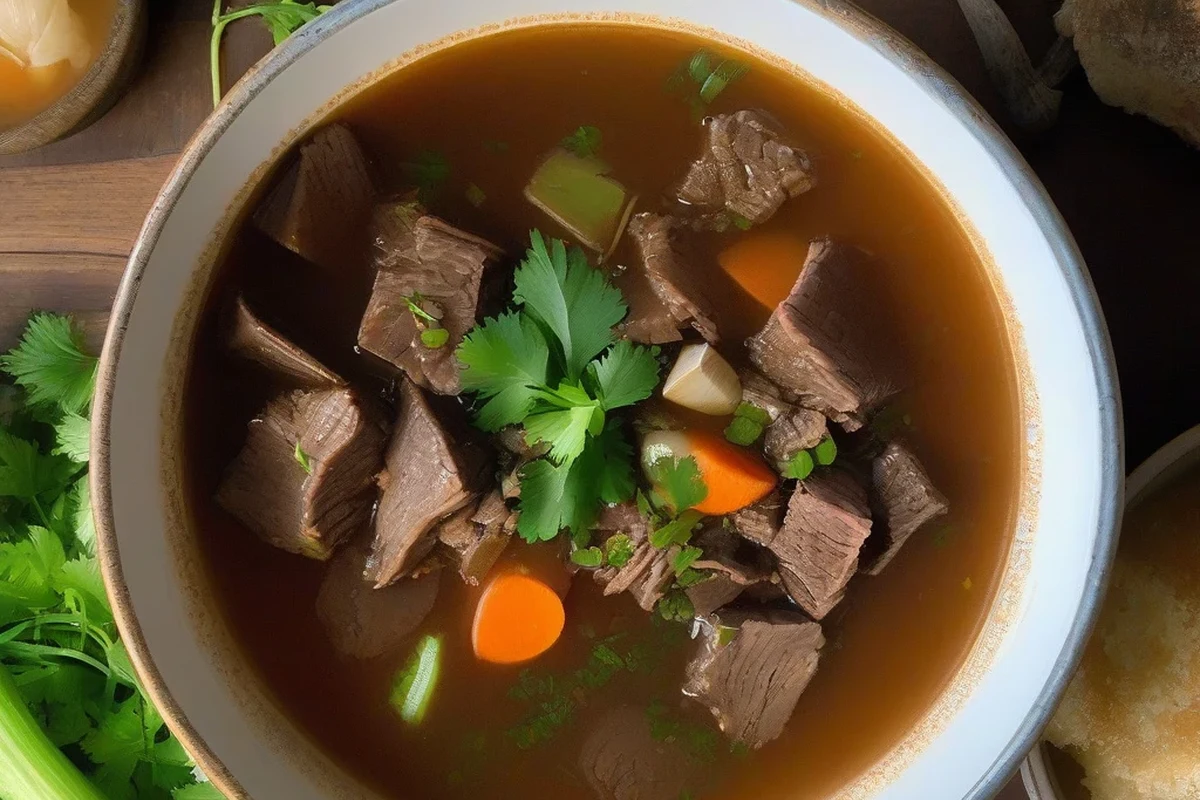
At its core, peasant soup is a “pot-luck” style stew that prioritizes availability and seasonality. Unlike refined soups that rely on heavy stocks or complex reductions, this dish gains its character from the natural starches of root vegetables and the long, slow simmering of proteins. It is widely recognized across Belize as a dish that brings families together, reflecting a culinary history rooted in making the most of local produce and pantry staples.
The Essential Belizean Peasant Soup Ingredient Profile
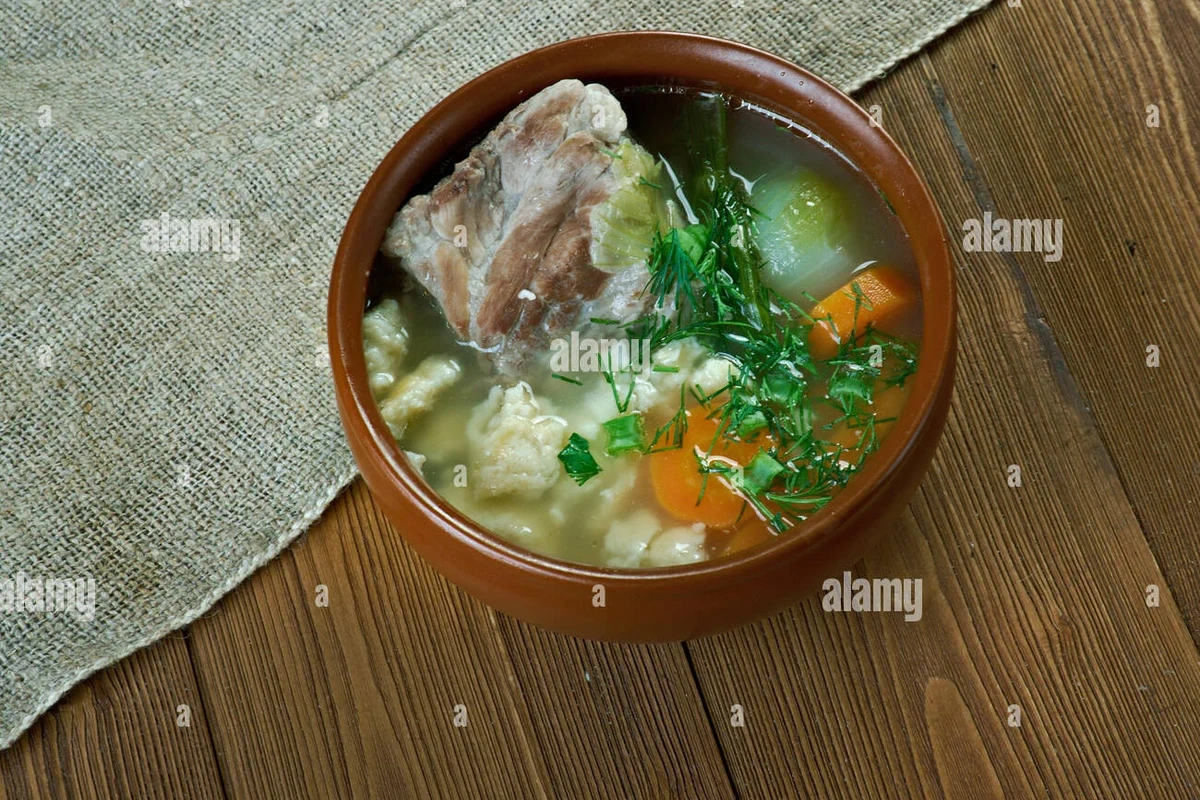
The Foundation: Root Vegetables and Legumes
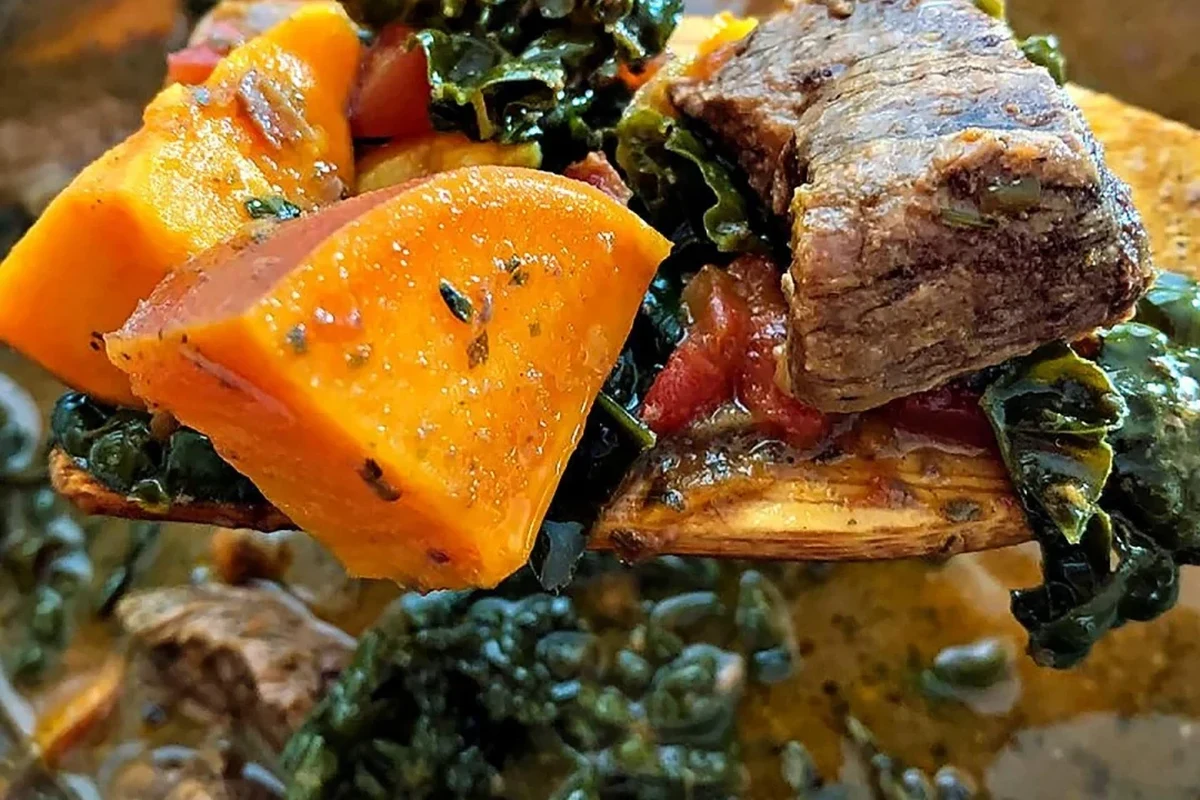
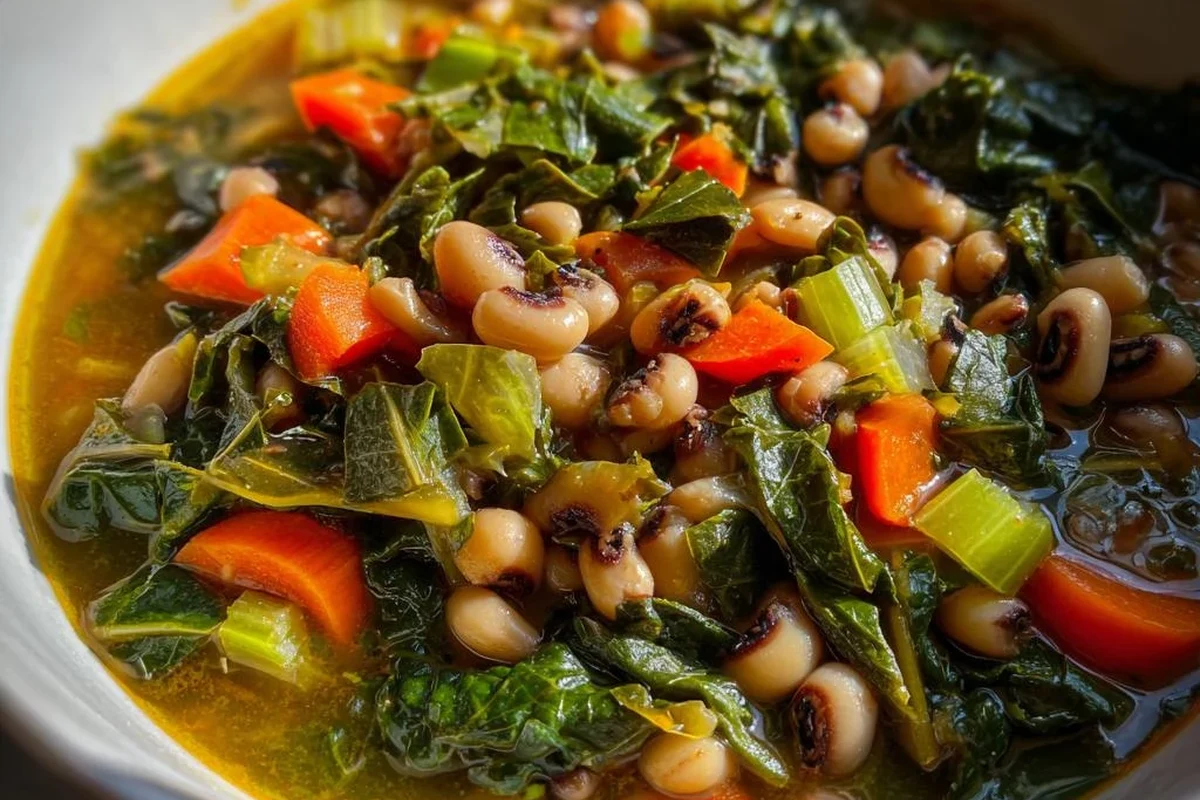
The backbone of any authentic peasant soup is the “provision”—the Belizean term for hearty root vegetables. Cassava, yam, cocoyam (taro), and sweet potato provide the necessary starch to give the soup body. Legumes, such as red kidney beans or black beans, are often added to provide protein and fiber, ensuring the final dish is substantial enough to serve as a main course.
Proteins and Aromatics: Building Depth of Flavor
While the vegetables provide texture, the aromatics build the flavor profile. A traditional base includes onion, bell pepper, garlic, and fresh cilantro or culantro (often called “recao”). For protein, cooks often utilize cured meats like salted pigtail, smoked ham hock, or even leftover chicken, which impart a deep, savory saltiness to the broth as they render.
Selecting the Best Ingredients for an Authentic Taste
When selecting ingredients, freshness is key for the aromatics, while the maturity of the root vegetables determines the cooking time. Look for firm tubers without soft spots or sprouting eyes. If using dried beans, ensure they are free of debris and soaked in advance to ensure uniform cooking.
Read more: Belizean Chicken Soup
Step-by-Step: How to Cook Authentic Belizean Peasant Soup

Preparation and Mise en Place
Preparation begins with washing and peeling your root vegetables, cutting them into uniform, bite-sized chunks to ensure they cook evenly. If you are using dried legumes, they should be soaked overnight or parboiled until tender. Having all your aromatics diced and ready near your cooking station is essential for a smooth process.
Mastering the Technique: Tips for a Robust Stew
Balancing Flavors and Seasoning Adjustments
The saltiness of cured meats can vary significantly between batches. Always taste your broth before adding extra salt; if the soup becomes too salty, adding an extra potato or a splash of water can help dilute the intensity without ruining the dish.
Achieving the Ideal Consistency: Thickening Without Flour
A common technique in Belizean cooking is to mash a small portion of the cooked root vegetables directly into the broth. This releases natural starches, creating a rich, velvety consistency without the need for flour-based roux or artificial thickeners.
Ingredient Substitutions and Dietary Adaptations
Swapping Proteins: From Cured Meats to Plant-Based Alternatives
If you prefer a plant-based version, you can replace cured meats with smoked paprika or liquid smoke to achieve that characteristic depth. Earthy mushrooms, such as cremini or shiitake, can add a meaty texture and umami quality that stands up well to the long simmer.
Vegetable Substitutions Based on Seasonality
If specific Caribbean staples like yam or cocoyam are unavailable, you can substitute with Yukon Gold potatoes or parsnips. While the flavor profile will shift slightly, the structural integrity of the soup remains high.
Food Safety, Storage, and Reheating Best Practices
Optimal Storage: Refrigeration and Freezer Guidelines
Peasant soup stores exceptionally well, often tasting better the following day as the flavors continue to develop. It can be kept in an airtight container in the refrigerator for up to three to four days. For longer storage, it can be frozen for up to two months, though the texture of some root vegetables may become slightly softer upon thawing.
The Art of Reheating: Maintaining Flavor and Texture
When reheating, use a saucepan over medium-low heat. If the soup has thickened too much in the fridge, add a small splash of water or broth to restore the desired consistency. Avoid boiling the soup aggressively during reheating to prevent the vegetables from disintegrating.
Common Mistakes and Troubleshooting Your Peasant Soup
Why Your Soup Might Lack Flavor (and How to Fix It)
Lack of flavor is often due to under-sautéing the aromatics. Ensure your onions and peppers are translucent and fragrant before adding the liquid. If the soup still tastes flat, a dash of lime juice or a pinch of black pepper can wake up the palate.
Correcting Texture Issues: Too Thin or Too Thick
If the soup is too thin, continue simmering uncovered to reduce the liquid, or mash a few more pieces of potato. If it is too thick, simply whisk in a small amount of water or broth until the consistency is to your liking.
Why Peasant Soup Remains a Belizean Kitchen Staple in 2026
Cost-Effectiveness and Nutritional Value
In 2026, the appeal of peasant soup remains its ability to provide a complete, balanced meal using affordable, whole-food ingredients. It provides sustained energy through complex carbohydrates and essential protein, making it a reliable choice for families and meal preppers alike.
Final Recommendation: Making the Dish Your Own
The beauty of this dish is that there is no “perfect” version—only the one that tastes best to you. By mastering the fundamental technique of building flavor through aromatics and managing root vegetable starches, you can create a comforting, nutritious meal that honors the tradition of Belizean home cooking. Feel free to experiment with local herbs or seasonal vegetables to make this recipe a signature part of your own kitchen rotation.
Frequently Asked Questions
Yes, you can use any starchy root vegetable like cassava, sweet potato, or yam. Substitutions like Yukon Gold potatoes also work well if traditional Caribbean options are unavailable.
When stored in an airtight container, the soup will remain safe and flavorful in the refrigerator for three to four days.
A lack of flavor usually stems from not sautéing the aromatics (onions, garlic, peppers) long enough at the start. Ensure they are softened and fragrant before adding your liquids.
Yes, you can adapt the recipe for a slow cooker by sautéing the aromatics in a pan first, then adding everything to the cooker on low for 6 to 8 hours.
Instead of using flour, mash a small portion of the cooked root vegetables directly into the broth. This releases natural starches and creates a rich, authentic texture.
Yes, it freezes well for up to two months. Note that the texture of some root vegetables may soften slightly after being thawed and reheated.