Chicken Noodle Soup Over Mashed Potatoes | Comfort Meal

Serving chicken noodle soup over mashed potatoes creates a hearty, high-texture meal that transforms a classic liquid lunch into a substantial dinner. By combining the silky, savory broth of a traditional soup with the creamy, grounding base of whipped potatoes, you achieve a “mash-bowl” fusion that elevates simple pantry staples into a satisfying comfort dish.
- Texture Balance: Use fluffy, riced potatoes to create a base that holds the soup without becoming.
- Separate Storage: Keep the soup and potatoes in different containers to prevent the starch from breaking.
- Flavor Depth: Use bone-in chicken to create a naturally velvety broth that clings to the potatoes.
- Noodle Choice: Opt for wide egg noodles, which maintain their structure better than thinner pasta varieties.
Chicken Noodle Soup Over Mashed Potatoes: The Ultimate Comfort Fusion
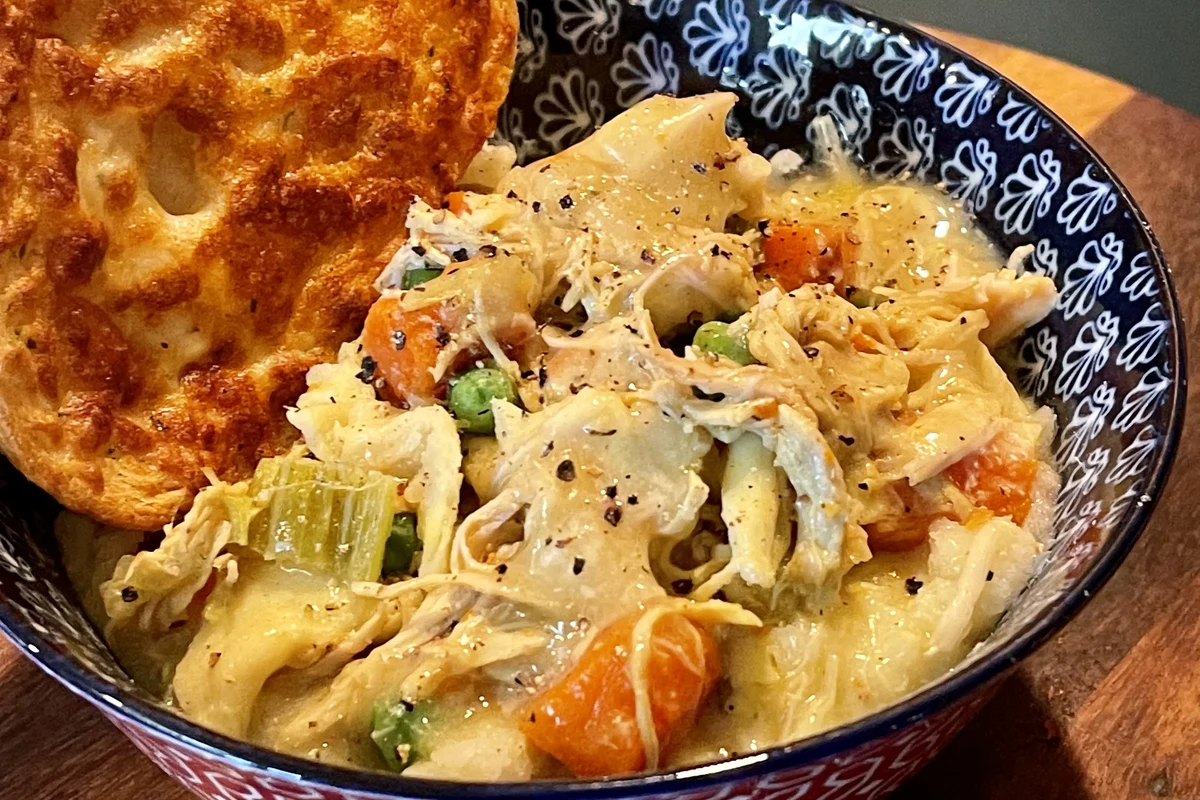
In the culinary world, we often separate soups from starch-heavy sides, but the fusion of chicken noodle soup over mashed potatoes bridges the gap between a light broth and a heavy casserole. This approach is particularly effective for those who find standard soup too thin or fleeting, as the potatoes provide a permanent structure for every spoonful of broth and noodles to cling to.
What Is the “Mash-Bowl” Technique?
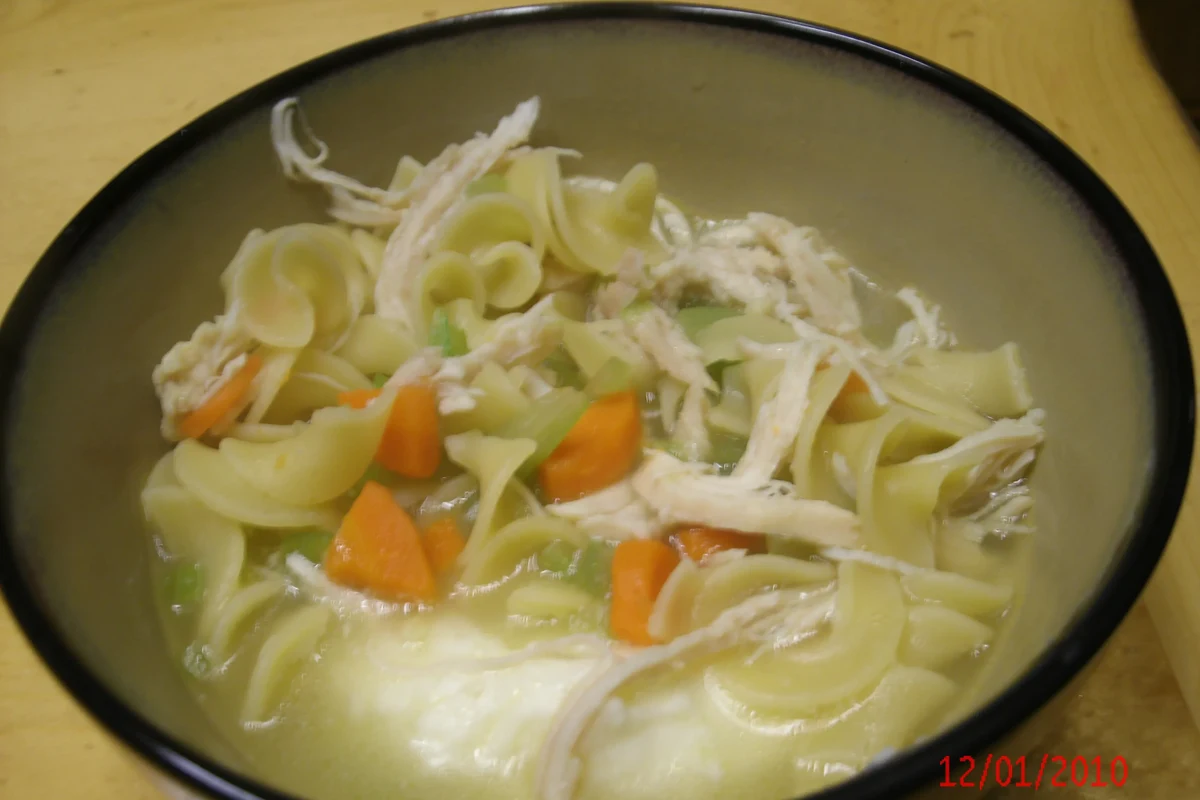
The “mash-bowl” technique is a method of layering textures where a dense, creamy starch acts as the foundation for a flavorful, liquid-based topping. Unlike serving soup on the side, this method encourages the potatoes to absorb the seasoned chicken broth, creating a unique consistency that is neither quite a stew nor a soup, but something altogether more comforting.
Why This Combination Works: Texture and Flavor Harmony
The success of this dish lies in the interplay between the starch and the liquid. Mashed potatoes act as a sponge for the aromatic chicken broth, while the noodles provide a necessary chew. This contrast prevents the dish from feeling one-dimensional, as the creamy potatoes temper the saltiness of the broth and add a layer of richness that chicken soup alone often lacks.
Who Is This Dish For? The Perfect Weeknight Solution
This dish is ideal for families looking to stretch a smaller amount of protein across a larger meal or for those craving a “cozy” dinner without complex preparation. As we navigate the kitchens of 2026, this remains a go-to for busy weeknights because it utilizes accessible ingredients and provides a sense of warmth that feels substantial enough to satisfy a hearty appetite.
Read more:chicken noodle soup over mashed potatoes
Key Ingredients: Building the Belizean-Inspired Base

To capture the depth of flavor often found in island-inspired soups, focus on high-quality aromatics. While the core remains chicken and potatoes, the secret lies in the foundation.
Selecting the Right Chicken and Broth
For the best results, use bone-in chicken thighs or a whole bird. The connective tissue and marrow in the bones release gelatin into the broth, which is essential for that “velvety” mouthfeel. Avoid using high-sodium store-bought stock if possible; instead, simmer your own base with onion, garlic, and celery to control the salt levels.
Choosing the Best Potato Variety for Creamy Mash
Yukon Gold potatoes are the gold standard for this dish. Their natural buttery flavor and medium-starch content allow them to mash into a smooth, cohesive consistency that won’t turn gummy or watery when the soup is ladled over the top.
The Noodle Factor: Balancing Thick and Thin
Choose a wide egg noodle for this application. Unlike thinner pasta varieties, wide egg noodles hold their shape and texture better when submerged in hot broth, preventing the “mushy” outcome that can occur if you let the dish sit for too long. chicken noodle soup over mashed potatoes
Step-by-Step Cooking Guide: Achieving the Perfect Consistency
Technique: Creating a Rich, Velvety Soup Base
To ensure the broth isn’t just “flavored water,” consider whisking in a small amount of cornstarch slurry or adding a touch of heavy cream at the very end. A slightly thickened broth will cling better to the mashed potatoes, ensuring every bite is flavorful.
Technique: Mastering the Fluffiest Mashed Potatoes
Always pass your potatoes through a ricer or food mill rather than using a hand masher. This ensures an even, lump-free texture. Be sure to add your fat (butter and cream) while the potatoes are still steaming hot to ensure they absorb the richness fully.
Common Mistakes and How to Avoid Them
- Cook noodles separately if you plan on storing the soup for later.
- Use room-temperature butter when mashing potatoes.
- Overcooking potatoes, which makes them gummy.
- Using low-starch potatoes that break down too quickly.
Food Safety, Storage, and Reheating Guidelines
Proper Storage: Why You Should Keep Components Separate
Never store the soup and mashed potatoes in the same container. The potatoes will absorb the liquid and turn into a paste, while the noodles will continue to soften and disintegrate. Keep them in airtight, separate containers to maintain the integrity of each component.
Ingredient Substitutions and Customization
- Highly customizable.
- Excellent for leftovers.
- Takes longer than one-pot meals.
- Requires careful storage.
For a low-carb alternative, consider swapping the potatoes for mashed cauliflower or a parsnip-potato blend, which provides a similar texture with a slightly earthier flavor profile. If you want a more “Belizean” flair, add a dash of habanero-infused vinegar or a touch of coconut milk to your chicken broth for a subtle, creamy heat.
Final Recommendation: Why This Belongs in Your 2026 Kitchen Rotation
Serving chicken noodle soup over mashed potatoes is a reliable way to make a meal feel more substantial and luxurious without requiring exotic ingredients. By focusing on the texture of the mash and the clarity of the broth, you can transform a classic dish into a centerpiece of your 2026 home cooking. It is the perfect choice for those who value comfort, efficiency, and the ability to elevate simple ingredients through thoughtful assembly.
Frequently Asked Questions
Yes, shredded rotisserie or leftover cooked chicken works perfectly. Simply add it to the simmering broth just before adding the noodles to heat it through.
Gummy potatoes are usually caused by over-mashing or using a high-starch potato that has been overworked. Use a ricer and fold in your butter gently to avoid this.
Store the soup and potatoes in separate airtight containers in the refrigerator. They will remain safe to eat for 3 to 4 days.
The soup base freezes well, but potatoes do not freeze well as they often change texture significantly. We recommend freezing the soup only and making fresh mash when serving.
Reheat the soup on the stovetop over medium heat. For the potatoes, add a splash of milk and heat gently in a small saucepan or microwave, stirring occasionally.
Yes, simply substitute traditional egg noodles with a gluten-free pasta alternative or use hearty root vegetables like carrots and parsnips instead of noodles.