Instant Pot Recipes with Frozen Chicken

You can safely cook frozen chicken in an Instant Pot by adding sufficient liquid and ensuring the internal temperature reaches 165°F. This method effectively bypasses the need for manual thawing while keeping the meat moist and tender.
Cooking frozen chicken in an Instant Pot is an incredibly convenient method for busy home cooks who need to get dinner on the table without the hours of planning required for thawing. By utilizing pressure, you can safely transition poultry from the freezer to the plate, ensuring your meal remains moist and flavorful even on your most hectic days in 2026.
- Safety First: Always verify the internal temperature reaches 165°F (74°C) using a reliable digital thermometer.
- Liquid Matters: Use at least 1 cup of thin liquid to ensure the pot reaches pressure.
- Timing: Increase cook times by 5–10 minutes compared to fresh chicken to account for the.
- Flavoring: Sauté aromatics before adding frozen chicken to build a robust flavor base.
Can You Safely Cook Frozen Chicken in an Instant Pot?
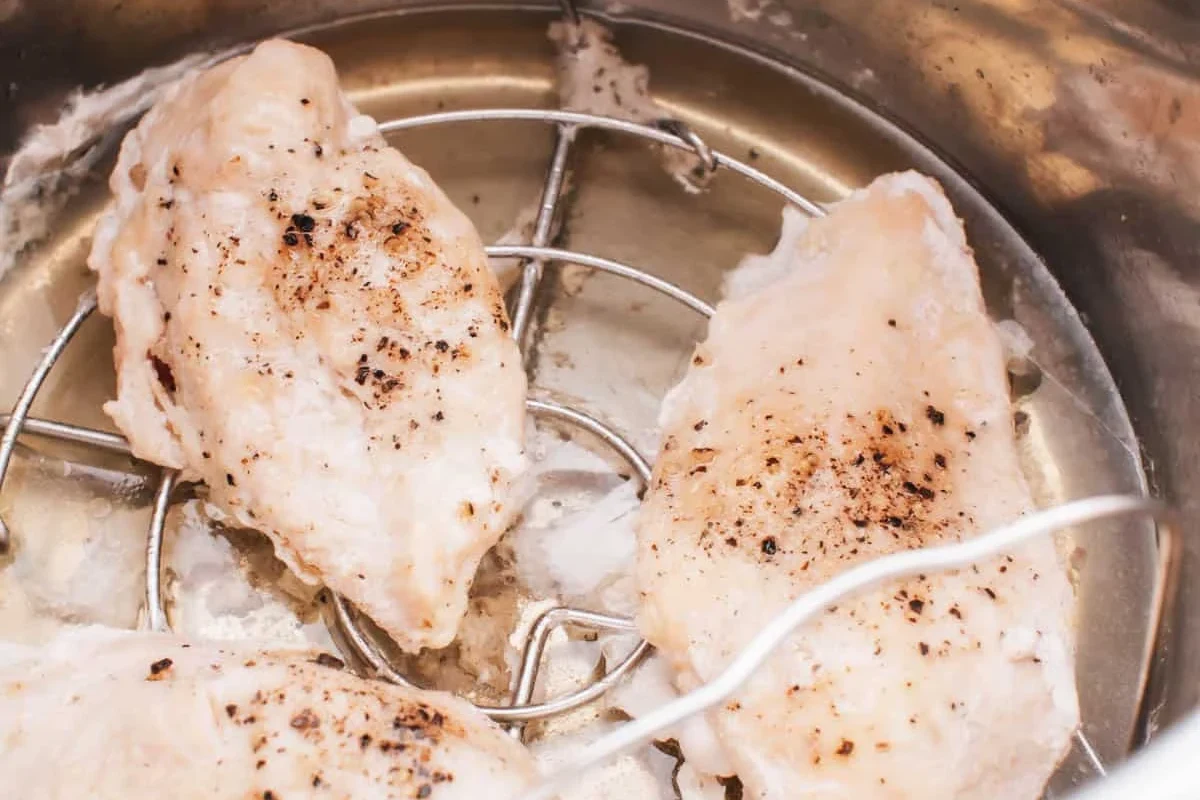
Yes, you can safely cook frozen chicken in an Instant Pot. Because the appliance reaches high temperatures and maintains constant pressure, it effectively cooks the meat throughout. However, it is essential to follow manufacturer guidelines and ensure the chicken reaches a safe internal temperature of 165°F (74°C) as measured by a food thermometer.
Why the Instant Pot is a Game-Changer for Busy Home Cooks
The Science of Pressure Cooking Frozen Proteins
Pressure cooking works by trapping steam, which increases the boiling point of water and forces heat into the food much faster than traditional methods. When cooking frozen proteins, the Instant Pot effectively bypasses the slow thawing process. As the pot comes to pressure, the heat penetrates the ice crystals, thawing the meat while simultaneously cooking it, which prevents the outer layers from drying out before the center is done.
Real-Kitchen Benefits: Speed, Convenience, and Texture
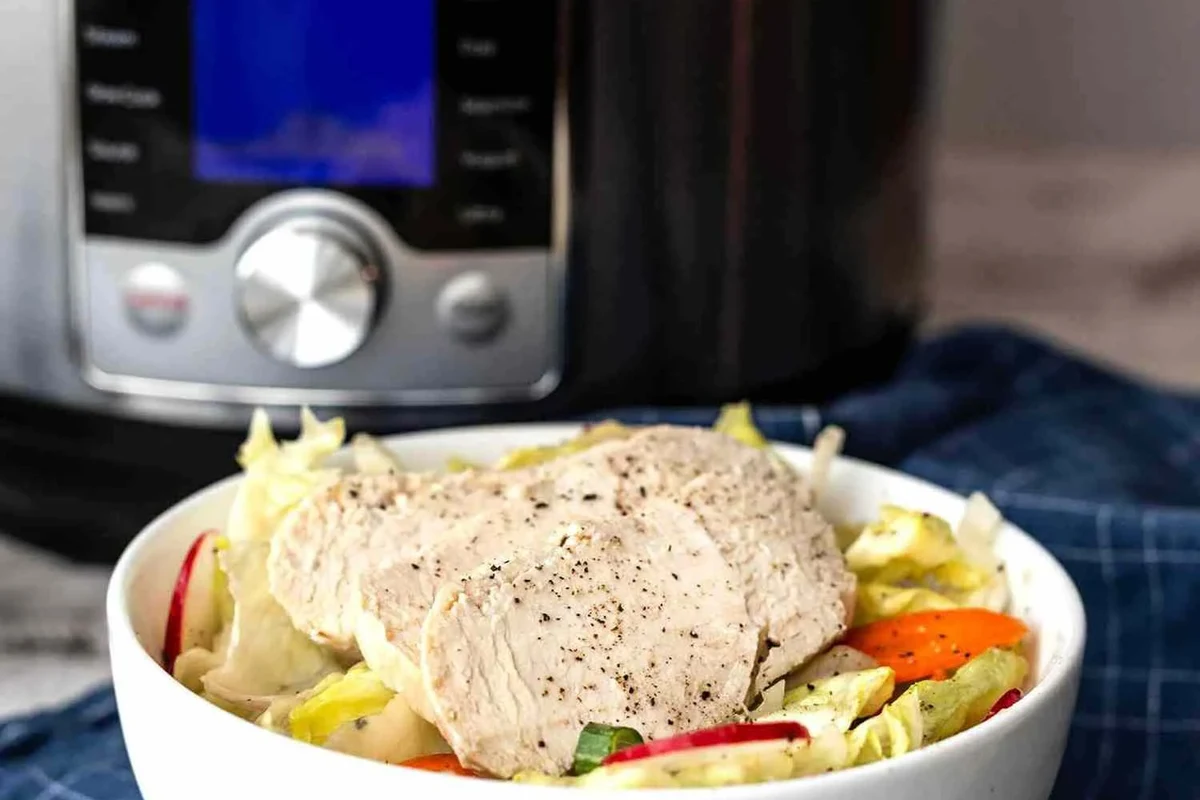
For those who forget to move meat from the freezer to the fridge the night before, this method is a life-saver. Unlike microwaving, which can result in rubbery, unevenly cooked meat, pressure cooking maintains the structural integrity of the muscle fibers. It is an excellent way to prepare large batches for meal prep ideas with chicken breast, allowing you to have cooked protein ready for salads, tacos, or casseroles throughout the week.
When cooking from frozen, always add an extra 5 to 10 minutes to the total pressure cook time compared to fresh chicken to ensure the heat reaches the very center of the meat.
Essential Safety Guidelines for Cooking Frozen Poultry
Understanding Internal Temperature and USDA Standards
According to the USDA, poultry must be cooked to a minimum internal temperature of 165°F to ensure harmful bacteria are neutralized. When cooking from frozen, you cannot rely solely on a timer. You must use a digital meat thermometer inserted into the thickest part of the meat to verify it has reached this safety threshold.
Avoiding the “Danger Zone” During Pressure Build-up
The “Danger Zone” is the temperature range between 40°F and 140°F where bacteria multiply most rapidly. Because frozen chicken stays cold while the pot builds pressure, it is crucial that your Instant Pot is clean and your liquid levels are accurate. Avoid overcrowding the pot, as this can prevent the pressure from building quickly enough, keeping the meat in that bacteria-friendly zone for too long.
How to Properly Prepare Frozen Chicken for the Instant Pot
Choosing the Right Cuts: Breasts vs. Thighs vs. Whole Birds
Boneless, skinless breasts are the most common choice, but they can dry out if overcooked. Thighs are more forgiving due to their higher fat content, making them ideal for long-simmering recipes. If you are looking for specific guidance on timing, you might find our article on how long to cook frozen chicken breast in an Instant Pot helpful for perfecting your technique.
The Importance of Liquid Ratios and Pot Capacity
Pressure cookers require liquid to create steam. For a standard 6-quart Instant Pot, use at least 1 cup of water, broth, or marinade. Never exceed the “max fill” line, especially when adding frozen items that may displace more volume as they thaw during the cooking process.
Core Technique: The “No-Thaw” Instant Pot Method
Place the frozen pieces in the inner pot in a single layer if possible. If they are frozen in a clump, use the sauté function with a little liquid to gently separate them before sealing the lid.
Pour in your chosen liquid and add seasonings. Avoid thick sauces like barbecue or heavy creams at this stage, as they can trigger a “burn” warning.
Set the valve to “sealing” and cook on High Pressure. For boneless breasts, 12–15 minutes is usually sufficient, followed by a natural release.
Recipe: Belizean-Inspired Instant Pot Shredded Chicken
Ingredients for Authentic Flavor Profiles
To capture the vibrant flavors of Belize, use a base of recado (annatto paste), lime juice, garlic, and a hint of habanero. These ingredients pair beautifully with the neutral profile of chicken breast, transforming simple frozen meat into a centerpiece for your table.
Key Techniques: Sautéing Aromatics Before Pressure Cooking
Before adding the frozen chicken, sauté your onions, garlic, and spices in a small amount of oil. This “blooming” of spices releases essential oils that infuse the final dish with a deeper, more authentic flavor that simple boiling cannot achieve.
Doneness Cues and Shredding Tips
Once the pressure is released, the chicken should pull apart easily with two forks. If it resists, it needs more time. For more inspiration on how to use your leftovers, check out these meal prep ideas with chicken breast to keep your menu varied.
Common Mistakes and Troubleshooting Frozen Chicken
- Saves significant time
- Requires no advance planning
- Consistent results
- Potential for “burn” errors
- Requires thermometer check
- Less searing potential
The most common issue is the “Burn” warning. This usually happens when there isn’t enough thin liquid at the bottom of the pot or if seasonings are stuck to the bottom. Always deglaze the pot after sautéing aromatics to ensure no browned bits remain on the surface.
Storage, Reheating, and Food Safety Best Practices
Once cooked, store your chicken in airtight containers in the refrigerator for up to 3–4 days. To reheat, add a tablespoon of water or broth to the container to prevent the meat from drying out. Avoid frequent reheating cycles, as this degrades the texture and increases the risk of contamination.
Never leave cooked chicken at room temperature for more than two hours. If you are prepping in large batches, divide the chicken into shallow containers to help it cool down to refrigerator temperature as quickly as possible.
Final Verdict: Is Cooking Frozen Chicken Worth It?
Cooking frozen chicken in an Instant Pot is an invaluable skill for the modern home cook. While it requires attention to liquid ratios and safety temperatures, the convenience of skipping the thaw cycle outweighs the minor learning curve. For those who prioritize efficiency, it is a reliable, safe, and effective way to prepare high-quality meals on short notice in 2026.
Common Questions
Yes, as long as the chicken reaches a safe internal temperature of 165°F, it is perfectly safe to cook directly from frozen.
Yes, you should add roughly 5 to 10 minutes of extra cooking time compared to fresh chicken to account for the frozen center.
You need at least 1 cup of thin liquid, such as chicken broth or water, to ensure the Instant Pot can build pressure properly.
Avoid thick sauces like BBQ or cream-based sauces before pressure cooking, as they can cause the pot to trigger a ‘burn’ warning.
Store leftovers in an airtight container in the refrigerator for up to 3 to 4 days and reheat until steaming hot.
Frequently Asked Questions
Generally, boneless chicken breasts require 12–15 minutes on high pressure, while bone-in pieces may take 20–25 minutes. Always use a meat thermometer to confirm an internal temperature of 165°F.
Yes, always ensure you have at least 1 cup of thin liquid (water, broth, or juice) in the pot to allow the pressure to build correctly and prevent a ‘burn’ error.
It is not recommended. The breading will become soggy and fall off during the pressure cooking process, potentially clogging the steam release valve.
Rubbery chicken is often a result of overcooking. Ensure you are using the correct time for the thickness of your meat and always allow for a natural pressure release for better texture.
Yes, but ensure the chicken fits comfortably in the pot without touching the lid. It will take significantly longer—usually 45–60 minutes—depending on the size of the bird.
Ensure the bottom of the inner pot is clean and deglazed, use enough thin liquid, and avoid adding thick sauces until after the pressure cooking cycle is complete.