Chicken Italiano

Chicken Italiano is a one-pan meal featuring tender chicken simmered in a savory, herb-infused tomato sauce topped with melted cheese. It is a versatile and efficient recipe that provides a restaurant-quality dinner with minimal cleanup.
Chicken Italiano is a vibrant, one-pan Mediterranean-inspired dish featuring tender poultry simmered in a rich tomato sauce with aromatic herbs, garlic, and savory melted cheeses. It is a beloved staple for home cooks seeking a balanced meal that delivers deep, rustic flavors with relatively simple preparation.
- Preparation: Pat chicken dry before searing to ensure a golden, flavorful crust.
- Flavor: Deglaze the pan with broth or wine to incorporate the browned bits into the.
- Safety: Always use a meat thermometer to confirm the chicken reaches a safe 165°F.
- Consistency: Simmer the sauce until it thickens enough to coat the back of a spoon.
What is Chicken Italiano? Defining the Classic Dish
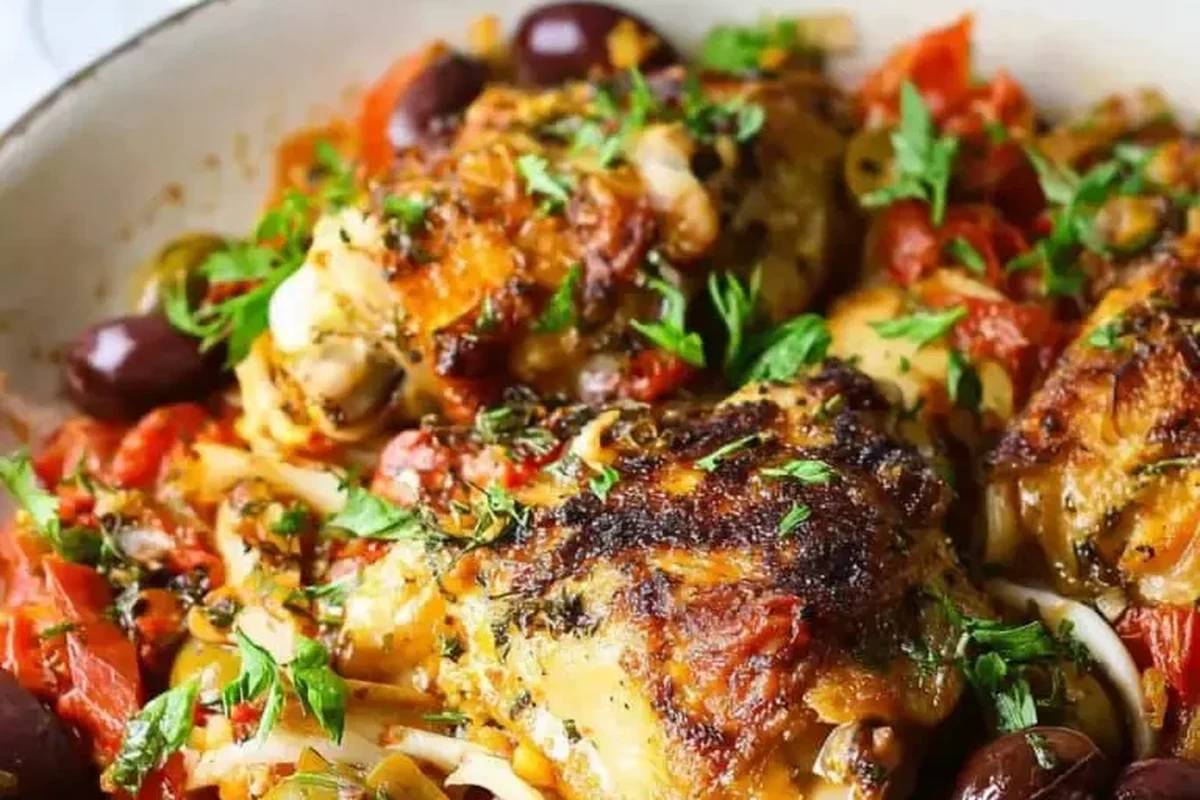
At its core, Chicken Italiano is a soul-warming dish that celebrates the marriage of lean protein and the bright, acidic profile of sun-ripened tomatoes. Unlike more complex preparations, this dish relies on a “low and slow” simmer to allow the chicken to absorb the essence of Italian aromatics, such as basil, oregano, and garlic. While variations exist across many kitchens, the hallmark of a true Chicken Italiano is the harmonious balance between the savory depth of browned chicken and the tangy sweetness of the sauce.
The term “Italiano” in culinary contexts often refers to dishes that utilize the “holy trinity” of Italian cooking: garlic, onion, and a base of tomato or olive oil, reflecting a style that prioritizes quality ingredients over intricate techniques.
Who Should Make This Recipe? The Perfect Fit for Your Kitchen
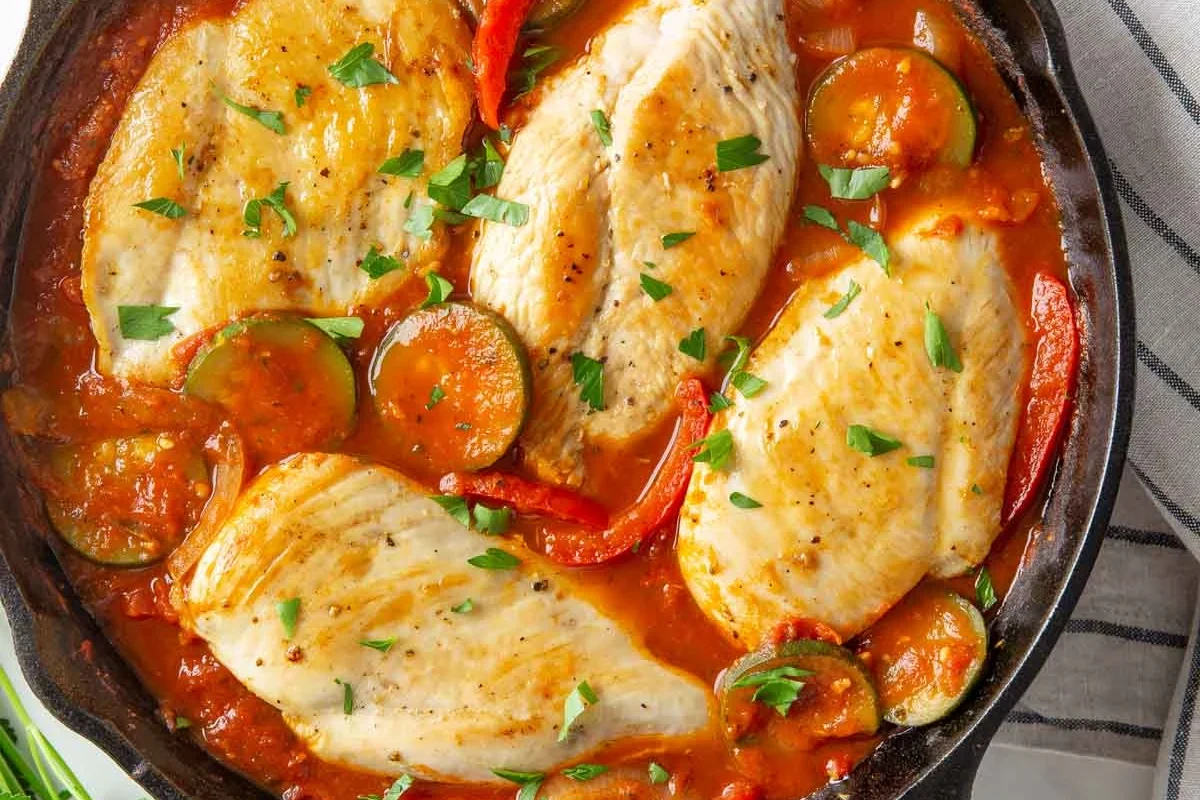
Chicken Italiano is an ideal choice for busy families, meal-preppers, and home cooks of all skill levels. Because it is primarily a one-pan meal, it minimizes cleanup, making it a reliable solution for hectic weeknights. If you enjoy dishes that pair well with sides like pasta, crusty bread, or even a light salad, this recipe offers the versatility needed to satisfy diverse appetites in 2026.
The straightforward searing and simmering process is highly forgiving for those new to the kitchen.
It acts as a reliable base for experimenting with extra vegetables or different cheese blends.
It provides an excellent canvas for practicing pan-sauce reduction and flavor layering.
Essential Ingredients: Building the Foundation of Chicken Italiano
Selecting the Best Poultry Cuts
The quality of your chicken determines the final texture of the dish. Boneless, skinless chicken breasts are a popular, lean choice, though they require careful attention to avoid overcooking. For a more succulent result, many cooks prefer using chicken thighs, which offer more intramuscular fat and stay moist during the simmering process. If you are looking for alternatives, you might explore techniques similar to those used in our air fryer chicken thighs, though the braising method here is specifically designed to keep the meat tender in liquid.
The Role of Aromatics and Italian Herbs
The “Italian” profile is built on fresh aromatics. Garlic should be minced or sliced thinly to release its oils without burning. Dried herbs like oregano and basil are excellent for long-simmering, as their flavor intensifies, while fresh parsley or basil added at the very end provides a necessary pop of brightness.
Choosing the Right Tomatoes and Cheeses
Use high-quality crushed tomatoes or whole peeled tomatoes that you crush by hand for the best texture. For the cheese, a blend of mozzarella for meltability and Parmesan or Pecorino for saltiness creates the perfect finish. If you enjoy incorporating garden-fresh produce, this recipe works beautifully alongside dishes like our zucchini chicken parmesan recipe, where the vegetable adds texture to the saucy base.
Step-by-Step Cooking Technique: Achieving Restaurant-Quality Results
Preparation and Proper Searing Methods
Start by patting your chicken dry with paper towels; moisture is the enemy of a good sear. Dusting the chicken lightly with flour can help create a golden crust that thickens the sauce later. Sear the chicken in a hot pan with olive oil until a deep brown color develops on both sides. Remember, you aren’t trying to cook the chicken through at this stage—just building flavor.
Developing the Flavor Profile in the Pan
Once the chicken is removed, use the same pan to sauté your onions and garlic. This is where you deglaze the pan, scraping up the “fond” (the browned bits left behind by the chicken), which is essentially concentrated flavor. For those who appreciate regional variations, this layering technique is just as important as the foundation used in a Belizean curry chicken recipe, where spices are bloomed in fat to release their full potential.
Mastering the Simmer: Achieving the Perfect Sauce Consistency
Add your tomatoes, herbs, and a splash of stock or wine. Return the chicken to the pan and lower the heat. Let it simmer gently. The goal is to reduce the sauce until it coats the back of a spoon. If the sauce becomes too thick, a small amount of water or broth will bring it back to the desired consistency.
Brown the chicken in olive oil over medium-high heat until golden.
Sauté aromatics in the remaining fat, deglazing the pan thoroughly.
Return chicken to the pan, add tomatoes, and simmer until the chicken reaches a safe internal temperature.
Common Mistakes and How to Avoid Them
Preventing Tough or Dry Chicken
The most common error is overcooking the chicken. Use a meat thermometer to ensure accuracy. Once the chicken is cooked through, remove it from the sauce if you need to continue reducing the liquid.
Balancing Acidity and Salt in the Sauce
If your sauce tastes too acidic, a tiny pinch of sugar can help balance the tomatoes. Always taste your sauce before adding salt, as store-bought broths or canned tomatoes may already contain significant sodium.
Food Safety and Doneness Cues
According to USDA guidelines, all poultry must reach an internal temperature of 165°F (74°C) as measured by a food thermometer inserted into the thickest part of the meat.
Storage, Reheating, and Shelf Life
Leftovers should be stored in an airtight container in the refrigerator for up to 3-4 days. To reheat, warm the dish gently on the stovetop over low heat, adding a tablespoon of water if the sauce has tightened up. Avoid using high heat, which can cause the sauce to separate or the chicken to become rubbery.
Value and Versatility: Why Chicken Italiano Remains a Staple
Chicken Italiano is an economical meal that stretches expensive ingredients like chicken and cheese across a hearty, nutrient-dense sauce. Because it relies on pantry staples like canned tomatoes and dried herbs, it is accessible regardless of the season. Its ability to adapt to different serving styles—over pasta, polenta, or even alongside roasted vegetables—ensures it remains a favorite in 2026.
- Always sear the chicken first to lock in flavor and texture.
- Use a meat thermometer to ensure the poultry reaches 165°F.
- Balance acidity in the sauce with a pinch of sugar if needed.
- Store leftovers in the fridge for no more than 4 days for optimal quality.
Common Questions
The secret is deglazing the pan after searing the chicken to capture all the caramelized bits, then simmering the tomatoes slowly to concentrate their flavor.
Yes, bell peppers, zucchini, or mushrooms are excellent additions that can be sautéed along with the onions and garlic.
A combination of fresh mozzarella for melting and grated Parmesan for a salty, umami kick is the industry standard for this dish.
It is a balanced meal providing lean protein and vegetables, though nutritional content varies based on the specific cheeses and oils used.
Absolutely, the flavors often meld better after sitting in the refrigerator, making it an excellent candidate for meal prep.
Frequently Asked Questions
Yes, you can use breasts, but they cook faster and are prone to drying out. Monitor them closely with a thermometer to ensure they do not exceed 165°F.
If the tomatoes are too tart, add a small pinch of sugar or a finely grated carrot during the sauté phase to naturally sweeten the sauce.
The only reliable way to check for doneness is using a food thermometer to ensure the internal temperature reaches 165°F (74°C).
Yes, it freezes well. Store it in a freezer-safe container for up to 3 months and thaw overnight in the refrigerator before reheating gently.
It pairs perfectly with al dente pasta, creamy polenta, or a side of crusty garlic bread to soak up the extra tomato sauce.
You should consume refrigerated leftovers within 3 to 4 days. Always ensure the container is tightly sealed to maintain freshness.