Greek Sheet Pan Chicken Recipe

This Greek sheet pan chicken recipe uses a simple lemon-herb marinade to bring vibrant Mediterranean flavors to a one-pan meal. It is an efficient, low-cleanup dinner perfect for busy weeknights.
The Greek sheet pan chicken recipe is a streamlined Mediterranean meal that combines marinated protein and colorful vegetables on a single tray for easy cooking and cleanup. By roasting everything together, the juices from the chicken infuse the vegetables, creating a cohesive, flavor-packed dinner perfect for any night of the week.
- Efficiency: One-pan cooking reduces cleanup time significantly.
- Flavor: The marinade of lemon, oregano, and garlic creates a classic Mediterranean profile.
- Technique: Uniform vegetable slicing ensures even roasting.
- Safety: Always verify the chicken reaches an internal temperature of 165°F.
What is Greek Sheet Pan Chicken: A One-Pan Mediterranean Masterpiece

At its core, this dish is a celebration of simple, vibrant Mediterranean ingredients. It relies on the classic flavor profile of lemon, oregano, garlic, and high-quality olive oil to transform basic chicken and pantry staples into a restaurant-style meal. Unlike complex stovetop dishes, this method uses the oven’s dry heat to caramelize the edges of the chicken and vegetables simultaneously.
While we often explore bold, tropical flavors here at BelizeanRecipe, the principles of roasting remain universal. Whether you are preparing a Belizean BBQ chicken recipe or a Mediterranean bake, the key is proper heat distribution and ingredient quality.
Why This Greek Sheet Pan Chicken Recipe Fits Your 2026 Lifestyle
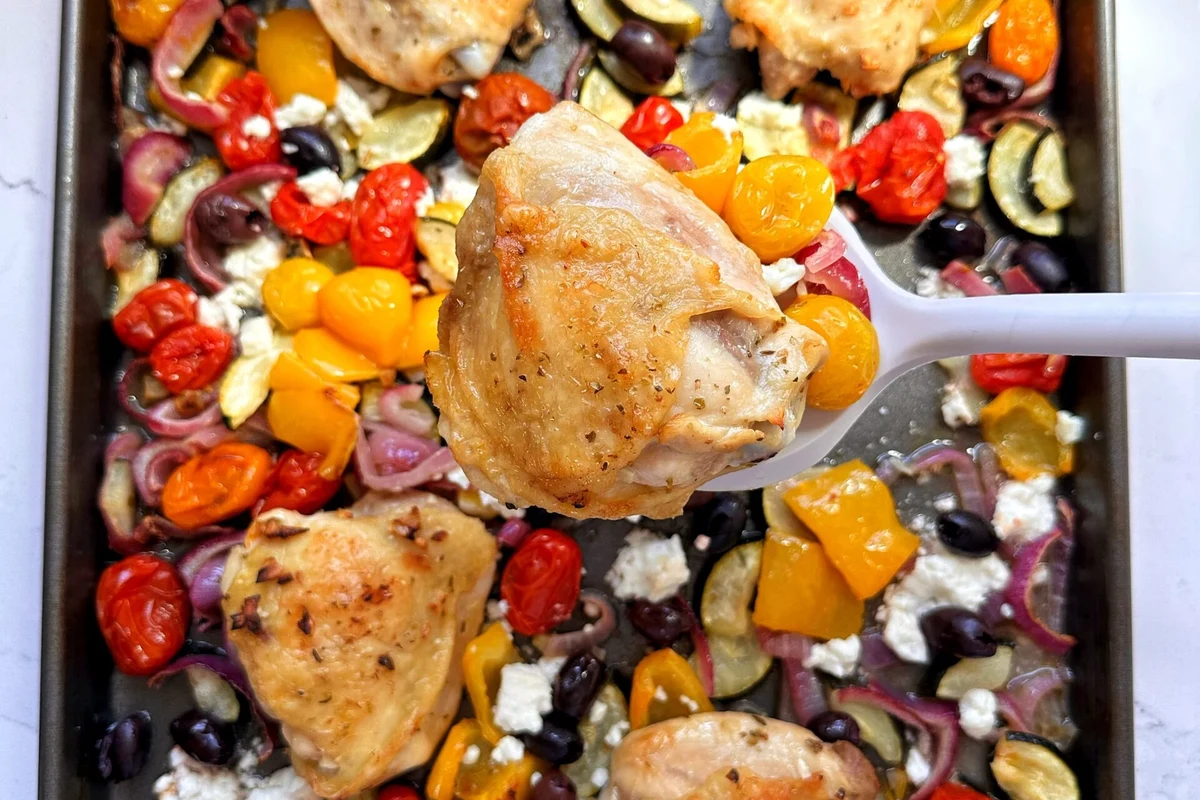
In 2026, home cooks are prioritizing efficiency without sacrificing nutritional value. This recipe is designed for the “set it and forget it” mentality, requiring minimal active time once the prep is complete. It is an ideal solution for busy weeknights or structured meal prep, allowing you to manage your time effectively while ensuring a balanced dinner is ready in under an hour.
Essential Ingredients for Authentic Mediterranean Flavor
Selecting the Best Protein and Produce
For the best results, use chicken thighs with the skin on and bone in, as they stay juicy during the roasting process. If you prefer white meat, chicken breasts are acceptable but require careful monitoring to prevent drying out. Pair the protein with hearty Mediterranean vegetables like bell peppers, red onions, zucchini, and cherry tomatoes. If you enjoy experimenting with different textures, consider adding ingredients like those found in our zucchini bell pepper chicken recipe for added variety.
The Golden Ratio: Mastering the Greek Marinade
The marinade is the soul of the dish. Use a ratio of three parts extra virgin olive oil to one part fresh lemon juice. Whisk in minced garlic, dried oregano, and a touch of salt and black pepper. Letting the chicken sit in this mixture for at least 30 minutes before roasting allows the acid and aromatics to penetrate the meat, ensuring deep flavor in every bite.
Add a tablespoon of Dijon mustard to your marinade to help emulsify the oil and lemon, creating a thicker coating that clings better to the chicken skin.
Step-by-Step Cooking Technique: Achieving the Perfect Roast
Prep Work and Proper Vegetable Slicing
Uniformity is the secret to even cooking. Cut your vegetables into roughly equal sizes—about 1-inch chunks—so they reach tenderness at the same rate as the chicken. Avoid overcrowding the pan, as this causes the ingredients to steam rather than roast. If the pan is too full, use two separate baking sheets to ensure proper airflow.
The Science of Even Roasting and Caramelization
Preheat your oven to 400°F (200°C). Arrange the chicken pieces skin-side up to allow the fat to render and crisp. If you notice your vegetables are cooking faster than the chicken, feel free to remove them from the pan once they reach your desired level of tenderness while the chicken finishes, or add them halfway through the cooking process.
Combine your chicken and marinade in a bowl or bag for 30–60 minutes.
Spread the vegetables on the sheet pan, nestle the chicken among them, and drizzle with any remaining marinade.
Bake at 400°F until the chicken reaches a safe internal temperature of 165°F.
Substitutions and Customizations for Your Kitchen
Protein Swaps and Vegetarian Alternatives
If you aren’t using chicken, this marinade works beautifully on firm tofu or chickpeas for a vegetarian version. For those who enjoy poultry variations, you might find inspiration in the techniques used for our air fryer chicken thighs, which can be adapted for the oven by adjusting the cook time.
Flavor Variations: Adding Depth to Your Sheet Pan
Boost the Mediterranean profile by adding Kalamata olives, capers, or cubes of feta cheese during the last five minutes of roasting. A sprinkle of fresh parsley or dill right before serving adds a bright, herbaceous finish that cuts through the richness of the roasted meat.
Food Safety, Handling, and Storage Guidelines
Always handle raw chicken on a dedicated cutting board. Use a meat thermometer to ensure the chicken reaches an internal temperature of 165°F (74°C) at its thickest part.
Safe Raw Chicken Handling Practices
Avoid washing raw chicken, as this can splash bacteria onto nearby surfaces. Thoroughly wash your hands and any utensils that touched raw chicken with hot, soapy water immediately after prep.
Storing Leftovers and Reheating for Optimal Texture
Store leftovers in an airtight container in the refrigerator for up to 3–4 days. To reheat without making the vegetables mushy, use a toaster oven or a conventional oven at 350°F until warmed through, rather than a microwave.
Common Mistakes and Troubleshooting Your Sheet Pan Bake
The most common issue is “soggy” vegetables. This usually happens when the pan is overcrowded or the oven temperature is too low. Ensure the pan is not stacked and that the oven is fully preheated before sliding the tray inside. If your chicken is cooked but the skin isn’t crispy, switch your oven to the broiler setting for the final 2–3 minutes, keeping a very close watch to prevent burning.
The Value of Sheet Pan Cooking: Efficiency and Nutrition
Sheet pan cooking is an essential tool for the modern kitchen. It minimizes cleanup and encourages the consumption of various vegetables in a single meal. By roasting, you preserve more nutrients compared to boiling, and the natural sugars in vegetables like onions and peppers caramelize, providing a depth of flavor that requires very little added fat or sodium.
Final Recommendation: Elevating Your Weekly Meal Prep
This Greek sheet pan chicken recipe is a reliable, versatile staple that belongs in every home cook’s rotation. By focusing on high-quality olive oil and fresh herbs, you can achieve a restaurant-quality meal with minimal effort. It is the perfect balance of convenience and flavor, making it an excellent candidate for your 2026 meal planning strategy.
Common Questions
For this recipe, 400°F (200°C) is ideal to achieve a good sear on the chicken while roasting the vegetables.
Yes, marinating for a few hours or overnight in the refrigerator will deepen the flavor, but limit it to 24 hours due to the acidity of the lemon juice.
Yes, this recipe is naturally gluten-free, provided you use high-quality, pure spices and oils.
Absolutely; dried oregano is actually preferred for the marinade, while fresh herbs are best as a garnish before serving.
Use two baking sheets. Crowding the pan causes the food to steam rather than roast, preventing the desired caramelization.
Frequently Asked Questions
Yes, you can use chicken breasts, but they cook faster and can dry out more easily. Keep an eye on them and remove them from the oven as soon as they reach 165°F.
Avoid overcrowding the sheet pan, which traps steam. Ensure the vegetables are cut into uniform pieces and spread them out in a single layer to allow for proper roasting.
Store leftovers in an airtight container in the refrigerator for up to 3 to 4 days. Reheat in an oven or toaster oven to retain the best texture.
Absolutely. Vegetables like broccoli, asparagus, or halved Brussels sprouts work well. Just ensure they are cut to a size that cooks at the same rate as the other ingredients.
According to food safety guidelines, chicken must be cooked to an internal temperature of 165°F (74°C) to be safe for consumption.
No, you should not wash raw chicken. Doing so can spread harmful bacteria around your kitchen surfaces through splashing water.