How to Make Chicken Kabobs in the Oven (425°F Guide)

Learning how to make chicken kabobs in the oven is a game-changer for home cooks who want the smoky, charred flavor of a backyard barbecue without needing to fire up the grill. By utilizing high-heat roasting techniques, you can achieve juicy, tender chicken and perfectly caramelized vegetables right in your kitchen.
- Uniformity: Cut meat and vegetables into equal 1-inch pieces to ensure even cooking.
- Heat Control: Use a high temperature (425°F) to achieve a roasted, charred finish.
- Safety: Always use a meat thermometer to confirm the chicken hits 165°F.
- Moisture: Opt for chicken thighs over breasts to prevent the meat from drying out.
How to Make Chicken Kabobs in the Oven: The Ultimate Guide
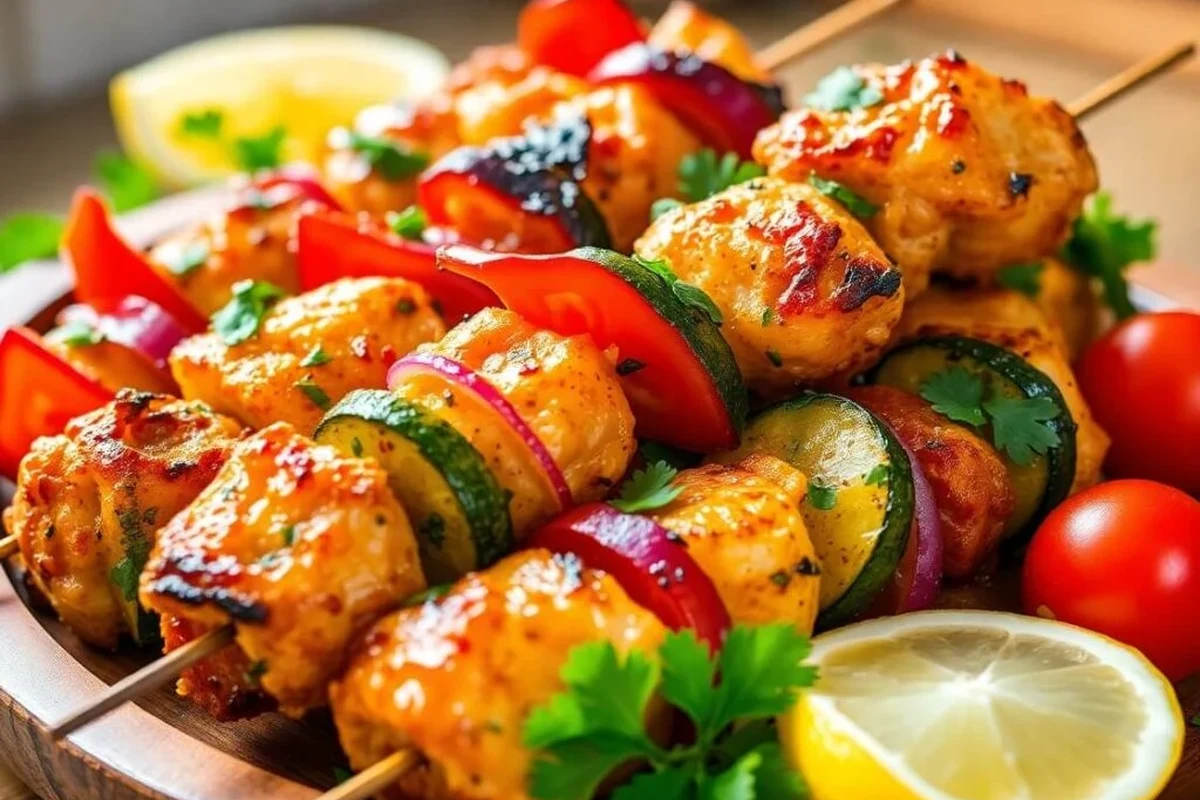
Whether you are looking for a quick weeknight dinner or prepping for a large gathering in 2026, oven-baked kabobs offer incredible versatility. This method is particularly effective for those who want to avoid the unpredictability of weather or charcoal management. By following a few simple principles regarding heat distribution and ingredient preparation, you can replicate the signature flavors of a traditional Belizean kitchen in your own oven.
What Are Oven-Baked Chicken Kabobs?
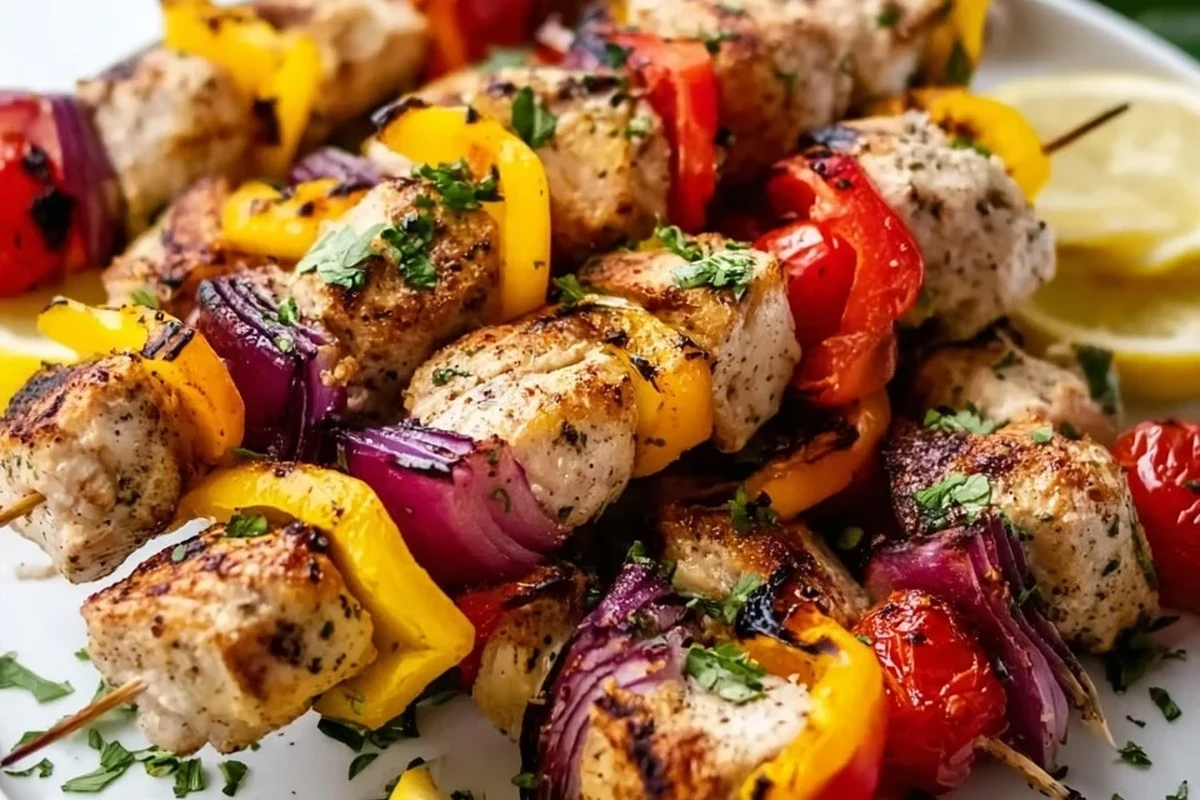
Oven-baked chicken kabobs are skewered pieces of marinated poultry and seasonal vegetables, roasted at high temperatures to simulate the effect of an open flame. Unlike stovetop methods that might steam the ingredients, the oven allows for consistent air circulation, which helps in browning the edges of the chicken and softening the vegetables without turning them into mush. It is a reliable, hands-off way to prepare protein-packed meals that are as visually appealing as they are delicious.
Key Ingredients for Authentic Belizean-Inspired Kabobs
Authentic flavor starts with the right foundation. In Belizean cooking, we lean heavily on bold, vibrant aromatics and citrus to cut through the richness of the chicken.
Selecting the Best Chicken Cuts for Oven Roasting
For the juiciest results, boneless, skinless chicken thighs are the gold standard. Thigh meat has a higher fat content than breast meat, which prevents it from drying out during the roasting process. If you prefer white meat, chicken fillet breast can be used, provided you marinate it well and avoid overcooking. Always ensure your pieces are cut into uniform 1-inch cubes to guarantee they finish cooking at the same time.
Marinade Essentials: Balancing Citrus, Spice, and Savory
The marinade is where the magic happens. A classic profile includes fresh lime juice, crushed garlic, a hint of cumin, and perhaps a touch of habanero if you enjoy heat. Using the best spices for chicken—such as smoked paprika or annatto—will provide that deep, earthy color and flavor characteristic of Caribbean-inspired dishes.
Step-by-Step: How to Make Chicken Kabobs in the Oven
Reusable metal skewers won’t burn or splinter like bamboo — see top-rated kabob skewers here.
Real-Kitchen Benefits of Oven-Roasted Kabobs
Cooking kabobs in the oven allows you to maintain total control over your environment. You don’t have to worry about flare-ups or uneven charcoal heat. Furthermore, it makes meal prep ideas with chicken breast significantly easier, as you can roast a large batch at once and store them for the week ahead. It’s a clean, efficient process that keeps your kitchen workspace organized.
Expert Substitutions and Ingredient Customizations
Vegetable Pairings That Roast at the Same Rate
Choose vegetables with similar textures, such as bell peppers, red onions, and zucchini. If you want to include harder vegetables like potatoes or carrots, make sure to par-boil them first, as they will take much longer to cook than the chicken.
Flavor Variations
You can easily switch up your flavor profile. Try a tropical citrus glaze by adding pineapple juice to your marinade, or go for a bold, smoky profile using a jerk-style rub. The beauty of this dish lies in its adaptability to whatever ingredients you have on hand.
Common Mistakes and How to Avoid Them
- Use a meat thermometer to check for doneness.
- Cut all ingredients into uniform sizes.
- Crowding the pan, which leads to steaming.
- Using wooden skewers without soaking them.
Food Safety and Handling Best Practices
Always practice strict hygiene when handling raw poultry. Wash your hands, cutting boards, and any utensils that come into contact with raw chicken immediately to prevent cross-contamination.
Storage, Reheating, and Meal Prep Strategy
Kabobs can be stored in an airtight container in the refrigerator for up to 3 days. When reheating, avoid the microwave if possible, as it tends to make chicken rubbery. Instead, place them in a preheated oven or a hot skillet with a splash of water or broth to help maintain moisture.
Final Recommendations for Perfect Oven-Baked Kabobs
For the best results, use a wire rack set inside a baking sheet. This allows heat to hit the bottom of the skewers, creating a more uniform cook and preventing the vegetables from getting soggy in the rendered juices. If you are a fan of ground chicken kebab recipe variations, the same oven-roasting principles apply, though you may need to adjust your cooking time to accommodate the different texture of ground meat. More oven methods: how to broil chicken breast in the oven.
Common Questions
At 425°F, they typically take 15 to 20 minutes, depending on the size of the chicken pieces.
Yes, flipping them halfway through ensures even browning on all sides.
It is best to fully thaw the chicken before skewering to ensure even cooking and safety.
Lightly oil your grill rack or use parchment paper, and ensure your marinade has a small amount of oil.
No, always verify the internal temperature reaches 165°F with a thermometer regardless of color.
Frequently Asked Questions
Both work well, but wooden skewers must be soaked in water for 30 minutes first to prevent burning. Metal skewers are reusable and conduct heat to the center of the meat.
Use chicken thighs instead of breasts for more fat, and ensure you don’t overcook the meat. A quick marinade also helps lock in moisture.
Yes, provided you cut them into uniform sizes. If you want to use hard vegetables like potatoes, par-boil them first so they finish at the same time as the chicken.
A high temperature of 425°F (220°C) is ideal. This allows the meat to brown and caramelize before it dries out.
Always use a meat thermometer to check that the thickest piece of chicken has reached an internal temperature of 165°F (74°C).
Reheat them in a preheated oven or a skillet with a little liquid to keep them moist. Avoid the microwave, which can make the meat tough.