Chicken Fillet Breast

Chicken fillet breast is the lean, boneless, and skinless tenderloin portion of the chicken, ideal for quick searing or poaching. It is a highly versatile, protein-rich cut that requires careful temperature management to maintain moisture.
Chicken fillet breast is the lean, boneless, and skinless portion of the pectoral muscle, prized for its versatility, speed of cooking, and high protein content. As we navigate the culinary landscape of 2026, this cut remains a staple in home kitchens for its ability to absorb bold marinades and adapt to a wide variety of global cuisines.
- Uniformity: Pound fillets to an even thickness to ensure they cook at the same rate.
- Safety: Always reach an internal temperature of 165°F (74°C) using a meat thermometer.
- Moisture: Salt your chicken before cooking and always allow it to rest for at least.
- Versatility: Use bold marinades like lime and cilantro to complement the mild flavor of the.
What is Chicken Fillet Breast? Understanding the Leanest Cut
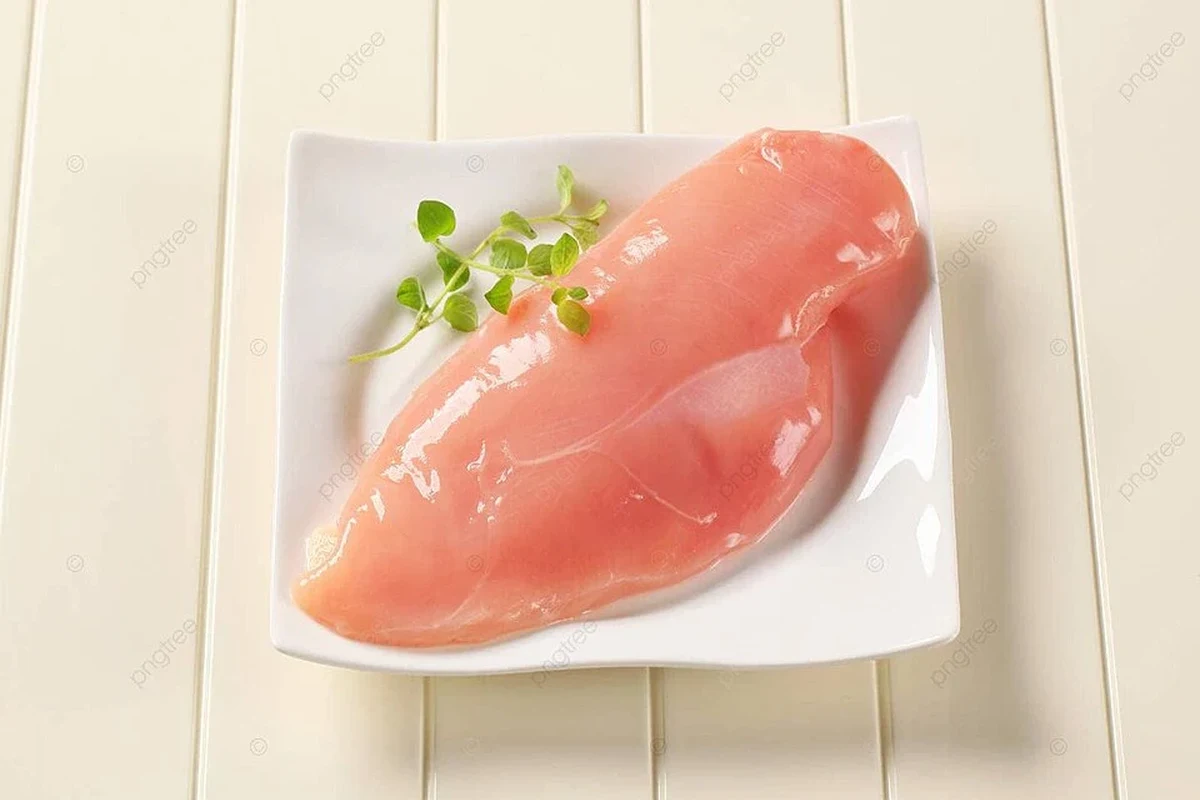
The chicken fillet breast is essentially the “tenderloin” or the smaller, strip-like muscle found attached to the underside of the main breast lobe. In commercial butchery, it is often separated and sold as a premium, ready-to-cook piece. Because it lacks fat caps, skin, and bones, it is the purest form of poultry protein available.
Distinguishing Fillets from Whole Breasts
While often grouped together, fillets and whole breasts differ in texture and structure. The whole breast is a larger, thicker muscle that requires careful preparation to ensure the center cooks through without drying out the edges. The fillet, being naturally thinner and more uniform, cooks significantly faster. Understanding this distinction is key to preventing the common pitfall of overcooking your meat.
Why Chicken Fillet Breast is the Culinary Gold Standard in 2026
In 2026, home cooks are increasingly prioritizing efficiency without sacrificing health. The fillet breast fits this demand perfectly. Its minimal connective tissue means it remains tender when prepared correctly, and its mild flavor profile makes it a blank canvas for everything from a traditional Belizean BBQ chicken recipe to modern fusion dishes.
Chicken fillets are naturally lower in calories than dark meat cuts like thighs, making them a preferred option for those looking to manage their macros without sacrificing volume in their meals.
The Buyer’s Guide: How to Select Premium Chicken Fillets
Visual Indicators of Freshness and Quality
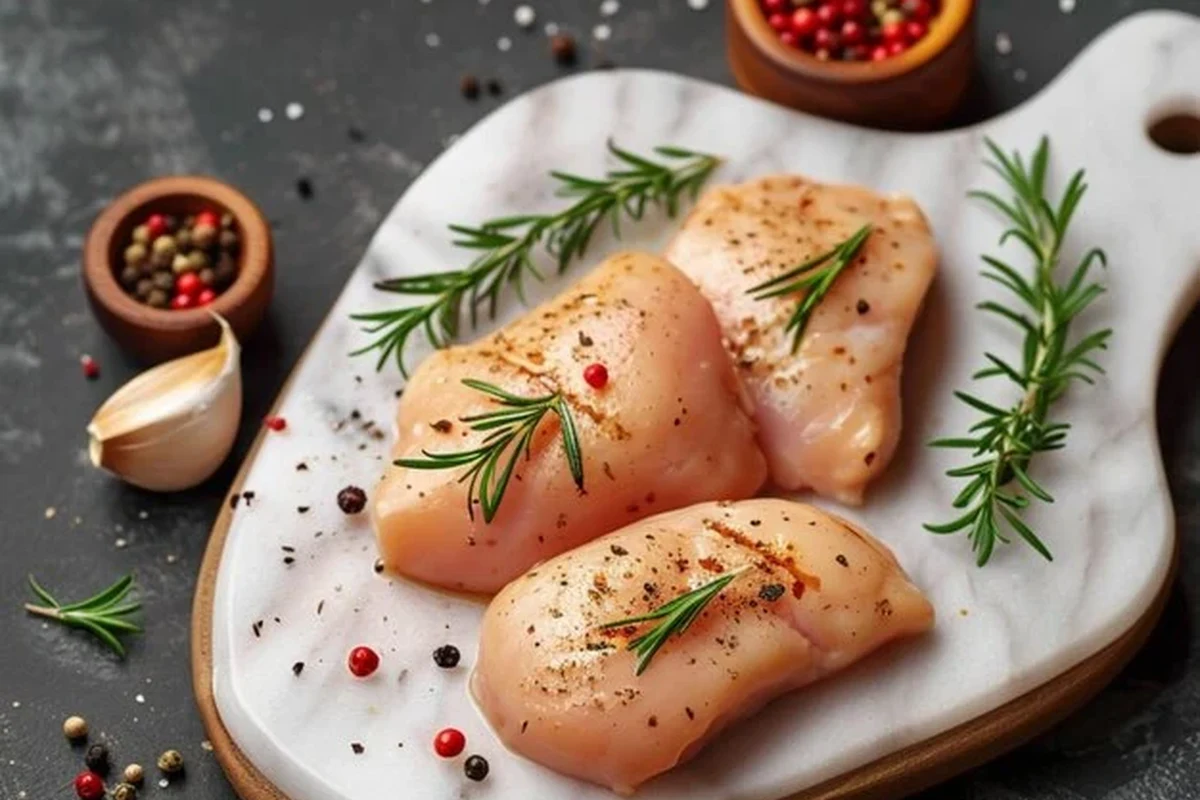
When selecting fillets, look for a light pink color with a slight sheen. Avoid packages with excessive liquid, which can indicate poor handling or previous freezing. The meat should be firm to the touch; if it leaves an indentation when pressed, it may be past its peak freshness.
Sourcing Sustainably: What Labels Actually Mean
Labels like “organic,” “pasture-raised,” or “antibiotic-free” provide insight into the bird’s life cycle. While these terms can impact price, they often correlate with better texture. Always check the “sell-by” date and ensure the packaging is airtight to prevent cross-contamination.
The Value Proposition: Why Fillets Cost More Than Whole Birds
You are paying for the labor of deboning and skinning. While whole birds are more economical, the fillet offers convenience and zero waste, which many busy households find justifies the higher price point per pound.
Mastering the Technique: How to Cook Chicken Fillet Breast Perfectly
The Science of Even Cooking: Pounding and Uniformity
The secret to a perfect fillet is thickness. Even within a single fillet, one end is often thicker than the other. Use a meat mallet to gently pound the thicker end until the entire piece is uniform. This ensures that the fillet reaches the target internal temperature simultaneously, preventing the thin end from becoming rubbery.
Pan-Searing for the Perfect Golden Crust
High-heat searing is ideal for fillets. Use a heavy-bottomed skillet and a high-smoke-point oil. Once the pan is hot, lay the fillet away from you to avoid splatter. Avoid moving the meat for at least 2-3 minutes to allow the Maillard reaction to create that savory, golden-brown crust.
Low-and-Slow Methods for Maximum Moisture Retention
For dishes like Belizean curry chicken recipe, you might want to poach or simmer the fillets. Keep the heat low and the liquid just below a simmer. This gentle approach prevents the muscle fibers from tightening up, keeping the chicken succulent.
If you find pan-searing intimidating, try using a meat thermometer to pull the chicken off the heat at 160°F (71°C). It will rise to the safe 165°F (74°C) during the resting period.
The Belizean Approach: Infusing Island Flavors into Lean Chicken
Belizean cuisine thrives on vibrant, aromatic ingredients. Because the chicken fillet is mild, it acts as an excellent sponge for our local spices.
Essential Belizean Marinades and Dry Rubs
Start with a base of lime juice, garlic, and recado (annatto paste) for an authentic flavor profile. Adding a touch of habanero—used sparingly—brings the heat that defines our regional dishes. Dry rubs containing cumin, allspice, and black pepper also work wonders for grilled fillets.
Key Ingredients to Elevate Your Fillet
Don’t overlook fresh cilantro, coconut milk, or local hot sauces. These ingredients add depth and moisture to the lean meat, transforming a simple protein into a Caribbean-inspired feast.
Recipe Spotlight: Caribbean-Style Lime and Cilantro Chicken Fillets
Marinate your fillets for at least 30 minutes in lime juice, minced garlic, a teaspoon of brown sugar, and chopped cilantro. Sear in a hot pan with a small amount of coconut oil. Serve alongside coconut rice for a classic, balanced meal.
Essential Kitchen Techniques and Common Cooking Mistakes
Avoiding the “Rubber Texture”: Overcooking and Heat Control
The number one mistake is overcooking. Because fillets have no fat to buffer the heat, they go from perfect to dry in seconds. Always use a digital thermometer to check for doneness.
The Importance of Resting Your Meat
Resting is non-negotiable. After cooking, let your fillets sit on a cutting board for 5 minutes. This allows the juices to redistribute throughout the meat, ensuring every bite is moist.
Managing Moisture: Why Pre-Salting Matters
Salting your chicken 15–30 minutes before cooking (a process known as dry brining) helps the meat retain its internal moisture during the cooking process. It also seasons the fillet all the way through, not just on the surface.
- Use a meat thermometer
- Pound meat to even thickness
- Rest meat for 5 minutes
- Cooking cold chicken straight from the fridge
- Crowding the pan
- Cutting into the meat to check for doneness
Food Safety, Handling, and Proper Storage
Sanitation Protocols in the Home Kitchen
Always wash your hands, cutting boards, and knives with hot, soapy water after handling raw chicken. Never use the same board for your vegetables that you used for your raw fillets.
Temperature Guidelines: Ensuring Safe Internal Doneness
The USDA recommends cooking all poultry to an internal temperature of 165°F (74°C) to ensure all harmful bacteria are eliminated. Always insert the thermometer into the thickest part of the fillet.
Best Practices for Refrigeration and Freezer Longevity
Store fresh chicken in the coldest part of your refrigerator for no more than 1–2 days. For long-term storage, wrap individual fillets in plastic wrap and place them in a freezer-safe bag, removing as much air as possible to prevent freezer burn. They can be safely frozen for up to 9 months.
Troubleshooting and Substitutions
What to Do When Your Fillets Are Too Dry
If you’ve overcooked them, don’t discard them! Shred the chicken and toss it with a bit of lime juice, broth, or olive oil. It makes an excellent base for a Belizean chicken tacos recipe, where the texture can be hidden by fresh toppings and salsas.
Best Substitutions for When Fillets Aren’t Available
If you cannot find fillets, look for boneless, skinless chicken breasts. You can easily cut them into strips or butterfly them to mimic the size and cooking time of a fillet.
Adapting Recipes for Different Chicken Cuts
Remember that bone-in or skin-on cuts take longer to cook and require different techniques. If a recipe calls for fillets but you only have thighs, increase your cooking time by 5–10 minutes to account for the higher fat and density of the meat.
Final Verdict: Integrating Chicken Fillet Breast into Your Weekly Meal Prep
The chicken fillet breast is arguably the most efficient protein for the modern home cook. Its ability to cook rapidly, combined with its versatility in both traditional and international recipes, makes it an essential item for your grocery list. By focusing on proper preparation—specifically uniform thickness and correct internal temperature—you can ensure a high-quality result every time you cook. Whether you are meal prepping for the week or looking for a quick weeknight dinner, the fillet is a reliable, healthy, and delicious choice.
Common Questions
Yes, it is one of the leanest cuts, containing very little fat and high amounts of protein.
It is best to thaw them completely in the refrigerator to ensure even cooking and food safety.
This is almost always caused by overcooking, which makes the protein fibers tighten and expel all their moisture.
No, washing raw chicken in the sink can spread harmful bacteria throughout your kitchen via splashing.
Keep them in an airtight container in the refrigerator for up to 3-4 days and reheat gently to avoid drying them out.
Frequently Asked Questions
Prevent dryness by pounding the fillets to an even thickness and using a digital meat thermometer to pull them off the heat exactly at 165°F. Always let the meat rest for 5 minutes before serving to allow juices to redistribute.
Yes, you can freeze fillets for up to 9 months. Wrap them individually in plastic wrap and place them in an airtight, freezer-safe bag to prevent freezer burn.
Use a meat mallet to gently pound the fillet to a uniform thickness. You can also use acidic marinades like lime juice or yogurt for 30 minutes to help break down the fibers.
Usually, 3 to 5 minutes per side over medium-high heat is sufficient. Always verify doneness by reaching an internal temperature of 165°F (74°C).
While they are from the same area, the fillet is the smaller, tender strip attached to the underside of the main breast. It is smaller, thinner, and cooks faster than the full breast lobe.
Discard any chicken that has a sour smell, a slimy or sticky texture, or a grayish/discolored appearance. When in doubt, it is safer to dispose of the product.