Frozen Chicken in the Instant Pot

You can safely cook frozen chicken in an Instant Pot by using at least one cup of liquid and allowing for a natural pressure release. Always verify the internal temperature reaches 165°F (74°C) before serving.
Cooking frozen chicken in the Instant Pot is a reliable, time-saving method that allows you to bypass the long thawing process without sacrificing the quality of your meal. By utilizing the power of pressurized steam, you can safely transform rock-hard poultry into tender, flavorful meat in a fraction of the time it would take in a conventional oven.
- Liquid requirement: Always add at least one cup of water or broth to prevent the burn.
- Internal temp: Use a meat thermometer to ensure the chicken reaches 165°F (74°C).
- Pressure release: Use a 5-10 minute natural release to keep the meat tender.
- Avoid slow cooker: Never use the slow cooker function for frozen meat due to safety risks.
Frozen Chicken in the Instant Pot: Your Ultimate Weeknight Savior
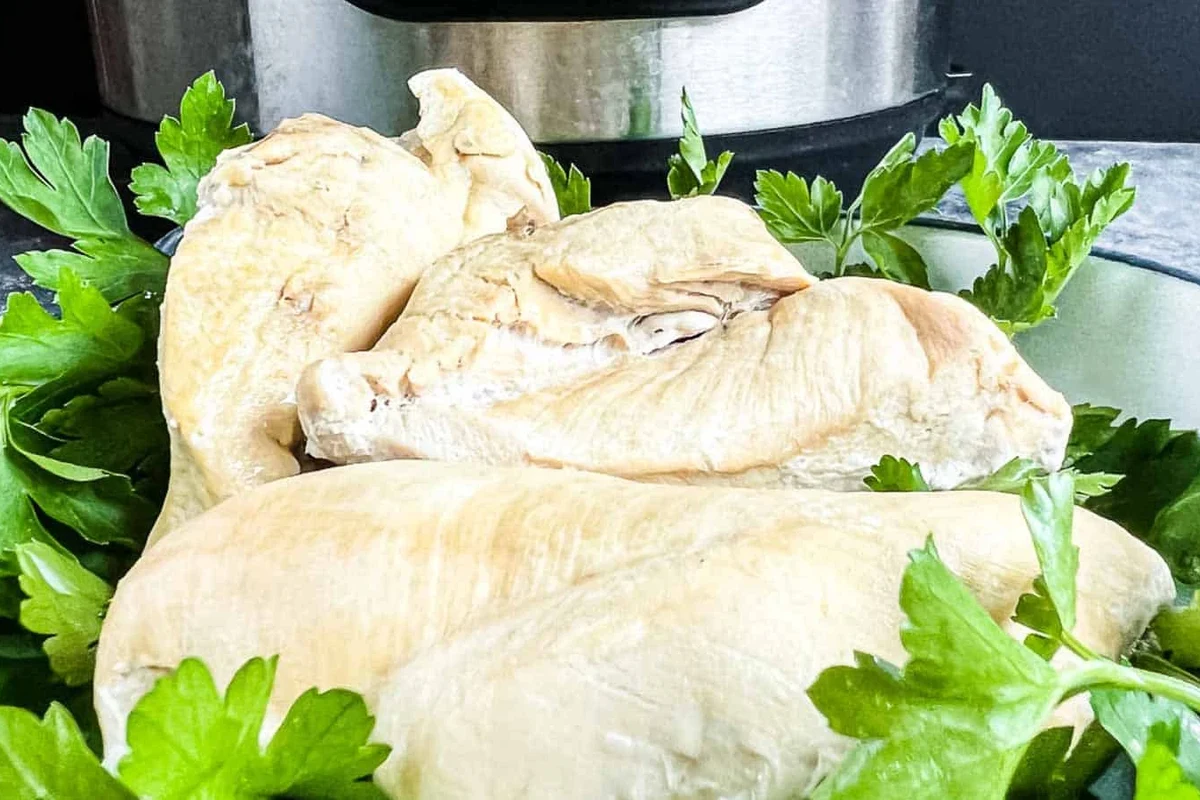
For home cooks in 2026, the Instant Pot has become an indispensable kitchen tool. When you find yourself staring at a frozen block of chicken with no dinner plan, the ability to pressure cook that meat directly from the freezer is a game-changer. Whether you are prepping for a quick family dinner or stocking up on meal prep ideas with chicken breast, this method provides a consistent, hands-off solution.
Can You Safely Cook Frozen Chicken in an Instant Pot?

Yes, pressure cooking is a safe and effective way to cook frozen chicken, provided you follow specific guidelines. The Instant Pot uses high pressure to raise the boiling point of water, creating an environment that cooks food rapidly and evenly.
The Science Behind Pressure Cooking Frozen Poultry
Pressure cookers work by trapping steam, which forces heat into the meat much faster than standard conduction or convection. When starting with frozen meat, the initial phase of the cycle is slightly longer as the pot works to come up to pressure. Once at pressure, the moisture trapped inside the vessel ensures the chicken reaches a safe internal temperature without drying out, a common issue with traditional defrosting and roasting methods.
Why Frozen Chicken in the Instant Pot Works for Busy Belizean Kitchens
In a busy household, efficiency is paramount. Utilizing the pressure cooker saves you the hours required for safe refrigerator thawing, allowing you to move from freezer to stove immediately.
Time-Saving Benefits for the Modern Home Cook
By eliminating the thaw step, you gain back valuable time. You can simply season your frozen chicken, add your liquid, and set the timer. This is particularly useful for those who frequently use frozen chicken breast in instant pot recipes, as the process remains predictable and reliable.
Retaining Moisture and Flavor Without Defrosting
Contrary to the belief that frozen meat becomes tough, pressure cooking actually locks in juices. Because the chicken is surrounded by steam, the fibers do not lose moisture to evaporation as they would in an oven. This results in tender meat that shreds easily for tacos, salads, or stews.
Essential Ingredients and Preparation for Success
To achieve the best results, you must understand how different cuts behave under pressure.
Choosing the Right Cuts: Breasts vs. Thighs vs. Whole Birds
Boneless, skinless breasts are the most common choice, but they can dry out if overcooked. Thighs are more forgiving due to their higher fat content. If you are curious about how long to cook frozen chicken breast instant pot, remember that thickness matters more than weight; always aim for uniform pieces.
Try to freeze your chicken in a single layer or in bags that allow for easy separation. If your chicken is frozen in a solid, thick block, the center may remain undercooked while the outside overcooks.
The Role of Liquid: Avoiding the “Burn” Notice
The Instant Pot requires liquid to generate steam. For chicken, use at least one cup of water, broth, or marinade. If you don’t add enough liquid, the pot will display a “Burn” error. Avoid thick sauces like BBQ or heavy creams until *after* the pressure cycle is complete.
Recommended Seasonings and Aromatics for Best Results
Since the chicken is frozen, surface seasonings may slide off. It is best to add aromatics like garlic cloves, onion chunks, or bay leaves into the liquid. Once the chicken is cooked, you can toss it with your best spices for chicken to build flavor.
Step-by-Step Cooking Technique: From Freezer to Table
The Natural Pressure Release (NPR) vs. Quick Release (QR)
For poultry, a Natural Pressure Release (NPR) of 5–10 minutes is recommended. This allows the fibers to relax, resulting in juicier meat. A full, immediate quick release can cause the proteins to seize, leading to a tougher texture.
Crucial Food Safety Guidelines for Frozen Poultry
Always verify the internal temperature of your chicken with a digital meat thermometer. It must reach a minimum of 165°F (74°C) at the thickest part to be safely consumed.
Why You Should Never Use a Slow Cooker Setting for Frozen Meat
Never cook frozen meat on the “Slow Cooker” setting. The low temperature of a slow cooker will keep the meat in the “danger zone” (between 40°F and 140°F) for too long, allowing bacteria to multiply rapidly before the meat is cooked through.
Common Mistakes to Avoid When Pressure Cooking Frozen Chicken
- Use a meat thermometer to confirm doneness.
- Allow for a natural pressure release.
- Overcrowding the pot with a giant frozen mass.
- Using frozen breaded chicken, which will become soggy.
Storage, Reheating, and Repurposing Leftovers
Cooked chicken should be refrigerated in airtight containers within two hours of cooking. It remains good for 3–4 days in the refrigerator. When reheating, add a splash of broth to prevent the meat from drying out. Use your leftover shredded chicken in soups, salads, or as a filling for wraps.
Final Recommendations and Verdict
Cooking frozen chicken in the Instant Pot is a safe and efficient strategy for the modern home cook in 2026. While fresh meat often yields the best texture, the convenience of the pressure cooker method is unmatched for last-minute meals. By ensuring your chicken is not a solid, impenetrable mass and by utilizing a meat thermometer to confirm safety, you can consistently produce quality results that fit into even the busiest schedules.
Common Questions
Yes, frozen chicken releases some water as it thaws during the cooking process, but you must still provide at least one cup of liquid to build the initial pressure.
Surface seasonings often fall off frozen meat; it is better to add aromatics to the liquid or season the chicken after the pressure cycle is complete.
Avoid cooking large, solid blocks of frozen chicken as the center may remain raw while the exterior overcooks; try to separate pieces before freezing.
Yes, boneless breasts cook faster than bone-in pieces, and thighs are more forgiving if they cook for a few minutes longer than necessary.
Using a trivet is highly recommended to keep the chicken above the liquid, which prevents the meat from boiling and promotes better texture.
Frequently Asked Questions
Yes, it is safe as long as the chicken reaches an internal temperature of 165°F (74°C). The pressure cooking process ensures the meat reaches this temperature quickly.
You should use at least one cup of liquid, such as water or broth, to ensure the Instant Pot can build enough pressure to cook the food properly.
It is generally not recommended as they have different cooking times and fat contents. Try to cook similar cuts together for more even results.
This usually happens when there is insufficient liquid in the pot or if food is stuck to the bottom. Ensure you have enough broth or water and avoid adding thick sauces before cooking.
Frozen chicken breast typically takes about 12–15 minutes at high pressure. Always check the thickest part of the meat to ensure it is fully cooked.
A natural pressure release of 5–10 minutes is preferred for chicken. This helps keep the meat moist and prevents it from becoming tough.