Frozen Chicken Breast in Instant Pot

Cooking frozen chicken breast in an Instant Pot is a safe and efficient way to prepare protein without prior thawing. Simply use a trivet, add one cup of liquid, and ensure the meat reaches an internal temperature of 165°F.
Cooking frozen chicken breast in an Instant Pot is a reliable, time-saving method that allows you to get dinner on the table without the need for advance thawing. By utilizing high-pressure steam, the appliance effectively cooks the meat through while maintaining moisture, provided you follow specific safety and timing guidelines.
- Safety First: Always verify that the thickest part of the chicken reaches 165°F (74°C) using a.
- Use a Trivet: Elevating the chicken on a rack prevents it from boiling and helps maintain a.
- Natural Release: Allow a 10-minute natural pressure release to keep the chicken from becoming tough or.
- Liquid Ratio: Never skip adding at least one cup of water or broth to ensure the.
Can You Safely Cook Frozen Chicken Breast in an Instant Pot?
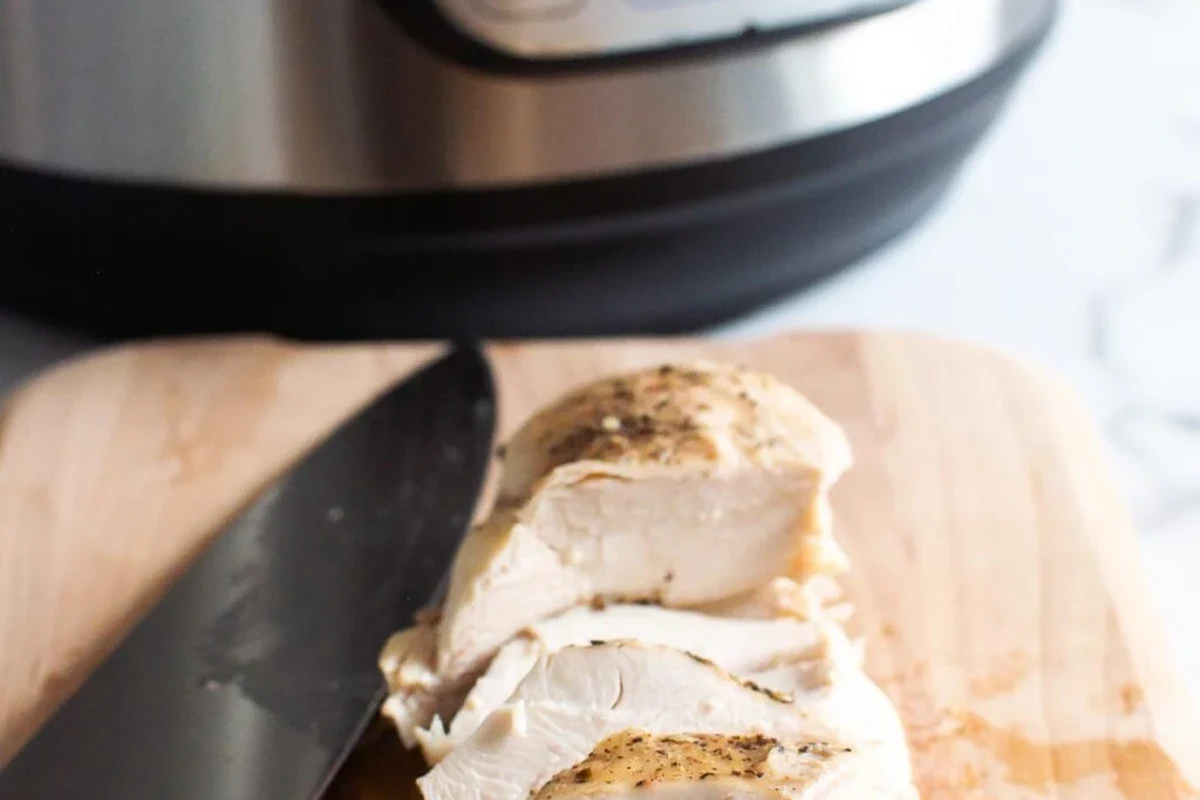
Yes, it is perfectly safe to cook frozen chicken breast in a pressure cooker. The technology behind the Instant Pot allows it to bring frozen poultry to a safe internal temperature quickly, bypassing the “danger zone” where bacteria typically multiply. According to USDA food safety standards, as long as the chicken reaches a minimum internal temperature of 165°F (74°C), it is safe to consume. Because pressure cooking is a closed-loop system, it is an efficient way to handle frozen proteins for busy households in 2026.
Why the Instant Pot is the Ultimate Tool for Frozen Chicken
The Science of Pressure Cooking from Frozen
Pressure cooking works by trapping steam, which raises the boiling point of water and increases the internal pressure of the pot. This environment forces heat into the center of the frozen chicken much faster than conventional oven roasting or stovetop methods. The rapid heat penetration ensures the meat reaches a food-safe temperature while the moisture-rich environment prevents the breast from drying out as severely as it might in dry heat.
Time-Saving Benefits for the Busy Home Cook
For those days when you forget to pull meat from the freezer, this method is a lifesaver. You can turn a rock-hard block of poultry into shredded protein ready for easy Instant Pot soup or tacos in under an hour. This convenience makes it a staple technique for meal preppers who want to maximize efficiency without sacrificing quality.
Try to freeze your chicken breasts individually or in a flat, single layer rather than a large, dense clump. This ensures the pressure cooker can distribute heat evenly across all pieces during the cycle.
Essential Ingredients and Prep for Perfect Results
Selecting the Right Chicken Breast
Uniformity is key. If you are cooking multiple breasts, try to select ones that are similar in thickness. If you have a mix of thin tenders and thick, jumbo-sized breasts, the smaller pieces will overcook before the larger ones are safe to eat. Aim for standard-sized boneless, skinless breasts for the most predictable results.
The Role of Liquid and Seasoning
You must have liquid to create the steam necessary for pressure to build. Water or chicken broth are standard choices. While you can add dry seasonings, avoid adding thick sauces or sugary glazes before the pressure cycle begins, as these can trigger the “Burn” warning on many electric pressure cooker models. Save the flavor-heavy sauces for after the chicken is cooked and shredded.
Step-by-Step Guide: Cooking Frozen Chicken Breast in an Instant Pot
Pour at least one cup of water or chicken broth into the inner stainless steel pot.
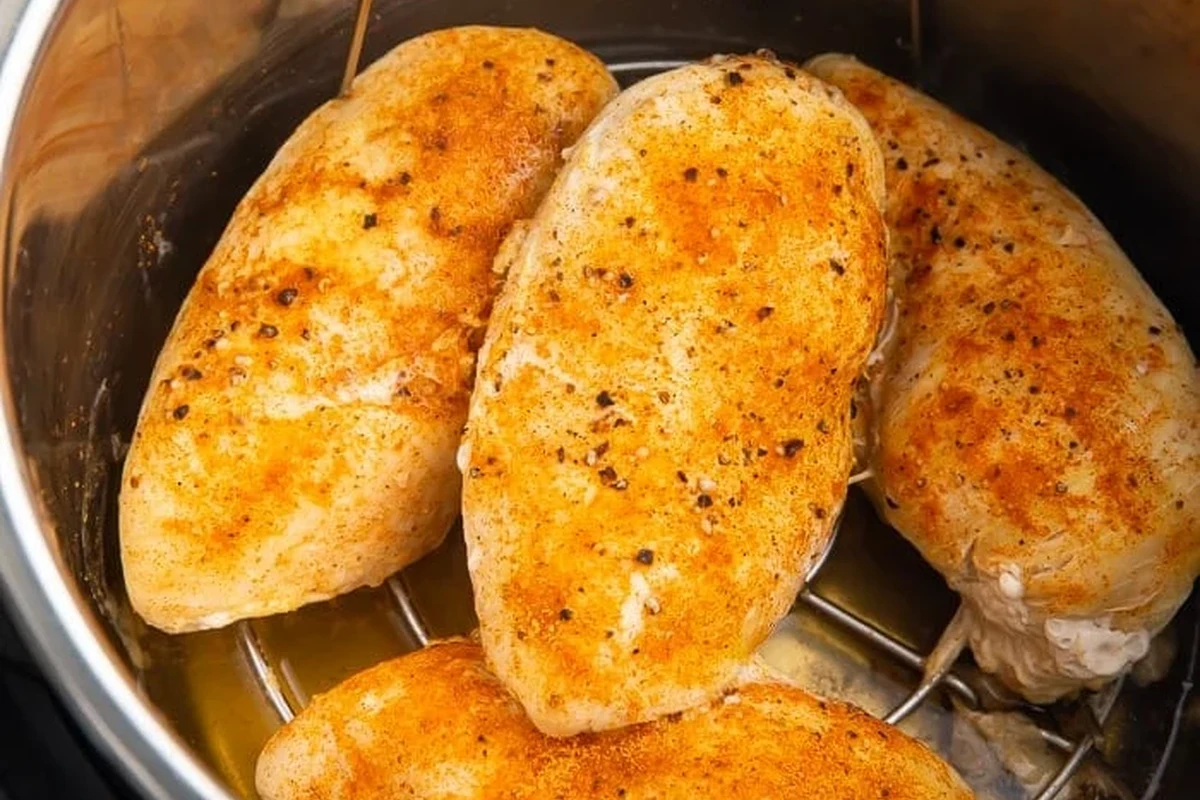
Insert the trivet or steamer rack. This keeps the chicken out of the liquid, preventing it from boiling and ensuring it cooks via steam.
Place the frozen chicken breasts on the rack in a single layer. Do not stack them.
Secure the lid, set the valve to “Sealing,” and cook on High Pressure for 10–15 minutes, depending on thickness.
Determining Cook Times Based on Thickness
Standard boneless breasts usually require 10–12 minutes. If your breasts are exceptionally thick or frozen into a dense mass, increase the time to 15 minutes. Always remember that the pot takes time to come to pressure, so the total time will be longer than the set cook time.
The Importance of Natural Pressure Release (NPR)
Allowing the pot to release pressure naturally for at least 10 minutes after the cycle ends is crucial. This gentle release helps keep the meat tender. If you release the pressure manually (quick release) immediately, the sudden drop in pressure can cause the fibers of the chicken to seize, resulting in a tough, rubbery texture.
Food Safety: Ensuring Your Chicken is Fully Cooked
Always use a digital meat thermometer to verify the internal temperature of the thickest part of the chicken. It must reach 165°F (74°C) to be considered safe for consumption.
Common Mistakes to Avoid When Cooking from Frozen
- Use the trivet to elevate the meat.
- Use at least one cup of liquid.
- Allow for a natural pressure release.
- Stacking chicken in a pile.
- Adding thick, sugary sauces before cooking.
- Skipping the thermometer check.
Storage, Reheating, and Repurposing Leftovers
Once cooked, store leftover chicken in an airtight container in the refrigerator for up to 3–4 days. If you find yourself with extra, this chicken is perfect for Zoup white chicken chili recipe variations or simple salads. To reheat without drying it out, add a splash of broth to the container and warm it gently in the microwave or on the stovetop.
Troubleshooting: Why Your Chicken Turned Out Tough or Dry
If your chicken is rubbery, it was likely overcooked or hit with a quick pressure release. Even though frozen chicken is “forgiving,” it is still lean meat. If you find your model runs hot, try reducing the cook time by two minutes next time. Conversely, if the center is still pink, return the lid to the pot and cook for an additional 2–3 minutes.
Final Verdict: Is Instant Pot Frozen Chicken Right for Your Kitchen?
Cooking frozen chicken in an Instant Pot is an excellent strategy for busy home cooks who prioritize convenience. While it may not yield the same texture as a slow-roasted bird, it is highly effective for shredding, meal prepping, and adding to soups or casseroles. By adhering to safe temperature guidelines and using the trivet, you can consistently achieve safe, edible results even when you’ve forgotten to plan ahead.
Common Questions
Yes, it is perfectly safe as long as the chicken reaches the USDA-recommended internal temperature of 165°F.
No, the Instant Pot is designed to cook items from frozen, which is a major convenience for quick meal prep.
Always use at least one cup of liquid to ensure the pot can generate enough steam to reach pressure.
Avoid thick or sugary sauces before cooking, as they often trigger the “Burn” warning on the display.
Always use a natural pressure release for at least 10 minutes to ensure the chicken remains tender.
Frequently Asked Questions
Generally, frozen chicken breasts take 10–15 minutes on high pressure, depending on their thickness. Always allow for a 10-minute natural pressure release.
Yes, you must add at least one cup of water or broth. This liquid is essential for the pot to build the pressure required to cook the meat.
It is best to separate them, but if they are frozen in a block, you will need to increase the cooking time significantly. However, even cooking is harder to achieve, so try to freeze them individually.
Rubbery chicken is usually caused by overcooking or using a quick pressure release. Always use a natural release to keep the meat fibers tender.
Yes, you can add dry spices, but avoid thick, sugary, or acidic sauces before cooking. These can burn on the bottom of the pot and trigger an error.
The only way to be sure is to use a meat thermometer. The chicken must reach an internal temperature of 165°F (74°C).