Boiled Chicken Breast Kcal

Boiled chicken breast contains approximately 165 calories per 100-gram serving. It is a lean, versatile protein source that serves as an excellent foundation for many healthy meals.
Understanding the calorie content of boiled chicken breast is essential for home cooks looking to balance nutrition with simple, reliable meal preparation. Boiled chicken is a versatile foundation for everything from light salads to hearty soups, offering a lean protein source that fits seamlessly into your 2026 health-conscious kitchen.
- Calorie Count: Roughly 165 kcal per 100g of skinless breast.
- Cooking Method: Use a gentle simmer rather than a boil to keep meat tender.
- Safety First: Always verify an internal temperature of 165°F.
- Flavor Tip: Poach with aromatics like garlic and herbs to avoid bland results.
Boiled Chicken Breast Kcal: The Nutritional Breakdown
How Many Calories Are Actually in Boiled Chicken Breast?
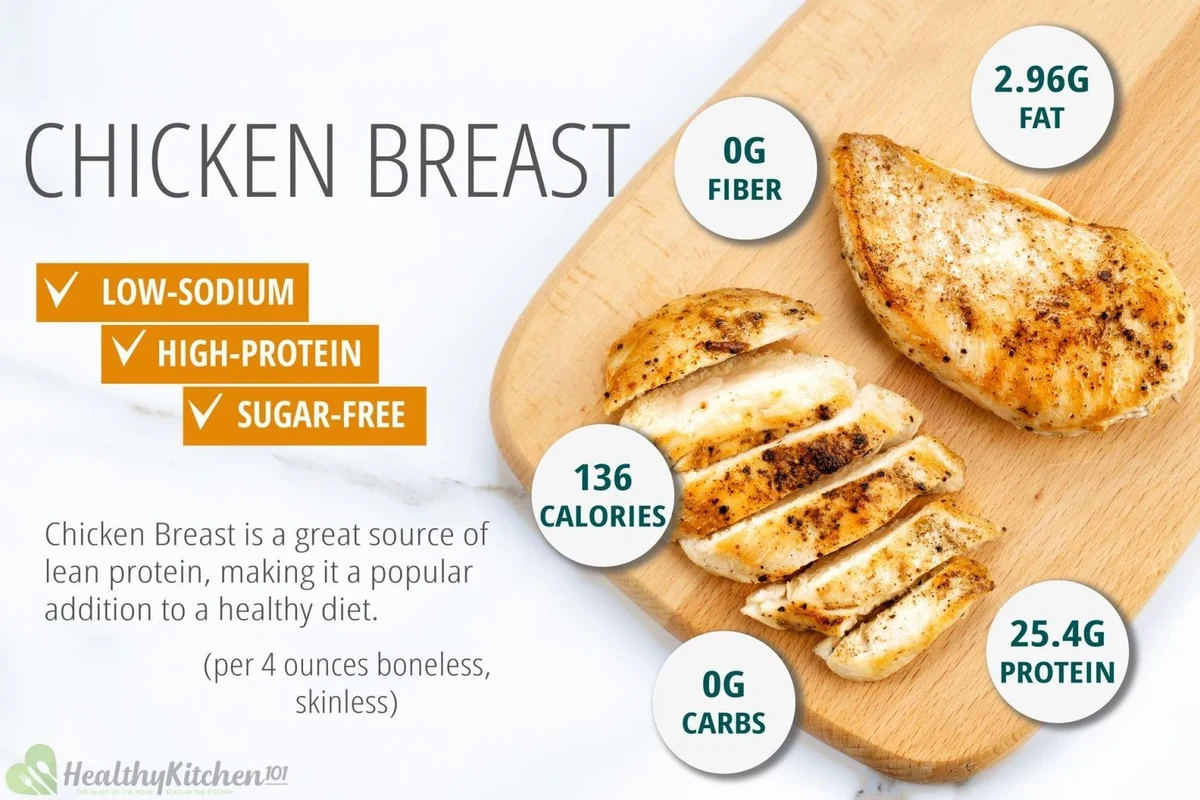
On average, a 3.5-ounce (100-gram) serving of skinless, boneless boiled chicken breast contains approximately 165 calories. However, it is important to note that this figure can fluctuate based on the size of the breast and whether it was cooked with the skin on or off. Boiling is a “clean” cooking method because it does not require added fats like oil or butter, keeping the caloric density relatively low compared to frying or roasting.
Understanding Macronutrients: Protein, Fat, and Beyond
The primary appeal of this preparation method is its high protein-to-fat ratio. A typical serving provides roughly 31 grams of protein and about 3.6 grams of total fat. Because boiling is a water-based heat transfer process, you aren’t adding the extra calories associated with pan-searing or deep-frying. It remains a staple for those focusing on lean muscle maintenance or general dietary management.
Why Boiled Chicken Breast is a Staple in Belizean and Global Kitchens
Who Benefits Most from This Preparation Method?
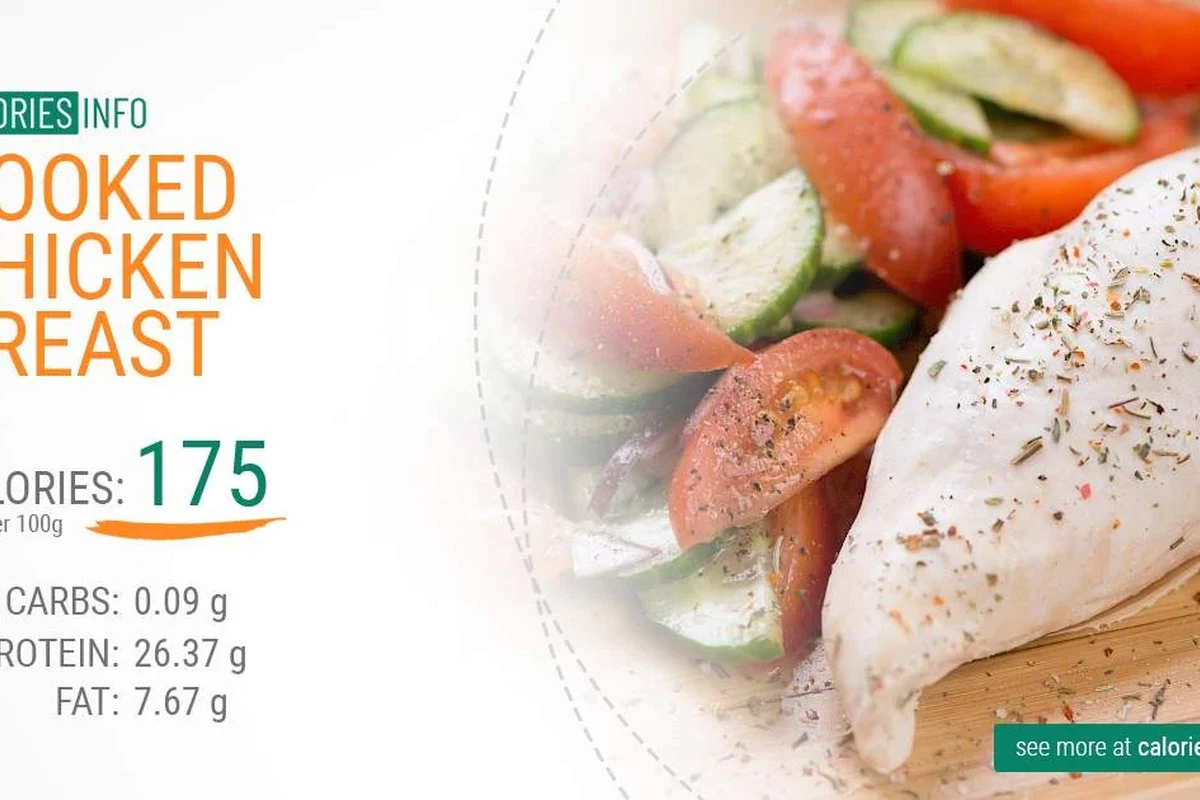
Boiled chicken is perfect for busy home cooks who need a “blank canvas” ingredient. Whether you are prepping for a Belizean chicken tacos recipe or simply need shredded protein for a quick lunch, boiling provides a consistent texture. It is also an excellent method for those who prefer mild flavors that can be easily adapted with herbs, spices, or sauces later in the cooking process.
Real-Kitchen Benefits: Simplicity Meets Health
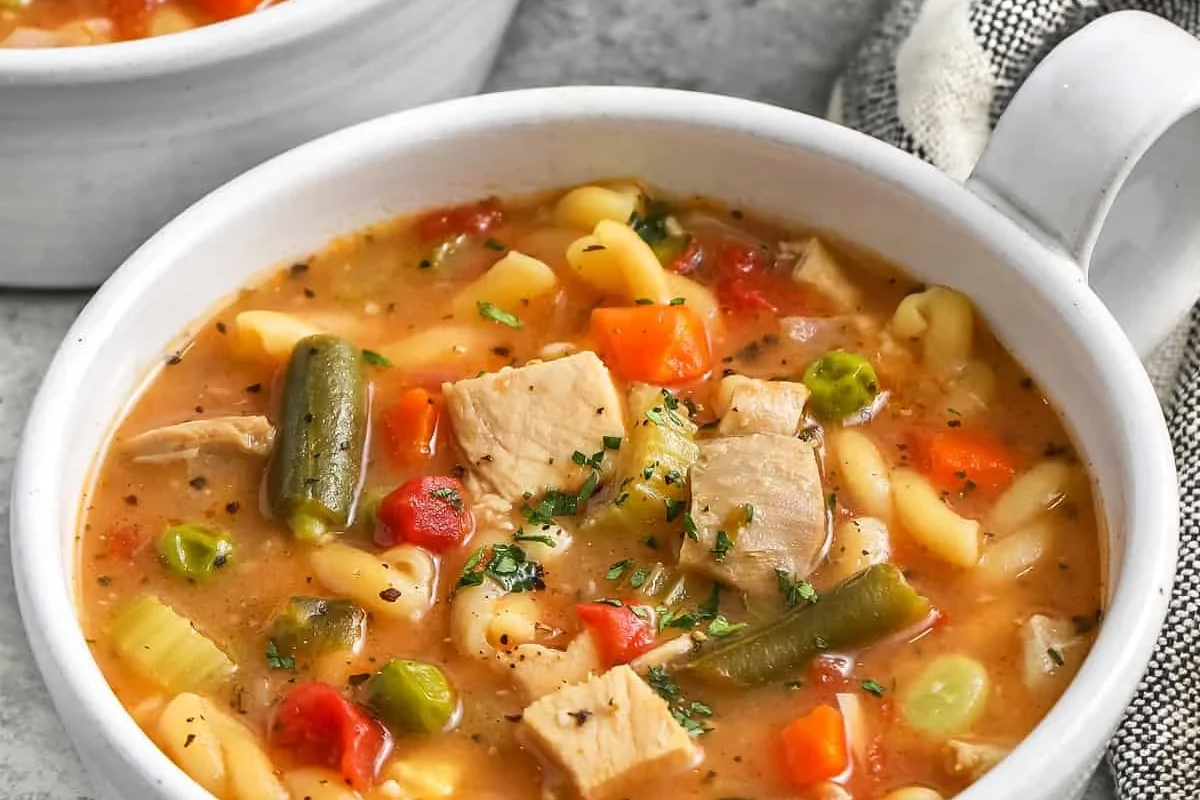
Beyond the boiled chicken breast kcal count, the biggest benefit is the ability to create a flavorful poaching liquid. By adding aromatics like garlic, onion, and cilantro to the pot, the meat absorbs subtle notes without increasing the caloric load. This is a common practice when preparing components for a chicken leek and potato soup recipe, where the broth becomes as important as the meat itself.
Selecting the Perfect Chicken Breast: A Buyer’s Guide
Fresh vs. Frozen: Decision Criteria for Quality
When selecting chicken, prioritize fresh, chilled breasts if your budget allows, as they generally maintain better texture during the boiling process. Frozen chicken is convenient and often more cost-effective, but ensure it is thawed completely in the refrigerator before boiling to ensure even cooking.
Organic, Free-Range, and Conventional: What to Look For
Labels like “organic” or “free-range” often relate to the farming practices rather than the nutritional content or caloric value. Regardless of the label, look for breasts that are plump, pink, and free of discoloration. Always check for packaging integrity to avoid potential contamination.
The Master Technique: How to Boil Chicken Breast Perfectly
Essential Ingredients for Flavorful Results
To avoid the “bland” trap, you need more than just water. Use a base of chicken or vegetable stock, a few cloves of smashed garlic, a bay leaf, and a handful of fresh herbs. In a Belizean kitchen, we often add a piece of onion or a dash of peppercorns to deepen the flavor profile of the poaching liquid.
Place chicken breasts in a pot and cover with cool water or stock by at least an inch.
Add salt, garlic, and herbs to the pot before heating.
Bring to a boil, then immediately reduce to a low simmer. Never let it reach a violent boil, which toughens the meat.
Common Mistakes That Lead to Dry, Flavorless Meat
The most common error is overcooking. Boiling at a high, rolling boil causes the muscle fibers to tighten, resulting in a rubbery texture. Always use a gentle simmer and monitor the temperature closely.
Ensuring Safety and Doneness: Your Culinary Checklist
The Science of Internal Temperature
According to food safety guidelines, chicken must reach an internal temperature of 165°F (74°C) to be considered safe for consumption. Relying on visual cues like “no longer pink” is not as accurate as using a meat thermometer inserted into the thickest part of the breast.
Always use a calibrated digital thermometer to verify the 165°F internal temperature. Do not rely on color alone.
How to Avoid Cross-Contamination in the Kitchen
Keep raw chicken away from fresh produce and ready-to-eat foods. Wash all surfaces, utensils, and your hands thoroughly with soap and warm water after handling raw poultry to prevent the spread of bacteria.
Storage, Shelf Life, and Reheating Best Practices
Proper Refrigeration and Freezing Techniques
Cooked chicken should be refrigerated within two hours of cooking. Store it in an airtight container for up to 3-4 days. For longer storage, you can freeze boiled chicken for up to 3 months; just ensure it is well-wrapped to prevent freezer burn.
How to Reheat Without Sacrificing Texture
Reheating in the microwave can often lead to dry, stringy chicken. Instead, gently warm the shredded chicken in a splash of broth or sauce on the stovetop. This keeps the moisture levels high and prevents the meat from becoming unpalatably dry.
Versatility and Substitutions: Beyond the Pot
Flavor Profiles: Seasoning Ideas for Belizean-Inspired Meals
Once you have your boiled chicken, it acts as a perfect base. Toss it with lime juice, cilantro, and diced tomatoes for a fresh salad, or fold it into a Belizean curry chicken recipe for a faster version of the classic dish. The neutral flavor of boiled chicken is its greatest strength, allowing it to absorb whatever spices you choose to highlight.
Limitations and Nutritional Verdict: Is Boiled Chicken Right for You?
Addressing the “Blandness” Myth
Many people associate boiled chicken with hospital food, but this is usually a result of poor technique. If you season your poaching liquid correctly and avoid overcooking, the meat remains tender and flavorful. It is not an inherently bland ingredient; it is simply a canvas that requires the right seasoning.
Final Recommendation: Integrating Boiled Chicken into Your 2026 Meal Plan
Boiled chicken breast is a low-calorie, high-protein powerhouse that simplifies weekly meal prep. By focusing on a gentle simmer and aromatic poaching liquids, you can elevate this simple method into a delicious, healthy staple for your home kitchen. Whether you are aiming for specific nutritional goals or just need a reliable way to prepare chicken for various recipes, this method remains one of the most efficient tools in your culinary arsenal.
Common Questions
Boiling is very healthy as it requires no added fats or oils, keeping the calorie count low while retaining the chicken’s natural protein content.
Yes, keeping the skin on significantly increases the fat and calorie content of the chicken breast.
The key is to use a gentle simmer and remove the chicken as soon as it hits an internal temperature of 165°F.
Yes, the poaching liquid acts as a light, flavorful chicken stock that can be used in soups or sauces.
Absolutely; larger, thicker breasts will take longer to reach the safe internal temperature than smaller ones.
Frequently Asked Questions
A 100g serving of skinless, boneless boiled chicken breast contains approximately 165 calories.
Rubbery chicken is usually the result of overcooking or boiling at too high a temperature. Use a gentle simmer and a meat thermometer to ensure you pull the chicken at exactly 165°F.
It is safer and recommended to thaw chicken in the refrigerator before boiling. Cooking from frozen can result in uneven temperatures and poor texture.
Properly stored in an airtight container, cooked chicken breast will last for 3 to 4 days in the refrigerator.
Add aromatics like garlic cloves, onion chunks, bay leaves, peppercorns, and fresh herbs like cilantro or parsley to the poaching water.
Boiled chicken is a lean, high-protein food that fits well into many calorie-conscious diets. Please consult with a healthcare provider or dietitian for personalized dietary advice.