Frozen Chicken Breast in the Instant Pot (Safe Method)

Yes, you can safely cook frozen chicken breast in an Instant Pot by using at least one cup of liquid and allowing for a natural pressure release. Always ensure the chicken reaches an internal temperature of 165°F before serving.
Cooking frozen chicken breast in the Instant Pot is a reliable method for busy home cooks who need to get dinner on the table without the hours of planning required for thawing. This technique uses pressurized steam to safely cook poultry from a solid state, providing a versatile base for everything from shredded taco fillings to hearty soups.
- Safety First: Always verify that the chicken reaches an internal temperature of 165°F using a meat.
- Liquid Requirement: You must include at least one cup of liquid to allow the pressure cooker.
- Trivet Usage: Use the metal trivet to elevate the chicken, which helps it cook evenly and.
- Natural Release: Allow for a 10-minute natural pressure release to keep the meat tender.
Can You Cook Frozen Chicken Breast in the Instant Pot?

Yes, you can safely cook frozen chicken breast in a pressure cooker. The Instant Pot is designed to reach high temperatures under pressure, which effectively cooks frozen protein. However, because the chicken starts frozen, you must account for the additional time it takes for the appliance to reach full pressure and ensure the internal temperature reaches a safe level before serving.
Why Frozen Chicken Breast in the Instant Pot is a Game-Changer

The Real-Kitchen Benefits for Busy Home Cooks
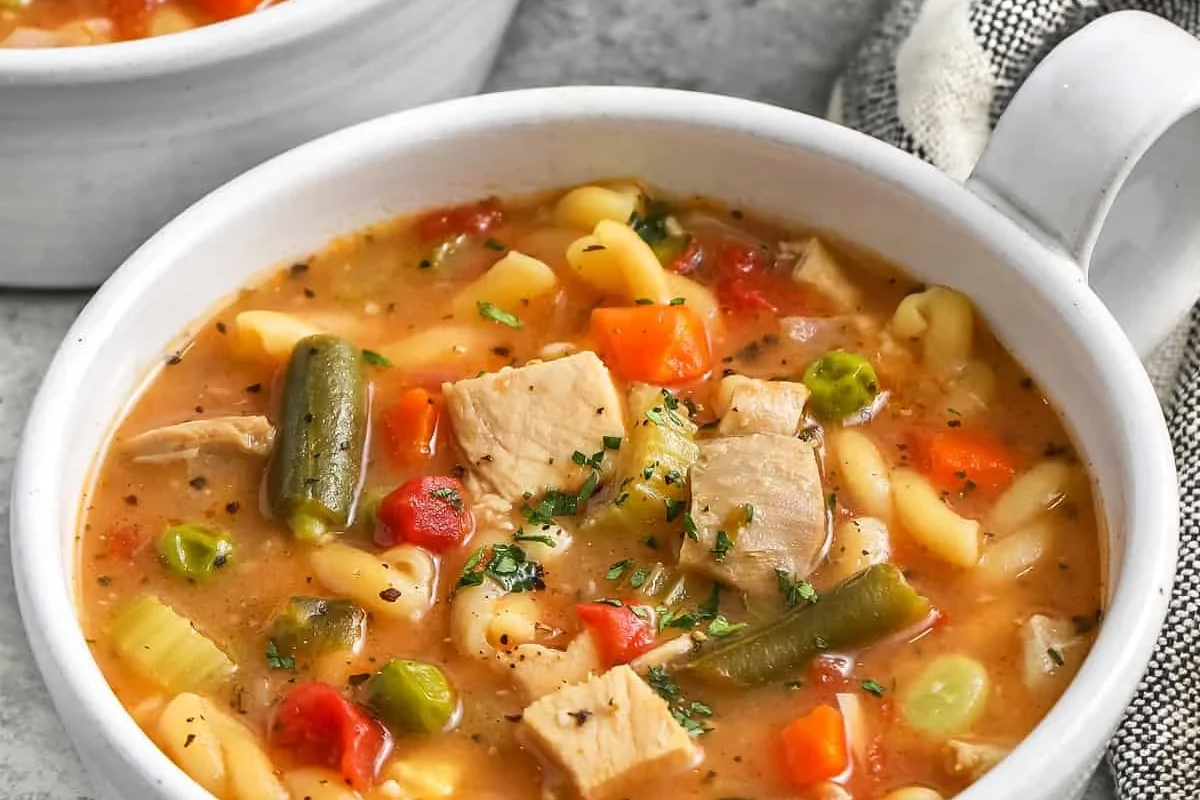
The primary advantage of this method is the elimination of the “I forgot to thaw the chicken” panic. In 2026, as home kitchens continue to emphasize efficiency, the ability to transition a protein directly from the freezer to the pot saves significant time. It is an ideal method for batch-cooking shredded chicken, which you can later incorporate into an easy Instant Pot soup or use for quick weeknight meals.
Who This Cooking Method Fits Best
Perfect for those juggling schedules who need a hands-off protein solution.
Efficient for cooking large quantities of plain chicken for the week ahead.
Offers a straightforward, low-risk way to learn pressure cooking basics.
Essential Ingredients and Prep for Perfect Results
Selecting the Right Chicken Cuts for Pressure Cooking
Boneless, skinless chicken breasts are the standard choice for this method because they cook evenly. If you have frozen chicken tenderloins, be aware they will cook faster than large, thick breasts and may become overcooked if the timer is set too long. Always try to separate the breasts before freezing them in the bag to ensure they don’t form a single, impenetrable “chicken brick” that cooks unevenly.
The Role of Liquid Ratios and Flavor Bases
Pressure cookers require liquid to generate steam. For frozen chicken, you need at least one cup of water, broth, or marinade. If you are seasoning the chicken, keep in mind that the pressure environment can mute some delicate herbs, so bold spices like cumin, paprika, or garlic powder often perform best. For a more robust flavor, you might consider using a base similar to what you would find in a Belizean curry chicken recipe, ensuring the chicken absorbs the aromatics while it cooks.
An Instant Pot is the star here — see top-rated Instant Pots here.
Step-by-Step: How to Cook Frozen Chicken Breast Safely
Place the metal trivet inside the Instant Pot and add 1 cup of liquid (water or broth).
Arrange the frozen chicken breasts on the trivet, keeping them in a single layer if possible.
Secure the lid, set the valve to “Sealing,” and cook on High Pressure for 10–15 minutes, depending on the thickness of the breasts.
Allow for a 10-minute natural pressure release before carefully venting the remaining steam.
Ensuring Food Safety: Checking for Doneness
According to the USDA, chicken must reach an internal temperature of 165°F (74°C). Always use a calibrated meat thermometer inserted into the thickest part of the breast to verify that it is fully cooked.
Common Mistakes to Avoid When Cooking Frozen Poultry
- Use a trivet to keep chicken out of the direct liquid.
- Verify internal temperature with a food thermometer.
- Overcrowding the pot, which prevents even pressure distribution.
- Using frozen chicken that has been sitting at room temperature for too long.
Storage, Reheating, and Meal Prep Strategies
Once cooked, store shredded or cubed chicken in airtight containers in the refrigerator for up to 3–4 days. If you have extra, you can freeze the cooked chicken in portions, though the texture may be slightly softer than freshly cooked meat. For those who enjoy variety, this pre-cooked chicken is excellent in Belizean chicken tacos, providing a quick assembly option for busy nights.
Troubleshooting Your Instant Pot Chicken
If your chicken turns out chewy or rubbery, it was likely cooked for too long or at too high a pressure for its size. Conversely, if the center is still pink, the pieces were likely too thick or clumped together. Always adjust your time based on the average thickness of your frozen breasts rather than just the weight.
Final Verdict: Is It Worth the Convenience?
Cooking frozen chicken breast in the Instant Pot is an incredibly useful tool for the modern kitchen. While it may not produce the crispy skin or complex browning of an oven-roasted bird, its speed and reliability for shredded applications are unmatched. It is a perfect solution for home cooks who prioritize convenience and consistent food safety over gourmet presentation. Timing guide: frozen chicken breast Instant Pot times.
Common Questions
No, the benefit of this method is that you can cook the chicken directly from frozen.
Yes, but try to arrange them in a single layer so they cook evenly.
The Instant Pot will likely display a “Burn” error because it cannot generate enough steam to reach pressure.
No, it must reach 165°F; if it is pink and below that temperature, it is not safe to eat.
It is not recommended, as bone-in cuts require significantly different cooking times and may not cook through safely from frozen.
Frequently Asked Questions
Yes, it is safe as long as the chicken reaches an internal temperature of 165°F. The pressure cooking process effectively kills bacteria.
Generally, it takes 10 to 15 minutes on high pressure, plus the time required for the pot to come to pressure and a 10-minute natural release.
Yes, you must add at least one cup of liquid such as water, broth, or marinade to ensure the pot can create the necessary pressure.
Yes, you can add dry rubs or seasonings. However, keep in mind that flavors may become muted, so using bold spices is recommended.
Rubbery texture usually results from overcooking. Try reducing the cook time by a minute or two next time.
Store in an airtight container in the refrigerator for up to 3 to 4 days. Ensure it is cooled down before refrigeration.