Foods That Are Green

Green foods are nutrient-dense ingredients like chaya, okra, and cilantro that add essential texture and color to traditional Belizean sides. They are best prepared using quick cooking methods to maintain their vibrant appearance and nutritional integrity.
Green foods are vibrant, nutrient-dense staples that form the backbone of a balanced diet, offering a spectrum of flavors from earthy to crisp. In the Belizean kitchen, these ingredients are celebrated for their freshness and their ability to anchor traditional sides and salads with both color and substance.
- Selection: Choose produce that is firm, crisp, and free from bruising or wilting.
- Technique: Use high-heat, short-duration cooking to keep greens vibrant and avoid mushy textures.
- Safety: Always wash produce thoroughly and keep raw greens separate from raw proteins.
- Storage: Manage humidity in your refrigerator to extend the shelf-life of your leafy greens and.
What Are Foods That Are Green? A Culinary Overview
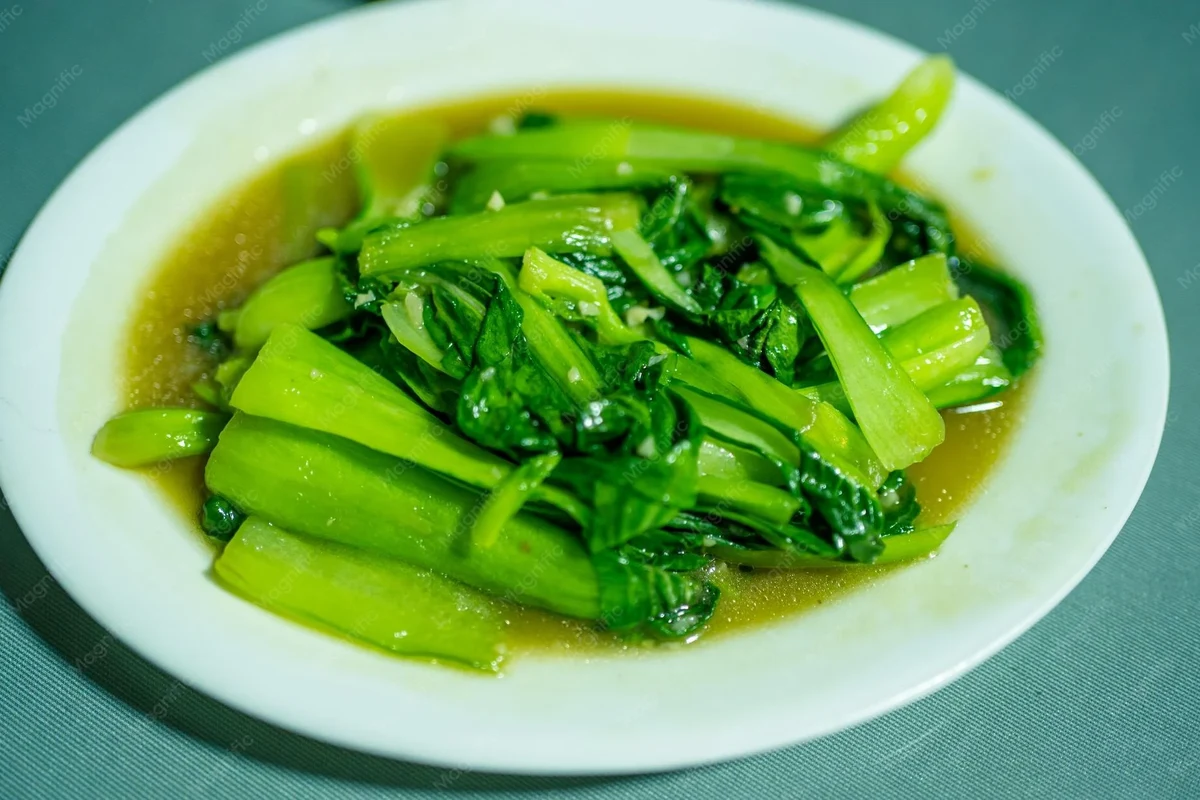
When we talk about foods that are green, we are referring to a vast category of plant-based ingredients ranging from leafy greens and cruciferous vegetables to fresh herbs and tropical fruits. These foods are defined by the presence of chlorophyll, the pigment responsible for their verdant hue.
The Nutritional Significance of Green Pigmentation
The green color in produce is often an indicator of high levels of vitamins and minerals. While individual nutritional profiles vary, these ingredients are frequently cited for their fiber, vitamin K, and folate content. Integrating a variety of green foods into your daily meals is a simple way to introduce diverse textures and profiles to your plate.
Belizean Context: Embracing Tropical Verdant Ingredients
In Belize, our culinary heritage relies heavily on the abundance of the land. We prioritize ingredients that thrive in our tropical climate, turning simple harvests into flavorful sides that complement hearty main courses. For those looking to maintain a kitchen that is efficient and reliable, focusing on these seasonal, fresh ingredients is a strategy as practical as choosing cars that are low maintenance for your daily commute.
Essential Green Ingredients in the Belizean Kitchen
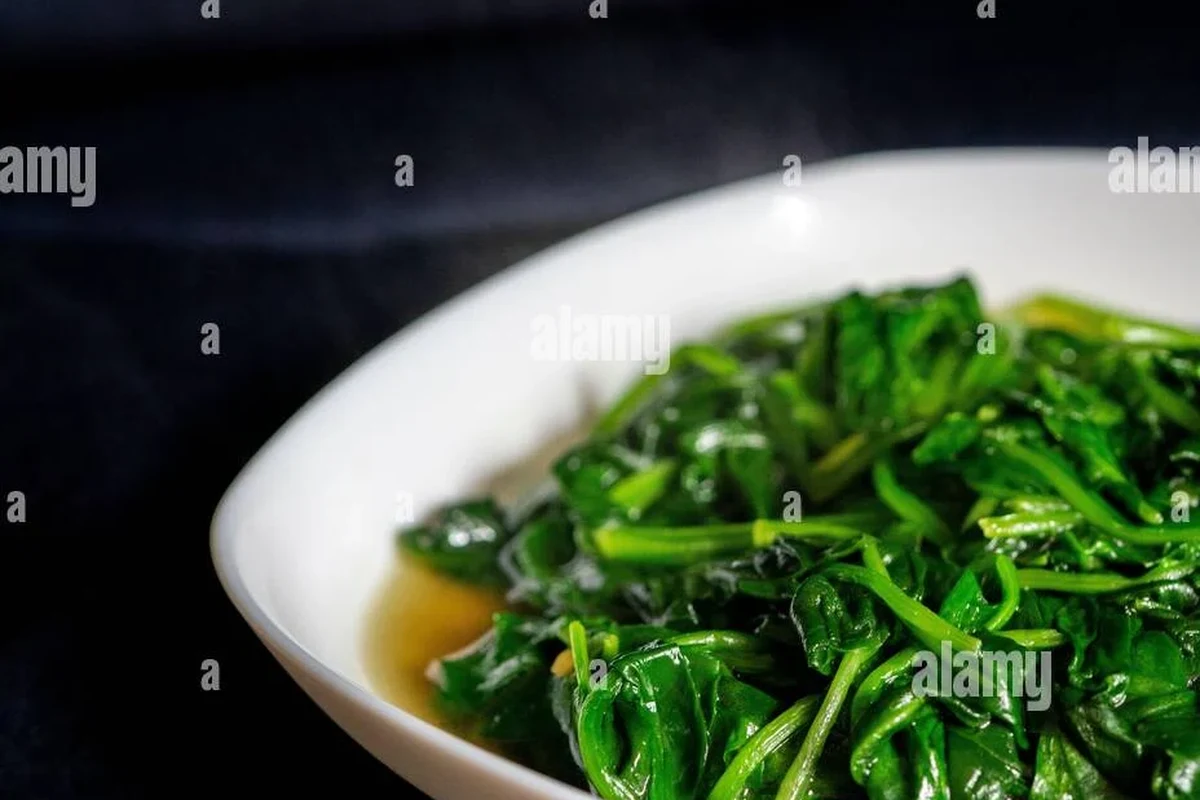
Leafy Staples: Chaya, Callaloo, and Spinach
Chaya, often called “Mayan spinach,” is a local favorite that must be cooked before consumption. Callaloo, a staple across the Caribbean, offers a hearty texture similar to Swiss chard, while spinach provides a milder, more delicate profile suitable for quick sautés.
Green Vegetables: Okra, Chayote, and Sweet Peppers
Okra is prized for its thickening properties in stews, while the mild, crisp chayote (often called “cho-cho”) acts as a versatile canvas for spices and citrus. Green sweet peppers are the aromatic foundation for almost every savory dish in a traditional Belizean home.
Herbs and Aromatics: Cilantro, Recao, and Green Scallions
No dish is complete without the bright punch of cilantro or the deeper, more robust flavor of recao (culantro). Green scallions provide the essential base notes that bridge the gap between fresh produce and cooked proteins.
When shopping for herbs like recao or cilantro, look for firm stems and vibrant leaves; avoid any bunches that appear wilted or slimy, as these will degrade quickly in your refrigerator.
Selecting and Buying the Freshest Green Produce
Criteria for Quality: Texture, Color, and Seasonality
Always prioritize firmness and color saturation. For leafy greens, the leaves should be crisp, not limp. For vegetables like okra or chayote, avoid soft spots or bruising. In 2026, many local markets continue to be the best source for produce picked at the peak of ripeness.
Sourcing Local vs. Imported: What to Look For
Local produce generally has a shorter transit time, resulting in better flavor and nutrient retention. If you must choose imported items, check for signs of dehydration or excessive packaging moisture, which can accelerate spoilage.
Storage and Shelf-Life: Keeping Your Greens Crisp
Store leafy greens by wrapping them in a paper towel inside an airtight container to manage humidity. Herbs can be kept upright in a glass of water, much like a bouquet, to extend their freshness.
Core Cooking Techniques for Green Ingredients
Blanching and Steaming: Preserving Color and Nutrients
Blanching—briefly boiling in salted water followed by an ice bath—locks in the bright green color. This is ideal for greens that will be served cold in salads or as a quick side.
Sautéing and Stir-Frying: Maximizing Flavor Profiles
High-heat cooking for a short duration prevents greens from becoming mushy. Use a neutral oil or coconut oil to enhance the natural sweetness of vegetables like chayote or okra.
Traditional Belizean Stews: Incorporating Greens as a Base
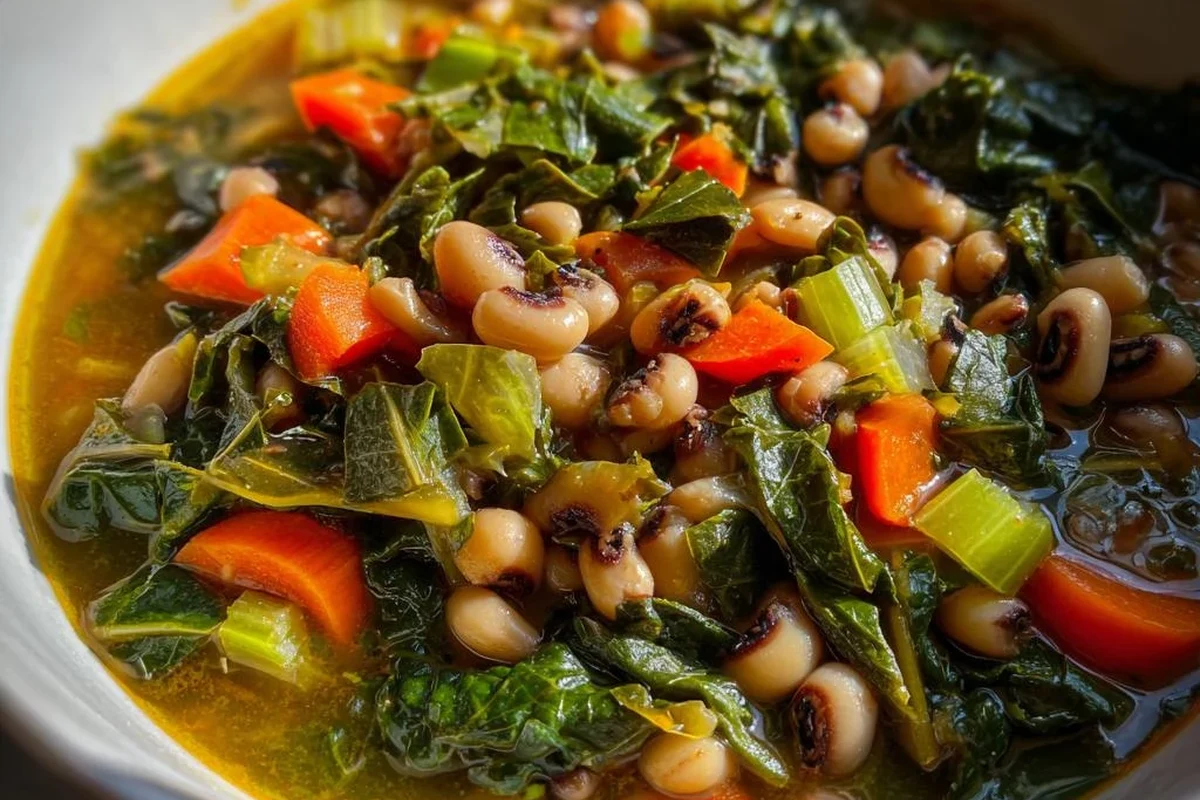
Greens are often added toward the end of the cooking process in stews to ensure they retain their structure and color. This method ensures that the aromatic base of the stew is infused with the nutrients of the vegetables.
Wash thoroughly in cool water and remove any tough stems or damaged leaves.
Heat a small amount of oil or butter in a pan over medium-high heat.
Add aromatics first, then the greens, tossing frequently until just wilted.
Recipe Guide: Signature Green Dishes
Authentic Chaya Con Huevos (Chaya with Eggs)
This classic dish combines sautéed chaya leaves with scrambled eggs. Remember that chaya must be boiled or sautéed for at least 10-15 minutes before mixing with eggs to ensure it is safe for consumption.
Garlic-Sautéed Callaloo with Coconut Milk
The richness of coconut milk balances the slight earthiness of callaloo. Sauté garlic and onions, add the greens, and finish with a splash of coconut milk, letting it reduce slightly to create a creamy coating.
Crispy Chayote Slaw with Lime and Cilantro
Thinly slice raw chayote and toss with lime juice, fresh cilantro, and a pinch of salt. This refreshing side is perfect for balancing heavier, fried dishes.
Common Mistakes and Troubleshooting
Preventing Overcooking: How to Avoid Mushy Textures
The most common mistake is leaving greens in the pan too long. If they look dull or lose their shape, they have likely been overcooked. Aim for “bright and crisp-tender.”
Color Preservation: Keeping Greens Vibrant Post-Cook
Avoid covering your pot while cooking greens; the steam trapped by a lid can cause the chlorophyll to break down, turning the greens an unappealing olive color.
Never store cooked greens at room temperature for more than two hours. Always refrigerate leftovers promptly in an airtight container to prevent bacterial growth.
Food Safety and Handling Guidelines
Washing and Sanitization Protocols for Raw Produce
Always wash produce under cold running water before cutting. For leafy greens, a salad spinner is an effective tool to remove excess moisture, which helps prevent premature wilting and microbial growth.
Safe Handling of Herbs and Leafy Greens
Keep raw greens separate from raw proteins like chicken or fish to avoid cross-contamination in the kitchen. Use dedicated cutting boards for vegetables.
Proper Reheating Methods for Green-Based Sides
Reheat greens gently on the stovetop rather than the microwave, which can create hot spots and further degrade the texture. Just a minute or two in a warm pan is usually sufficient.
Final Recommendations for the Home Cook
Incorporating more green foods is about variety and consistency. By mastering techniques like blanching and quick sautéing, you can turn simple, affordable ingredients into the highlight of your meal. Whether you are prepping a quick salad or a traditional stew, focus on freshness and proper handling to ensure every bite is as nutritious as it is delicious.
- Prioritize firm, vibrant produce and store it properly to extend shelf-life.
- Use high-heat, short-duration cooking to preserve color and texture.
- Always maintain food safety by separating raw greens from proteins and chilling leftovers promptly.
Frequently Asked Questions
Look for firm textures and vibrant colors. Avoid any produce that feels slimy, has dark bruising, or shows signs of wilting.
Bitterness often occurs if the chaya is not cooked for a sufficient amount of time. Ensure you sauté or boil it thoroughly before incorporating it into your final dish.
Yes, but keep them in an airtight container with a paper towel to absorb excess moisture. This prevents them from becoming mushy or developing mold.
Avoid using a lid while cooking and do not overcook them. A quick flash in a hot pan or a brief blanching in boiling water followed by an ice bath works best.
Raw greens can carry soil-borne bacteria, so thorough washing under running water is essential. Always keep them away from raw meat surfaces to avoid cross-contamination.
Cooked vegetables should generally be consumed within 3 to 4 days when stored in an airtight container at or below 40°F.