How to Cook Chicken on Skewers in Oven

To cook chicken skewers in the oven, thread bite-sized pieces onto skewers and roast at 400°F (200°C) for 15–20 minutes. Ensure the chicken reaches an internal temperature of 165°F (74°C) for a safe and juicy result.
Cooking chicken on skewers in the oven is a versatile, year-round method that delivers tender, flavorful results without the need for an outdoor grill. By controlling the heat environment of your oven, you can achieve a perfect char and juicy interior for your favorite poultry dishes.
- Cut Size: Cut chicken into uniform 1-inch cubes for even roasting.
- Safety: Always use a thermometer to confirm an internal temperature of 165°F.
- Moisture: Choose chicken thighs to ensure the meat stays tender during high-heat roasting.
- Prep: Soak wooden skewers for 30 minutes to prevent charring or burning.
How to Cook Chicken on Skewers in Oven: The Ultimate Guide for 2026
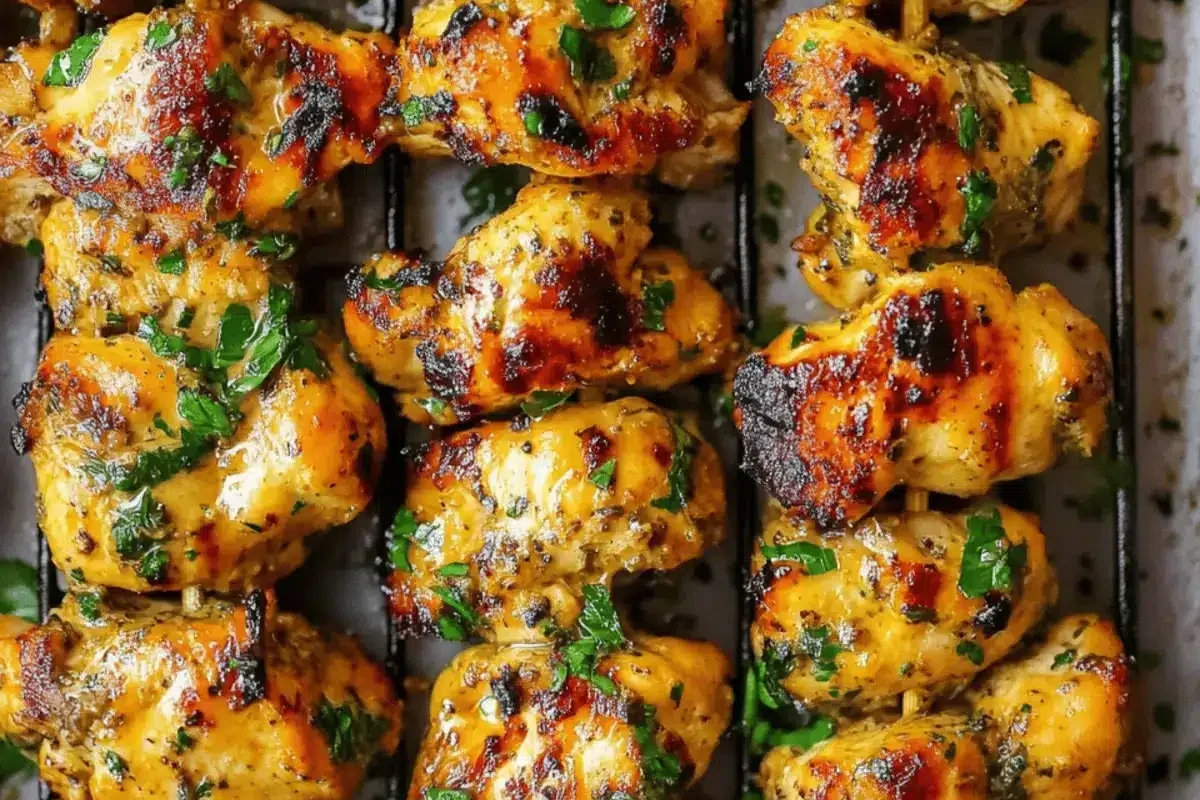
What Are Oven-Baked Chicken Skewers and Why They Work

Oven-baked chicken skewers involve marinating bite-sized pieces of poultry and threading them onto sticks to roast at a high temperature. This method mimics the high-heat environment of a grill while providing consistent, predictable results regardless of the weather outside.
The Benefits of Oven-Roasting vs. Grilling
While grilling provides a distinct smoky flavor, oven-roasting offers superior control. You don’t have to worry about flare-ups or uneven charcoal heat. In 2026, home cooks are increasingly turning to their ovens for consistent, mess-free cooking that keeps the kitchen clean and the chicken succulent.
Who This Cooking Method Is Perfect For
This technique is ideal for busy parents preparing quick weeknight meals, meal preppers looking for reliable protein options, and home cooks who want to enjoy the convenience of skewers without standing over a hot grill. It is a foolproof way to ensure even cooking for beginners and experts alike.
Use a rimmed baking sheet lined with foil or parchment paper to make cleanup effortless, especially when using sticky glazes or marinades.
The Essential Ingredients for Belizean-Style Chicken Skewers
Selecting the Right Cuts of Chicken
Boneless, skinless chicken thighs are the gold standard for skewers. Their higher fat content ensures they stay moist during the roasting process, whereas chicken breasts can dry out if overcooked by even a few minutes.
The Marinade: Balancing Acid, Fat, and Aromatics
A great marinade requires a balance of acid (citrus or vinegar) to tenderize, fat (oil) to conduct heat, and aromatics like garlic, onion, and local spices. For a touch of home, you might experiment with flavors similar to those found in a traditional Belizean BBQ chicken recipe.
Choosing Your Skewers: Wood vs. Metal
- Wood/Bamboo: Must be soaked in water for at least 30 minutes to prevent burning in the oven.
- Metal: Reusable and durable; they conduct heat into the center of the meat, which can speed up the cooking process.
Step-by-Step Technique: How to Cook Chicken on Skewers in the Oven
Food Safety and Doneness: Ensuring a Perfect Result
According to food safety guidelines, poultry must reach an internal temperature of 165°F (74°C) to be considered safe to eat. Always use a digital meat thermometer inserted into the thickest part of the chicken to verify doneness.
Never reuse marinade that has been in contact with raw chicken unless it has been brought to a rolling boil for several minutes first.
Common Mistakes and How to Avoid Them
- Pat the chicken dry before marinating for better browning.
- Use a meat thermometer for accuracy.
- Overcrowding the baking sheet, which creates steam instead of roasting.
- Cooking at too low a temperature, which results in rubbery, pale chicken.
Storage, Reheating, and Meal Prep Strategies
Cooked skewers can be stored in an airtight container in the refrigerator for up to 3 to 4 days. When reheating, use a low oven temperature or a gentle microwave setting to avoid drying out the meat. If you need to scale up your kitchen production for meal prep, consider the efficiency of a double oven electric range to manage multiple dishes simultaneously.
Customizing Your Skewers: Substitutions and Flavor Profiles
Feel free to thread bell peppers, red onions, or zucchini between the chicken pieces. For a low-carb option, skip sugary glazes and stick to herb-based rubs. If you enjoy the complexity of local flavors, incorporate a splash of recado or local citrus-based seasoning to add that distinct Belizean twist.
Oven-baked skewers are a reliable, stress-free way to enjoy a classic dish. By focusing on uniform cutting, proper oven temperature, and safe internal cooking temperatures, you can achieve restaurant-quality results in your own kitchen.
Common Questions
It typically takes 15 to 20 minutes at 400°F (200°C), depending on the size of your chicken pieces.
Yes, turning the skewers halfway through the cooking time ensures even browning and consistent heat distribution.
Metal skewers are an excellent, durable, and reusable choice that can actually help conduct heat into the center of the meat.
Lining your baking sheet with parchment paper or lightly oiling a wire rack prevents the meat from sticking to the surface.
You can marinate and thread the skewers in advance, keeping them refrigerated until you are ready to slide them into the oven.
Frequently Asked Questions
Yes, soaking wooden or bamboo skewers in water for at least 30 minutes prevents them from scorching or catching fire in the high heat of the oven.
A temperature of 400°F (200°C) is ideal. This heat level is high enough to brown the exterior while keeping the interior juicy.
The chicken is safely cooked when it reaches an internal temperature of 165°F (74°C) as measured by a food-safe digital thermometer.
Yes, vegetables like bell peppers, onions, and zucchini are excellent additions. Ensure they are cut to a similar size as the chicken for even cooking.
Leftover skewers can be stored in an airtight container in the refrigerator for 3 to 4 days. Ensure they are cooled quickly and refrigerated promptly.
Dryness is usually caused by overcooking or using a cut of meat that is too lean, like breast meat, without enough fat or marinade. Try using chicken thighs for better moisture retention.