Calories in a Chicken Soup

The calories in a bowl of chicken soup typically range from 150 to 500 depending on the amount of added starches and fats. You can easily manage your caloric intake by choosing lean proteins and measuring your portions of root vegetables or grains.
Understanding the calories in a chicken soup depends heavily on your choice of protein, fats, and thickeners, which can range from a light 150 calories to a hearty 500+ calorie meal. By controlling these variables, you can enjoy a nutritious, comforting bowl that fits your personal wellness goals in 2026.
- Protein Choice: Skinless breast meat is the lowest calorie option, while dark meat adds more richness.
- Starch Impact: Root vegetables and grains are the primary calorie drivers in most soup recipes.
- Fat Management: Removing chicken skin and skimming fat from the broth significantly lowers calories.
- Flavor Boosters: Use fresh herbs and aromatics to maximize taste without adding any calories.
How Many Calories Are Actually in a Bowl of Chicken Soup?
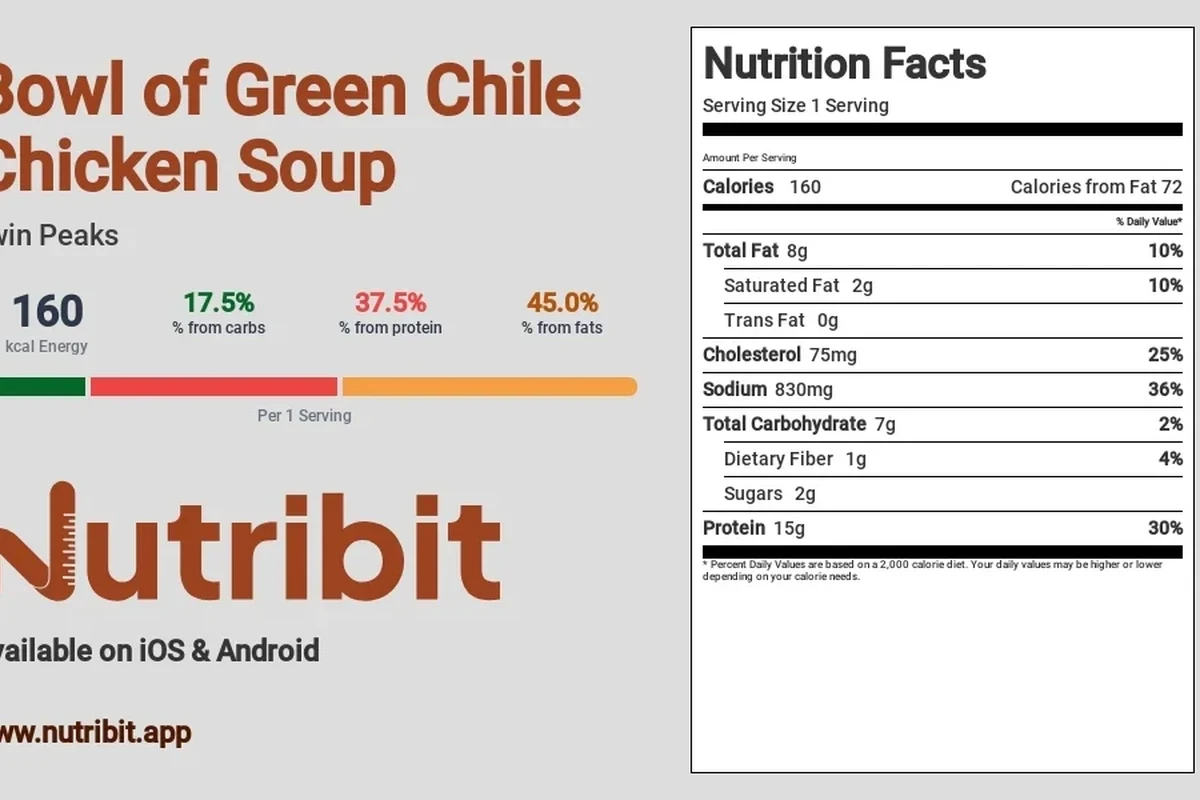
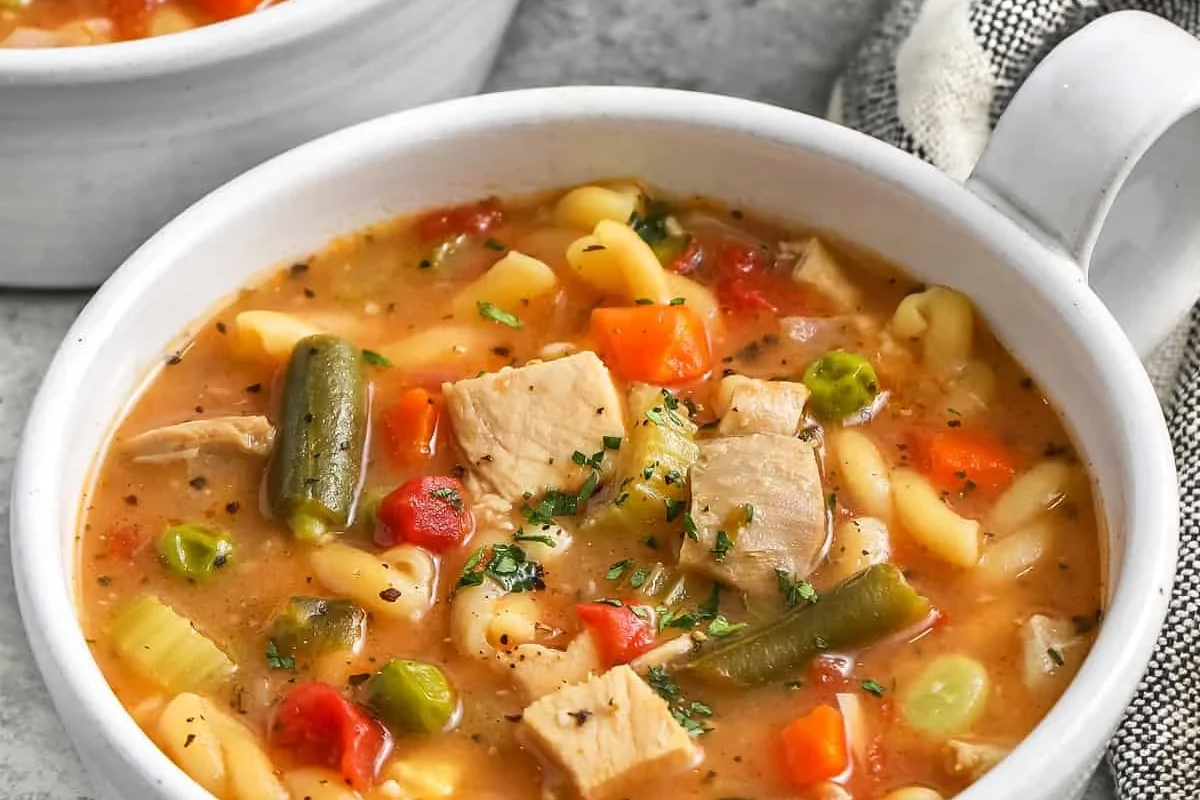
When you look at a standard bowl of homemade chicken soup, the caloric density is rarely fixed. It is a dynamic dish that changes based on the density of the ingredients you include. A simple, broth-heavy soup with a small amount of shredded breast meat and chopped vegetables might hover around 150 to 200 calories per serving. However, once you add heavy starches like pasta, rice, or tubers, that number climbs significantly.
Understanding the Caloric Baseline
The “baseline” of any soup is the broth. A clear, homemade chicken stock is remarkably low in calories, often containing fewer than 40 calories per cup. The calories spike when you incorporate fats—such as oil for sautéing aromatics—and the total weight of your proteins and carbohydrates. It is helpful to know how many ounces in a bowl of soup you are actually consuming, as portion sizes often dictate the final intake more than the recipe itself.
What Defines a Belizean-Style Chicken Soup?
Belizean-style chicken soup is known for its depth of flavor, often achieved through a slow-simmered approach that infuses the broth with local seasonings. Unlike generic clear soups, this version is a meal in itself, designed to be restorative and filling.
Core Ingredients and Nutritional Profile
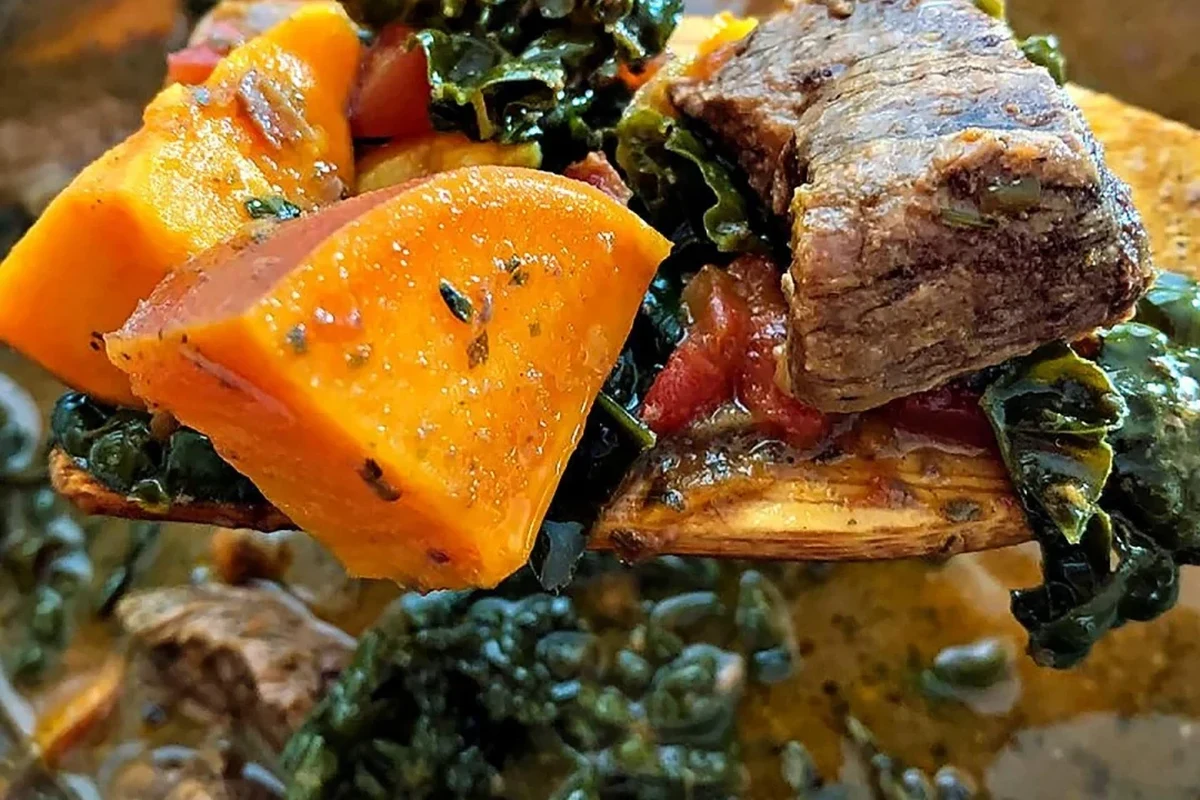
A traditional Belizean pot typically includes a whole chicken cut into pieces, which provides a richer flavor profile than breast meat alone. You will find a heavy reliance on “ground provisions”—starchy root vegetables like cassava, yam, or sweet potato—which provide sustained energy. Because these ingredients are nutrient-dense, they contribute more to the caloric load than simple noodles.
The Role of Traditional Aromatics and Root Vegetables
Aromatics like onion, garlic, cilantro, and sweet peppers are the backbone of the flavor. While these contribute minimal calories, they are essential for the finished profile. Root vegetables, however, are significant. If you are tracking calories, remember that one cup of cubed yam or cassava carries more energy than a cup of leafy greens or celery.
Decision Criteria: Choosing Your Soup Components for Calorie Control
To manage the caloric density of your soup, you must make strategic decisions during the prep phase.
Protein Selection: White Meat vs. Dark Meat
The cut of meat changes the fat content. While breast meat is leaner, dark meat adds significant flavor and moisture to the broth. If you are looking to keep calories lower, you might choose to remove the skin before simmering. For those curious about specific protein impacts, understanding the calories in a chicken thigh can help you decide if you prefer the richness of dark meat or the lean profile of the breast.
The Impact of Carbohydrates: Choosing Between Noodles, Rice, and Ground Provisions
Carbohydrates are the main calorie drivers in most soups. Rice and pasta are standard, but ground provisions like plantains or cassava are staples of Caribbean cooking. These complex carbohydrates are filling, but they pack more calories per gram than light vegetables. Consider your portion size carefully when adding these to your pot.
Managing Fats: Skin-On vs. Skinless and Broth Clarification
Leaving the skin on the chicken releases fat into the broth, which adds calories and a silky mouthfeel. For a lighter soup, remove the skin before cooking or chill the finished soup and skim the solidified fat off the top before reheating.
Step-by-Step: Cooking a Health-Conscious Belizean Chicken Soup
Start by simmering your chicken with aromatics like garlic and onion. Use water or a low-sodium base to keep the calorie count stable.
Add fibrous, low-calorie vegetables like carrots and celery early, saving starchier root vegetables for the middle of the cooking process to avoid over-mushiness.
Measure your rice or provisions before adding them to the pot to ensure you aren’t accidentally doubling your intended portion size.
Essential Techniques for Maximizing Flavor Without Adding Calories
Use fresh herbs like cilantro and culantro (known locally as recao). These provide massive flavor without adding a single calorie. Toasting your spices before adding them to the liquid can also deepen the complexity of the broth.
Common Mistakes That Lead to Hidden Calorie Spikes
The most common mistake is over-sautéing vegetables in oil. A little goes a long way; try using a splash of broth to soften your aromatics instead of excess oil or butter.
Safety and Quality: Selecting the Best Ingredients
- Check for fresh, firm-fleshed poultry with no off-odors.
- Ensure root vegetables are free of soft spots or mold.
- Verify the “sell-by” date on all pre-packaged ingredients.
- Always wash produce thoroughly to remove field soil.
Always cook chicken to a minimum internal temperature of 165°F (74°C). Use a meat thermometer to ensure safety, especially when using bone-in cuts.
Storage, Reheating, and Longevity
Proper storage is essential for maintaining the quality of your soup. If you have leftovers, freezing soup in glass jars is an effective way to preserve freshness for up to three months.
Best Practices for Cooling and Refrigerating Leftovers
Cool your soup quickly by placing the pot in an ice-water bath before moving it to the refrigerator. Never leave soup at room temperature for more than two hours, as this creates a breeding ground for bacteria.
How to Reheat Without Compromising Texture or Nutritional Integrity
Reheat only the portion you plan to eat. Bring the soup to a gentle simmer rather than a rapid boil, which helps keep the vegetables from disintegrating.
Troubleshooting Common Kitchen Challenges
If your broth becomes too greasy, let it cool in the fridge. The fat will rise to the top and harden, making it very easy to scoop off with a spoon.
Adjusting Consistency and Flavor Balance
If your soup is too thin, you can mash a few pieces of your cooked potato or yam directly into the broth to act as a natural, calorie-conscious thickener.
Fixing Over-Salted or Greasy Broths
To reduce saltiness, add a peeled, raw potato to the simmering broth for 15 minutes; it will absorb some of the excess sodium. Remove the potato before serving.
The Verdict: Why Chicken Soup Remains a Nutritional Powerhouse
Chicken soup is an incredibly versatile, nutrient-dense meal that can be easily customized to fit any caloric budget. By focusing on high-quality proteins and managing your starch intake, you can create a satisfying, healthy bowl that serves as a cornerstone of a balanced diet. Whether you prefer a light broth or a hearty, vegetable-packed stew, the key lies in intentional ingredient selection and proper preparation techniques.
Common Questions
A standard cup of clear, homemade chicken broth typically contains between 30 and 40 calories.
Root vegetables are nutrient-dense and contain more calories than leafy greens, so moderate your portions if tracking intake.
The cooking time itself does not change the calories, but longer simmering can release more fat from the chicken into the broth.
Yes, by using generous amounts of fresh herbs, garlic, and onions, you can achieve a deep flavor profile without relying on extra fat.
Tracking the main components like protein, rice, and root vegetables is usually sufficient for a general understanding of your meal’s caloric load.
Frequently Asked Questions
You can lower calories by removing the chicken skin before cooking, using lean breast meat, and limiting high-calorie starches like rice or pasta.
Yes, dark meat chicken has a higher fat content and more calories than white meat. Choosing skinless chicken breast is the most effective way to keep the calorie count low.
You can store chicken soup in the refrigerator for three to four days in an airtight container. Always ensure it is cooled properly before storing.
Bone-in chicken provides a much richer, more flavorful broth due to the marrow and collagen. While it may add slightly more fat, many cooks prefer the depth of flavor it provides.
Yes, frozen vegetables are a convenient and nutritious option. They are usually flash-frozen at peak freshness and can be added directly to the pot during the last few minutes of cooking.
Reheat the soup on the stovetop over medium-low heat until it reaches a gentle simmer. This prevents the ingredients from becoming mushy and ensures even heating.