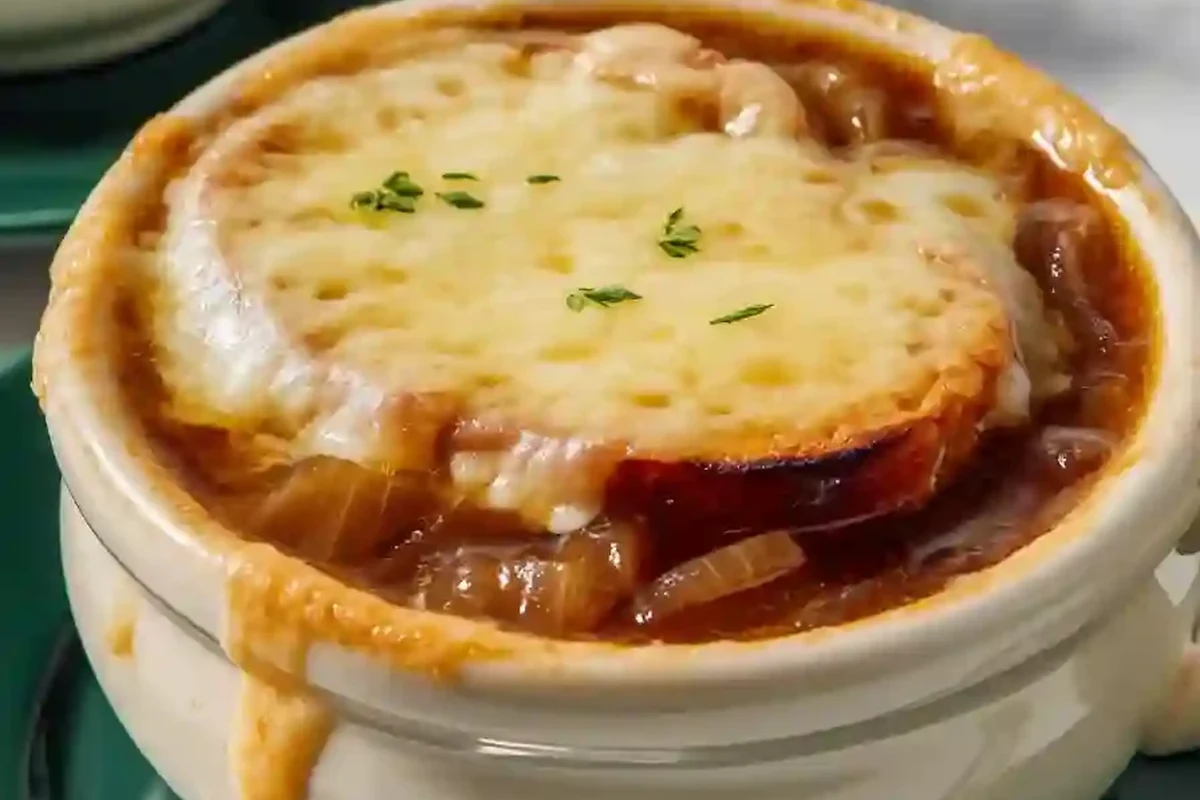
How Many Ounces in a Bowl of Soup

Determining how many ounces in a bowl of soup is essential for consistent meal planning, whether you are hosting a dinner or prepping weekly lunches. While standard sizes exist, the final volume often depends on whether the soup is served as a light starter or a hearty main course.
- Starter vs. Main: Serve 6–8 ounces for appetizers and 12–16 ounces for main courses.
- Measure First: Use a liquid measuring cup to verify the exact capacity of your bowls.
- Heat Retention: Pre-warm ceramic or stoneware bowls to keep soup hot longer.
- Safe Storage: Divide large batches into shallow containers to cool soup quickly and safely.
How Many Ounces in a Bowl of Soup? The Standard Serving Guide
Understanding the Standard Soup Serving Size
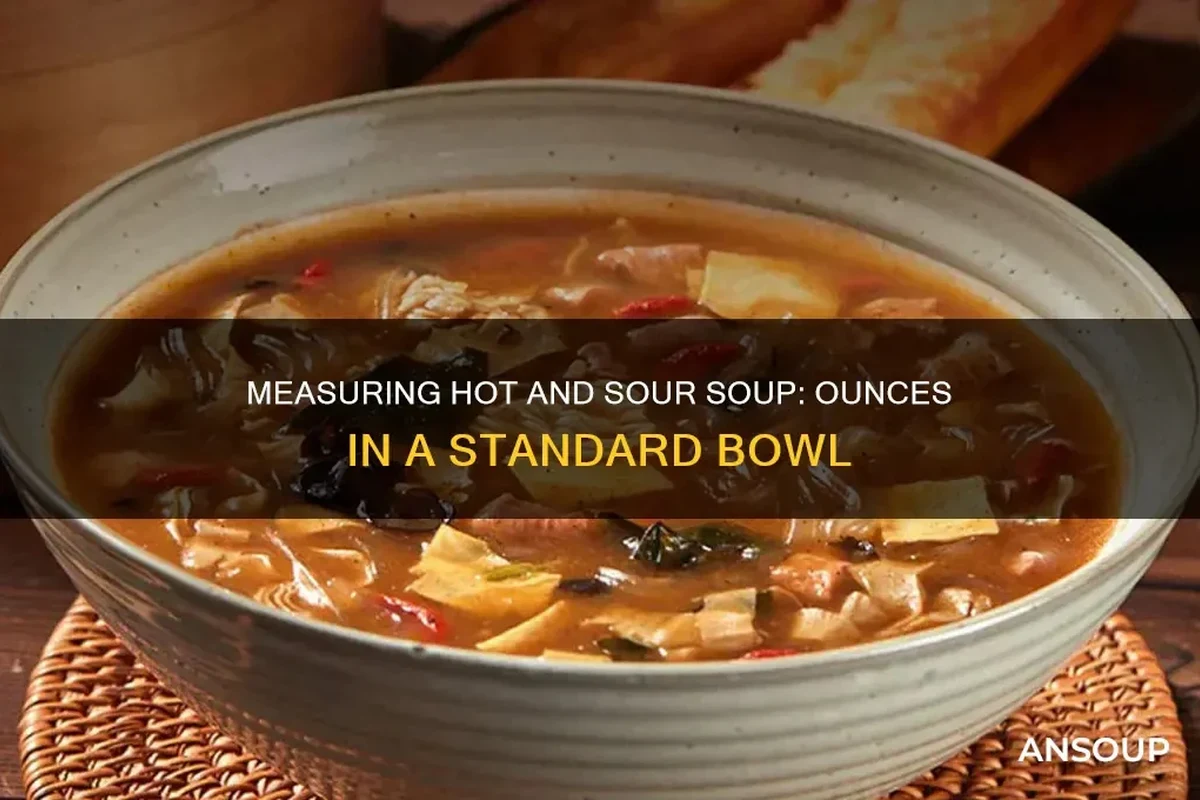
Defining the “Bowl” vs. the “Cup”
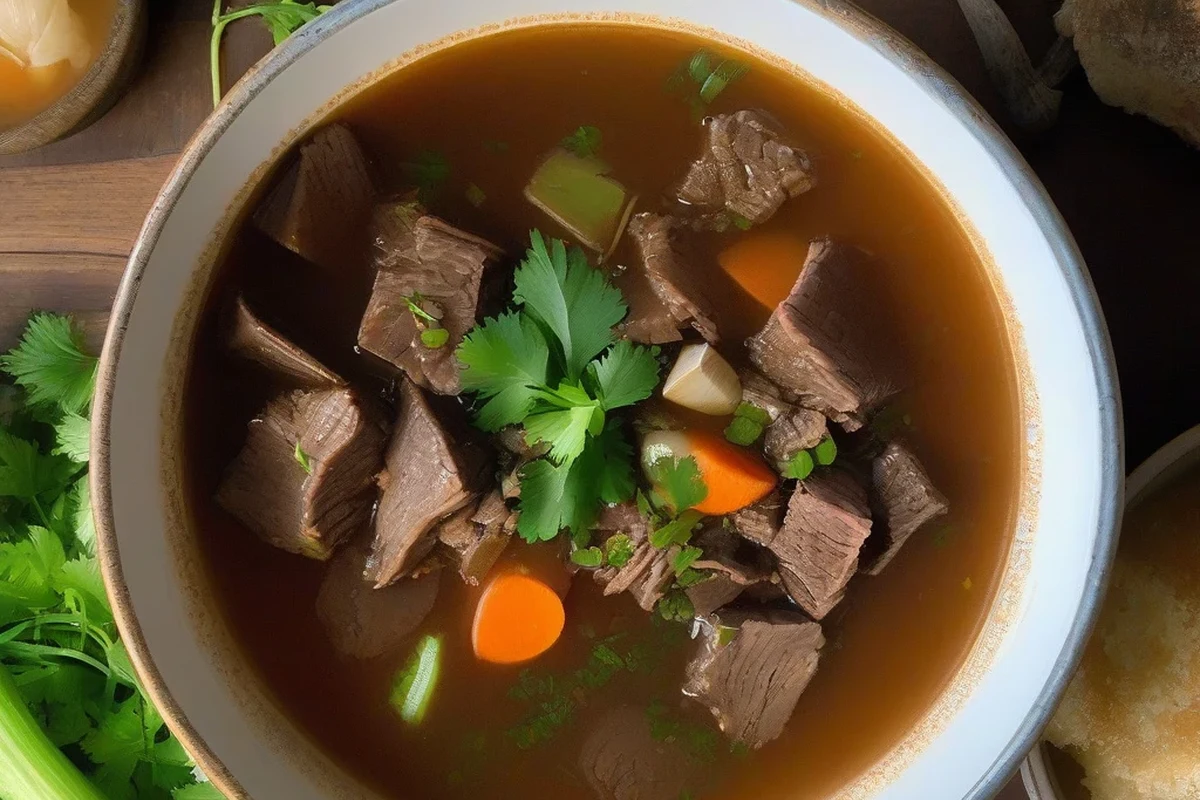
In most culinary contexts, a “cup” of soup usually refers to a smaller portion, typically 6 to 8 ounces, often served as an appetizer or a light side dish. Conversely, a “bowl” is designed for a larger, more substantial portion. Standard restaurant-style soup bowls generally hold between 10 and 12 ounces when filled to a comfortable level that prevents spilling. However, oversized artisan bowls can easily accommodate 16 to 20 ounces, which is more common for meal-heavy soups.
Typical Ounce Measurements for Appetizers vs. Entrée Soups
When planning your menu for 2026, it is helpful to categorize your soup by its intended role in the meal. For a starter, 6 to 8 ounces is the industry standard to ensure guests remain hungry for the main course. If the soup is the main event, you should aim for 12 to 16 ounces per person. Understanding these distinctions helps you avoid food waste and ensures everyone leaves the table satisfied.
Belizean Soup Traditions: Serving Sizes for Hearty Stews
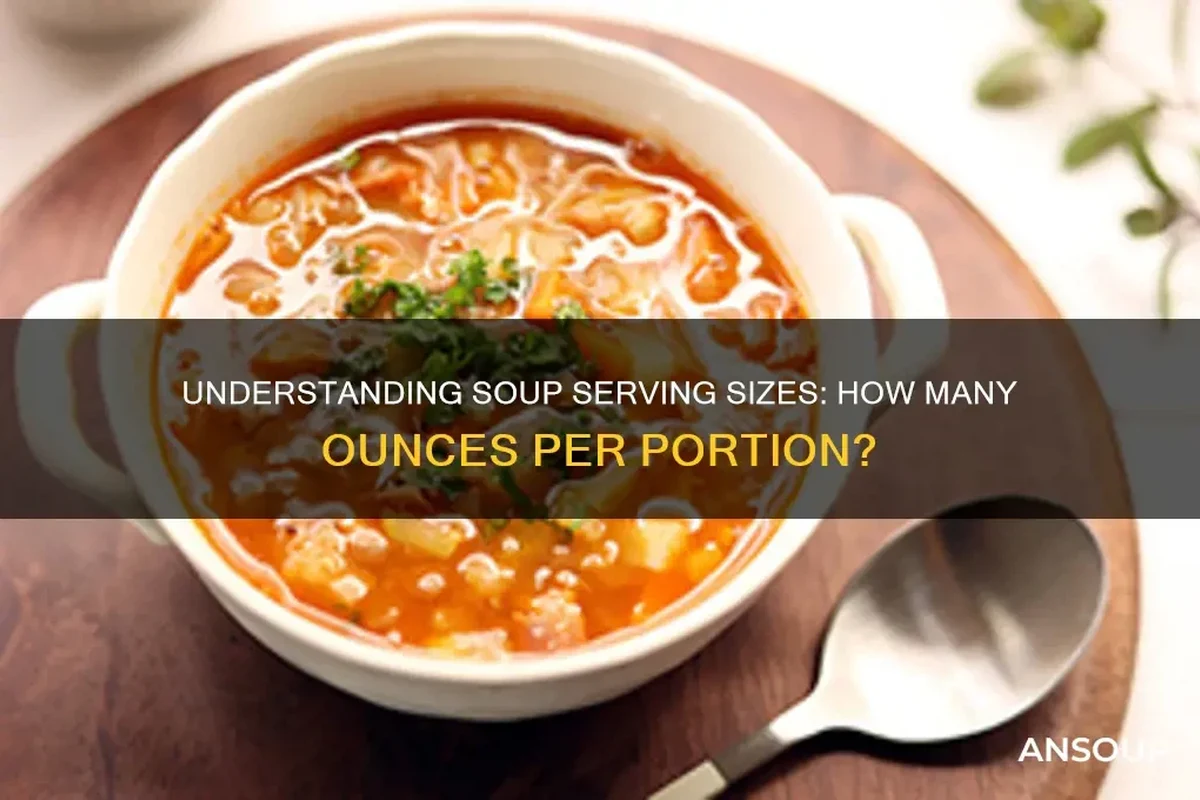
Why Belizean “Boil Up” and Sere Require Larger Portions
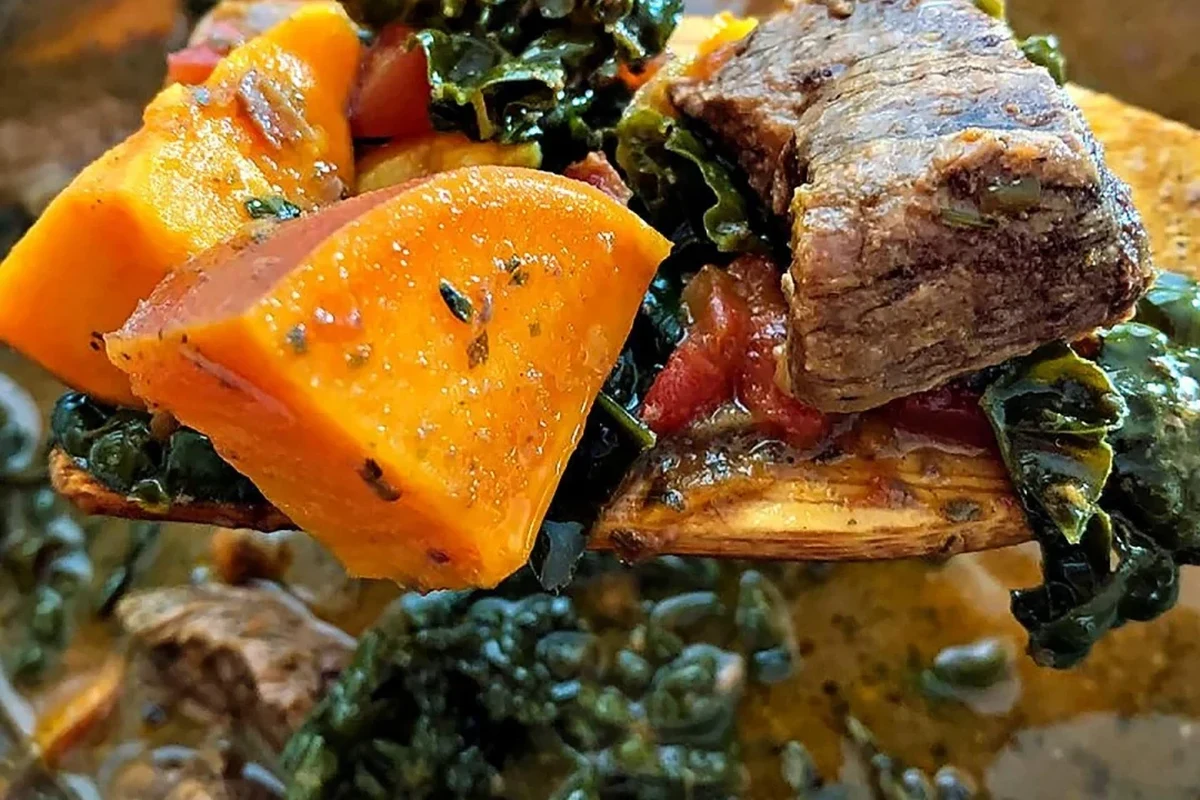
Belizean cuisine is famous for its robust, soul-warming stews. Traditional dishes like “Boil Up”—a complex mixture of ground provisions, fish, pigtail, and eggs—or the creamy, coconut-based Sere are rarely served in small portions. Because these dishes are nutrient-dense and intended to be a complete meal, a standard 12-ounce serving may feel insufficient. In these traditions, a “bowl” often leans toward the 16 to 20-ounce range to accommodate the generous amount of hearty ingredients.
Balancing Broth-to-Ingredient Ratios for Authentic Presentation
The secret to an authentic Belizean bowl lies in the balance. If you are serving a thick stew, you need enough broth to coat the ingredients without letting the bowl overflow. When plating, aim for a 60/40 split of solids to liquids. This ensures that every spoonful is packed with flavor while maintaining the visual appeal of the dish. How Many Ounces in a Bowl of Soup
Choosing the Right Bowls for Your Kitchen
Standard Bowl Capacities and Material Considerations
When selecting kitchenware, consider both capacity and material. Ceramic and stoneware are excellent for heat retention, keeping your broth piping hot throughout the meal. However, these materials can be heavy. Light-weight porcelain or tempered glass might be easier for daily use, but they may lose heat faster. Always verify the manufacturer’s capacity specifications if you are buying new sets for your 2026 kitchen refresh.
The Impact of Bowl Shape on Heat Retention and Portion Control
Bowl shape significantly impacts how much soup you serve. A wide, shallow bowl exposes more surface area, which helps the soup cool down faster—ideal for very hot broths. A deep, narrow bowl retains heat much longer but can be deceptive regarding volume. If you are trying to practice portion control, a narrower bowl can make a 10-ounce serving look much more substantial.
Cooking Techniques: Achieving the Perfect Yield
Scaling Your Recipes for Batch Cooking and Storage
Batch cooking is a staple of efficient home management. To calculate how much soup to make, multiply your desired portion size by the number of guests. For example, if you are serving 12-ounce portions for six people, you need at least 72 ounces (or 4.5 quarts) of finished soup. Always account for a slight reduction in volume if you are simmering the soup for a long time, as evaporation will decrease your total yield.
How to Measure Ingredients Accurately for Consistent Results
Precision is key when scaling recipes. Using a kitchen scale for solids and a liquid measuring cup for broths and stocks will ensure your final yield remains consistent across batches. If you find your cooking habits are becoming as complex as tracking car maintenance, you might appreciate the simplicity of a digital kitchen scale to keep your culinary “maintenance” on track.
Common Mistakes When Estimating Liquid Volume During Simmering
One common error is failing to account for the volume occupied by the solids. If your recipe calls for 4 cups of liquid and 4 cups of vegetables, your total volume will likely exceed the capacity of a standard 4-cup bowl. Always estimate the total displacement of your ingredients to ensure you have enough space in your pot and your serving vessels.
Food Safety and Storage Guidelines
Safe Cooling Temperatures for Large Batches of Soup
According to food safety guidelines, you should never leave large pots of soup on the counter to cool. To prevent bacterial growth, divide large batches into smaller, shallow containers to speed up the cooling process. Get the temperature below 40°F (4°C) as quickly as possible before moving the items to the refrigerator.
Proper Refrigeration and Freezing Techniques for Long-Term Preservation
Soup freezes beautifully, making it an excellent candidate for meal prep. Use freezer-safe bags or airtight containers, leaving about an inch of space at the top to allow for expansion. Properly stored, most vegetable or meat-based soups maintain their quality for up to three months in the freezer. Just as you might track the upkeep of your vehicle to avoid unexpected breakdowns, keeping a label on your frozen soups with the date will help you manage your kitchen inventory effectively.
Guidelines for Reheating: Maintaining Texture and Flavor
When reheating, bring the soup to a gentle simmer rather than a rapid boil, which can break down delicate vegetables or toughen proteins. If you are reheating a large portion, use a heavy-bottomed pot to prevent scorching at the bottom. If you are looking for more tips on efficient home management, similar to how one might streamline regular car maintenance, organizing your kitchen tools and storage containers can save you significant time during busy weeknights.
Troubleshooting Common Portioning Issues
What to Do When You Have Too Much Broth or Not Enough Solids
If you find yourself with an excess of liquid, you can simmer the soup uncovered for an additional 10 to 15 minutes to reduce the volume and concentrate the flavors. Alternatively, adding extra cooked grains like rice or quinoa can help absorb the excess broth and add texture to the dish.
Adjusting Thickening Agents to Correct Consistency After Storage
Soups thickened with starch, such as flour or cornstarch, may thin out after freezing and reheating. If this happens, you can whisk in a slurry of equal parts cornstarch and cold water, then simmer briefly to reach your desired consistency. This simple fix can restore the mouthfeel of your favorite stews.
Final Recommendations for Serving the Perfect Bowl
Matching Your Soup Type to the Right Serving Vessel
Light, clear broths are best served in bowls that highlight their clarity, while heavy, rustic stews benefit from wider, sturdier vessels. Think of your bowl choice as part of the overall dining experience. A well-chosen bowl not only holds the food but also enhances the presentation of the ingredients within.
Luis’s Final Verdict: Why Precision Matters in the Kitchen
Precision is not about being rigid; it is about confidence. Knowing whether you are serving 8 ounces or 16 ounces allows you to plan your grocery shopping, manage your leftovers, and ensure your guests are perfectly fed. By understanding the volume of your own kitchenware, you can transition from simply following a recipe to mastering the art of the perfect bowl every time.
Frequently Asked Questions
A standard restaurant soup bowl typically holds between 10 and 12 ounces. However, for a main course, bowls can range from 12 to 16 ounces.
A cup of soup is usually an appetizer portion of 6 to 8 ounces. A bowl is intended as a larger, main-course serving often exceeding 10 ounces.
Plan for 8 ounces if serving as a starter and 12 to 16 ounces if the soup is the main course. Always prepare a little extra to account for evaporation.
Pre-warming your bowls with hot water before serving significantly improves heat retention. Ceramic or stoneware bowls also hold heat longer than thin glass or plastic.
Yes, freezing in individual portions is ideal for easy reheating. Use freezer-safe containers and leave room for expansion.
Most soups can be safely stored in the refrigerator for 3 to 4 days. Always ensure it is cooled properly and stored in an airtight container.