Freezing Soup in Glass Jars: Safe Tips, Best Containers & Storage Guide

Freezing soup in glass jars is an excellent way to preserve the vibrant flavors of your favorite Belizean stews while reducing plastic waste. By following specific safety protocols regarding thermal expansion and glass selection, you can safely store homemade meals for convenient, quick dinners throughout 2026.
- Jar Selection: Use only tempered, straight-sided glass jars to avoid breakage.
- Headspace: Always leave at least two inches of room at the top for liquid expansion.
- Temperature Control: Fully cool your soup in the refrigerator before moving it to the freezer.
- Safe Thawing: Transition frozen soup to the refrigerator overnight to prevent thermal shock.
Can You Safely Freeze Soup in Glass Jars? The Ultimate Guide
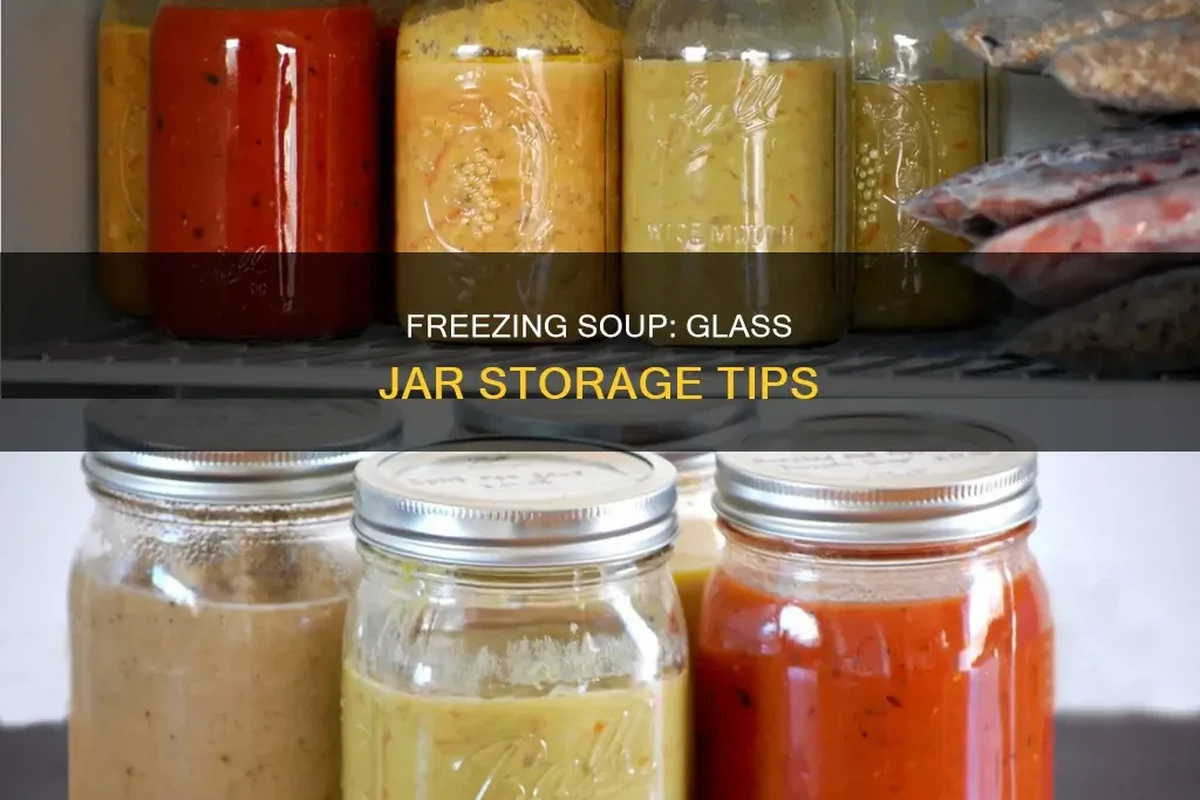
Many home cooks prefer glass over plastic for long-term storage because it is non-porous and does not leach chemicals or absorb odors. However, because liquids expand when they transition into a solid state, freezing soup in glass requires careful attention to physics to prevent the jars from shattering.
Understanding the Science of Glass Expansion
When soup freezes, the water content expands by approximately 9%. If a jar is filled to the brim, this expansion exerts immense pressure on the glass walls, often leading to structural failure or cracks. Understanding this expansion is the foundation of safe freezer management; by leaving adequate room for the liquid to move, you can safely utilize the durability of tempered glass.
Why Glass Jars are the Superior Choice for Soup Storage
Environmental Impact and Plastic Reduction
Transitioning to glass is a sustainable choice for your kitchen. Unlike plastic containers that may become brittle, stained, or warped over time, high-quality glass jars can be reused indefinitely. This reduces the need for single-use plastic bags or containers, aligning your kitchen habits with broader environmental stewardship goals.Freezing Soup in Glass Jars
Preserving Flavor Integrity and Preventing Odor Absorption
Glass is chemically inert. This means it will not impart a “plastic” taste to your delicate coconut-based broths or spicy recado seasonings. Furthermore, because glass is non-porous, it prevents the strong aromas of garlic, habanero, or cilantro from permeating into other items in your freezer, ensuring your soup tastes exactly as it did the day you made it.
The Aesthetic and Organizational Benefits for Your Kitchen
Glass jars are uniform in shape, making them easier to stack and organize than mismatched plastic tubs. In 2026, many home cooks are prioritizing “visual kitchens” where ingredients are easily identifiable, helping to reduce food waste by ensuring you consume older batches before they lose quality. Freezing Soup in Glass Jars
Selecting the Right Glassware: What to Look For
Mason Jars vs. Recycled Jars: Navigating Safety Risks
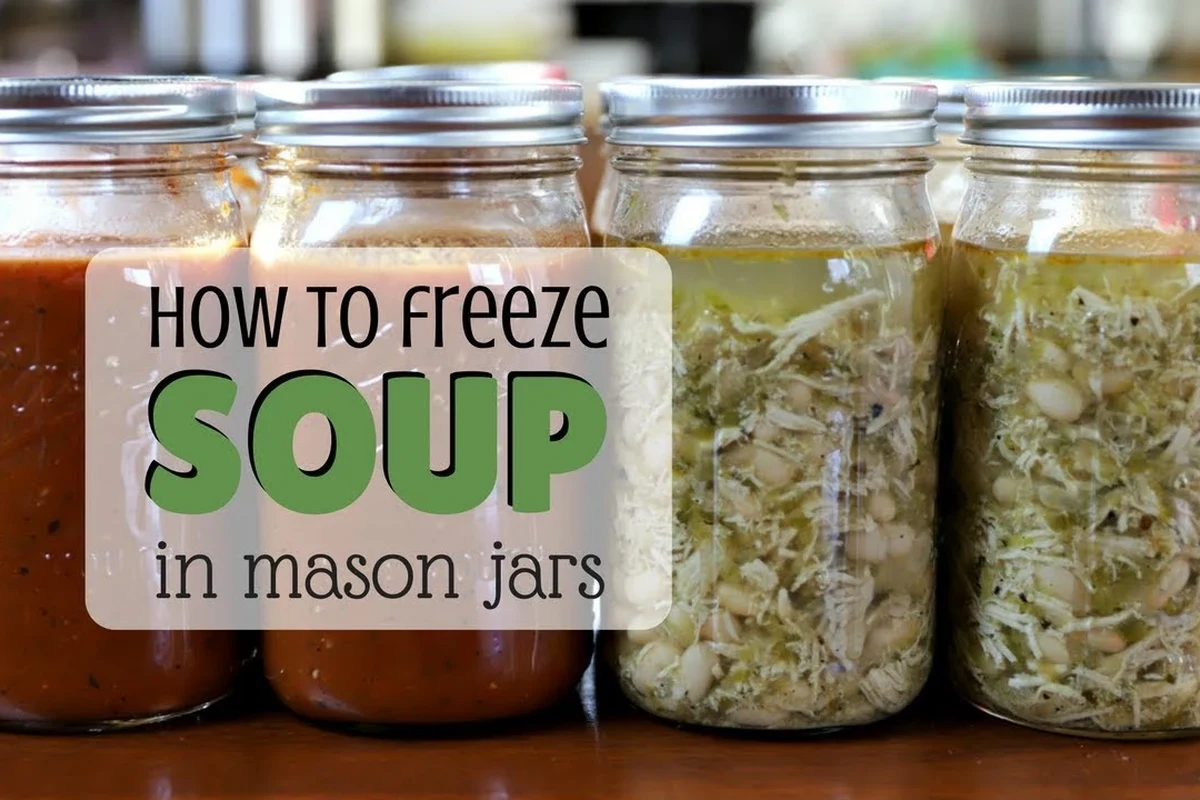
While it is tempting to reuse pasta sauce or pickle jars, these are often made of thinner glass that is not designed to withstand the stress of freezing. Dedicated Mason jars, particularly those labeled as “freezer-safe” or “canning-safe,” are manufactured with thicker, more consistent glass walls designed to handle thermal extremes.
The Importance of “Freezer-Safe” Tempered Glass
Tempered glass is heat-treated to be stronger than standard glass. When shopping for storage, look for products explicitly rated for freezer use. This provides an extra layer of security against the internal pressure of expanding liquids. Low Sodium Mushroom Soup Recipe
Choosing the Right Shape: Why Straight-Sided Jars Win
Jars with shoulders are dangerous for freezing because the liquid can push upward against the narrow neck, causing the glass to crack at the weakest point. Straight-sided jars allow the contents to expand upward evenly, significantly reducing the risk of breakage.
The Golden Rules of Safe Handling and Filling
The Headspace Rule: Preventing Cracked Glass
Always leave at least one to two inches of “headspace” at the top of the jar. This gap is essential for accommodating the expansion of the soup as it turns into ice. Never fill a jar to the brim, regardless of the container type. Freezing Soup in Glass Jars
Cooling Techniques: Why You Should Never Freeze Hot Soup
Placing hot jars directly into the freezer is a recipe for disaster. Not only can the sudden temperature shift cause the glass to shatter, but it also raises the internal temperature of your freezer, potentially endangering other food items. Always chill your soup in the refrigerator until it is completely cold before transferring it to the freezer.
Labeling and Dating: Essential Habits for 2026 Kitchen Management
Use waterproof tape or specialized freezer labels to mark the date and contents. Even if you think you will remember what is in the jar, soups often look identical once frozen. A simple label helps you maintain a “first-in, first-out” rotation.
Step-by-Step Technique: Freezing Belizean Soups Properly
Adapting Traditional Recipes for the Freezer
Some ingredients, like potatoes or certain pasta shapes, may lose texture during the freeze-thaw cycle. If you are planning to freeze a large batch of stew, consider slightly undercooking these ingredients so they reach the perfect consistency upon reheating.
Common Mistakes and How to Avoid Them
- Use straight-sided jars
- Leave 2-inch headspace
- Cool soup fully before freezing
- Freezing hot liquids
- Using jars with narrow necks
- Overfilling the container
Temperature Shock: The Dangers of Rapid Thermal Changes
Thermal shock occurs when glass is subjected to extreme heat followed by extreme cold. Always allow your jars to reach room temperature before washing them in hot water, and never move a glass jar from a boiling pot directly into a freezer.
Reheating and Serving: Maintaining Quality and Texture
To reheat, it is best to thaw the jar in the refrigerator overnight. Once thawed, transfer the contents to a saucepan and heat gently over medium-low heat. If you need to reheat quickly, ensure the jar is at room temperature before placing it in a water bath to thaw; never place a frozen glass jar directly into a preheated oven or onto a hot burner.
Troubleshooting and Safety: When to Toss and When to Keep
Identifying Freezer Burn and Oxidation
Freezer burn appears as grayish, dry patches on the surface of the soup. While it is not a safety issue, it ruins the flavor. Proper headspace and airtight seals are the best defenses against this oxidation. Creamy Potato Leek Sausage Soup
Final Verdict: Are Glass Jars Right for Your Belizean Kitchen?
Freezing in glass is a reliable, eco-friendly method for long-term storage, provided you select the correct glassware and respect the rules of thermal expansion. For the home cook who values organization and flavor preservation, the investment in high-quality, straight-sided tempered glass jars is well worth the effort. By following these 2026 best practices, you can enjoy the deep, comforting flavors of Belizean cuisine whenever you need a quick, homemade meal.
Frequently Asked Questions
No, you should only use jars specifically labeled as freezer-safe or tempered glass. Standard jars, such as those from store-bought sauces, are prone to cracking under freezing temperatures.
Cracking usually occurs due to overfilling or using jars with narrow necks. Liquid expands when frozen, and if it has nowhere to go, it puts pressure on the glass until it breaks.
Always leave at least one to two inches of headspace at the top of the jar. This allows the soup to expand safely without damaging the container.
No, never place hot soup directly into the freezer. The thermal shock can shatter the glass, and it will also warm up your freezer, potentially spoiling other foods.
The safest method is to thaw the jar in the refrigerator overnight. Avoid placing frozen glass jars into boiling water or hot ovens to prevent thermal shock.
For the best quality, consume frozen soup within three to six months. While food remains safe indefinitely if kept at 0°F, flavor and texture will degrade over time.