Boiling Chicken Whole

Boiling a whole chicken involves simmering the bird in water with aromatics until it reaches an internal temperature of 165°F. This method produces tender, versatile meat and a flavorful, nutrient-dense stock simultaneously.
Boiling a whole chicken is a foundational culinary technique that yields both tender, shredded meat for various dishes and a nutrient-dense, flavorful stock. It is a straightforward, low-maintenance method that serves as a cornerstone for efficient home cooking in 2026.
- Temperature Control: Use a gentle simmer, not a rolling boil, to ensure the meat remains tender.
- Flavor Infusion: Add vegetables and herbs to the water to create a rich, homemade stock.
- Safety First: Always verify that the chicken reaches an internal temperature of 165°F using a reliable.
- Efficient Prep: Use the cooked meat for multiple meals and save the broth for future recipes.
Boiling Chicken Whole: The Secret to Belizean-Style Stews and Stocks
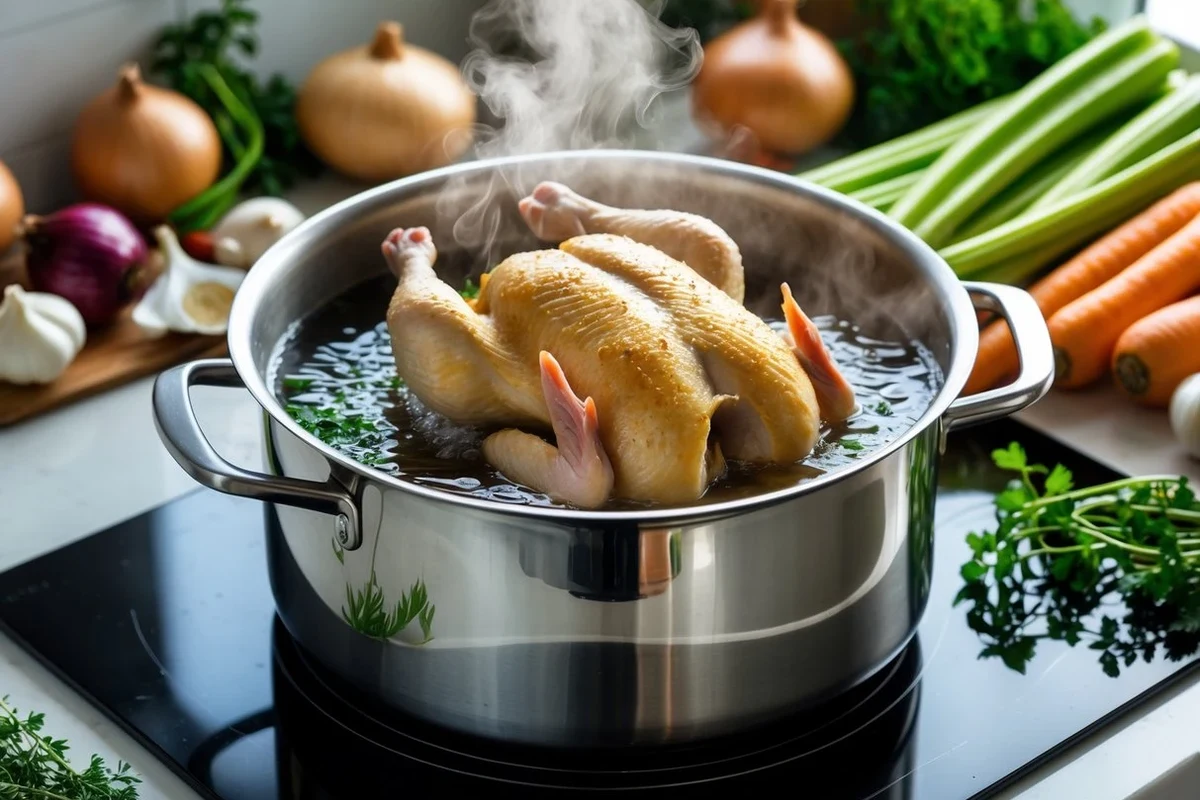
In many kitchens, the idea of boiling a whole bird might seem overly simple, but it is actually one of the most effective ways to maximize your grocery budget and culinary output. By simmering a chicken until tender, you effectively create two essential kitchen staples at once: succulent, cooked meat and a rich, golden broth.
What is Boiling a Whole Chicken and Why Use This Method?
The Cultural Significance of Boiled Chicken in Belizean Cuisine
Boiled chicken is deeply rooted in Belizean home cooking. It is the starting point for many traditional comfort foods, ranging from hearty soups to savory stews. Unlike roasting, which focuses on crispy skin and browned meat, boiling—or more accurately, poaching—focuses on infusing the meat with aromatics and extracting the collagen from the bones to create a flavorful liquid base. This method ensures that the meat remains moist, making it perfect for shredding into dishes like Belizean chicken tacos or incorporating into various local casseroles.
Who This Technique is Best For: Home Cooks and Batch Preppers
This method is ideal for those looking to simplify their weekly routine. If you enjoy planning your meals, boiling a whole chicken allows you to prepare a large quantity of protein in one go. Once cooked, the meat can be portioned out for different recipes, while the remaining broth can be frozen for future use. It is a time-saver for busy families who need reliable, pre-cooked staples on hand.
The Essential Guide to Selecting the Right Chicken
Fresh vs. Frozen: Decision Criteria for Quality
When selecting your bird, the choice between fresh and frozen often comes down to timing and storage. Fresh chickens are ready to cook immediately, while frozen birds require careful thawing in the refrigerator. Regardless of your choice, ensure the chicken is free from signs of freezer burn, which can affect both texture and flavor. Always verify the quality by checking for a clean, neutral scent and firm skin.
Size Matters: Finding the Ideal Weight for Even Cooking
For even cooking, a medium-sized bird—typically between 3 to 4 pounds—is generally recommended. Larger birds take longer to cook through, which can sometimes lead to the breast meat becoming overcooked before the joints are tender. If you have a larger bird, consider cutting it into pieces before boiling to ensure consistent results.
Remove the chicken from the refrigerator about 20 to 30 minutes before cooking to allow it to come closer to room temperature, which helps with more even heat distribution during the boil.
Step-by-Step: How to Properly Boil a Whole Chicken
Preparing the Bird: Cleaning, Trimming, and Seasoning
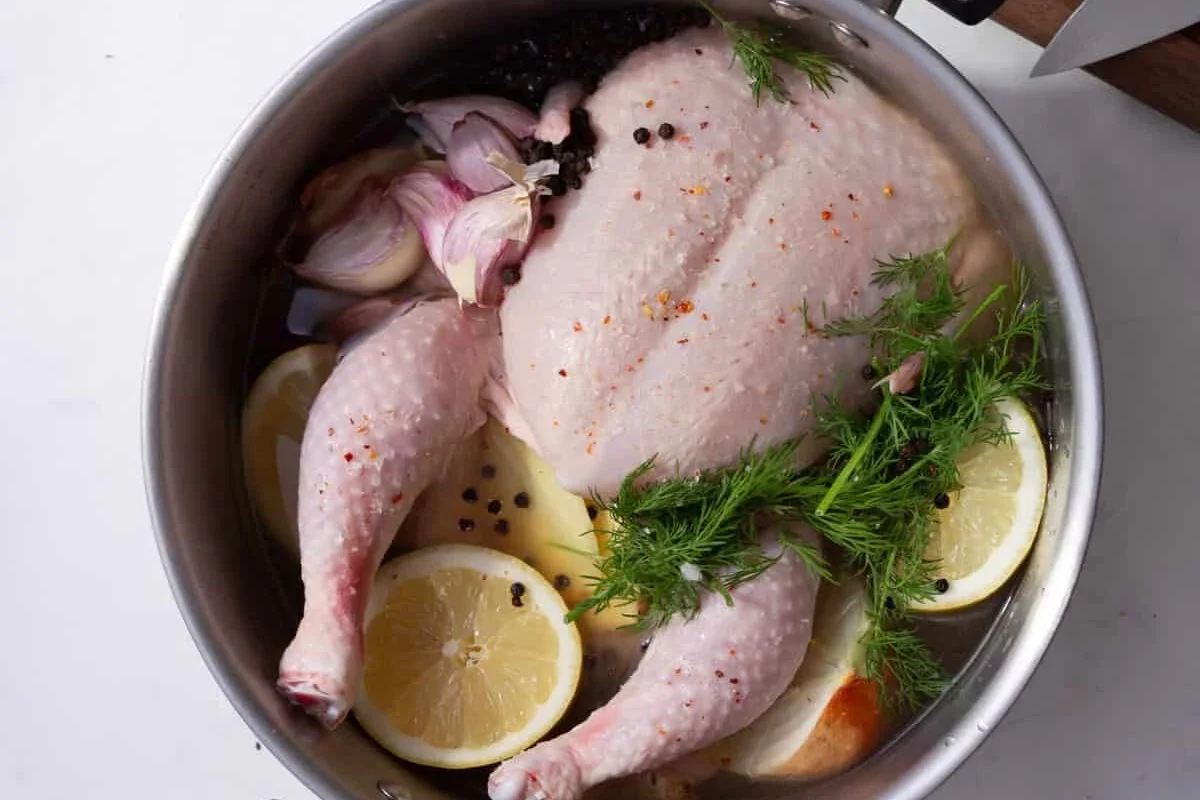
Start by removing any giblets from the cavity. Rinse the bird under cold running water, pat it dry, and trim away any excess fat if desired. For the best flavor, season the water rather than the bird itself. Adding onions, garlic, celery, carrots, and the best spices for chicken to your pot will infuse the meat from the outside in.
The Boiling Process: Temperature Control and Timing
Place the chicken in a large stockpot and cover it with cold water or broth until it is fully submerged by about an inch. Bring the liquid to a gentle boil, then immediately reduce the heat to a low simmer. Maintaining a gentle simmer—rather than a rolling boil—is crucial to keeping the meat tender.
Doneness and Safety Cues: Ensuring the Meat is Cooked Through
According to the USDA, the safe internal temperature for poultry is 165°F (74°C). Use a food thermometer to check the thickest part of the breast and the thigh, ensuring the juices run clear.
Real-Kitchen Benefits of the Boiling Technique
Maximizing Flavor: Creating a Rich, Homemade Broth
The liquid left behind is essentially a goldmine of flavor. By simmering the bones and connective tissue, you extract nutrients and depth that store-bought stocks often lack. This broth can be the base for everything from simple noodle soups to complex sauces.
Efficiency: Preparing Multiple Meals from One Bird
Boiling a whole chicken is an excellent strategy for those interested in meal prep ideas with chicken breast. Once the bird has cooled slightly, remove the meat from the bones. Use the breast meat for salads or wraps and the darker thigh and leg meat for heartier stews or curries.
Common Mistakes to Avoid When Boiling Chicken
- Skim the foam (scum) from the surface during the first 15 minutes of simmering.
- Add aromatics like peppercorns, bay leaves, and herbs to the water.
- Boiling at a high, rolling heat, which makes meat tough.
- Leaving the chicken in the “danger zone” (40°F–140°F) for too long after cooking.
Safe Handling and Storage Guidelines
Always wash your hands and sanitize any surfaces that have come into contact with raw poultry. After boiling, cool the meat and broth rapidly; do not leave them at room temperature for more than two hours. Store the cooked chicken in airtight containers in the refrigerator for up to three to four days, or freeze for up to three months.
Final Recommendation: Is Boiling Your Best Approach?
Boiling a whole chicken is an efficient, versatile technique that provides both a protein-packed ingredient and a foundational stock. While it lacks the crispy skin of a roasted bird, its ability to yield tender, moist meat makes it a superior choice for soups, stews, and shredded meat dishes. If your goal is culinary efficiency and flavor depth, this method remains one of the best tools in your kitchen.
Common Questions
A 4lb chicken typically takes about 60 to 75 minutes to simmer until fully cooked.
Yes, seasoning the water with salt and spices is the best way to flavor the meat during the boiling process.
Skimming the foam during the first few minutes of cooking produces a clearer, cleaner-tasting broth.
It is best practice to thaw your chicken in the refrigerator before boiling to ensure safe and even cooking.
The only reliable way to check for doneness is using a food thermometer to confirm the internal temperature reaches 165°F.
Frequently Asked Questions
Generally, a whole chicken takes about 60 to 90 minutes to cook through at a simmer, depending on its size. Always use a food thermometer to ensure it reaches an internal temperature of 165°F.
Yes, leaving the skin on during the boiling process can add flavor and fat to your broth. You can easily remove the skin after the chicken is fully cooked.
Store the cooked meat in an airtight container in the refrigerator for up to 3-4 days. For longer storage, you can freeze the meat for up to 3 months.
Absolutely, the poaching liquid is essentially a homemade chicken stock. Strain the solids, skim the fat, and use it as a flavorful base for soups or stews.
Toughness is usually caused by boiling the chicken at too high a temperature. Always maintain a gentle simmer rather than a vigorous boil to keep the meat tender.
It is safer and more effective to thaw the chicken completely in the refrigerator before boiling. This ensures the chicken cooks evenly and reaches a safe internal temperature throughout.