What Veggies Go in Chicken Noodle Soup

The essential vegetables for chicken noodle soup are onions, carrots, and celery, which form the classic aromatic base. You can enhance the texture and flavor by adding root vegetables like potatoes or finishing with leafy greens just before serving.
The best chicken noodle soup relies on a classic base of onions, carrots, and celery, though you can easily customize it with root vegetables or greens for added texture. Understanding which vegetables hold up during simmering is the secret to achieving the perfect bite every time you cook.
- The Trinity: Always start with onions, carrots, and celery to build a deep flavor foundation.
- Staged Cooking: Add hard root vegetables early and delicate greens during the final minutes to maintain.
- Consistency Matters: Use a uniform dice for all vegetables to ensure they cook evenly.
- Flavor Balance: Use fresh herbs like thyme and parsley to brighten the final dish.
What Veggies Go in Chicken Noodle Soup: The Ultimate Guide for 2026

As we head into 2026, the art of home cooking continues to emphasize both comfort and nutrient density. While a simple chicken noodle soup is a staple in many households, the choice of vegetables can transform a basic broth into a hearty, balanced meal. Whether you are aiming for a traditional flavor profile or looking to experiment with seasonal produce, selecting the right vegetables ensures your soup remains vibrant, flavorful, and satisfying.
The Foundation: Essential Vegetables for the Perfect Broth
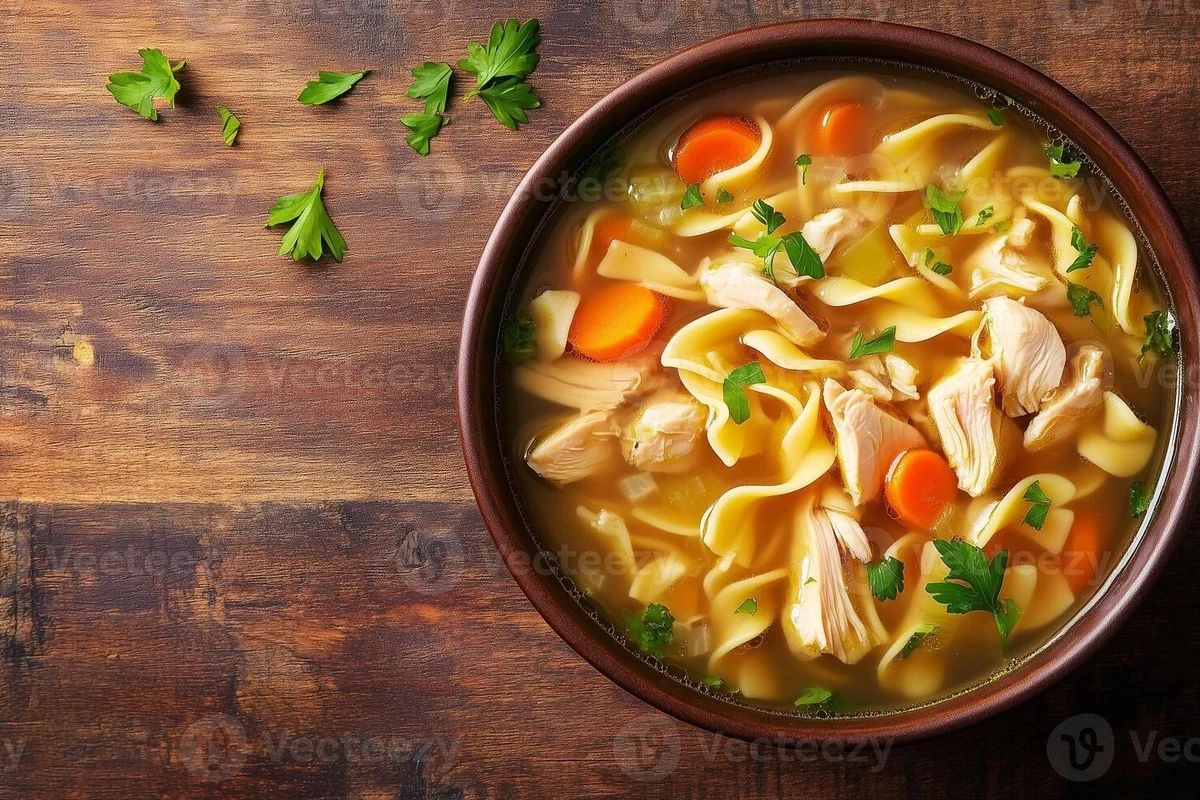
The Holy Trinity: Onions, Carrots, and Celery
Known in culinary circles as mirepoix, the combination of onions, carrots, and celery serves as the aromatic backbone for nearly every classic chicken soup. These three vegetables provide a balance of sweetness, earthiness, and acidity that builds a deep, complex flavor profile. When sautéed gently in butter or oil before the stock is added, they release sugars that form the base of your soup’s character.
Aromatic Enhancers: Garlic and Fresh Herbs
While the trinity provides the foundation, garlic and herbs act as the finishing touch. Adding minced garlic toward the end of the sautéing process prevents it from burning while infusing the fat with savory notes. Fresh herbs like parsley, thyme, and rosemary bring a brightness that cuts through the richness of the chicken fat, especially if you are using a Zupas chicken noodle soup recipe style base.
Beyond the Basics: Elevating Your Soup with Seasonal Additions
Hearty Root Vegetables for Added Texture
If you want to move beyond the standard ingredients, root vegetables are excellent additions. Parsnips offer a slightly sweet, nutty flavor that complements carrots perfectly. For a more filling meal, consider adding potatoes or turnips; these absorb the savory broth and provide a hearty mouthfeel. If you are a fan of comfort food, you might even consider serving your chicken noodle soup over mashed potatoes for a unique, heavy-duty twist.
Leafy Greens and Delicate Veggies for a Fresh Finish
Greens like kale, spinach, or even escarole can be folded into the soup in the final minutes of cooking. Unlike root vegetables, which require long simmering, these delicate greens only need enough heat to wilt. This preserves their color and nutritional integrity, providing a fresh contrast to the long-simmered broth. You can find inspiration for these combinations in our guide to chicken with escarole soup.
Selecting and Preparing Your Produce: A Buying and Prep Guide
How to Choose Fresh, High-Quality Vegetables
In 2026, quality remains the most important factor in soup success. Look for carrots that are firm with vibrant green tops, and celery that snaps easily rather than bending. Avoid produce with dark spots or signs of wilting, as these can introduce off-flavors into your broth. Always prioritize organic or locally grown produce when available to ensure the best flavor.
Technique: Mastering the Uniform Dice for Even Cooking
Uniformity is the key to consistent results. Aiming for a consistent dice (usually around 1/2 inch) ensures that every vegetable finishes cooking at the same time. If your pieces are uneven, you will inevitably end up with some mushy, overcooked carrots while the onions remain under-softened. Take your time with your knife work; it is the most crucial step for a professional-grade texture.
If you are short on time, many grocery stores offer pre-diced mirepoix mixes. Check that the vegetables look fresh and have not started to release moisture in the packaging.
The BelizeanRecipe Approach: Balancing Flavors and Textures
When to Add Vegetables: Timing for Optimal Doneness
Timing is everything. Hard vegetables like carrots, potatoes, and parsnips should go in early, often with the initial aromatics or shortly after the broth begins to simmer. Softer additions—like peas, corn, or leafy greens—should be added just 5 to 10 minutes before serving. This staged approach ensures that everything is cooked to perfection, avoiding a pot of disintegrated vegetables.
Common Mistakes to Avoid When Sautéing or Simmering
A common mistake is overcrowding the pot during the sauté phase. If you put too many vegetables in the pan at once, they will steam rather than brown, losing that essential depth of flavor. Additionally, avoid boiling your soup vigorously; a gentle simmer is sufficient to cook the vegetables without breaking them down into mush.
Substitution Guide: What to Use When You’re Missing Ingredients
Replacing Celery and Carrots in a Pinch
If you lack celery, fennel is a fantastic substitute that provides a similar crunch and an aromatic, slightly anise-like flavor. If carrots are missing, butternut squash or sweet potatoes can provide that necessary touch of sweetness and color. These alternatives can slightly change the profile of the soup, but they maintain the essential balance of the dish.
Low-Carb and Nutrient-Dense Alternatives
For those interested in dietary adjustments, consider using radishes, which soften beautifully in broth and mimic the texture of potatoes, or cauliflower florets for added bulk. If you are looking for specific dietary options, our low FODMAP chicken noodle soup guide provides excellent insights into vegetable choices that are gentle on digestion.
Safe Handling and Storage: Keeping Your Soup Fresh
Best Practices for Washing and Preparing Raw Produce
Always wash your vegetables thoroughly under running water to remove any soil or debris. For root vegetables like carrots, a quick scrub is usually sufficient, but ensure you peel them if the skins appear tough or bitter. Use a clean cutting board dedicated to produce to avoid cross-contamination with your raw chicken.
Never leave your soup at room temperature for more than two hours. Once the cooking is complete, cool the soup quickly in smaller containers before placing it in the refrigerator to ensure food safety.
Troubleshooting Your Soup: Achieving the Perfect Consistency
Fixing Mushy Vegetables and Cloudy Broth
If your vegetables become mushy, it is usually a sign of overcooking. To prevent this, pull the vegetables out if you plan to keep the soup on the stove for a long time, or simply add them later in the process. A cloudy broth is often caused by a rapid boil; keep the heat low and skim the surface occasionally to maintain clarity.
Balancing Salt and Seasoning After Adding Veggies
Vegetables release water and sugars as they cook, which can dilute your initial seasoning. Always taste your broth right before serving and adjust with salt, pepper, or a splash of lemon juice to brighten the flavors if they seem flat.
Final Recommendation: Crafting Your Signature Chicken Noodle Soup
The best chicken noodle soup is one that balances your personal preferences with sound culinary techniques. Start with the traditional trinity of onion, carrot, and celery, and then feel free to incorporate seasonal roots or fresh greens to make the dish your own. By controlling the timing of your additions and prioritizing fresh, high-quality produce, you can create a bowl of soup that is both nourishing and deeply comforting in 2026 and beyond.
Common Questions
Yes, peeling carrots removes any dirt or bitter skin, ensuring a cleaner taste and smoother texture in your broth.
Absolutely, frozen peas or corn are convenient additions. Add them during the last few minutes of simmering to prevent them from becoming mushy.
A cloudy broth is often caused by boiling the soup too vigorously. Keep the heat at a gentle simmer to ensure a clear, appetizing liquid.
While not strictly required, garlic adds essential depth and savory notes. Sauté it briefly with the onions to unlock its full flavor potential.
Yes, adding too many vegetables can overwhelm the broth. Aim for a balance where the chicken and noodles remain the stars of the dish.
Frequently Asked Questions
The classic foundation consists of onions, carrots, and celery, known as mirepoix. These provide the necessary aromatic base and sweetness for the broth.
Yes, potatoes are an excellent addition for making the soup heartier. They absorb the broth flavors well, but add them early enough so they have time to soften.
Add leafy greens in the final 5 to 10 minutes of cooking. This prevents them from becoming overcooked and maintains their vibrant color and texture.
Mushy vegetables are usually caused by overcooking. To avoid this, time your additions based on the density of the vegetable, adding soft ones last.
Yes, but you must cool the soup quickly in shallow containers. Consume within 3 to 4 days for the best quality and safety.
Fennel is the best substitute for celery, offering a similar crunch and a mild aromatic quality that pairs perfectly with chicken broth.