Sheet Pan Mediterranean Chicken

Sheet pan Mediterranean chicken is an easy, one-pan meal featuring roasted poultry and fresh vegetables seasoned with lemon and herbs. It is a perfect, low-effort solution for busy weeknights that minimizes cleanup without sacrificing flavor.
Sheet pan Mediterranean chicken is a streamlined, one-pan meal that combines succulent poultry with vibrant, oven-roasted vegetables infused with garlic, lemon, and aromatic herbs. Perfect for busy weeknights in 2026, this method minimizes cleanup while delivering a restaurant-quality flavor profile right from your home oven.
- Efficiency: One-pan cooking reduces cleanup time significantly.
- Customization: Easily swap vegetables based on seasonal availability.
- Food Safety: Always use a thermometer to ensure chicken reaches 165°F.
- Texture Tip: Avoid crowding the pan to ensure proper caramelization.
What is Sheet Pan Mediterranean Chicken?
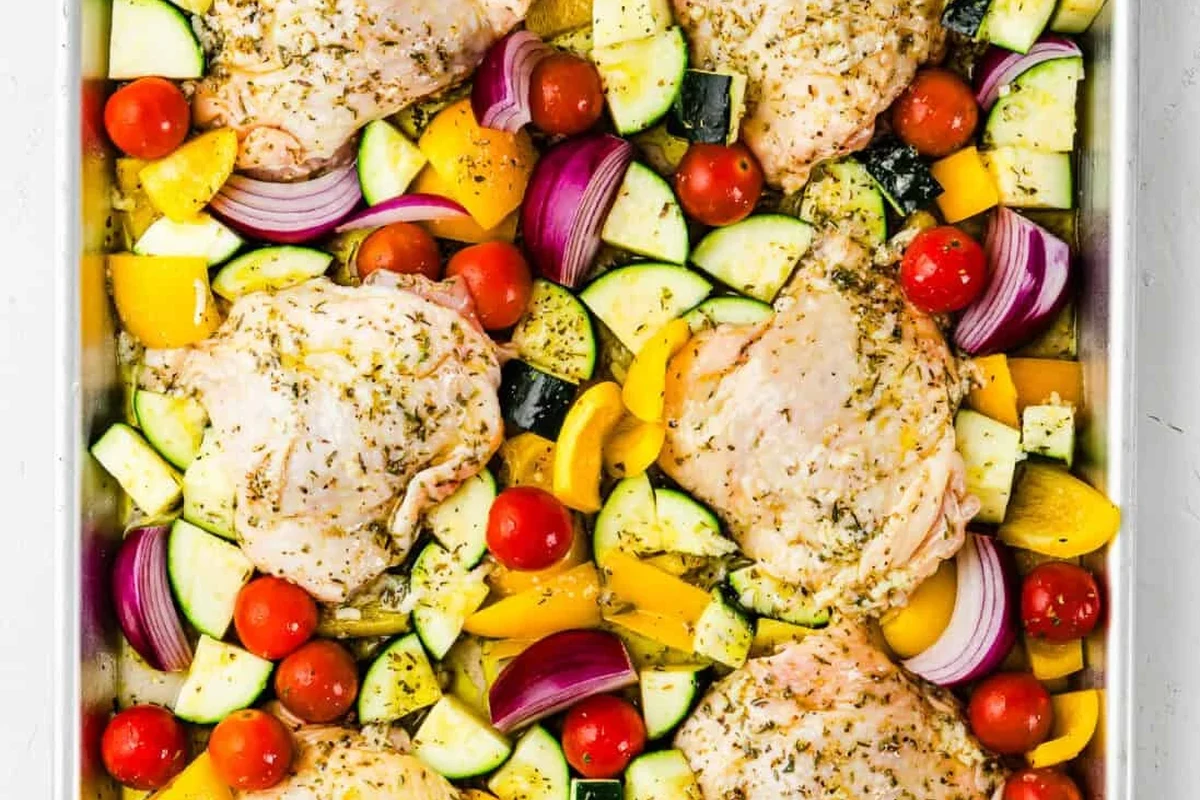
At its core, this dish is a culinary technique that prioritizes efficiency and flavor concentration. By arranging seasoned chicken pieces and a variety of Mediterranean-inspired vegetables—such as bell peppers, red onions, zucchini, and cherry tomatoes—on a single large baking sheet, you allow the ingredients to cook in a shared environment. As the chicken releases its juices, it bastes the vegetables, while the high heat of the oven creates a light char and caramelization that defines the Mediterranean aesthetic.
While many of our readers enjoy traditional Belizean curry chicken, this Mediterranean variation offers a lighter, herb-forward alternative that uses the oven rather than the stovetop to achieve deep, savory notes.
Why This Recipe Works for Your 2026 Kitchen

The modern home kitchen demands versatility. Sheet pan meals have become a staple for 2026 because they solve the dual problem of time management and dish maintenance. Because everything roasts simultaneously, you avoid the need to balance multiple pots and pans, leaving more time for family or other evening tasks. Furthermore, the combination of lean protein and high-fiber vegetables provides a balanced meal that fits easily into various dietary preferences.
Key Ingredients: Sourcing Mediterranean Flavors
Choosing the Right Chicken Cuts for Even Roasting
For the best results, chicken thighs—specifically bone-in or skin-on—are highly recommended because they remain juicy under the sustained heat required to roast vegetables. If you prefer white meat, chicken breasts can be used, provided they are cut into uniform, thick chunks to prevent them from drying out before the vegetables are tender.
Vegetable Selection for Optimal Texture
Success depends on choosing vegetables that share similar roasting times. Harder vegetables like potatoes or carrots should be cut into smaller pieces, while softer items like cherry tomatoes and bell peppers should be left in larger chunks to prevent them from turning to mush before the chicken reaches a safe internal temperature.
The Essential Mediterranean Marinade Components
A classic Mediterranean flavor profile relies on high-quality extra virgin olive oil, fresh lemon juice, minced garlic, and dried or fresh oregano. To elevate the dish, consider adding briny elements like kalamata olives or capers, which provide a necessary saltiness that balances the natural sweetness of roasted bell peppers.
How to Prepare and Roast the Perfect Sheet Pan Chicken
Step-by-Step Cooking Technique
Achieving the Perfect Sear and Caramelization
Crowding is the enemy of caramelization. If you pack the sheet pan too tightly, the ingredients will steam rather than roast, resulting in pale, soft food. To achieve a golden-brown finish, ensure there is space between the chicken and the vegetables. If you want extra color, you can finish the dish under the broiler for 1–2 minutes, but watch it closely to prevent burning.
Pro Tips for Avoiding Common Sheet Pan Pitfalls
- Pat the chicken dry with paper towels before adding the marinade to ensure a better sear.
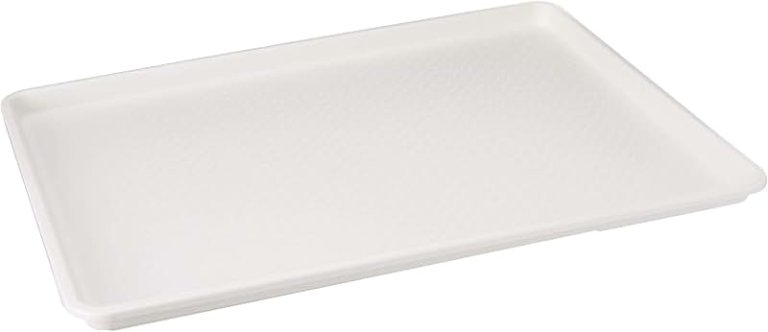
- Use a heavy-duty, rimmed baking sheet to prevent juices from spilling into your oven.
- Add delicate herbs like fresh parsley or basil only after removing the pan from the oven to preserve their bright flavor.
Managing Moisture and Preventing Soggy Vegetables
Vegetables like zucchini and tomatoes have high water content. If you find they are releasing too much liquid, place them on the pan during the final 15 minutes of the chicken’s cooking time, or roast them on a separate side of the pan to keep them from sitting in the chicken drippings.
The Importance of Ingredient Sizing for Uniform Cooking
Uniformity is key. Aim for 1-inch cubes for root vegetables and chicken to ensure they finish cooking at the same time. While it may seem like extra work, consistent prep is the difference between a cohesive meal and one where some parts are burnt while others are raw.
Food Safety and Doneness Cues
Always use a digital meat thermometer to verify that your chicken has reached an internal temperature of 165°F (74°C). Relying on visual cues like “juices running clear” is not a reliable method for ensuring food safety.
Handling Raw Poultry Safely in a Busy Kitchen
Designate a specific cutting board for raw poultry and wash all surfaces, utensils, and hands thoroughly with hot, soapy water immediately after preparation. Never reuse a marinade that has touched raw chicken unless it has been brought to a rolling boil first.
Storage, Reheating, and Meal Prep Strategies
Leftovers can be stored in an airtight container in the refrigerator for up to 3 to 4 days. If you are meal prepping for the week, keep the roasted vegetables and chicken in separate containers if possible to maintain their individual textures.
When reheating, avoid the microwave if you want to keep the chicken skin crisp. Using an oven or toaster oven at 350°F for 10 minutes will yield much better results than microwaving, which often turns poultry rubbery.
Customization Guide: Substitutions and Variations
Replace traditional feta cheese with toasted pine nuts or a sprinkle of nutritional yeast for a savory, nutty finish that mimics the richness of cheese.
Root Veggies
In the cooler months, swap zucchini for butternut squash or sweet potatoes, which stand up well to high-heat roasting.
Final Thoughts: Why This Is a Weeknight Essential
Sheet pan Mediterranean chicken is more than just a recipe; it is a reliable framework for healthy eating. Whether you are looking for a quick dinner after work or a simple way to incorporate more vegetables into your diet, this dish provides a consistent, flavorful result. If you enjoy this style of cooking, you might also find that similar techniques work perfectly for other proteins, such as when preparing chicken zucchini meatballs or experimenting with different seasonal flavor profiles to keep your menu feeling fresh throughout the year.
Common Questions
A temperature of 400°F (200°C) is ideal for roasting chicken and vegetables simultaneously, providing enough heat to brown the chicken while tenderizing the produce.
Yes, dried oregano and thyme are excellent for the marinade, as they hold up well to the high heat of the oven during the roasting process.
Parchment paper prevents the chicken skin and vegetables from sticking to the pan, which makes serving easier and significantly reduces your cleanup time.
You don’t need to flip them if you have arranged them in a single layer, but you can stir the vegetables halfway through if you prefer them more evenly browned.
Always verify doneness with a digital meat thermometer inserted into the thickest part of the meat, ensuring it reads 165°F (74°C).
Frequently Asked Questions
Yes, you can use chicken breast. Just be sure to cut the meat into uniform, thick chunks to ensure it cooks through without drying out.
Avoid crowding the pan, as this causes the vegetables to steam. If using high-moisture vegetables like zucchini, add them to the pan halfway through the cooking process.
According to food safety guidelines, chicken must reach an internal temperature of 165°F (74°C) to be safe for consumption.
Yes, you can marinate the chicken and vegetables in an airtight container for up to 24 hours before roasting. This can actually help deepen the flavors.
Cooked chicken and vegetables will last for 3 to 4 days when stored in an airtight container in the refrigerator.
This dish is complete on its own, but it pairs beautifully with quinoa, couscous, or a side of crusty bread to soak up the juices.