How Long to Boil Chicken Tenders (8–12 Min Guide)

Boiling chicken tenders is a straightforward, efficient way to prepare lean protein for salads, wraps, or quick meals. When done correctly, this method keeps the meat tender and ready for further seasoning or shredding.
- Timeframe: Cook for 8–12 minutes.
- Safety: Target 165°F (74°C) internally.
- Technique: Simmer gently to avoid rubbery texture.
- Flavor: Season the water with aromatics.
How Long Do You Boil Chicken Tenders: The Quick Answer
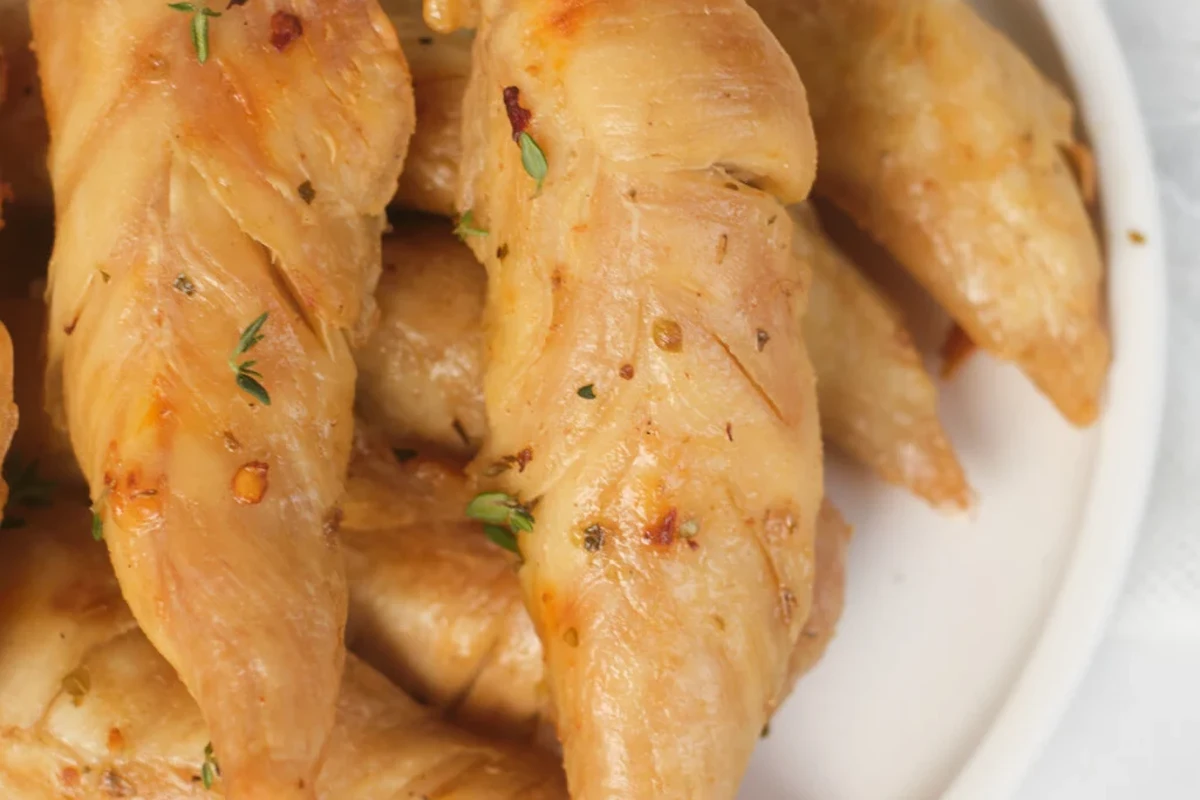
Generally, chicken tenders should be boiled for 8 to 12 minutes depending on their thickness. Always ensure the internal temperature reaches 165°F (74°C) to guarantee the meat is safe to consume.
Understanding Boiled Chicken Tenders: What Are They and Why Boil?
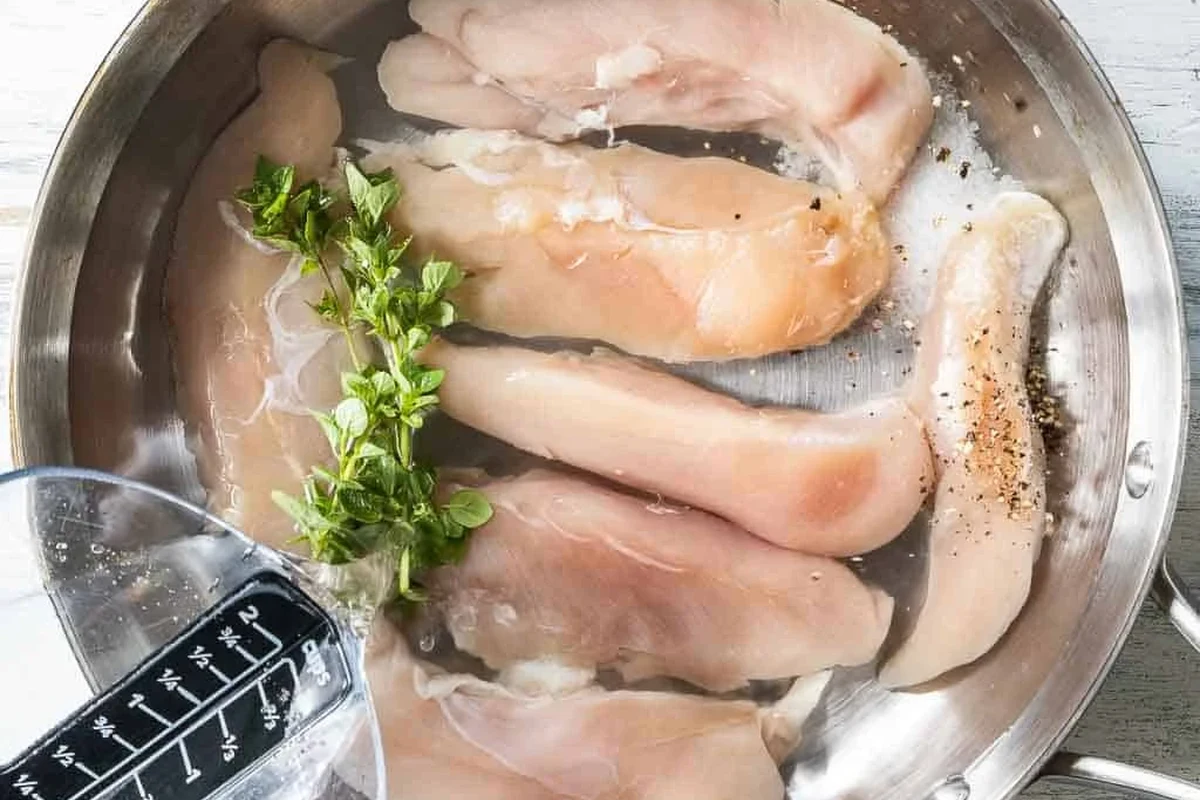
Chicken tenders, also known as the pectoralis minor muscle, are the most tender part of the bird. Because of their small size and lack of connective tissue, they cook much faster than whole breasts or thighs. Boiling is an often-overlooked technique that provides a clean, neutral base for recipes. Whether you are looking for simple meal prep ideas with chicken breast or need a quick protein source for a cold salad, boiling allows you to control the flavor profile without adding excess fats from frying or roasting.
Selecting the Best Chicken Tenders: Quality and Sourcing
The quality of your chicken significantly impacts the final texture. When shopping in 2026, look for tenders that are firm to the touch and uniform in size to ensure even cooking.
Fresh vs. Frozen Tenders: Decision Criteria
Fresh tenders are typically ready to cook immediately. If you are using frozen tenders, it is best to thaw them completely in the refrigerator before boiling. While some methods exist for cooking frozen meat directly, thawing ensures the outer layers do not overcook while the center remains icy.
Organic and Free-Range Considerations
Choosing organic or free-range options often results in a slightly different texture and flavor profile. These birds may have more developed muscle structure, which can make the meat feel less “mushy” after boiling compared to standard industrial options.
The Essential Technique: How to Boil Chicken Tenders Perfectly
Key Techniques to Prevent Overcooking
The secret to moist boiled chicken is to avoid a rolling boil. A vigorous boil causes the muscle fibers to tighten rapidly, leading to a rubbery texture. Keep the water at a gentle simmer, often called “poaching,” to maintain the integrity of the meat.
Food Safety and Doneness: Ensuring a Safe Belizean-Inspired Meal
Visual and Texture Cues for Doneness
Beyond the thermometer, the meat should be opaque throughout with no signs of pinkness. If you are shredding the chicken for a recipe like Belizean chicken tacos, it should pull apart easily with a fork once it has cooled slightly.
The only reliable way to check doneness is temperature — a fastinstant-read thermometerends the guessing. See top-rated instant-read thermometers here.
Common Mistakes When Boiling Chicken Tenders
- Use a meat thermometer for accuracy.
- Allow the chicken to rest for 5 minutes.
- Boiling at high heat for too long.
- Overcrowding the pot, which lowers the water temperature.
Storage, Shelf Life, and Reheating Best Practices
Cooked chicken should be stored in an airtight container in the refrigerator for up to 3–4 days. If you are preparing large batches, you can freeze the boiled tenders for up to 3 months. When reheating, avoid high microwave settings, which can turn the meat tough. Instead, warm them gently in a skillet with a splash of broth or water.
Cooking from frozen instead? See how long to cook frozen chicken breast in the Instant Pot.t…
Nutritional Value and Culinary Versatility
Boiled chicken is a lean, high-protein staple. It is perfect for those exploring meal prep ideas with chicken breast, as it provides a blank canvas for various sauces, spices, or salads. You can use your boiled tenders in soups, cold pasta dishes, or even as a base for hearty chicken salad.
- Simmer, don’t boil, for the best texture.
- Target 165°F (74°C) internal temperature.
- Season the water to add flavor.
- Rest the meat before slicing or shredding.
Common Questions
Yes, boiling is a low-fat cooking method that keeps chicken lean without needing extra oils or butter.
Yes, boiling for too long or at too high a temperature will make the meat dry and stringy.
Covering the pot helps maintain a consistent temperature and speeds up the process.
Yes, the poaching liquid is essentially a light chicken stock that can be saved for soups or sauces.
Use two forks to pull the meat apart while it is still warm but cool enough to handle.
Frequently Asked Questions
Chicken tenders generally take 8 to 12 minutes to cook through. Always verify doneness with a food thermometer to ensure they reach 165°F (74°C).
The meat should be opaque throughout with no pink color. A digital thermometer is the most reliable tool to confirm it has reached the safe temperature of 165°F.
It is not recommended. Thawing them in the refrigerator first ensures they cook evenly and maintain a better texture than cooking them directly from a frozen state.
Rubbery texture is usually the result of boiling the water too hard. Use a gentle simmer (poaching) to keep the muscle fibers from tightening too quickly.
Absolutely. Adding salt, herbs, garlic, or vegetables to the water infuses the chicken with flavor, making it much better than boiling in plain water.
Cooked chicken is safe in the refrigerator for 3 to 4 days when stored in an airtight container. If you won’t use it within that time, freeze it for later.