Range Exhaust Duct

A range exhaust duct is the vital conduit that carries smoke, grease, and moisture from your stovetop to the outdoors, ensuring your kitchen remains a safe and comfortable environment. Without proper ducting, even the most powerful ventilation hood cannot effectively remove airborne pollutants from your home.
- Material Choice: Always prefer rigid galvanized steel over flexible aluminum for better fire safety and airflow.
- Diameter Accuracy: Never reduce the duct diameter; maintain the manufacturer’s specified size throughout the entire run.
- Path Efficiency: Keep the duct run as short and straight as possible to minimize backpressure and.
- Joint Sealing: Use only UL-rated metallic HVAC tape to seal all connections, preventing grease leaks.
What is a Range Exhaust Duct and Why Does Your Belizean Kitchen Need One?
Defining the Range Exhaust Duct: The Unsung Hero of Air Quality
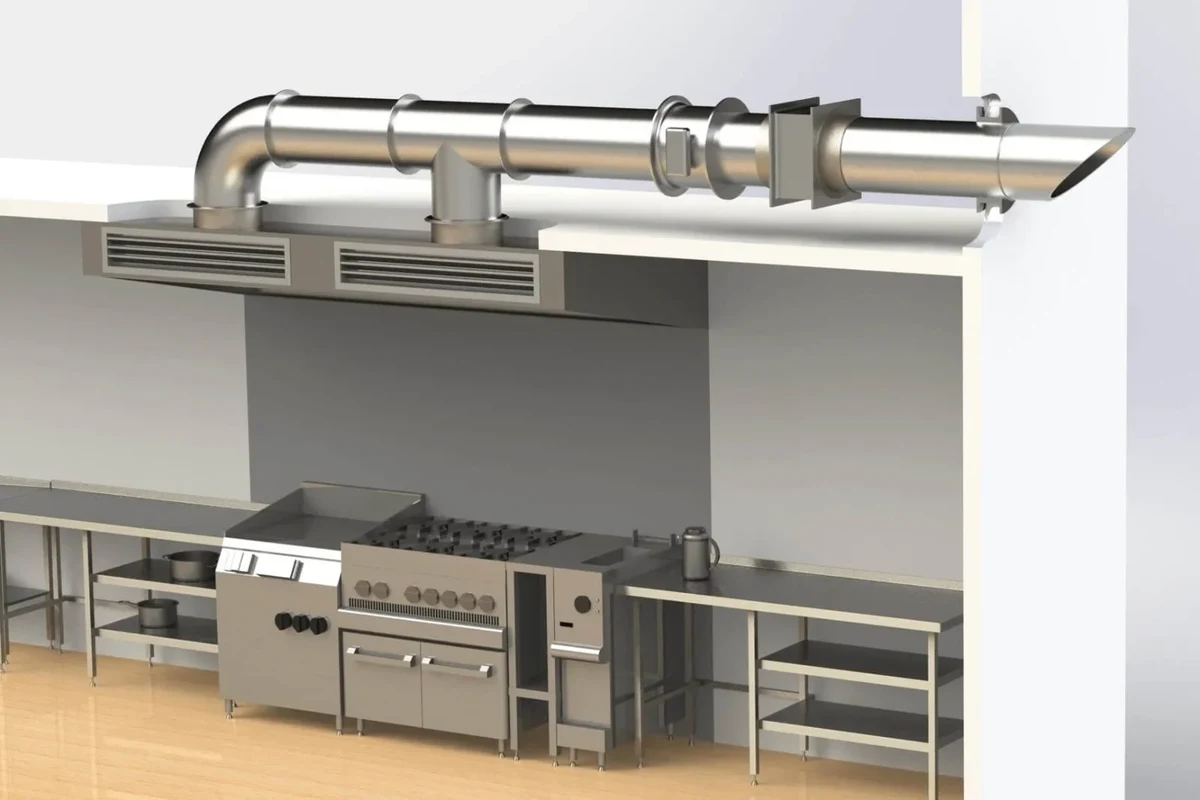
At its core, a range exhaust duct is a rigid or semi-rigid pipe designed to bridge the gap between your range hood and an exterior vent. While the hood itself contains the fan and filters, the ductwork acts as the highway for exhaust. If this highway is obstructed, poorly installed, or incorrectly sized, the “traffic”—consisting of cooking vapors, heat, and grease—has nowhere to go, often leading to it circulating back into your living space.
The Role of Ventilation in High-Heat Caribbean Cooking
In a typical Belizean kitchen, where high-heat searing, deep frying, and long-simmering stews are common, the volume of byproduct produced is significant. Effective ventilation is not just about comfort; it is about managing the intense humidity and grease particulates that naturally accompany these traditional cooking methods. A properly functioning exhaust system prevents these elements from settling on cabinetry, walls, and ceiling surfaces, which can lead to long-term degradation and hygiene concerns.
Who Needs a High-Performance Range Exhaust System?
Evaluating Your Kitchen Layout and Cooking Style
If you frequently use a gas range or a high-BTU cooktop, you are a prime candidate for a high-performance ducting system. The more intense your cooking sessions, the shorter and straighter your duct path needs to be. Home cooks who prioritize frequent, heavy-duty meal prep benefit significantly from larger diameter, rigid metal ductwork, which minimizes resistance and maximizes airflow efficiency.
Compatibility: Matching Ducting to Your Stove and Range Hood
Always consult your range hood’s manufacturer specifications before selecting ducting. Most professional-grade hoods are designed to operate at specific static pressures. Using a duct that is too small or overly flexible can force the motor to work harder, reducing its lifespan and increasing noise levels.
Key Decision Criteria for Choosing the Right Ducting
Material Matters: Galvanized Steel vs. Flexible Aluminum
The material choice is the most critical factor for safety and performance.
- Smooth interior minimizes grease buildup.
- Superior fire resistance and durability.
- Maintains structural integrity over time.
- Easier to install in tight spaces.
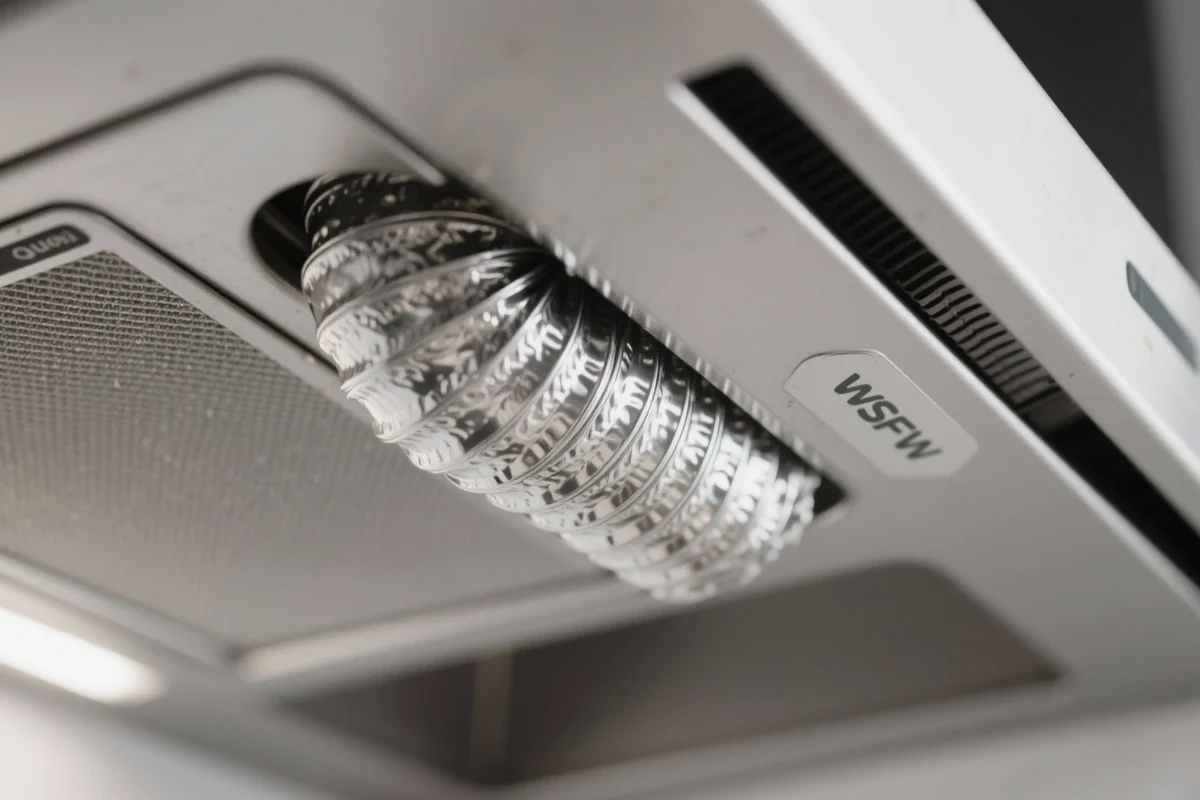
- Corrugated walls trap grease easily.
- Prone to sagging and potential fire risks.
The Importance of Diameter: Why Size Directly Impacts Airflow
Never downsize your duct diameter. If your hood outlet is 6 inches, your entire duct run should be 6 inches. Reducing the diameter creates a bottleneck, causing air turbulence and backpressure that prevents the system from pulling smoke out of the kitchen.
Understanding Duct Length and Elbow Restrictions
Every elbow (bend) in your ducting acts as a restriction. For optimal performance, aim for the shortest possible route to the outside. If you must have bends, use smooth, long-radius elbows rather than sharp 90-degree turns, which can significantly decrease the system’s “effective” length.
Real-Kitchen Benefits of Proper Ventilation
Removing Humidity and Airborne Grease Particles
Beyond just smoke, the exhaust system pulls out moisture and microscopic grease droplets. In tropical climates, managing indoor humidity is essential to preventing mold growth. By removing these particles at the source, you protect your kitchen’s finish and maintain a cleaner, more hygienic cooking space.
Managing Indoor Air Quality During Long Simmering Sessions
Long-simmering dishes are a staple of comfort food. However, extended cooking time means extended exposure to combustion byproducts if you are using a gas range. A well-ducted exhaust system ensures that these byproducts are safely directed outdoors rather than accumulating in your indoor air.
Common Mistakes in Duct Installation and Maintenance
The Dangers of Sharp Bends and Excessive Duct Length
The most common installation error is using too much flexible ducting or creating “S” bends. These configurations create drag, making the fan work harder than necessary and often resulting in a loud, ineffective system that fails to clear the air.Range Exhaust Duct
Why Improper Sealing Leads to Grease Accumulation and Fire Hazards
All joints in your ductwork must be sealed with professional-grade metallic HVAC tape—not standard duct tape. Improperly sealed joints allow grease-laden air to leak into wall cavities or attic spaces, creating a severe fire hazard and attracting pests.
- Use smooth, rigid galvanized steel pipe.
- Seal all seams with UL-rated metallic tape.
- Ensure the exterior vent has a backdraft damper.
- Do not use screws inside the duct (they catch grease).
- Avoid terminating the vent into an attic or crawlspace.
- Do not use plastic or vinyl flexible ducting.
Best Practices for Safe Handling and Long-Term Care
Routine Inspection: Preventing Blockages and Fire Risks
Inspect your exterior vent cover at least twice a year to ensure it is not blocked by debris, birds’ nests, or lint. A blocked vent is the primary cause of system failure and can lead to grease fires if the interior of the duct becomes too coated.
Cleaning Techniques for Duct Interiors
While the hood filters are easy to remove and wash, the duct itself eventually requires professional cleaning. If you notice a significant drop in suction or hear the motor straining, it is likely time to have a professional HVAC technician inspect and clear the duct run.
Evaluating Value: Is It Worth Investing in Premium Ducting?
The Cost of Poor Ventilation vs. Long-Term Kitchen Health
Investing in high-quality, rigid ducting is a one-time cost that pays off in lower maintenance, quieter kitchen operation, and better indoor air quality. The long-term cost of replacing a burnt-out fan motor or repairing smoke-damaged walls far outweighs the initial investment in proper materials.
When to Hire a Professional for Complex Duct Installations
If your duct run requires navigating through structural framing, multiple floor levels, or complex roof venting, hire a licensed professional. Improperly installed roof vents can lead to water leaks, which are far more expensive to repair than the cost of a professional installation.
Final Recommendation: Optimizing Your Range Exhaust for 2026 Standards
For the best results in 2026, prioritize a straight, rigid, and well-sealed path to the outdoors. By choosing galvanized steel, maintaining the correct diameter, and ensuring the system is free of obstructions, you create a kitchen environment that supports your culinary creativity while prioritizing safety and hygiene. If you are unsure about your current duct configuration, a quick inspection by a professional can provide the peace of mind needed to cook with confidence.
Common Questions
Round, rigid metal ducting is the most efficient choice because it allows air to flow with the least amount of resistance.
Avoid using screws inside the duct, as they can snag grease and lint, leading to blockages and fire risks over time.
Yes, longer ducts require more powerful fans; if your run is exceptionally long, you may need a specialized inline blower.
It is a flap in your exterior vent that opens when the fan is on and closes when it is off, preventing outside air and pests from entering your home.
Call a professional if your ducting needs to pass through roof structures or if you notice a significant decrease in suction performance.
Frequently Asked Questions
While flexible ducting is easier to install, it is generally discouraged for range hoods because the corrugated interior traps grease and creates air resistance. Rigid galvanized steel is the industry standard for safety and performance.
You should inspect your exterior vent cap every six months to ensure it is clear. Depending on your cooking frequency, a professional cleaning of the internal ductwork is recommended every 1–2 years.
A small duct creates backpressure, which forces the exhaust motor to work harder, increases noise, and significantly reduces the amount of smoke and grease that the system can actually remove.
Sealing joints with metallic tape prevents grease-laden air from leaking into your walls or ceiling. Leaks can create fire hazards and lead to significant grease buildup in hidden areas.
No, you should never vent a range hood into an attic. This introduces moisture and grease into your home’s structure, which can cause mold, rot, and potential fire hazards.
Galvanized steel is the best material because it is rigid, smooth, fire-resistant, and does not easily accumulate grease. It provides the most efficient airflow for your exhaust system.