Carnivore Soup Recipe | Easy Bone Broth & Beef Soup 2026 Guide

A carnivore soup recipe is a minimalist, nutrient-dense broth-based dish made exclusively from animal-derived ingredients, focusing on high-quality proteins, collagen-rich bones, and healthy fats. It is designed to provide deep satiety and hydration while adhering to strict animal-based dietary principles.
- Select Collagen-Rich Cuts: Use oxtail, shanks, or trotters to ensure a rich, gelatinous mouthfeel.
- Prioritize Low-Heat: A gentle, long simmer is essential to tenderize the meat without hardening the proteins.
- Roast for Depth: Browning the bones in the oven before simmering creates a savory, roasted flavor profile.
- Storage Safety: Always cool the broth in an ice bath before refrigerating to maintain food safety.
What is a Carnivore Soup and Why It’s the Ultimate Nutrient-Dense Comfort Food
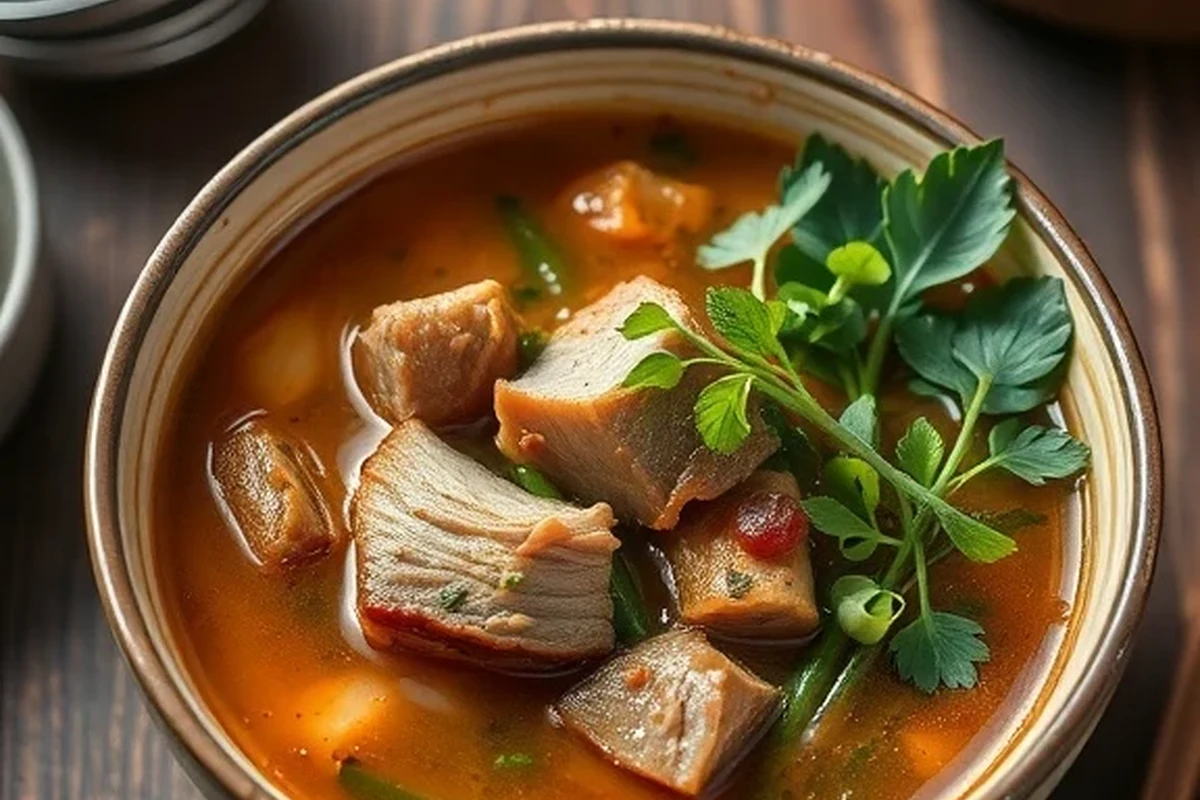
In the world of soups and stews, most recipes rely on mirepoix—onions, carrots, and celery—as a base. A carnivore soup, however, strips away these plant-based elements to focus entirely on animal nutrition. By simmering bones and high-quality meat for extended periods, you extract essential minerals, gelatin, and amino acids directly into the liquid. This results in a rich, soul-warming bowl that is incredibly easy on the digestive system and packed with the building blocks of animal-based health.
Read more: Carnivore-Friendly Beef Bones for Soup
The Core Philosophy: Ingredients for a True Carnivore-Compliant Soup
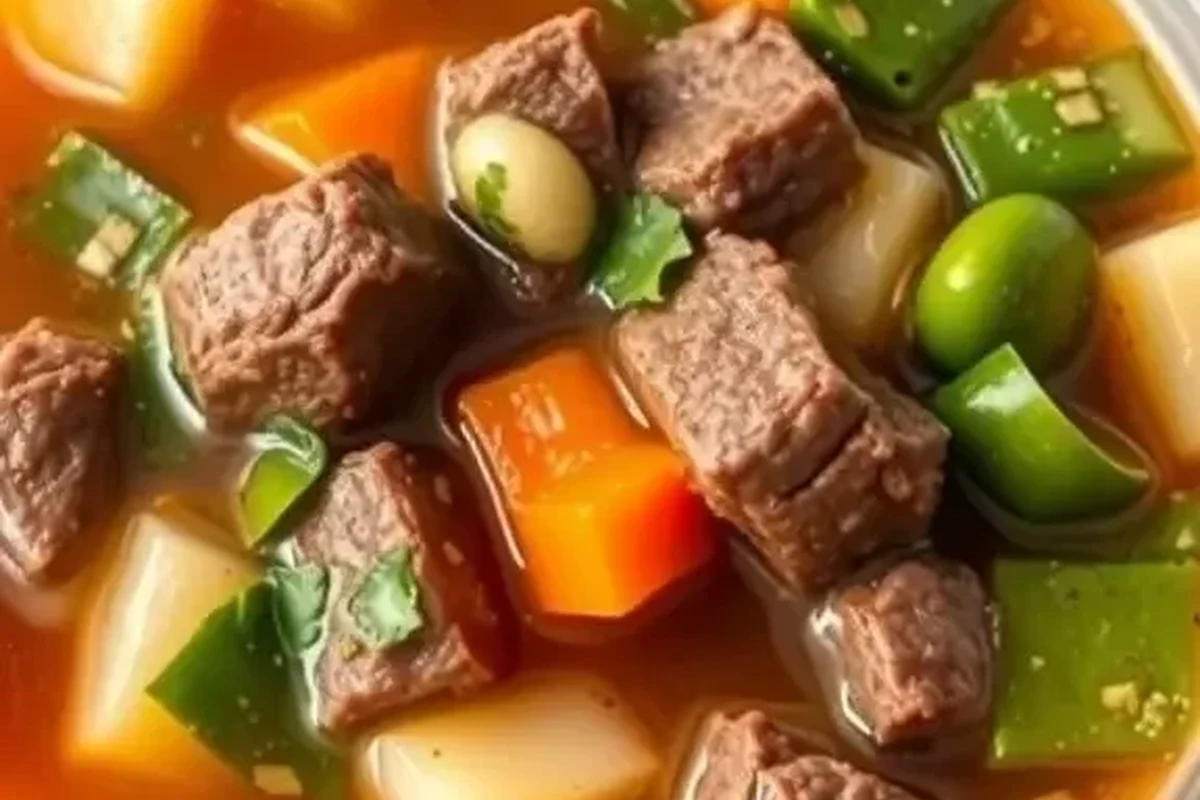
The success of a carnivore soup lies in the quality of its components. Without vegetables to provide flavor, the richness must come from the fat, bone marrow, and connective tissues of the animals selected.
High-Quality Animal Proteins: Choosing the Right Cuts for Long Simmers
For the best results in 2026, prioritize cuts that contain both meat and connective tissue. Oxtail, beef shanks, and short ribs are ideal because they offer a balance of muscle fiber and collagen. When these cuts reach a slow simmer, the collagen breaks down into gelatin, giving the soup a luxurious mouthfeel that is impossible to replicate with lean meats alone.
The Role of Bone Broth and Collagen-Rich Additions
Bone broth is the foundation of this dish. Using roasted marrow bones or knuckle bones ensures your soup is fortified with minerals. If you want to increase the nutrient density, consider adding organ meats like beef heart or liver in small, finely chopped portions, which dissolve into the broth to provide a concentrated boost of vitamins. How to Use Dried Veggies for Soup
Seasoning Within the Carnivore Framework: Salt and Minimalist Flavor Profiles
Seasoning is intentionally sparse. High-quality sea salt or mineral-rich rock salt is the only essential addition. Some practitioners choose to add small amounts of animal-based fats like tallow or lard during the searing process to enhance the flavor profile and ensure a high-fat, high-satiety outcome.
Mastering the Technique: How to Build Depth Without Vegetables
The Low-and-Slow Advantage: Why Patience is Key to Carnivore Broths
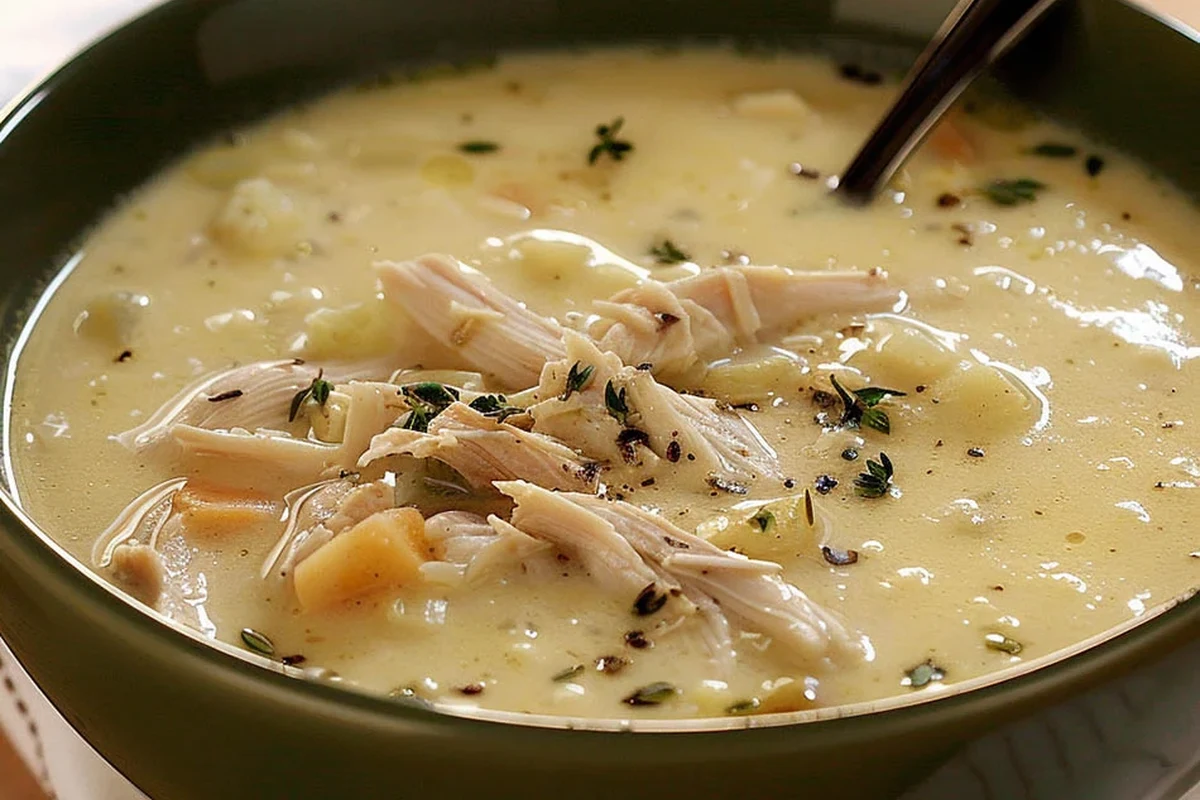
Unlike quick-cooking soups, a carnivore stew requires time. A low, gentle simmer over 6 to 12 hours allows the proteins to tenderize without becoming stringy. High heat can boil away the delicate fats and cause the proteins to seize, leading to a tough, unappealing texture.
Achieving the Perfect Texture: Balancing Fat-to-Protein Ratios
Balance is the secret to a satisfying bowl. If your soup feels too “thin,” you likely need more fatty cuts or marrow. If it is too greasy, you may have used too much rendered fat relative to the collagen-rich liquids. Aim for a ratio where the broth coats the back of a spoon—a sign that you have successfully extracted the gelatin.
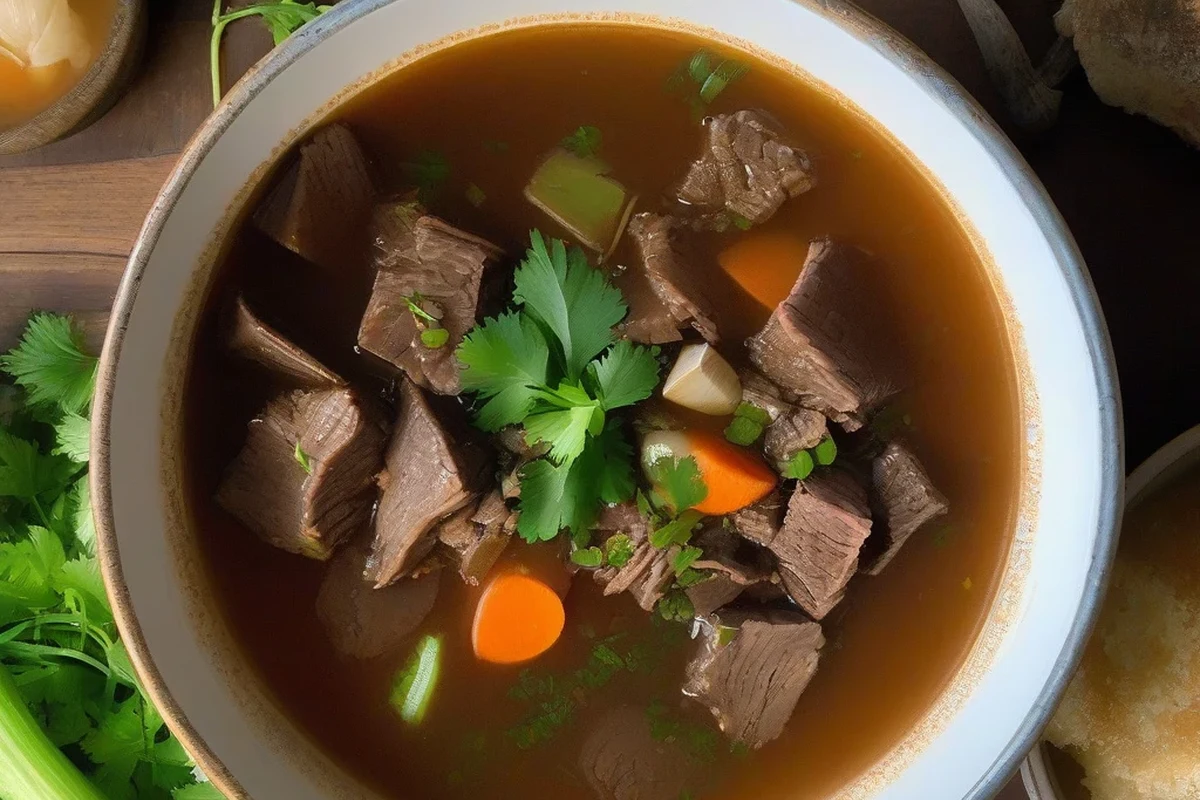
The Carnivore Soup Recipe: A Belizean-Inspired Bone-In Beef Comfort Bowl
Ingredients List for the Ultimate Carnivore Stew
- 3 lbs Beef oxtail or cross-cut beef shanks
- 2 lbs Beef marrow bones or knuckle bones
- 1/4 cup Beef tallow or lard
- Sea salt to taste
- 3-4 quarts Filtered water
Step-by-Step Preparation: From Sear to Simmer
Doneness and Safety Cues: Ensuring Optimal Nutrient Retention
Troubleshooting Your Carnivore Soup: Common Mistakes and How to Fix Them
Addressing Blandness: The Science of Salt and Rendered Fats
If the soup tastes flat, it almost always needs more salt. Salt acts as an flavor enhancer, especially in the absence of acidic vegetables. If it still lacks depth, add a tablespoon of high-quality butter or tallow just before serving to round out the flavor profile.
Managing Texture Issues: Preventing Tough Meat and Separated Fats
If your meat is tough, you haven’t simmered it long enough for the collagen to convert to gelatin. If your fat has separated into an oily slick on top, you can emulsify it back into the broth by whisking it vigorously or using an immersion blender for a few seconds.
Safe Handling, Storage, and Reheating for Long-Term Meal Prep
Proper Cooling and Refrigeration Protocols for Animal-Based Stocks
Once cooled, store the soup in airtight glass containers. It will keep in the refrigerator for up to 3-4 days. You may notice a thick layer of fat forming on top; this acts as a natural seal that helps preserve the broth underneath.
Reheating Techniques to Maintain Quality and Nutrient Integrity
Reheat only the portion you intend to eat. Bring the soup to a gentle simmer on the stove. Avoid boiling, as this can degrade the delicate fats and make the meat texture rubbery.
Navigating Ingredient Substitutions and Sourcing
Swapping Proteins: From Beef to Lamb, Pork, and Wild Game
You can easily substitute beef with lamb shanks or pork trotters. Pork trotters are particularly excellent for carnivore soups because of their incredibly high gelatin content, which creates a very thick, nourishing broth.
Sourcing Quality Bones and Meats: What to Look for at the Butcher
Look for grass-fed and finished beef whenever budget allows. Ask your butcher for “soup bones” or “marrow bones.” Ensure they are cut to expose the marrow, as this is the most nutritious part of the bone for your broth.
The Verdict: Is a Carnivore Soup Right for Your Lifestyle?
Frequently Asked Questions
Yes, a pressure cooker is an excellent way to shorten the cook time. It will achieve similar tenderness in about 60-90 minutes.
The marrow is ready when it appears soft, translucent, and begins to pull away from the bone. It should be easily scoopable with a small spoon.
Yes, adding small amounts of liver or heart increases the vitamin profile. Finely chop them so they integrate into the broth.
Absolutely. Freeze in portion-sized containers for up to 3 months. Thaw in the refrigerator overnight before reheating.
Cloudy broth is perfectly safe and often indicates a higher gelatin content. It can be caused by boiling too vigorously rather than simmering.
Oxtail, beef shanks, and short ribs are the best choices due to their high collagen and bone content, which creates a rich, thick texture.