Can You Put Radishes in Soup? Benefits, Tips & Easy Recipe

Yes, you can absolutely put radishes in soup, where they undergo a remarkable transformation from a sharp, crunchy raw vegetable into a tender, mellow ingredient that absorbs the surrounding flavors of your broth. While often reserved for salads, simmering radishes in a soup pot is a traditional technique that adds depth and unique texture to home-cooked meals.
- Flavor shift: Cooking radishes transforms their spicy crunch into a mild, earthy sweetness.
- Variety matters: Daikon is the ideal choice for soups, as it maintains its structure better than.
- Timing is key: Add radishes in the final 20 minutes of simmering to prevent them from becoming.
- Versatile pairing: They absorb savory liquids and pair perfectly with aromatics like garlic and fresh herbs.
Can You Put Radishes in Soup? The Culinary Truth
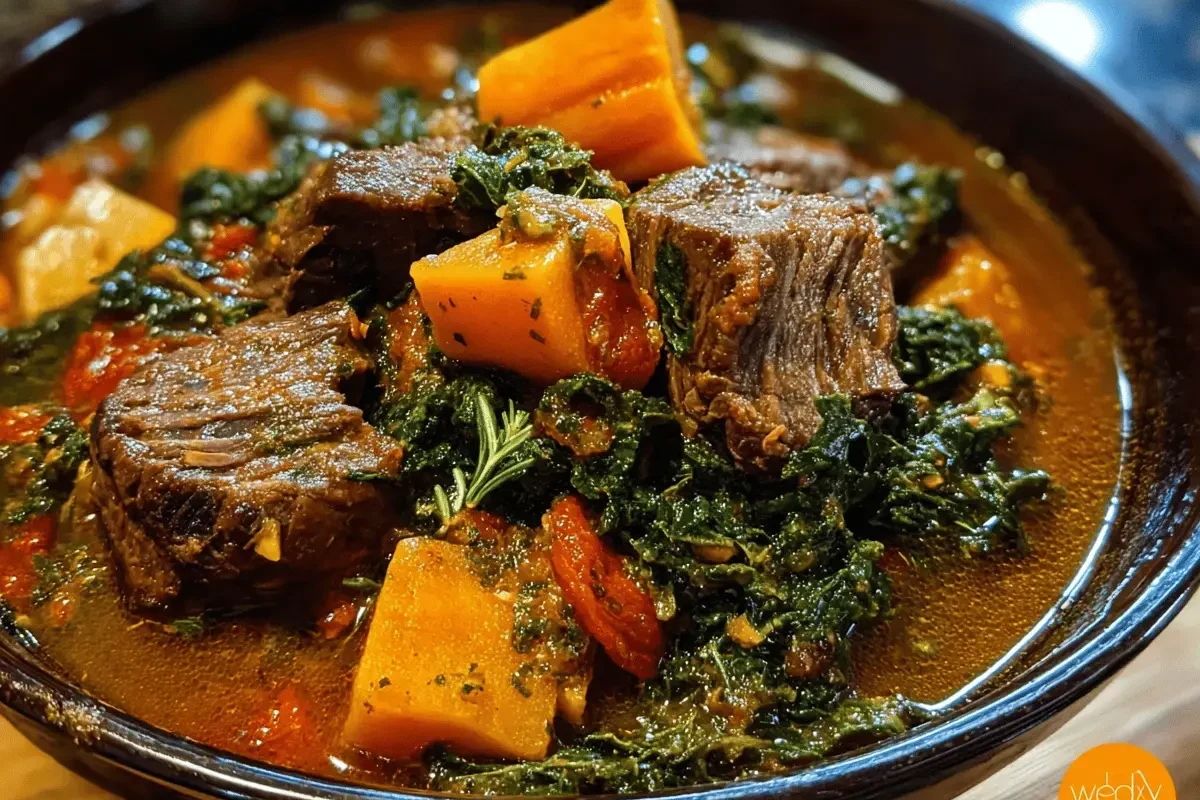
The hesitation many home cooks feel about adding radishes to hot liquid is rooted in their reputation as a strictly raw, peppery garnish. However, the culinary truth is that radishes behave similarly to turnips or potatoes when subjected to heat. As of 2026, more home cooks are exploring root vegetables beyond the standard carrot and potato, rediscovering the versatility of the radish family in heartier dishes.
From Raw Garnish to Softened Staple: The Transformation
When you boil or simmer a radish, the volatile compounds responsible for that signature “bite” dissipate. What remains is a vegetable with a mild, slightly sweet, and earthy profile. The texture shifts from a crisp snap to a tender bite that is satisfying without being mushy, provided you monitor your timing correctly.
Why Add Radishes to Your Soup Pot?
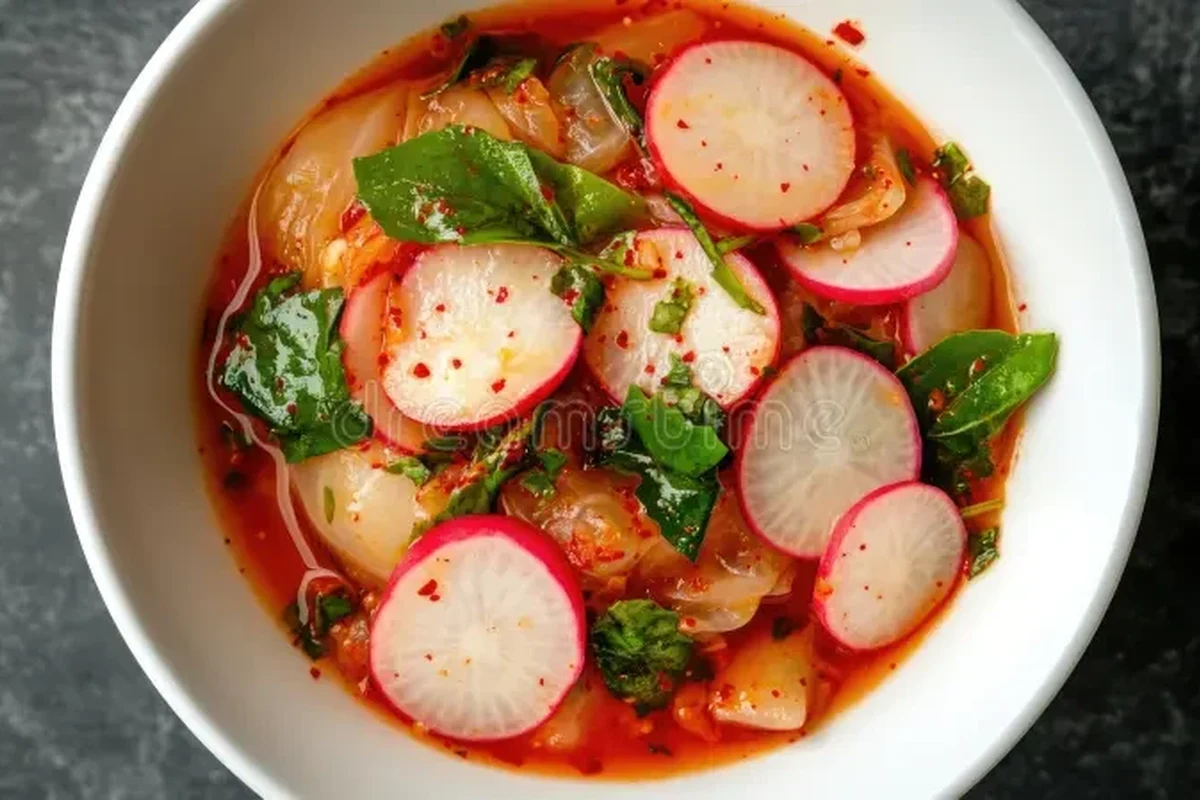
Adding radishes is an effective way to diversify your vegetable intake and introduce new textures to your weekly soup rotation. They offer a lower carbohydrate density compared to starchy potatoes, making them a useful addition for those looking to balance the nutritional profile of their stews.
Texture Profiles: What Happens During the Simmer
Because radishes have a high water content, they soften faster than denser root vegetables. When simmered, they maintain a structural integrity that holds up well in soups that require a longer cook time, provided they are cut into uniform, bite-sized chunks. Overcooking can lead to a loss of texture, so they are best added during the latter half of the cooking process. Can You Put Radishes in Soup
Flavor Evolution: Taming the Peppery Bite
The heat of the soup acts as a natural mellowing agent. The sharp, sinus-clearing spice of a raw radish fades into a subtle, almost nutty sweetness. If you enjoy the peppery notes, you can keep some raw radish slices to add as a garnish at the very end, creating a contrast between the soft, cooked base and the fresh, crunchy topping.
Selecting the Right Radish Varieties for Boiling
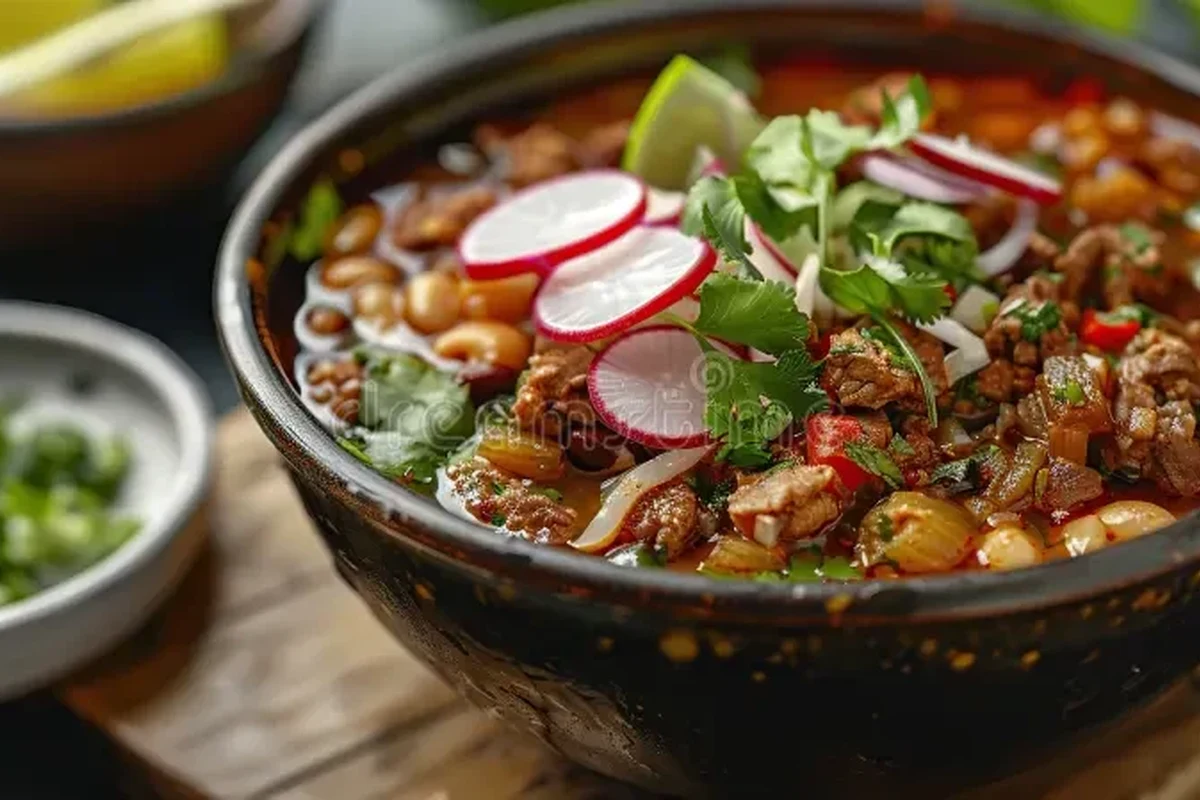
Not all radishes are created equal when it comes to the soup pot. The variety you choose will dictate the final flavor and appearance of your dish.
Daikon and Watermelon Radishes: The Soup Superstars
Daikon, a large, mild-flavored winter radish, is the gold standard for soups. It is widely used in Asian-inspired broths because it holds its shape while soaking up savory juices. Watermelon radishes are equally impressive; their vibrant pink interior provides a beautiful visual element to clear broths. Can You Put Radishes in Soup
Dealing with Red Globe Radishes: When They Work Best
Common red globe radishes are often smaller and can lose their bright exterior color when boiled. They work best in quick-cooking soups or as an addition to a rustic stew where appearance is secondary to flavor. Always slice them slightly thicker to ensure they don’t break down too quickly.
The Essential Belizean-Inspired Radish Soup Recipe
This recipe focuses on bringing out the natural sweetness of the radish while balancing it with earthy herbs and a protein-rich base.
Ingredients List for a Balanced Pot
- 1 bunch of large radishes (Daikon preferred), scrubbed and cubed
- 1 onion, finely diced
- 3 cloves garlic, minced
- 4 cups chicken or vegetable stock
- 1 teaspoon fresh thyme
- Salt and black pepper to taste
- Optional: 1 cup of protein, such as shredded chicken or white beans
Key Cooking Techniques for Optimal Texture
Common Mistakes: Avoiding the “Mushy” Trap
The most common mistake is adding the radishes at the same time as harder vegetables like carrots or potatoes. Because radishes cook faster, they will turn to mush before the other vegetables are done. Always add them during the final 20 minutes of simmering.
Safety, Doneness, and Quality Cues
When cooking with root vegetables, always ensure they are thoroughly washed to remove any soil residue. According to general food safety guidelines, ensure your soup reaches a consistent simmer throughout.
How to Tell When Your Radishes are Perfectly Cooked
Test for doneness by piercing a piece with a fork. It should slide through with minimal resistance, similar to a perfectly cooked potato. If the radish starts to lose its shape or looks translucent throughout, it is likely on the verge of overcooking. Can You Put Radishes in Soup
Storage, Shelf Life, and Reheating Best Practices
Cooked radishes store well in the refrigerator, but their texture will continue to soften slightly as they sit in the broth. If you are meal prepping, consider slightly undercooking the radishes so they reach perfect tenderness upon reheating.
Maximizing Freshness: Raw vs. Cooked Storage
Raw radishes should be stored in the crisper drawer with their greens removed, as the leaves draw moisture away from the root. Once cooked in soup, the dish acts as a preservative, but you must keep it chilled at or below 40°F (4°C).
Reheating Without Losing Structural Integrity
Reheat your soup on the stovetop over medium-low heat. Avoid boiling the soup vigorously, as this will break down the cooked radishes further. A gentle simmer is all that is needed to bring the soup back to serving temperature.
Substitutions and Pairing Guide
If you find yourself without radishes, other root vegetables like turnips, parsnips, or even kohlrabi can be substituted with similar results. Radishes pair beautifully with acidic elements like a squeeze of lime juice or a splash of vinegar, which helps brighten the earthy tones of the broth.
- Low-calorie vegetable boost
- Absorbs broth flavors well
- Quick cooking time
- Can become mushy if overcooked
- Loses raw color in hot liquid
Final Recommendation: Elevating Your Soup Game
Using radishes in soup is an excellent way to expand your culinary repertoire and reduce food waste by using the whole vegetable. For the best experience, start with Daikon radishes in a savory, herb-forward broth. By respecting the shorter cook time of this root vegetable, you can create a sophisticated, balanced dish that brings a refreshing change to the standard soup pot.
Frequently Asked Questions
No, the peppery, bitter bite of a raw radish mellows significantly when cooked. It becomes sweet and mild, similar to a turnip.
Daikon radishes are the best choice for soups because they hold their shape well and have a mild flavor. Watermelon radishes are also a great, visually appealing option.
Radishes generally take 15–20 minutes to become tender. Add them in the latter half of the cooking process to avoid them becoming too soft.
Yes, radish greens are edible and can be added to soups like spinach or kale. Ensure they are thoroughly washed as they often trap soil.
If you don’t have radishes, turnips, parsnips, or kohlrabi are excellent substitutes that provide a similar texture and earthy flavor.
Store leftover soup in an airtight container in the refrigerator for up to 4 days. Reheat gently on the stovetop to maintain the texture of the vegetables.