Picadillo Soup Recipe: A Hearty Belizean Comfort Food Guide

Picadillo soup is a hearty, tomato-based stew featuring finely ground meat, diced vegetables, and a distinct blend of Caribbean aromatics. As we look at home cooking trends in 2026, this dish remains a staple for its ability to transform simple pantry staples into a deeply flavorful, warming meal.
- Aromatic Base: Always start with a fresh sofrito of onions, garlic, and peppers to build a.
- Uniform Prep: Dice all vegetables to the same size as the meat to ensure even cooking.
- Patience Matters: Brown the meat thoroughly before adding liquids to achieve a rich, caramelized base for.
- Safe Storage: Keep leftovers in the refrigerator for up to 4 days or freeze for up.
What is Belizean-Style Picadillo Soup?
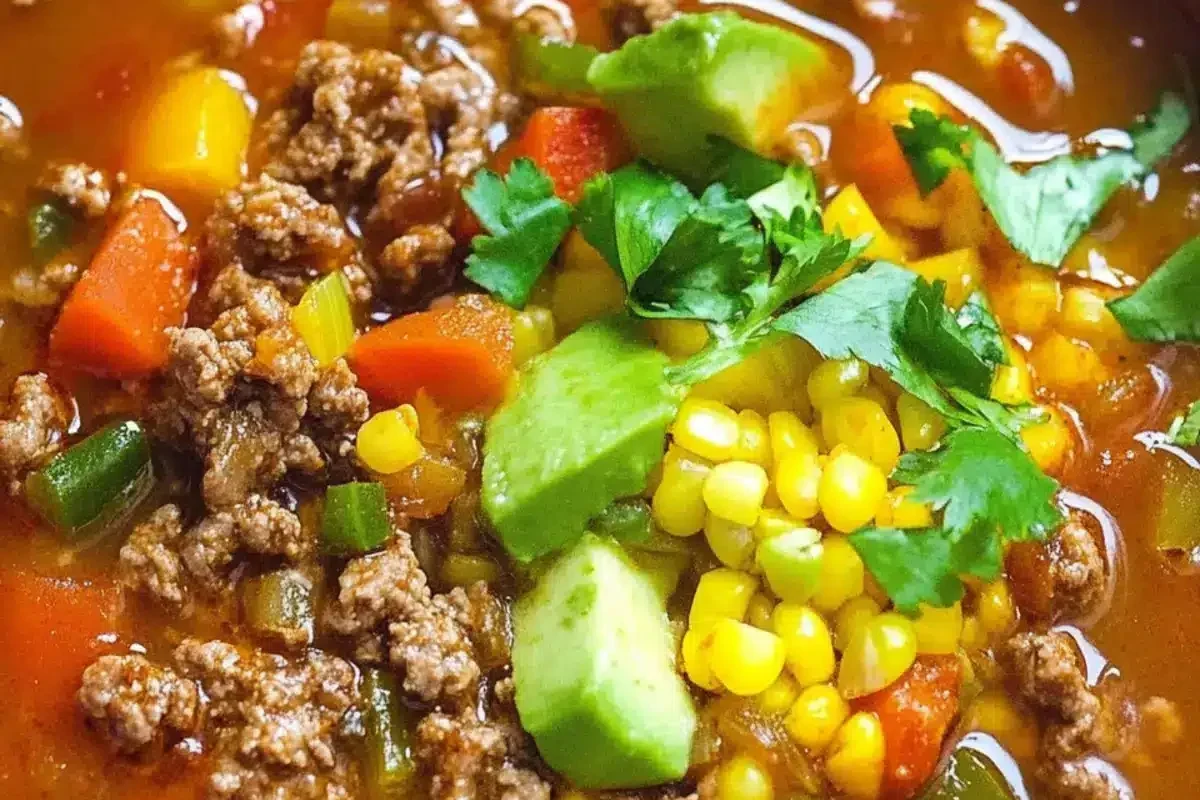
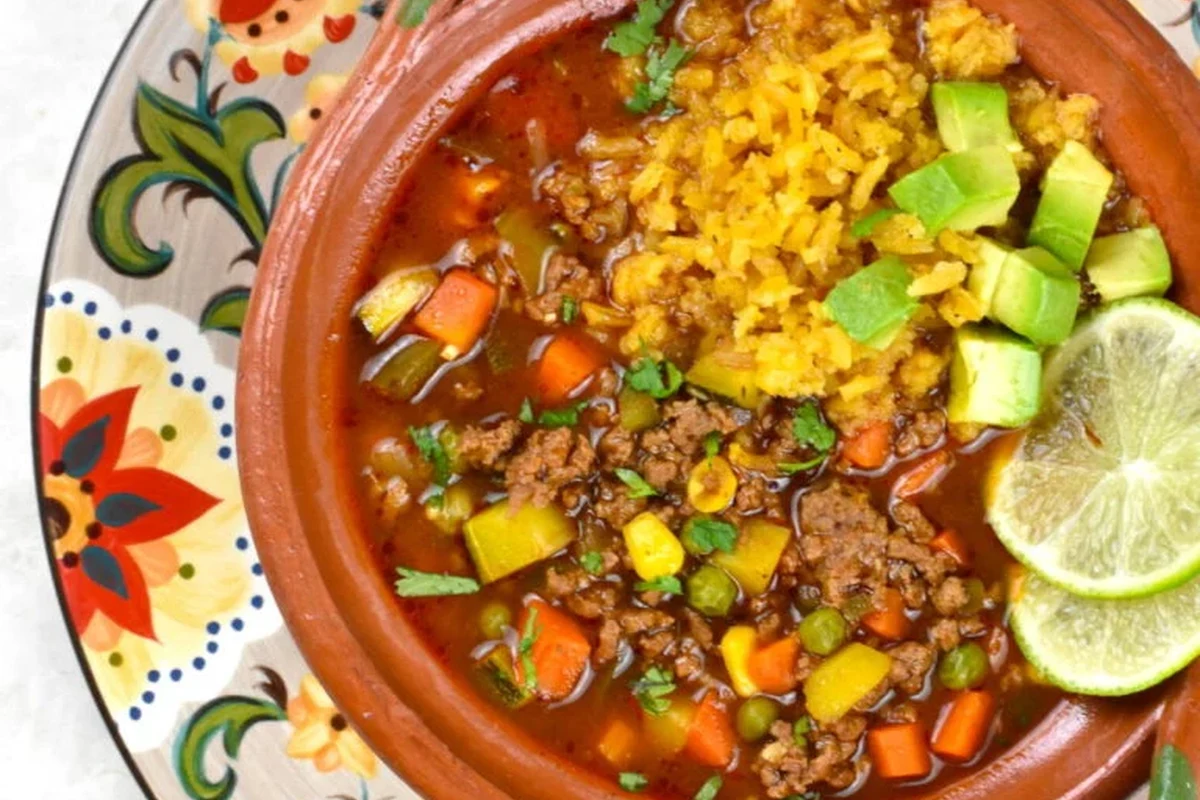
Unlike the dry or semi-dry picadillo often served over rice in other Latin American cultures, the Belizean-style picadillo soup is intentionally prepared with a savory, broth-forward consistency. It centers on the concept of “stretching” protein by incorporating a variety of diced vegetables, such as potatoes, carrots, and bell peppers, all simmered together in a seasoned tomato-based liquid.
The dish is characterized by its balance of savory and sweet notes, frequently rounded out by the inclusion of raisins or capers, which provide a traditional depth of flavor familiar in many coastal Belizean kitchens. It is a humble, nourishing bowl that prioritizes texture and the melding of spices over complex preparation techniques. picadillo soup
Why Picadillo Soup is the Ultimate Comfort Food for 2026
In 2026, home cooks are increasingly prioritizing meals that offer high nutritional density without requiring specialized equipment or rare ingredients. Picadillo soup fits this need perfectly. It is forgiving for beginners and highly customizable for those managing busy schedules, as it can be prepared in large batches for easy reheating throughout the week.
Essential Ingredients for an Authentic Belizean Base
Selecting the Right Proteins and Vegetables
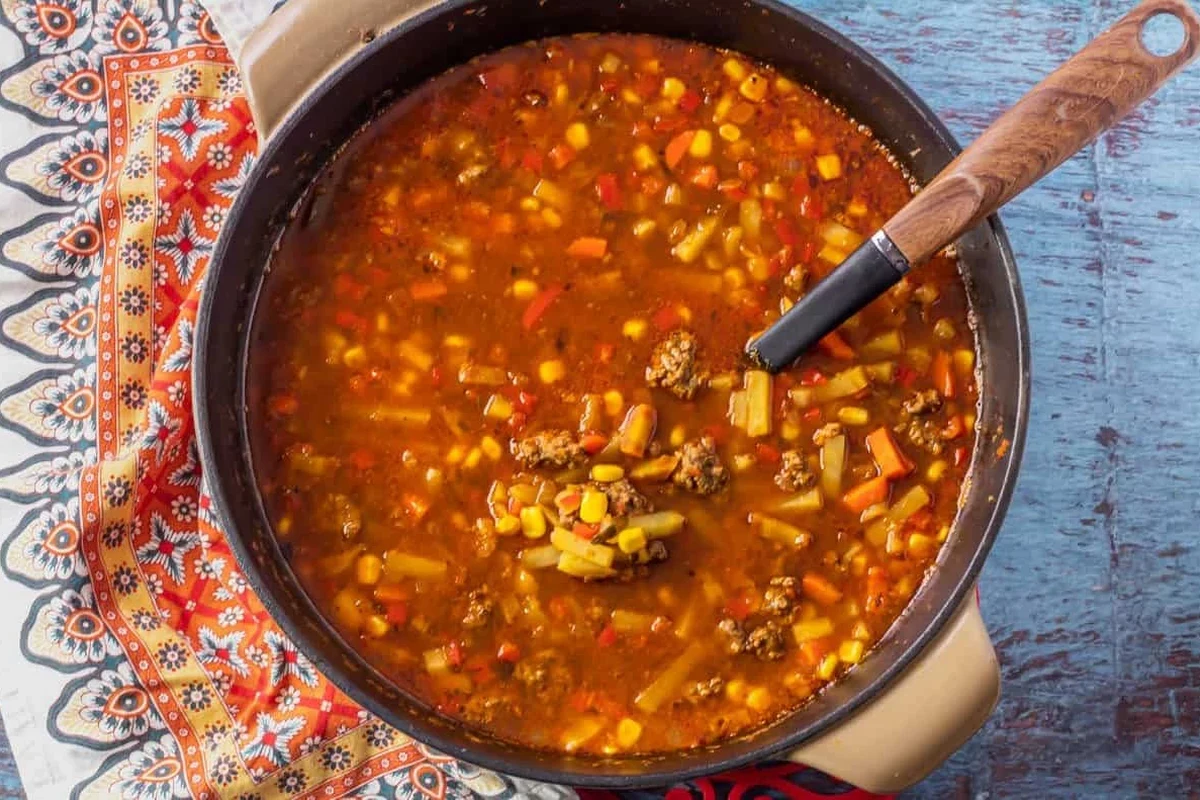
The foundation of a great picadillo soup starts with the ground protein. While lean ground beef is traditional, many cooks also use ground pork or a mixture of both to achieve a richer mouthfeel. The vegetables should be cut into uniform, small cubes; this ensures that every spoonful contains a mix of flavors and helps the ingredients cook through evenly.
The Role of Belizean Aromatics and Spices
The “Belizean flavor” is achieved through a specific hierarchy of aromatics. Fresh cilantro, culantro (if available), thyme, and a well-balanced sofrito—a mixture of sautéed onions, sweet peppers, and garlic—are non-negotiable. Spices like black pepper, cumin, and sometimes a touch of annatto (achiote) provide the characteristic color and earthy undertone that define this regional classic.
- Ensure ground meat is fully thawed in the refrigerator before cooking to maintain even texture.
- Check that all vegetables are diced to approximately the same size as the meat crumbles.
- Verify that your stock or water is at a low simmer rather than a rolling boil to prevent the meat from becoming tough. picadillo-soup
Step-by-Step Cooking Technique: Building Deep Flavor
The Art of Browning: Achieving the Perfect Texture
The browning process is the most critical stage. You want to cook the meat until it is deeply caramelized, not just grey. This Maillard reaction provides the base flavor for the entire broth. Once browned, remove excess fat if necessary, but keep a small amount to sauté your aromatics, as the fat carries the flavor of the garlic and peppers into the soup.
Simmering for Consistency: Balancing Broth and Body
After adding your liquid (usually a mix of tomato sauce and stock), the goal is to simmer uncovered or partially covered to allow the broth to reduce slightly. This concentrates the flavors and thickens the soup naturally. If you prefer a heartier soup, adding a potato at this stage works well, as the starch releases into the broth, acting as a natural thickener.
Common Mistakes to Avoid When Making Picadillo Soup
A common error is overcrowding the pot, which causes the meat to steam rather than brown. Another mistake is adding all vegetables at once; root vegetables like carrots and potatoes require more time than softer vegetables like peas or cilantro. Always layer your ingredients according to their required cooking times to ensure nothing turns to mush.
Ingredient Substitutions and Dietary Adaptations
Adjusting for Pantry Staples and Seasonal Produce
If you lack fresh tomatoes, high-quality tomato paste or canned tomato sauce are perfectly acceptable substitutes. During different seasons, feel free to swap in whatever root vegetables are available, such as yuca or sweet potato, which add a distinct sweetness that complements the savory profile of the dish.
Plant-Based Variations Without Losing Authenticity
For a plant-based version, consider using textured vegetable protein (TVP) or finely chopped mushrooms and walnuts. These ingredients mimic the texture of ground meat remarkably well. When using these alternatives, sauté them with a bit of soy sauce or Worcestershire sauce to replicate the savory umami notes of beef.
- Naturally gluten-free if using corn-based or no thickeners.
- Highly adaptable to seasonal vegetable availability.
- Excellent for batch cooking and freezing.
- Requires precise knife work for uniform vegetable size.
- Can become greasy if excess fat is not skimmed.
Food Safety, Proper Storage, and Reheating Guidelines
Always store leftovers in airtight containers once the soup has cooled to room temperature. According to standard food safety practices, leftovers should be consumed within 3 to 4 days when stored in a refrigerator set to 40°F (4°C) or below. If you plan to keep the soup longer, it freezes exceptionally well for up to 3 months.
The Best Methods for Reheating Without Compromising Texture
Reheat the soup on the stovetop over medium-low heat. Stir occasionally to ensure even heating. If the broth has thickened too much in the fridge, add a small splash of water or stock to restore the desired consistency. Avoid the microwave if possible, as it can cause the vegetables to soften unevenly.
Final Thoughts: Elevating Your Home Cooking with Picadillo Soup
Picadillo soup is a testament to the beauty of simple, intentional cooking. By focusing on the quality of your aromatics and the patience of the simmer, you can turn a basic ground meat dish into a centerpiece of your weekly menu. It is reliable, deeply satisfying, and a perfect example of how traditional Belizean flavors continue to offer comfort in 2026.
Frequently Asked Questions
Yes, ground turkey is a great lean alternative. Just be aware that turkey is leaner and may require a small amount of added oil for sautéing.
The soup is ready when the potatoes and carrots are fork-tender and the flavors have melded together, usually after 20-30 minutes of simmering.
Yes, picadillo soup freezes very well. Store it in freezer-safe containers for up to three months for the best quality.
The starch from the potatoes naturally thickens the broth as they simmer. You can also mash a few pieces of potato against the side of the pot to thicken it further.
Leftovers should be stored in an airtight container in the refrigerator and consumed within 3 to 4 days.
Absolutely. You can add finely minced habanero or jalapeño peppers during the aromatic sauté stage to increase the heat level to your preference.