Oma Seaweed Soup Recipe: Belizean Coastal Comfort Food

Oma seaweed soup is a traditional, nutrient-dense coastal dish that highlights the bounty of the Caribbean Sea through a simple, aromatic, and deeply savory broth. This article explores how to prepare this staple, ensuring you can replicate the authentic flavors of the Belizean coast in your own kitchen.
- Preparation: Thoroughly rinse and soak dried seaweed to remove excess salt and sand before cooking.
- Texture: Avoid overboiling to prevent the seaweed from becoming overly soft or slimy.
- Flavor: The soup’s base should be light; use garlic, cilantro, and chili to enhance the.
- Safety: Be mindful of high iodine content in seaweed if you have specific thyroid or.
- Storage: Consume leftovers within 3 days and avoid freezing to maintain the ideal texture.
What is Oma Seaweed Soup? A Belizean Coastal Tradition

Oma seaweed soup—often referred to simply as “seaweed soup” by local coastal communities—is a comforting, restorative dish rooted in the traditions of Belize’s maritime heritage. Unlike some complex stews, this soup relies on the natural, oceanic umami of fresh or dried seaweed, balanced by a light, flavorful base of aromatics. In 2026, many home cooks are returning to this recipe for its simplicity and the unique texture of the seaweed, which serves as both a vegetable and a thickening agent.
Who Should Make This Recipe?
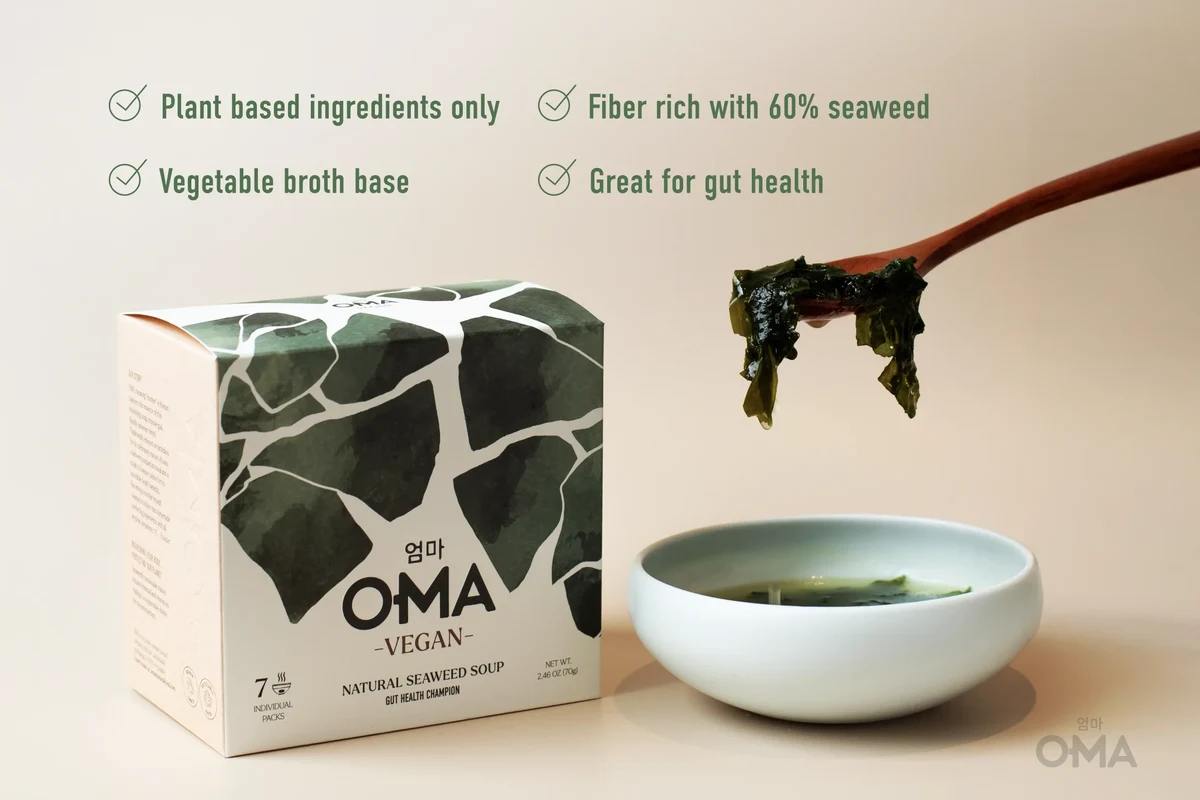
This recipe is perfect for those who enjoy mild, briny flavors and are looking for a healthy, plant-forward soup option. It is well-suited for the adventurous home cook who wants to explore Caribbean traditions beyond the well-known rice and beans or fry jacks. If you appreciate the texture of cooked greens or are interested in the culinary potential of sea vegetables, this soup provides a rewarding and accessible introduction.Belizean beef soup recipe
Key Ingredients: Sourcing the Best of the Caribbean
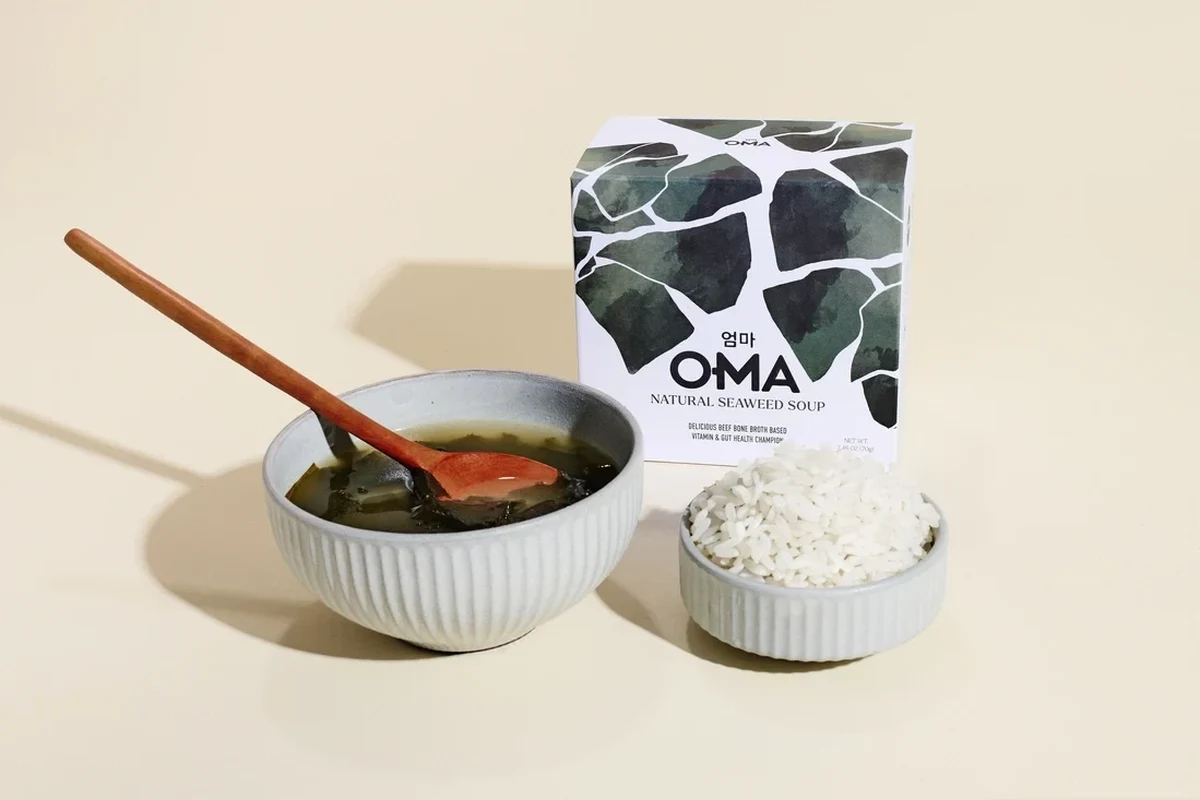
The Seaweed: Identifying Edible Varieties
The success of this soup hinges on the quality of the seaweed. In the Caribbean, edible seaweeds like *Eucheuma* (often used for sea moss drinks) or specific varieties of *Gracilaria* are traditionally harvested. When sourcing, look for dried seaweed that is free of debris and salt crystals. If you are purchasing from a specialty market in 2026, ensure the product is intended for culinary use rather than cosmetic applications.
Aromatics and Broth Bases
The broth is typically light, often consisting of coconut milk or a clear vegetable/fish stock. Aromatics like garlic, fresh cilantro, scallions, and a hint of habanero pepper are essential. These ingredients provide a necessary contrast to the deep, earthy, and slightly sweet notes of the seaweed.
- Identify a reputable source for food-grade, dried seaweed.
- Ensure you have fresh aromatics; avoid dried powders if possible.
- Confirm you have enough filtered water or high-quality stock for the base.
- Check for any shellfish or iodine allergies before consuming seaweed.
Step-by-Step Cooking Technique: Mastering the Texture
Preparing the Seaweed: Cleaning and Hydration
Dried seaweed must be rehydrated thoroughly. Rinse it under cold, running water to remove any sand or salt. Soak it in a bowl of fresh water for at least 30 minutes, or until it becomes pliable and translucent. Once hydrated, chop the seaweed into manageable, bite-sized strips.
Building the Flavor Profile
Start by sautéing your aromatics—onions, garlic, and peppers—in a small amount of oil until soft. Add your stock or coconut milk and bring to a gentle simmer. Introduce the prepared seaweed and allow the flavors to meld. The goal is to infuse the broth with the essence of the sea without masking the delicate flavor of the greens.
Achieving the Perfect Consistency
The soup should have a silky, slightly thickened consistency. The natural polysaccharides in the seaweed will help thicken the broth as it cooks. If the soup becomes too thick, adjust with a splash of water or stock. Avoid aggressive boiling, as this can break down the seaweed too much and result in a texture that is overly soft or “slimy.”
Common Mistakes and How to Avoid Them
Preventing Overcooking and Sliminess
The most common error is boiling the seaweed for too long. Treat it like a delicate vegetable; once it reaches a tender, pleasant chew, it is ready. Overcooking releases too much mucilage, which turns the soup into a thick, unappealing gel. seaweed iodine nutrition information
Balancing Saltiness and Umami
Seaweed is naturally high in sodium. Always taste your broth before adding salt. Depending on the type of seaweed and the stock used, you may find that additional seasoning is unnecessary.
Safe Handling and Food Safety Guidelines
Always purchase seaweed from reputable food retailers. Ensure that it is stored in a cool, dry place to prevent mold growth. When cooking, ensure the soup reaches a safe internal temperature of at least 165°F (74°C) if adding proteins like fish or shrimp, following standard food safety guidelines.
Storage, Reheating, and Shelf Life
Storing for Future Meals
Store leftovers in an airtight container in the refrigerator. Consume within 2 to 3 days. As the soup sits, the seaweed will continue to absorb liquid, so you may need to add a bit of water when reheating.
Best Practices for Reheating Without Losing Texture
Reheat on the stovetop over low heat until just warmed through. Avoid the microwave if possible, as it can create hot spots that might overcook the seaweed unevenly.
Substitutions and Variations for the Modern Kitchen
Alternative Seaweeds for Inland Cooks
If you cannot find Caribbean-specific varieties, wakame or kombu (rehydrated) are excellent alternatives available in most grocery stores. They offer a similar oceanic profile that works well in this traditional format.
Adding Proteins to Enhance Nutritional Value
Many modern versions of this soup incorporate small pieces of white fish, shrimp, or even firm tofu. Add these proteins toward the end of the cooking process to ensure they remain tender and succulent.
- Nutrient-dense and fiber-rich
- Unique, refreshing flavor profile
- Simple, fast preparation
- Texture requires practice
- High natural sodium levels
Final Thoughts: Why Oma Seaweed Soup is a Belizean Essential
Oma seaweed soup is a testament to the resourcefulness and culinary creativity of Belizean coastal cooking. By respecting the ingredient and focusing on a gentle, aromatic broth, you can create a dish that is as nourishing as it is culturally significant. Whether you are a beginner or an experienced home cook, mastering this soup offers a profound connection to the Caribbean’s rich, oceanic heritage.
Frequently Asked Questions
Yes, if you have access to fresh, clean, edible seaweed, you can use it. Ensure it is thoroughly washed to remove all sand and debris before cooking.
The seaweed is done when it is tender but still retains a slight, pleasant bite. It should not be mushy or completely dissolved into the broth.
The base ingredients are generally gluten-free. Always check your stock or broth ingredients to ensure they do not contain hidden additives or wheat-based thickeners.
Freezing is not recommended as the texture of the seaweed can degrade significantly upon thawing. It is best enjoyed fresh or within a few days of refrigeration.
Wakame or rehydrated kombu are the best substitutes for home cooks. They provide a similar oceanic flavor profile and work well in soups.
Seaweed is naturally salty. Always rinse it thoroughly before soaking, and taste the broth before adding any extra salt during the cooking process.