Meals Using Shredded Chicken

You can create versatile meals using shredded chicken by incorporating it into tacos, creamy soups, protein-packed salads, or hearty pasta bakes. This pre-cooked staple serves as a time-saving foundation for quick stir-fries, stuffed bell peppers, and savory sandwiches throughout the week.
- Versatility: Shredded chicken is ideal for time-saving weeknight dinners like tacos, enchiladas, salads, and hearty.
- Quality Selection: Choose breast meat for a leaner profile or thigh meat for better moisture and.
- Food Safety: Store cooked shredded chicken in airtight containers and consume within three to four days.
- Texture Limitation: Avoid overcooking during the shredding process, as the meat can become dry and lose.
Meals Using Shredded Chicken
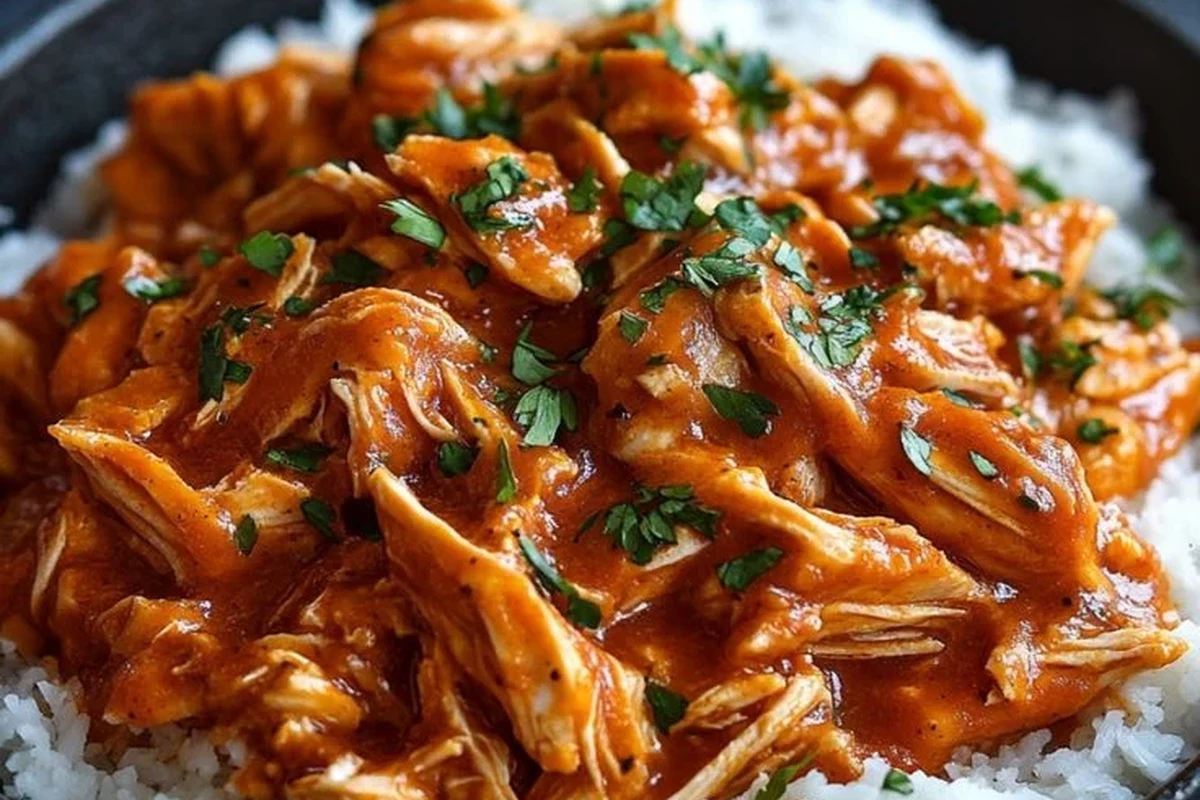
Shredded chicken is one of the most versatile ingredients you can keep in your kitchen. Whether you are meal prepping for the week or looking for a quick way to repurpose leftovers, having a stash of pre-cooked, shredded poultry saves significant time during busy weeknights.
At BelizeanRecipe, we often find that the simplest ingredients yield the most satisfying meals. From comforting soups to vibrant tacos, shredded chicken adapts to almost any flavor profile, making it a staple for home cooks who value both efficiency and taste.
Best Methods for Shredding Chicken
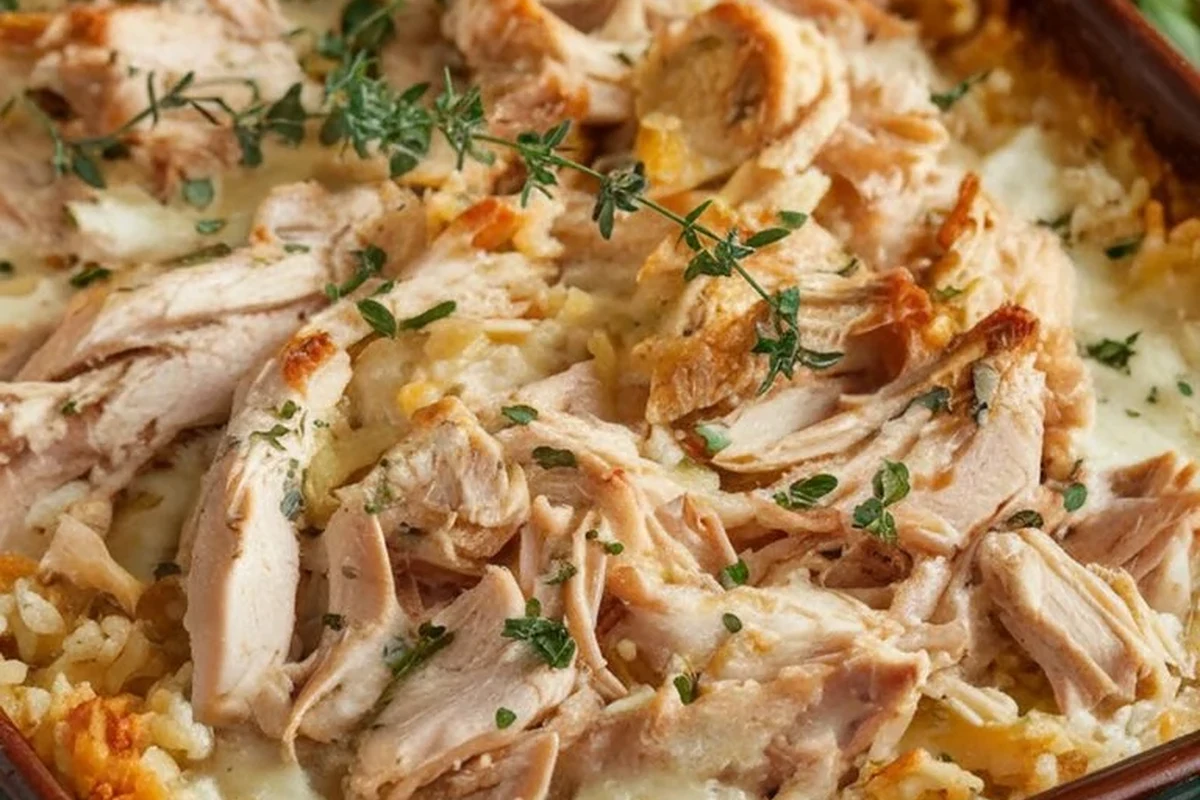
Before you can assemble your meals, you need the right texture. The most common mistake is trying to shred chicken while it is ice-cold or bone-dry. For the best results, shred the meat while it is still warm, as the fibers pull apart much more easily.
Place the cooked chicken breast or thigh on a cutting board. Use two forks held back-to-back to pull the meat in opposite directions until you reach your desired consistency.
If you have a large batch, place warm, cooked chicken into the bowl of a stand mixer fitted with the paddle attachment. Turn it on low for about 30 seconds to get perfectly shredded chicken in seconds.
Always reserve a little bit of the poaching liquid or cooking broth to mix back into your shredded chicken. This keeps the meat moist, especially if you plan to store it in the refrigerator for a few days.
Incorporating Shredded Chicken into Weeknight Dinners
Shredded chicken acts as a “blank canvas.” Because the meat is already cooked, you can focus on building layers of flavor with spices and sauces. If you are looking for inspiration, our guide on meal prep ideas with chicken breast provides several ways to season your base meat so it remains exciting throughout the week.
Tacos and Wraps
One of the most popular uses for shredded chicken is in handheld meals. For a local twist, try our Belizean chicken tacos recipe. The shredded texture allows the meat to hold onto salsas and seasonings much better than cubed chicken, ensuring every bite is flavorful.
Casseroles and Bakes
Shredded chicken is ideal for binding with rice, cheese, and vegetables. If you enjoy hearty, oven-baked meals, consider a chicken and rice enchilada casserole. The shredded meat distributes evenly, ensuring you get chicken in every forkful.
Safety and Storage Best Practices
Food safety is paramount when working with pre-cooked proteins. Cooked chicken can be stored in an airtight container in the refrigerator for 3 to 4 days. If you do not plan to use it within that window, freezing is your best option.
According to USDA guidelines, cooked poultry should reach an internal temperature of 165°F (74°C). When reheating, ensure the chicken is steaming hot all the way through to maintain safety standards.
Never leave cooked chicken at room temperature for more than two hours. If you are shredding a large batch, place the containers in the fridge as soon as the steam dissipates.
Comparing Preparation Methods
Choosing how to cook your chicken before shredding depends on your equipment and available time. Each method offers a different moisture level and flavor profile.
| Method | Best For | Key Consideration |
|---|---|---|
| Poaching | Salads/Wraps | Clean, neutral flavor |
| Instant Pot | Speed/Volume | Very tender, easy shredding |
| Slow Cooker | Tenderness | Requires longer planning |
| Roasting | Depth of Flavor | Best for savory dishes |
Enhancing Flavor Profiles
Plain shredded chicken can be bland. To elevate your meals, you must season the meat after it has been shredded. Adding the best spices for chicken—such as cumin, smoked paprika, or garlic powder—while the meat is still warm allows the flavors to penetrate the fibers effectively.
- Use lime juice and cilantro for a fresh, citrusy profile perfect for tacos.
- Stir in a spoonful of cream cheese or Greek yogurt to create a creamy base for chicken salad.
- Add a dash of soy sauce and ginger for an Asian-inspired stir-fry or lettuce wrap.
Common Mistakes to Avoid
Even experienced cooks can fall into traps when working with pre-shredded meat. The most common issue is “reheat fatigue,” where the chicken becomes dry or rubbery after being heated multiple times.
- Add a splash of broth or water before reheating in the microwave.
- Cover your container to trap steam.
- Overheating on high power, which toughens the protein.
- Freezing chicken that has already been frozen and thawed.
Who This Fits
Perfect for learning how to manage meal components without complex techniques.
A life-saver for getting dinner on the table in under 15 minutes.
Provides a foundation for experimenting with complex sauces and international cuisines.
Final Verdict
Shredded chicken is arguably the most valuable tool in a home cook’s arsenal. It bridges the gap between raw ingredients and a finished meal, allowing you to save time without sacrificing quality. Whether you are making a quick soup, a hearty casserole, or a fresh taco, the key is to keep the meat moist and season it aggressively after shredding.
For those just starting out, we recommend beginning with a simple poached breast shredded in a stand mixer. Once you master the texture, you will find that your weeknight meal planning becomes significantly more flexible and stress-free. Always remember to follow proper food safety protocols regarding temperature and storage to keep your kitchen running smoothly.
Common Questions
You can use a high-quality store-bought rotisserie chicken from brands like Costco or your local grocer, which allows you to shred the meat while it is still warm for maximum efficiency.
It is generally safer and easier to shred chicken while it is warm, but ensure you use two forks or heat-resistant silicone gloves to avoid burns during the process.
Shredded chicken should be stored in an airtight container in the refrigerator and consumed within three to four days to ensure optimal food safety and quality.
Yes, shredded chicken is an excellent lean substitute for ground beef or turkey, though you may need to add a splash of broth or extra sauce to compensate for the lower fat content.
At higher altitudes, water boils at a lower temperature, so you should increase your simmering time by approximately 5 to 10 minutes to ensure the chicken reaches a safe internal temperature of 165°F.
Frequently Asked Questions
The most effective method is poaching or slow cooking until the internal temperature reaches 165°F. Using a stand mixer with the paddle attachment on a low setting is a common technique to shred large batches quickly. Keep in mind that cooking times will vary depending on your specific appliance, the thickness of the chicken breasts, and your local altitude.
Yes, store-bought rotisserie chicken is an excellent time-saving substitute for almost any shredded chicken recipe. Simply remove the skin and bones before shredding the meat. Note that the sodium content and seasoning profile will vary significantly by brand, so you may need to adjust the salt in your final dish accordingly.
According to USDA food safety guidelines, cooked chicken should be stored in an airtight container and consumed within three to four days. Always ensure the chicken is refrigerated within two hours of cooking to prevent bacterial growth. If you do not plan to use it within this timeframe, freezing is the recommended alternative for long-term storage.
A common mistake is using chicken that is too dry, which often happens when breasts are overcooked or cooked at too high a heat. To keep the meat moist, consider adding a splash of chicken broth or cooking liquid back into the shredded meat before incorporating it into your meal. The ideal moisture level often comes down to personal taste and the specific sauce or dressing used in your recipe.
It is generally easier to shred chicken while it is still warm, as the muscle fibers pull apart with much less resistance. If the chicken has cooled significantly, you may find it more difficult to achieve a fine texture. However, if you are preparing the chicken for a cold salad, you can shred it warm and then chill the meat in the refrigerator before mixing.
The choice between breast and thigh meat depends on your preference for leanness versus flavor and moisture. Chicken breast is leaner and provides a milder flavor, while thigh meat has a higher fat content that makes it more forgiving and flavorful in slow-cooked dishes. Your decision should be based on the desired texture of your final meal and the specific fat content required by your recipe.