Crispy Skin Baked Potato

To achieve a crispy skin baked potato, bake them unwrapped at high heat on a wire rack to allow maximum airflow. This technique dehydrates the skin, creating a golden crunch while keeping the interior light and fluffy.
Achieving a restaurant-quality crispy skin baked potato at home is less about complex equipment and more about mastering moisture control and heat. By focusing on the dehydration of the exterior skin and selecting the right starch profile, you can transform this humble side dish into a centerpiece with a satisfying, golden crunch.
- Moisture Control: Always pat potatoes dry and avoid wrapping them in foil to ensure the skin.
- Proper Heat: Use an oven temperature of at least 425°F to achieve a crispy texture.
- Airflow: Bake on a wire rack to ensure heat reaches all sides of the potato.
- Safety First: Prick the potato skin with a fork to allow steam release and prevent potential.
The Secret to the Perfect Crispy Skin Baked Potato: A 2026 Guide
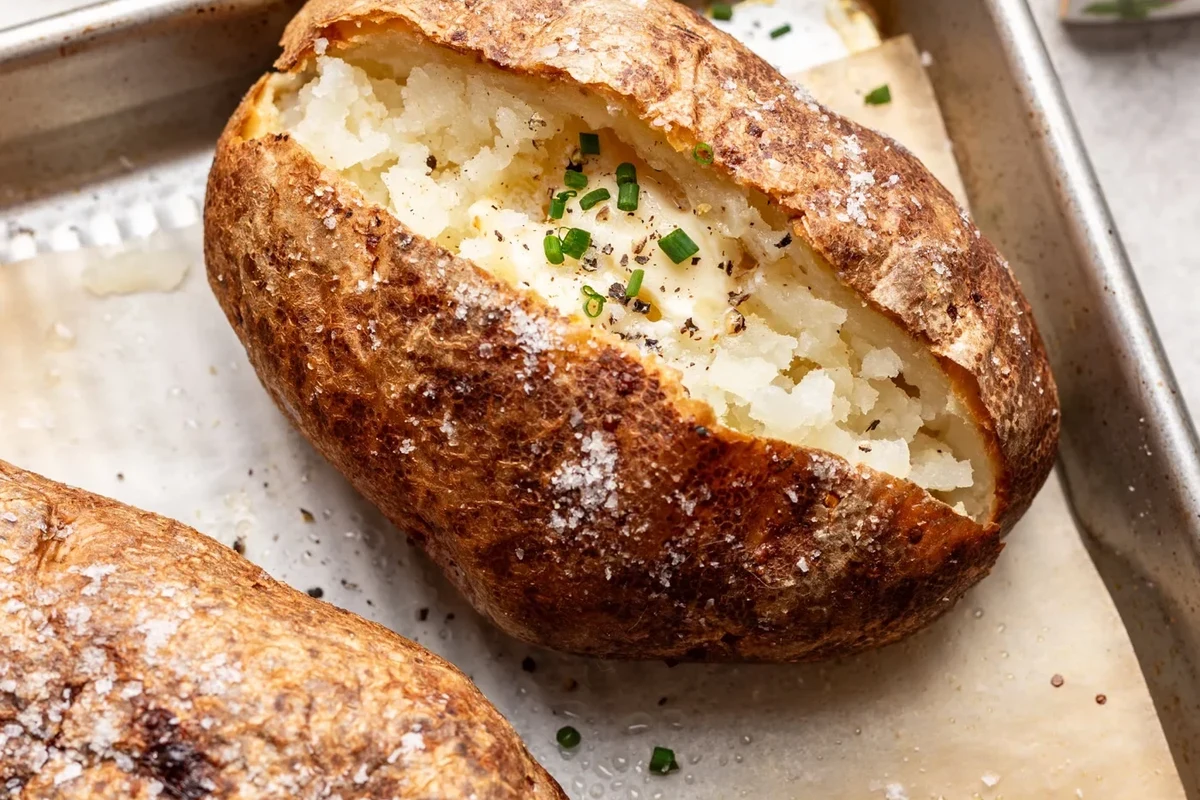
In 2026, home cooks are increasingly moving away from heavy, foil-wrapped potatoes that result in steamed, soggy skins. The modern approach prioritizes airflow and high-heat roasting to ensure the skin becomes a flavorful, crispy shell that contrasts perfectly with the light, fluffy interior. Whether you are preparing a simple dinner or a complex spread, understanding these fundamental techniques will elevate your potato game.
What Makes a Baked Potato “Crispy”? The Science of Texture
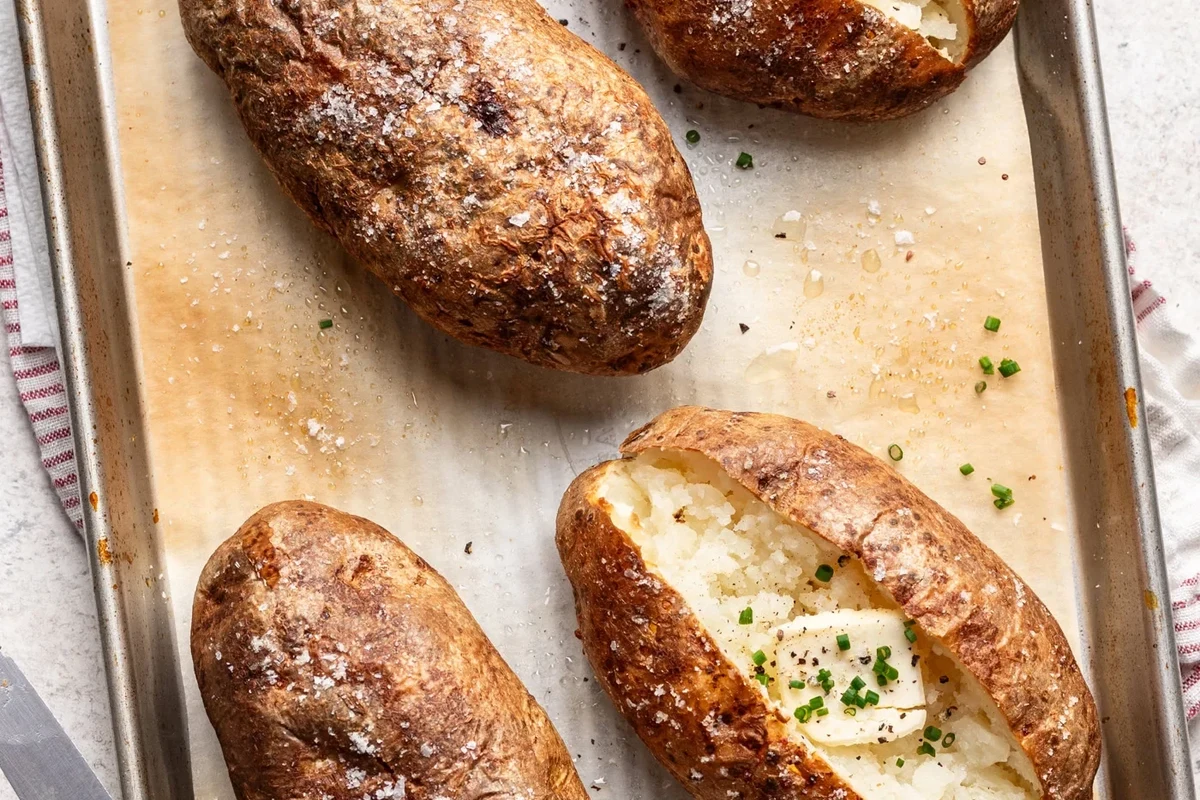
Crispiness is the result of water evaporation. When a potato is heated, moisture within the skin must escape. If that moisture is trapped—by foil, oil, or humidity—the skin remains soft. The goal is to dehydrate the outermost layer of the potato so that it can crisp up when exposed to direct, dry oven heat.
The Role of Starch and Dehydration
Potatoes are primarily water and starch. During the baking process, the starch granules gelatinize, creating a fluffy interior. Simultaneously, the skin needs to lose its water content to become brittle and crisp. If you have ever wondered why some potatoes turn out better than others, it often comes down to the initial moisture content of the surface before it ever hits the oven.
Why Skin Integrity Matters
The skin acts as a protective vessel. If it is punctured too deeply or damaged before cooking, the internal moisture leaks out, preventing the skin from crisping effectively. Keeping the skin intact while ensuring it is clean and dry is the key to maintaining that structural integrity throughout the baking cycle.
Essential Ingredients for the Ultimate Baked Potato
Choosing the Right Potato Variety: The Russet Advantage
For the classic baked potato experience, the Russet is the gold standard. Its high starch content and thick, textured skin allow it to hold up well under high heat. While other varieties like Yukon Gold are excellent for Belize Potato Salad, they contain too much moisture and sugar to achieve that specific, deep-fried-style crispiness on the skin.
The Fat Factor: Oil vs. Butter vs. Rendered Animal Fat
While butter adds flavor, it contains milk solids that can burn at the high temperatures required for a crispy skin. High-smoke-point oils, such as avocado or grapeseed, are effective. However, for the most depth, rendered animal fats—like beef tallow or bacon fat—provide a savory, golden finish that is difficult to replicate with plant-based oils alone.
Seasoning Profiles: Beyond Simple Sea Salt
Salt is essential not just for flavor, but for drawing out surface moisture. Coarse sea salt or kosher salt is preferred over table salt, as the larger crystals provide a crunch that complements the texture of the skin. Feel free to incorporate smoked paprika or garlic powder, but apply these toward the end of the prep to ensure they don’t scorch.
Step-by-Step Cooking Technique: Achieving the Golden Crunch
Scrub the potatoes thoroughly under cold water to remove all soil. Pat them completely dry with a clean kitchen towel. Use a fork to pierce the skin 6–8 times, creating small vents for steam to escape safely.
Place the pierced potatoes on a wire rack over a baking sheet and let them sit at room temperature for 20 minutes. This allows the air to dry the surface, which is critical for that initial crisping phase.
Preheat your oven to 425°F (218°C). Rub the potatoes lightly with your chosen fat and coat them generously with coarse salt. Bake directly on the oven rack or a wire rack until the skin is rigid and the internal temperature reaches 205°F.
Common Mistakes That Lead to Soggy Skins
- Use a wire rack for airflow
- Prick the potato to release steam
- Wrapping in aluminum foil
- Crowding the baking sheet
The Foil Fallacy: Why You Should Never Wrap Potatoes
Wrapping a potato in foil creates a micro-environment of trapped steam. While this cooks the potato quickly, it effectively “steams” the skin, rendering it soft and leathery. If you want a crispy skin, direct heat exposure is non-negotiable.
Overcrowding the Oven and Humidity Issues
If the potatoes are too close together, they release moisture into the surrounding air, increasing the humidity inside the oven. This humidity prevents the skin from drying out. Ensure there is at least two inches of space between each potato to allow for proper hot air circulation.
Advanced Variations and Flavor Pairings
Adding Belizean Flair: Infused Oils and Tropical Spices
While the classic potato is a staple, you can incorporate local flair by using coconut-infused oil for a subtle sweetness, or a dusting of habanero-infused salt for a gentle heat. If you enjoy heartier meals, these potatoes make an excellent base for dishes similar to a Chicken Leek and Potato Soup, where the texture of the potato skin provides a necessary bite against the creamy soup.
Beyond the Butter: Creative Topping Combinations
Once the potato is perfectly crispy, treat the interior as a canvas. Beyond butter, consider topping with roasted mushrooms or even a hearty bison chili, which shares flavor profiles found in a Onions Mushrooms Potato Bison Soup. The contrast between the crispy, salty skin and a savory, slow-cooked topping is what makes the dish memorable.
Food Safety, Storage, and Reheating Best Practices
Never leave baked potatoes wrapped in foil at room temperature for an extended period, as this creates an anaerobic environment that can support the growth of Clostridium botulinum. Always refrigerate leftovers within two hours of cooking.
Proper Storage for Leftovers
Once cooled, store your baked potatoes in an airtight container in the refrigerator for up to 3 to 4 days. Do not store them with butter or sour cream already inside, as this will introduce moisture and compromise the texture of the skin.
How to Revive Crispiness: Reheating Techniques
Avoid the microwave if you want to maintain the texture. Instead, place the refrigerated potato in a 400°F oven for about 10–15 minutes. This “refreshes” the skin, pulling out excess moisture and returning it to a state of crispiness that is nearly identical to when it was first baked.
Final Verdict: Elevating a Simple Staple
The crispy skin baked potato is a lesson in patience and technique. By avoiding the common trap of foil wrapping, prioritizing high-heat airflow, and ensuring the surface is dry before it enters the oven, you can achieve a result that is superior to most restaurant offerings. It is a simple, cost-effective way to transform a basic ingredient into a satisfying, texturally diverse component of any meal.
Common Questions
Foil traps steam, which results in a soft, leathery skin rather than the desired crispy texture.
A temperature of 425°F (218°C) is ideal for achieving a crispy skin without burning the exterior.
A microwave will cook the potato quickly, but it will not produce a crispy skin and is generally discouraged for this recipe.
The potato is ready when the skin feels firm and slightly brittle, and a fork or knife slides into the center with no resistance.
Yes, a light coating of oil or rendered fat helps conduct heat evenly and contributes to a crispier, more flavorful skin.
Frequently Asked Questions
This usually happens because moisture is trapped during the cooking process. Using foil or overcrowding the oven creates a humid environment that steams the skin instead of dehydrating it.
Yes, piercing is essential for safety. It allows internal steam to escape, preventing the potato from bursting during the high-heat baking process.
You can, but be mindful of the smoke point. Using an oil with a higher smoke point, like avocado or grapeseed oil, is safer and more effective at 425°F.
Properly stored in an airtight container, baked potatoes can last in the refrigerator for 3 to 4 days. Always refrigerate them within two hours of baking.
The oven is the best method. Reheat at 400°F for 10-15 minutes to allow the skin to dry out and regain its original texture.
Russets are the best choice due to their high starch content and thick skin. Other varieties contain more moisture, making them better for boiling or mashing than for achieving a dry, crispy skin.